Sorry, you need to enable JavaScript to visit this website.
Kato Martini

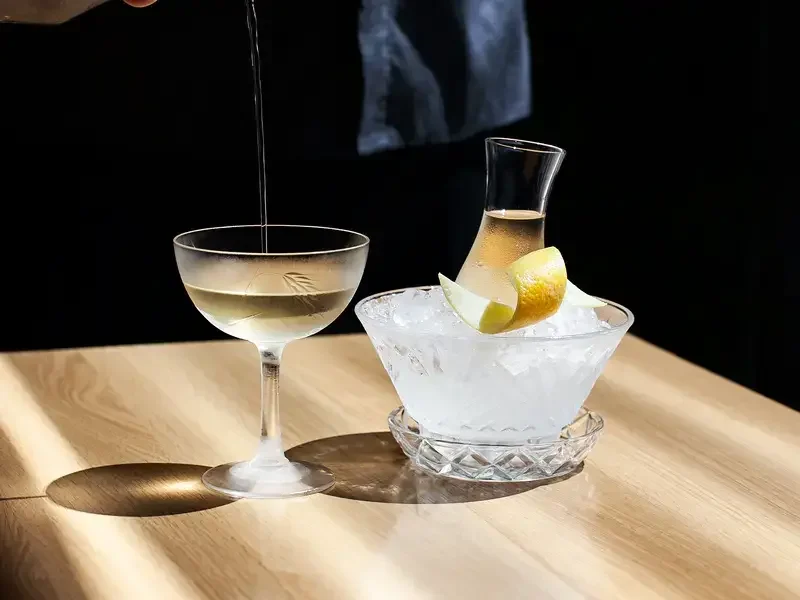
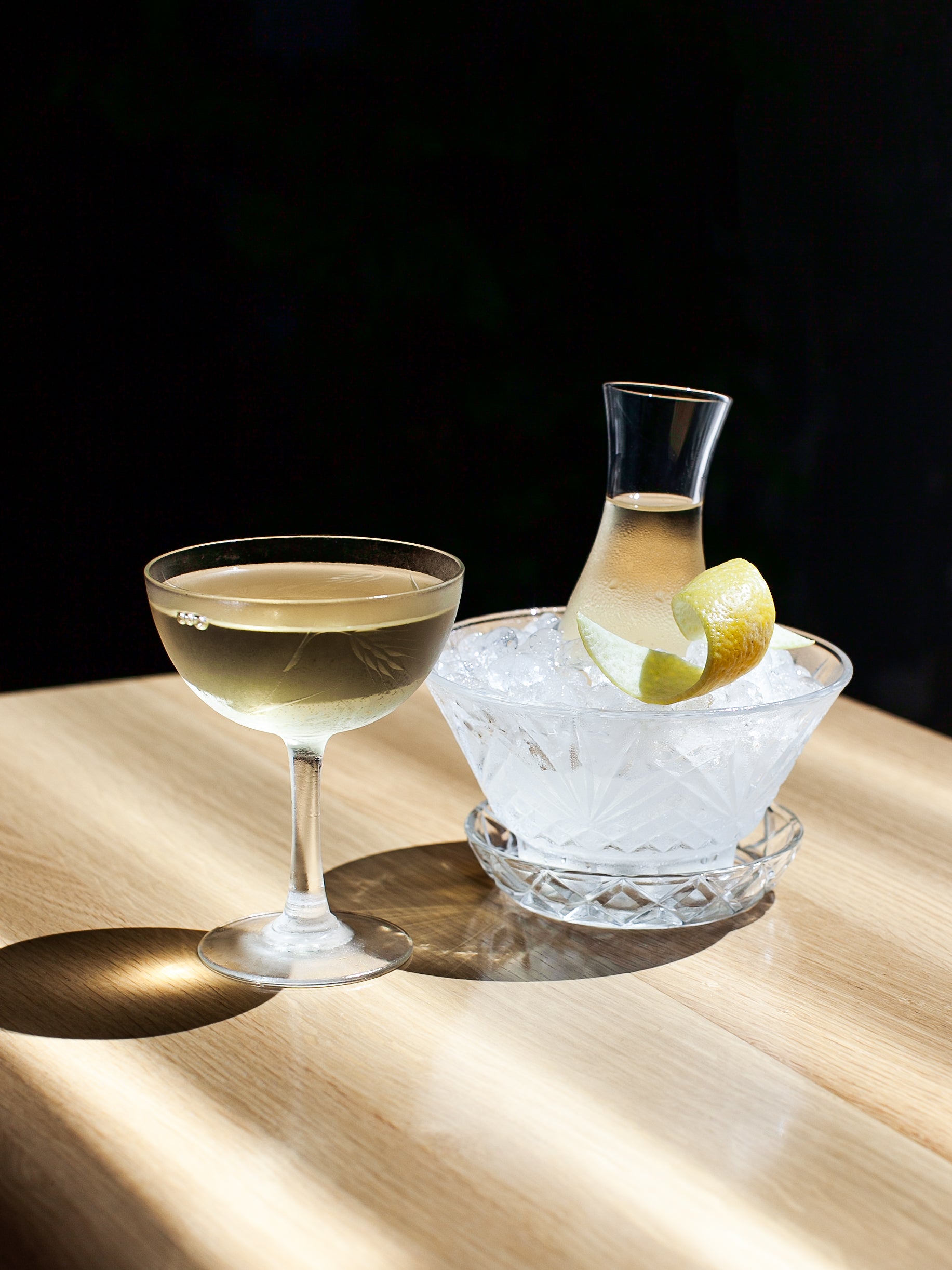
The Tuxedo at Kato. Credit: Collen O'Brien

Shaken, Stirred, and Served Cold: LA’s New Martini Era

10 Minute read

From tasting-menu pairings to neighborhood bars, the martini is back in Los Angeles—and sharper, smaller, and colder than ever.

In Los Angeles, the martini never really went away, but lately it’s found new life. No longer just a barroom icon, it’s become a defining feature of the city’s dining culture. From Hollywood power spots to tasting-menu temples, the martini serves as both a creative canvas and a symbol of timeless restraint.

“The martini is one of the only things in my 27 years of living in Los Angeles that has always been cool,” says Tobin Shea, bar director at Redbird. “In the late nineties, it was all about the dirty martini, and how cold you can get it by shaking it hard. In the late aughts, it was all about the classic gin martini and the execution of stirring until perfectly chilled and diluted. Then came all the riffs, classic or contemporary—every bar or restaurant had a different version of the classic. Now we have come full circle, and the classic is king again.”
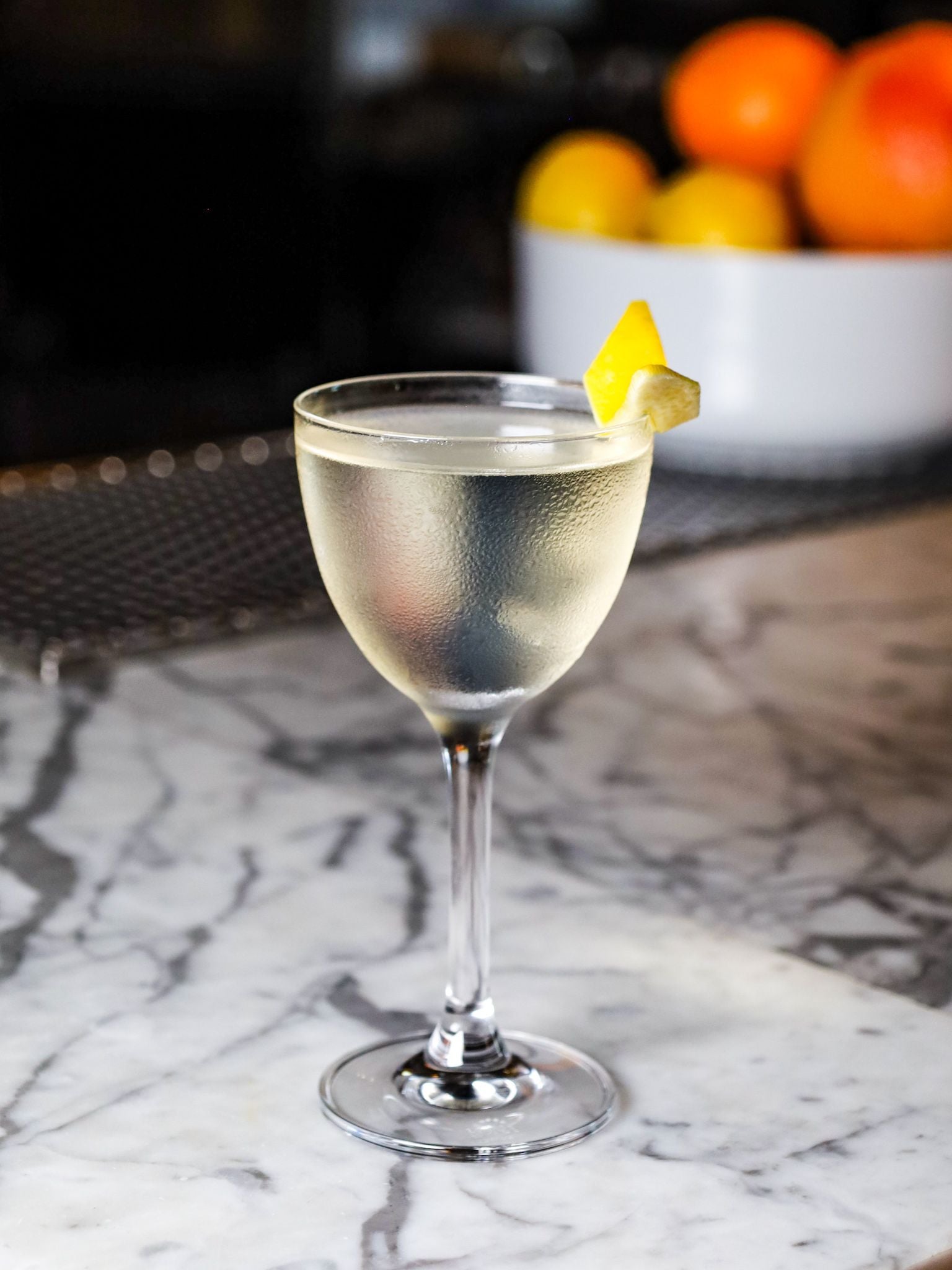
Redbird Martini

Redbird Martini

That return to fundamentals is especially clear at cocktail-forward bars. “After 15 years of bartending in Los Angeles, I can definitely say our martini culture has evolved,” says Michael Capoferri of Thunderbolt. “Drinkers are far less afraid of vermouth and more willing to lean into the classic formats. Martinis have also shrunk significantly—most builds are around three ounces now, aligning them with other stirred classics.”

Capoferri’s house martini, the Liquid Picnic, shows how far the modern bar martini has come. “It is the cocktail that inspired our ‘dilution substitution’ menu category,” he explains. “It’s a surprisingly savory martini that pops with flavor, though it is perfectly clear and colorless. We achieve this by clarifying tomato water in a centrifuge, which serves as the cocktail’s dilution in place of water. We use custom refrigeration to bring the fully batched cocktail down to its freezing point rather than stirring it.”

At restaurants, martinis have become part of the dining experience, woven into tasting menus and paired deliberately with food. At Kato, bar manager Austin Hennelly says, “Kato always has a martini variation on the menu. Right now it’s a tuxedo, classically a martini with dry sherry. Kato’s version includes a few drops of wood-fired Taiwanese soy sauce and a measure of tomato brandy from the French distiller Laurent Cazottes. It’s a savory, though not dirty, martini.” The tuxedo is consistently one of Kato’s top three ordered cocktails.

Hennelly’s method underscores the growing precision chefs and bartenders are bringing to restaurant martinis. “I like to make my martinis two to one with a high-proof gin,” he says. “That way you still get plenty of vermouth flavor, but it drinks dry. Two dashes of orange bitters, a few drops of salt water, a cerignola olive in the glass, and a lemon peel expressed over the top and discarded.” He’s quick to note the one unforgivable mistake: “If you’re going to make a martini, chill the glass. I’ve seen way too many martinis in Los Angeles poured into room-temperature glasses. I’ve even seen one poured into a glass fresh and hot out of the dishwasher.”

Kato Martini

The Tuxedo at Kato. Credit: Colleen O'Brien

While inventive riffs proliferate, Shea has seen the city return to discipline. “At Redbird, classic martinis are on regular rotation, but the most ordered is the Turf Club,” he says. “It was on our opening menu and, through attrition, has become one of the many reasons people return to Redbird.” The cult favorite—made with Plymouth gin, dry vermouth, maraschino, absinthe, and orange bitters—is proof that a perfectly made classic can outlast a thousand trends.

If there’s a single throughline, it might be a shift in scale and mindset. “Los Angeles is into mini martinis right now,” says Lee. “They’re cold, quick, and make you want another.” Capoferri has leaned into that. “At Night on Earth, we started a mini-martini night every week where we serve really great tiny tinis for five dollars. I’ve seen a bunch of other spots get on board with the trend.”

Even at the glitzy Beaudry Room, the martini has become part of the dining ritual. “We recently launched a Girl Dinner, which includes a martini, a deconstructed Caesar salad—a José Andrés Group signature—and french fries,” says assistant food and beverage director Jay Cosico. “It’s a perfect grazing pairing: the umami of the salad, the salty fries, and a crisp martini.”

Yet in a city that constantly reinvents itself, the martini’s resurgence may be less about novelty than permanence. “Whether proper or not,” Shea says, “Los Angeles is one of the greatest martini cities on the planet.”

Join the community
Badge
Join us for unlimited access to the very best of Fine Dining Lovers
Unlock all our articles
Badge
Continue reading and access all our exclusive stories by registering now.

Already a member? LOG IN