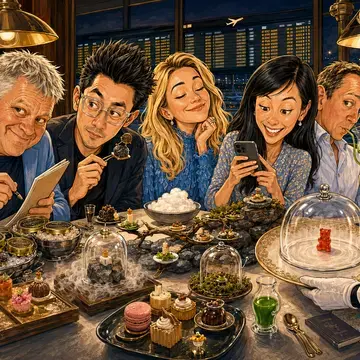
Some time ago, perhaps around the rise of the Museum of Ice Cream, everything suddenly became “immersive” in a very specific way. Exhibitions began tapping into all of our senses at once with digital aids, wellness studios turned into projection rooms, and virtual reality arrived at concerts. One could argue that hospitality has always satisfied this craving for immersion, from windowless dining clubs that ask guests to leave everyday life at the door to dinner theater that blurs reality and fiction.
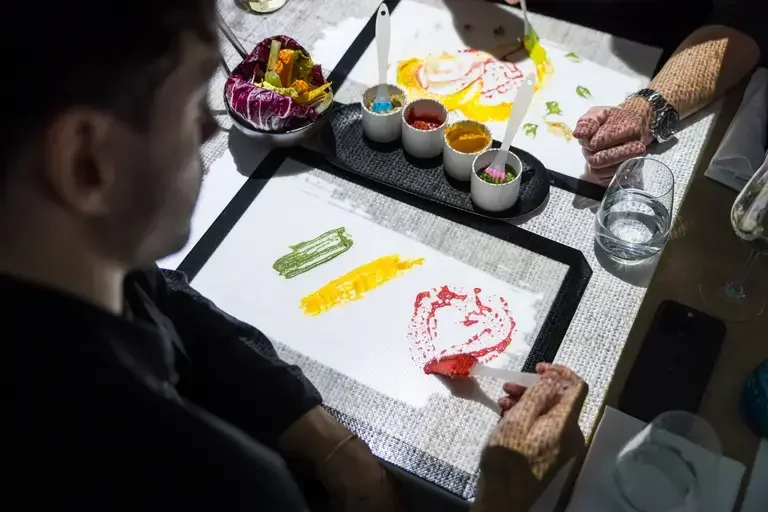
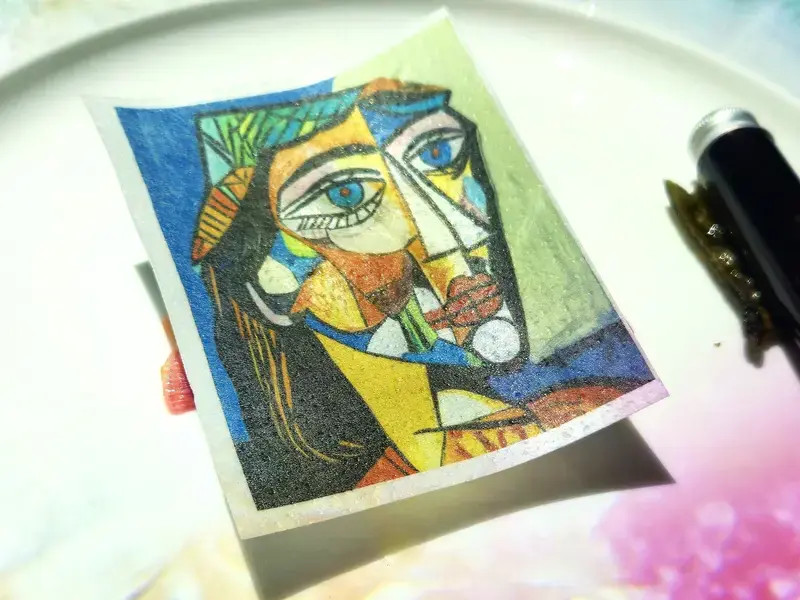
Still, few could have predicted the following scene: you in a dark hotel conference room, painting over an edible version of Vincent van Gogh’s The Starry Night while video projections illuminate the space and an audio track narrates a child-friendly version of the painter’s life and vision.
It’s 2026, and immersive dining is bigger and more diverse than ever, with hotels, restaurants, and pop-ups offering multiple iterations of the concept. Some are tech-forward and rely heavily on video and sound effects. Others turn to nature, real-life art, or distinctive design, while some include hands-on opportunities and in-person touchpoints for guests.
Immersion Through Technology and Spectacle
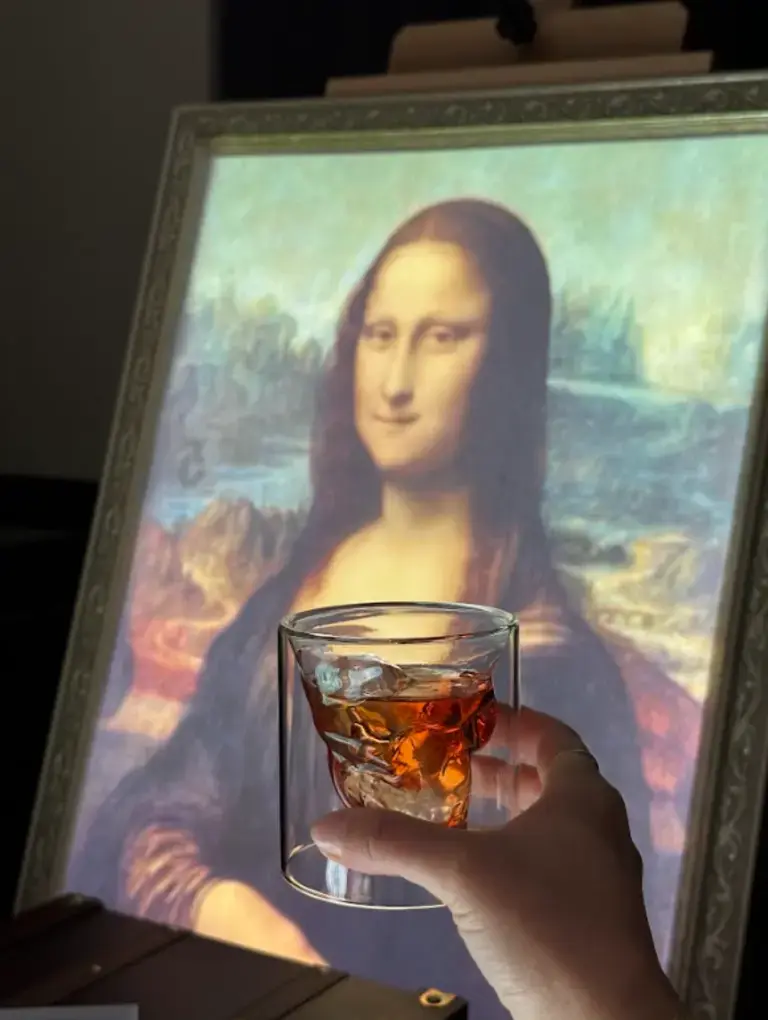
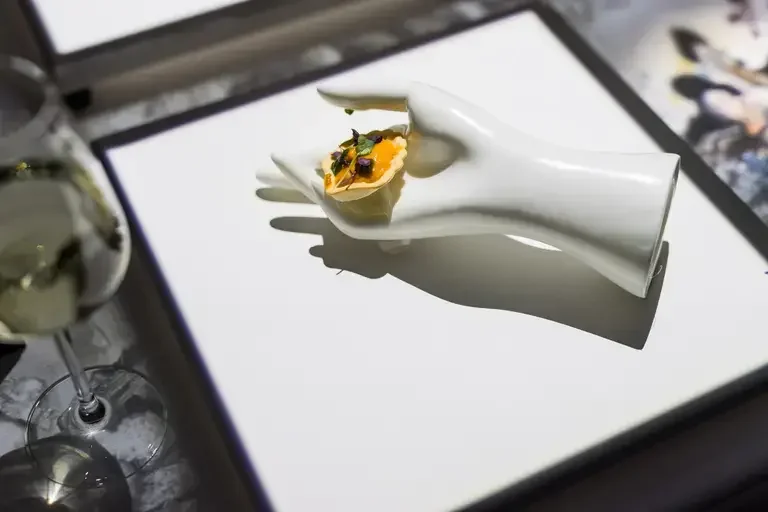
The aforementioned Starry Night dinner experience, for example, falls firmly into the first category. It is part of Seven Paintings, a popular traveling dinner series that marries video art and food through the lens of recognizable artists such as Van Gogh, Banksy, Pablo Picasso, and Andy Warhol. Each dish is prefaced by an animated introduction exploring a different aspect of the artist’s work, and the plates themselves echo those styles in shape and form, sometimes with interactive elements such as unlocking a box with an invisible code or cracking open a baked shell.
The project had recently landed in the U.S. I attended its run in Silicon Valley, with offerings planned in multiple cities through 2026. It is hardly alone. There is a brand-new Alice in Wonderland–themed offering in Miami featuring projection mapping, an edible forest appetizer, and plenty of Instagram-friendly moments. There is also Le Petit Chef, a family-friendly dinner experience featuring video clips of a tiny chef procuring ingredients and preparing dishes that are then served to diners in real life, and The Radiant Table, a series of chef-driven meals with abundant visual elements.
“It’s fun and charming,” says Francesco Zimone, CEO of Welcome Home Hospitality, the food and beverage operator of Hotel Figueroa in Los Angeles, where Le Petit Chef is currently running. While the experience is intentionally kid-friendly, adults have plenty of fun too, Zimone says, as the dinner “creates an element of conversation and makes the table giggle during every course.”
When the dishes, prepared by the hotel staff, arrive, the projector stops. “That gives the guests the opportunity to speak about what they have just seen, comment on the food, and simply enjoy their evening,” Zimone says.
As much as I enjoyed the cleverness and creativity of Seven Paintings, it left me craving a more meaningful connection between the idea and the food, as well as tighter execution. It is perhaps good news that chefs across the country are approaching immersive dining from a different direction, creating conversational layers around their food with heritage, culture, and the environment in mind.