Luxury Without Explanation
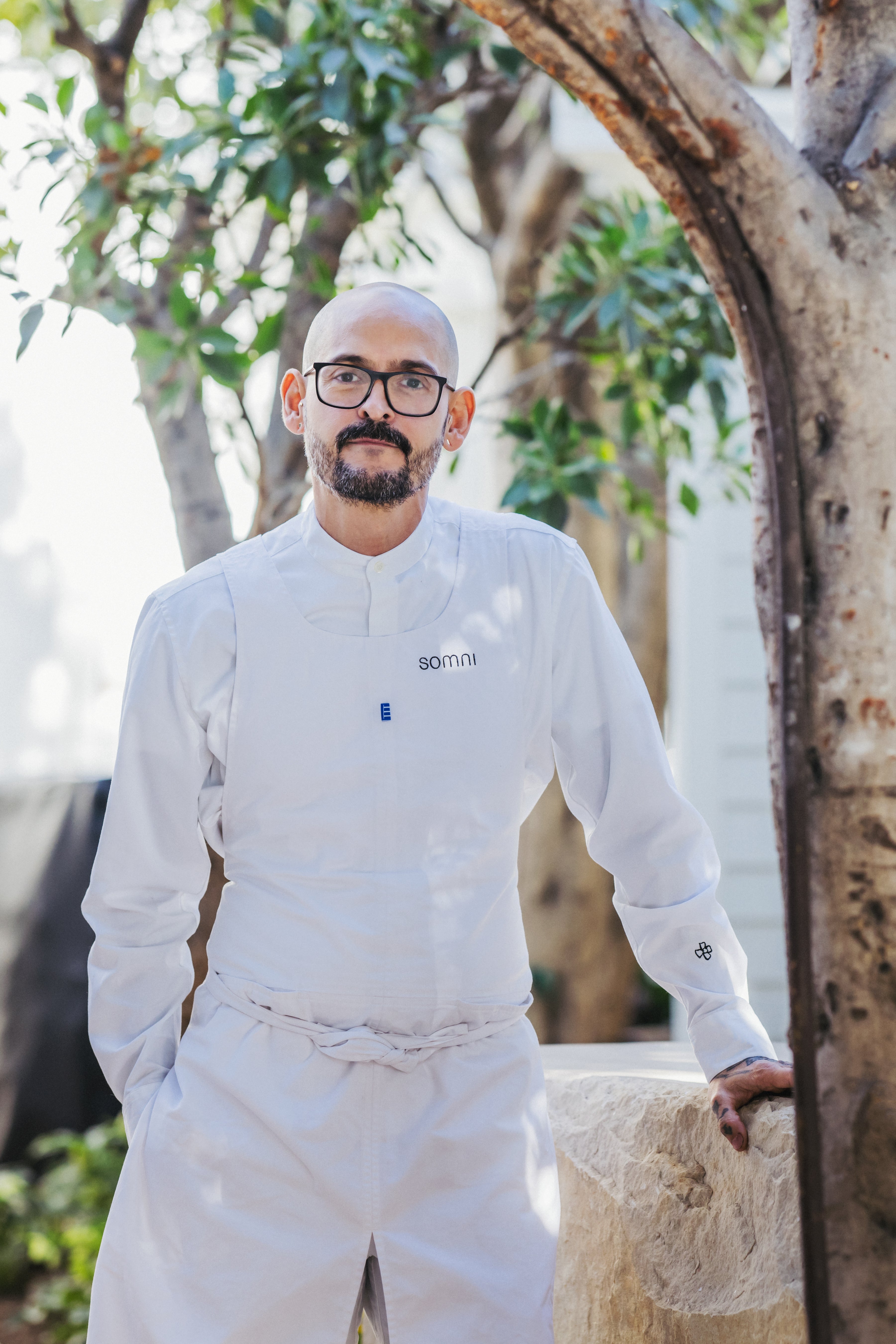
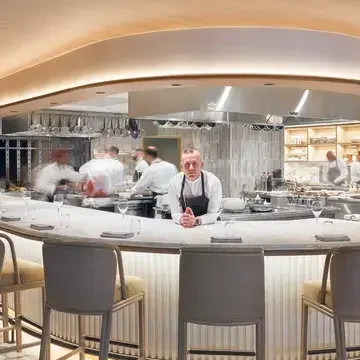
The Spanish chef Aitor Zaballa does not flinch when the subject turns to rising restaurant prices. Based in Los Angeles, where his restaurant Somni was recently awarded three Michelin stars, he agrees that prices have increased and margins are tighter. “That’s the reality of the moment we’re living in,” he points out.
He is also keenly aware of the broader context of what chefs do. When it comes to pricing, he does not believe chefs should “place themselves on a pedestal” by trying to educate guests about rising costs. “When we over-explain, it can start to feel like we’re justifying ourselves,” Zaballa says. “We make decisions every day, some easy, some difficult, but we don’t want the guest to feel any of that weight. The dining room is not the place to talk about our struggles,” he adds.
At the end of the day, he argues, the price is the price. “People will accept it, question it, criticize it, or decide it’s not for them, and that’s part of the relationship we have with the public.” At Somni, the Somni Experience costs $600, including beverages, while a dinner at the Cellar Room can cost almost double, making it one of the most expensive in the city. Zaballa acknowledges that his menu occupies a very specific price tier, since fine dining requires a level of investment and patience that not everyone can or wants to afford. “It’s not meant to fit into everyone’s daily reality, and I’m honest about that. Some people will connect with it, others won’t and that’s okay,” he says. In this new landscape, fine dining reflects a deeper change, one in which eating out no longer signals ease or spontaneity, but entry into a rarefied luxury.
The Difference Between Price and Value
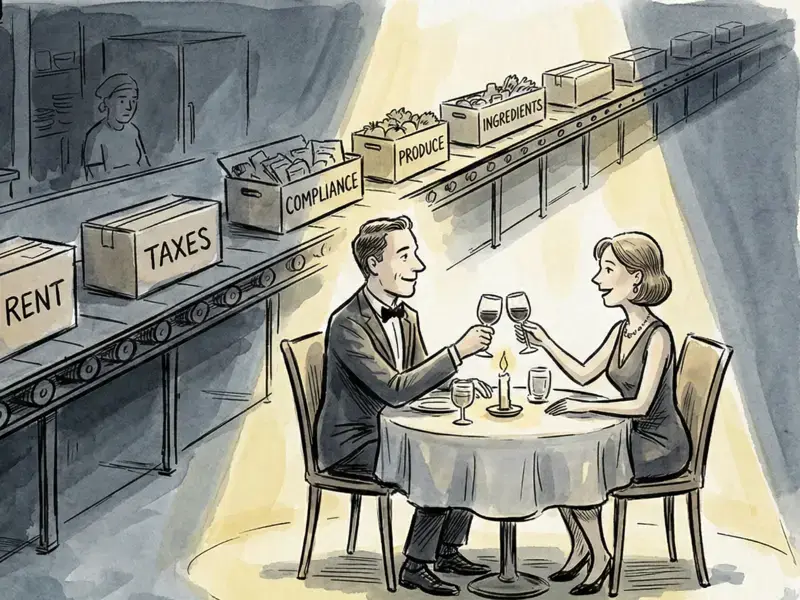
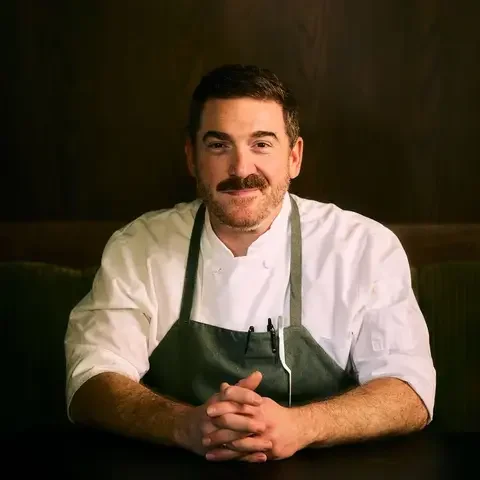
Sean Willard, founder of Menu Engineers, believes restaurants face more criticism over higher prices than other industries because diners have a built-in reference point: grocery store prices and the cost of cooking at home. “That makes it easy to assume restaurant pricing should track ingredient costs,” he explains. What many guests do not see, he adds, are the less visible expenses behind every menu, including labor, time value, compliance, and overhead, all of which have become significantly more expensive in recent years. Pricing, the menu engineer argues, is “more art than strict science.”
Although guests are more mindful about spending than they were five or ten years ago, Willard believes costs will continue to rise and fluctuate, potentially pushing the industry into price levels not previously seen and prompting a renewed debate about the difference between “price” and “value.”
In that light, figures like Noma’s may not be as anomalous as they first appear. In Copenhagen, where the restaurant operated for about two decades, the tasting menu could reach roughly $1,100 with wine pairings. Other restaurants in the city, including Alchemist and Geranium, also surpass that mark, fueling a recent debate in Denmark about formally recognizing gastronomy as an art form, an idea announced in January by the country’s Minister of Culture. The proposal, if approved by Parliament, would make some of the nation’s top chefs eligible for state subsidies and private foundation funding, potentially reshaping the financial model that has long sustained fine dining.
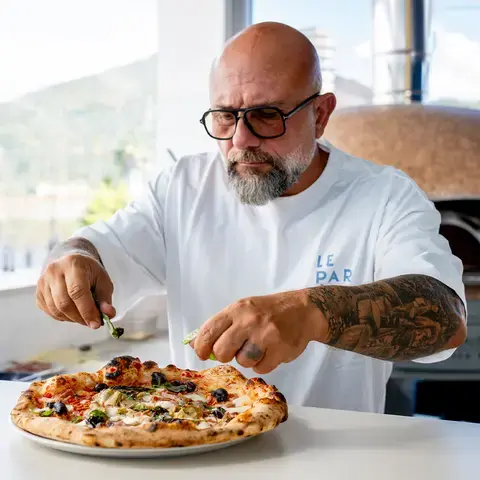
“I think our industry hasn’t been good enough at demanding prices that reflect what things actually cost,” said Rasmus Munk, chef of Alchemist, the two-Michelin-starred restaurant in Copenhagen. “In a restaurant like ours, there are close to a hundred people working to create a single menu. It’s crazy that our craft isn’t valued properly; and it’s also our fault. For years, we’ve allowed prices to stay relatively low in the name of accessibility, which is beautiful in its own way, but not sustainable.”
Munk points to institutions like the Royal Danish Theatre or the Museum of Modern Art (MoMA), whose ticket sales cover only part of their operating budgets. “They rely on public funding, private donors, foundations. If they had to survive purely on ticket sales, it would be more expensive to attend than dining at Geranium or Alchemist,” he says. The issue, he argues, comes down to perspective: how society chooses to value an art form.
“You would never ask a musician to stand on stage, perform a concert, and simultaneously compose a new album,” he adds. “But in our industry, we’re expected to execute at the highest level every night while constantly innovating. It’s labor-intensive, operationally complex, and creatively demanding all at once.” If gastronomy were formally recognized as an art form, Munk believes it could open the door to more sustainable financial models, ones that allow time for reflection and provide greater support for younger generations entering the field.
In that sense, the debate over a $1,500 meal is less about indulgence than about recalibrating what dining is meant to represent.