From Restaurant Kitchens to the Tennis Grounds
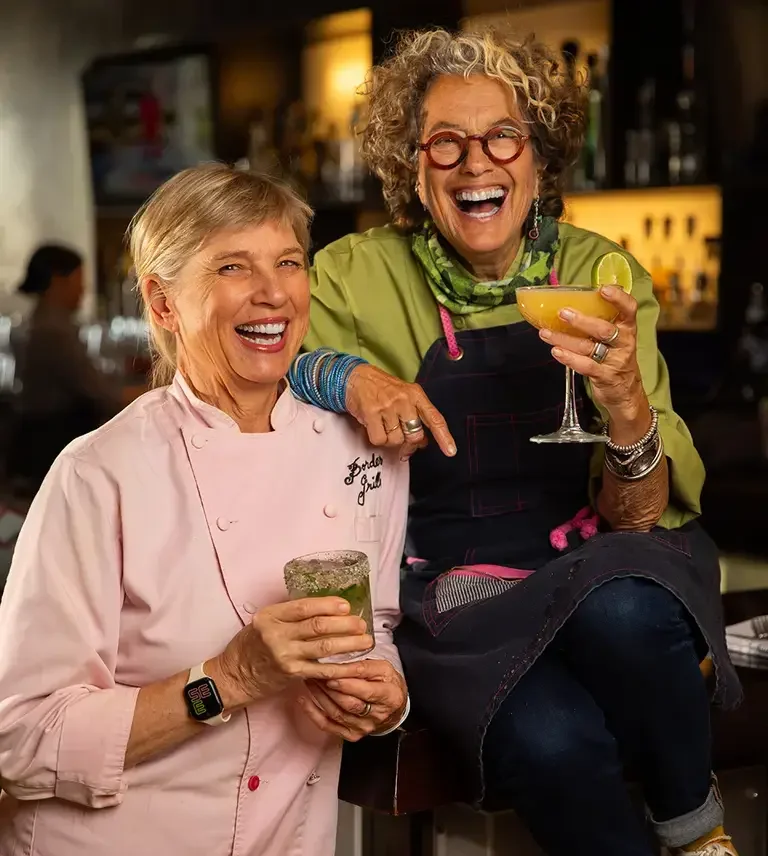
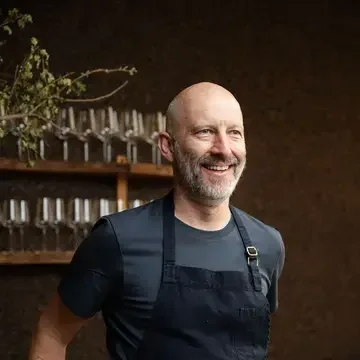
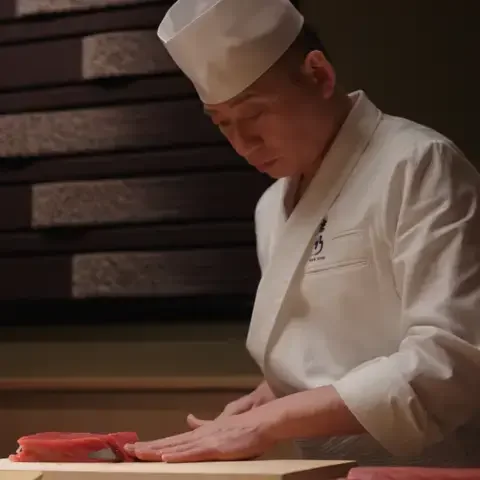
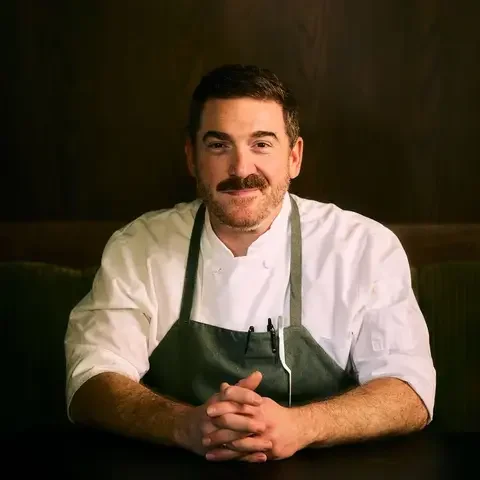
At Indian Wells, the chef lineup reflects a mix of established names and rising operators.
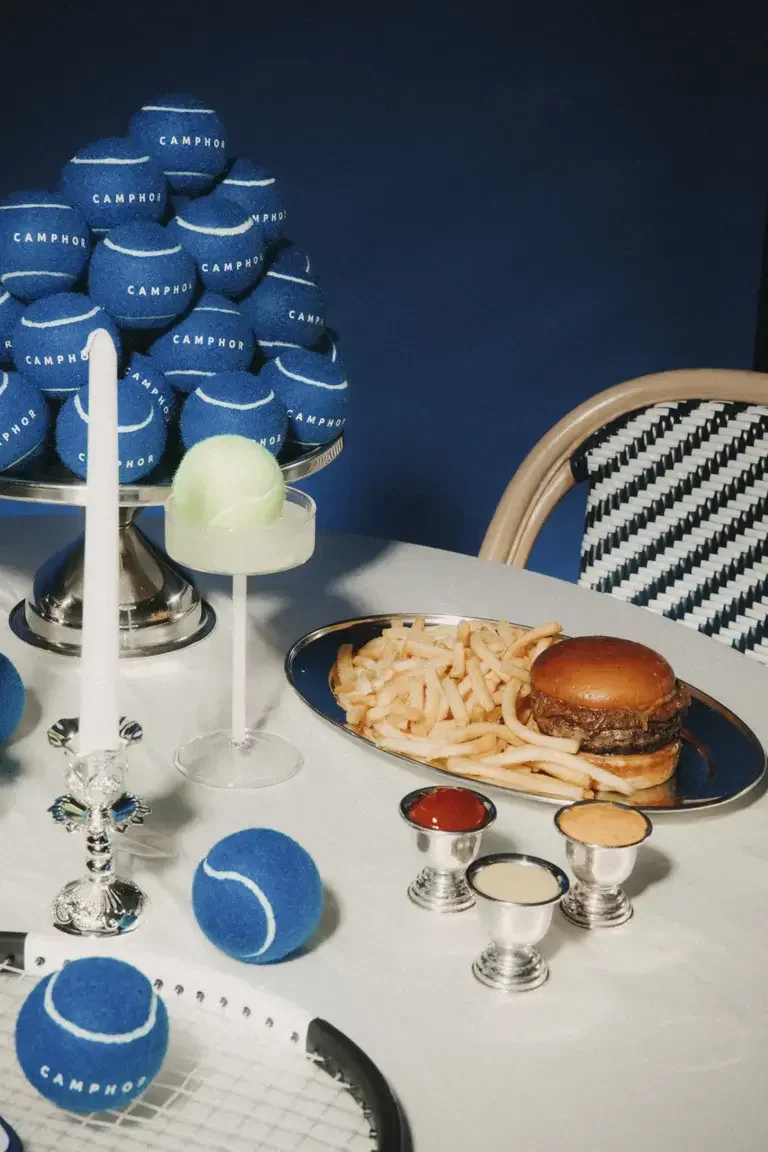
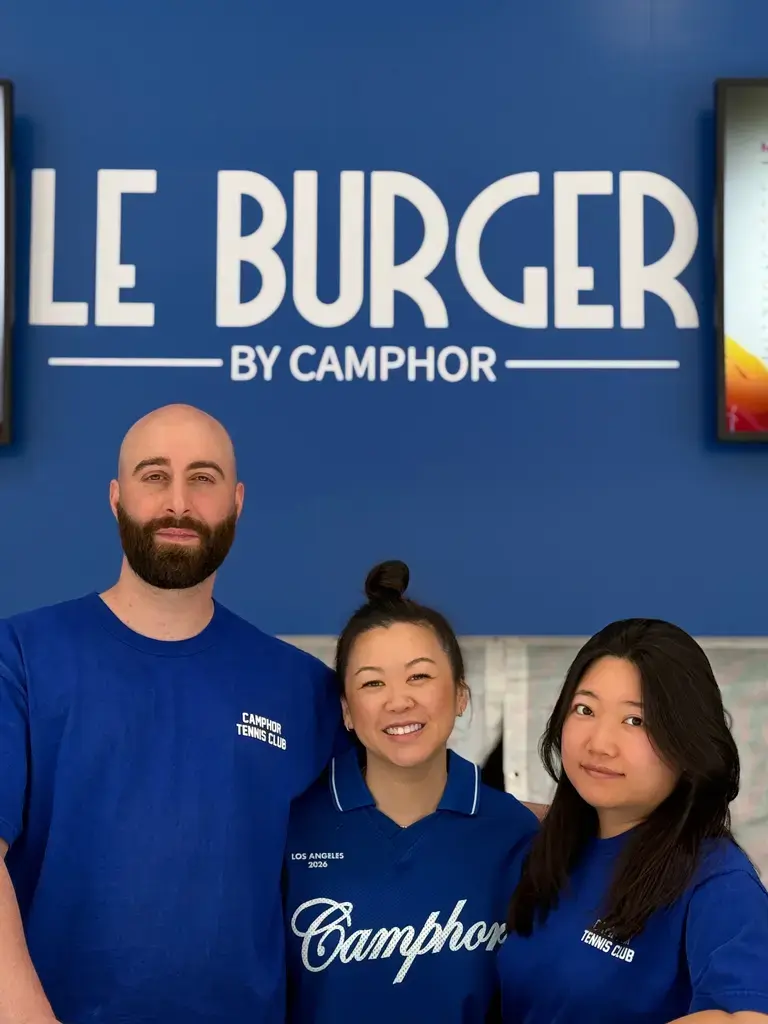
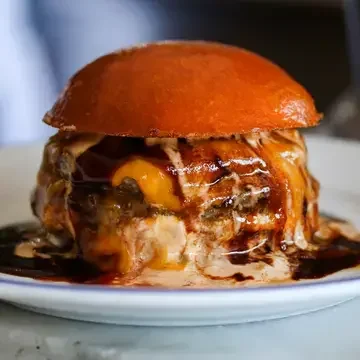
Camphor, the Michelin-starred restaurant in downtown Los Angeles, brings a streamlined version of its burger to the tournament. The patty blends brisket, short rib, and chuck, topped with caramelized onions and a tomato-rosemary remoulade.
Even in the high-volume environment of a tennis stadium, owner/operator Sarah Lam insists on preserving the restaurant’s standards.
“Just because you’re at an entertainment event doesn’t mean the food should suffer,” she says.
The team still prepares fresh patties, bakes buns to their own recipe, and allows guests to customize their burgers. Even during the busiest matches, when lines stretch across the food village, Lam says the goal remains the same.
“We’re here to accommodate.”
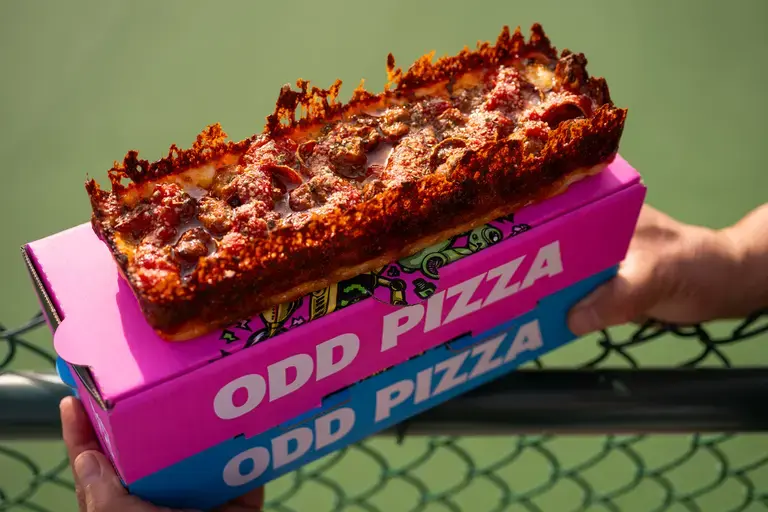
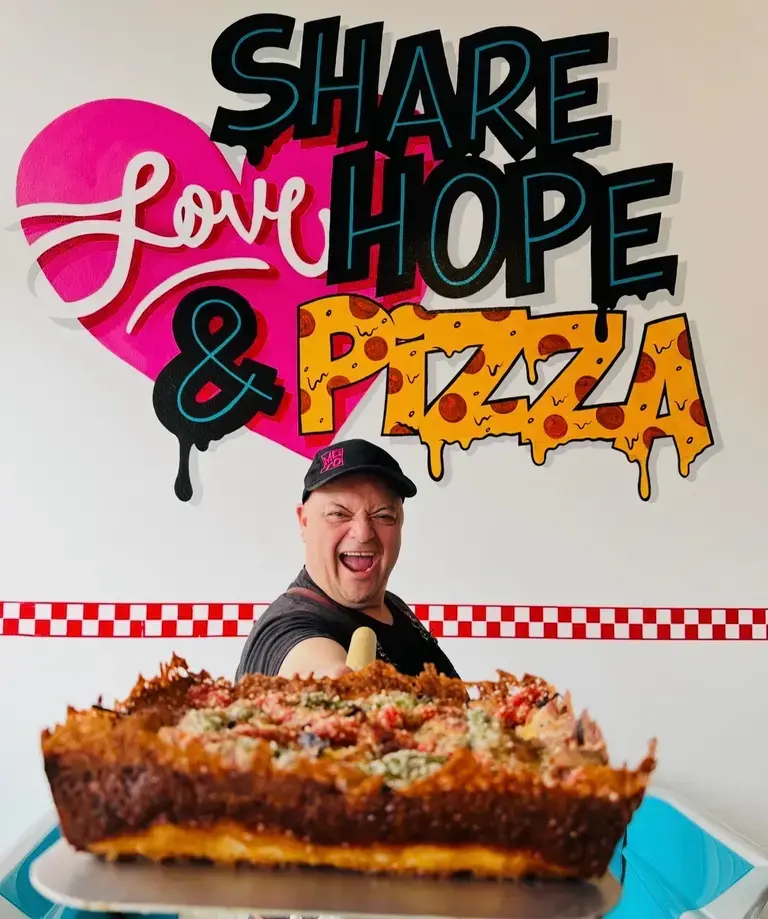
Moto Pizza tells a different story. Kindell launched the Seattle-based pizza company during the pandemic after his hospitality business collapsed. What began as a tiny takeout operation quickly turned into a sensation, with waits stretching to months and national media attention following.
When the company eventually landed inside the Seattle Mariners’ stadium, its pizzas broke sales records almost immediately. Indian Wells followed soon after.
During its first year at the tournament, Moto shattered sales expectations again.
“We thought maybe we’d sell 600 pizzas,” Kindell says. “The first day we did that. Then it went to 900. Then 1,500.”
Now the brand sees stadium partnerships as a key part of its growth.
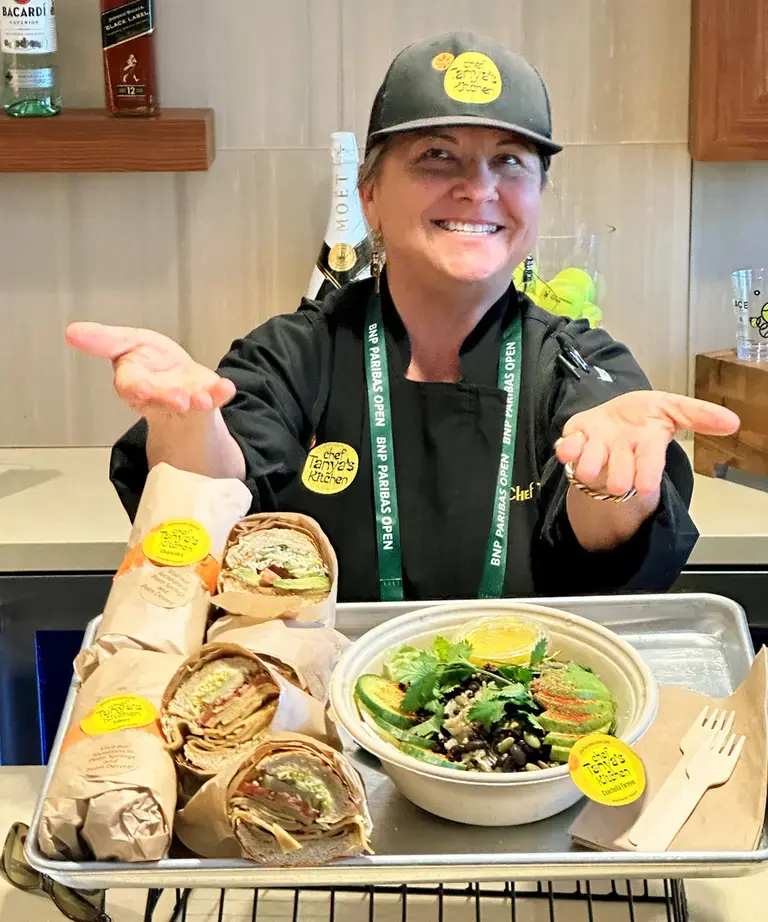
Chef Tanya, a longtime pioneer of plant-based cooking in the Coachella Valley, represents another side of the food village’s diversity. Her stand serves sandwiches and bowls built around house-made meat alternatives like seitan, an ingredient with roots in ancient Asian cuisine.
The mission, she says, is simple. “People think plant-based food has to taste bad,” she says. “My job is to get them over that hump.”
At Indian Wells, Tanya’s booth holds a unique distinction. It is believed to be the only fully plant-based concept operating inside a major U.S. stadium.
Her connection to tennis stretches back decades. In the early 1990s, tennis legend Martina Navratilova, who had adopted a vegetarian diet for performance reasons, helped introduce Tanya’s cooking to the tennis community. That relationship helped put her first restaurant on the map.
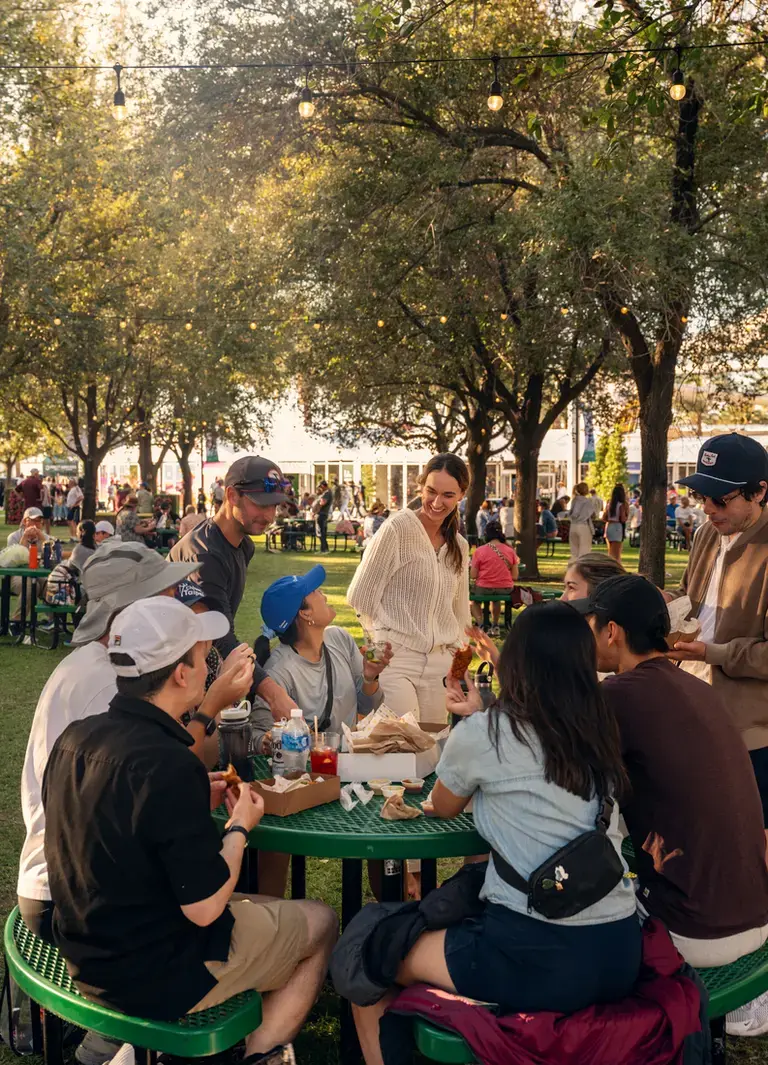
Across the tournament’s two-week run, more than 500,000 visitors pass through the grounds. Many arrive curious. Others discover the food by accident while wandering between matches. Either way, the exposure can be powerful.
“It’s thousands of people who get to try something new,” Tanya says.
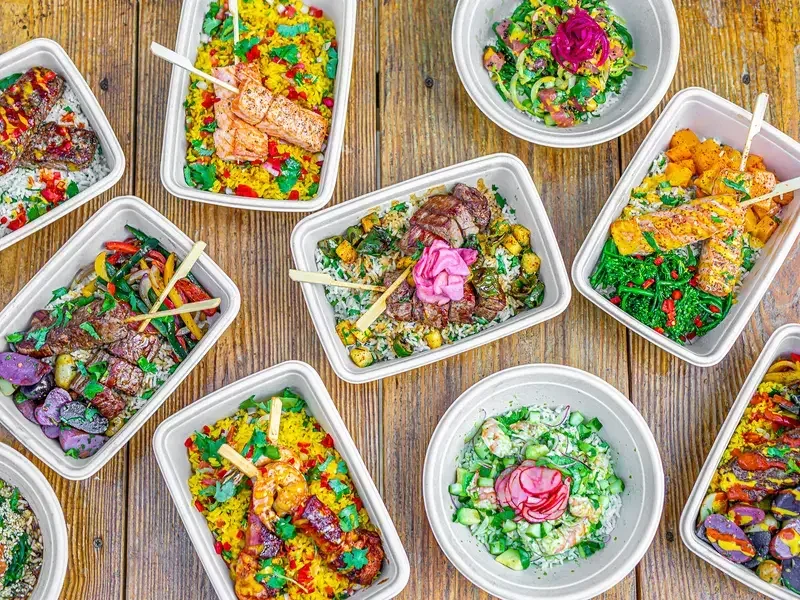
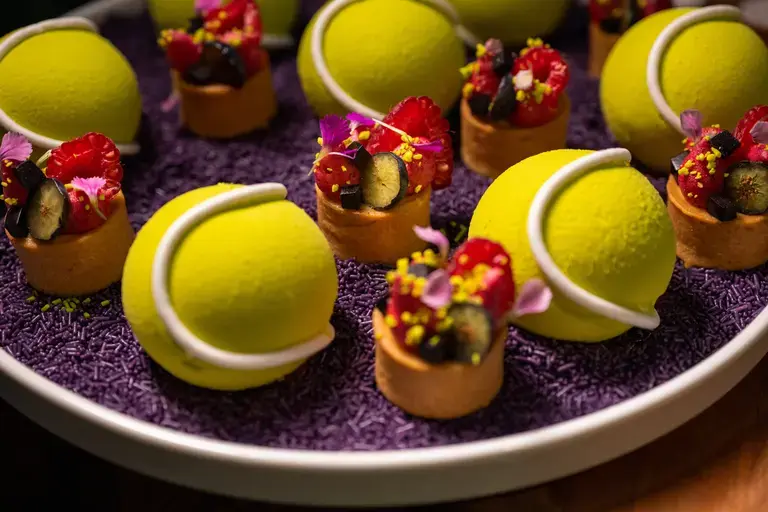
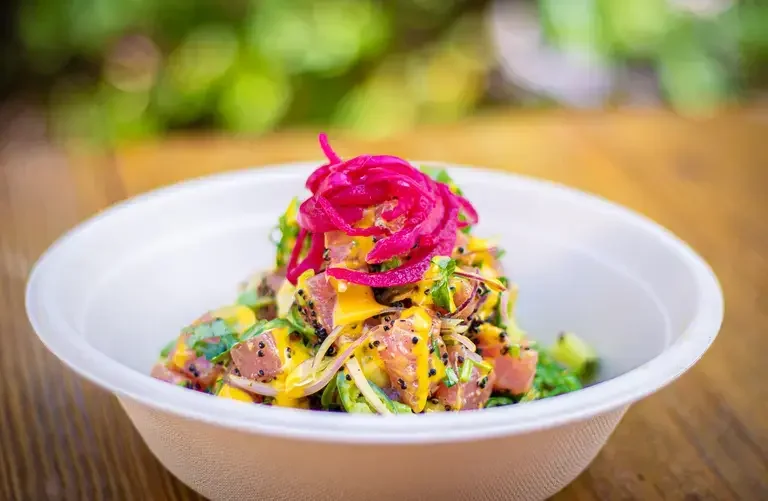
Back in the food village, that spirit of exploration is exactly the point. Fans drift from booth to booth between matches, comparing burgers, sushi, tacos, and pizza the way they might sample wines at a tasting event. The tennis provides the anchor, but the food has become part of the culture of the tournament itself.
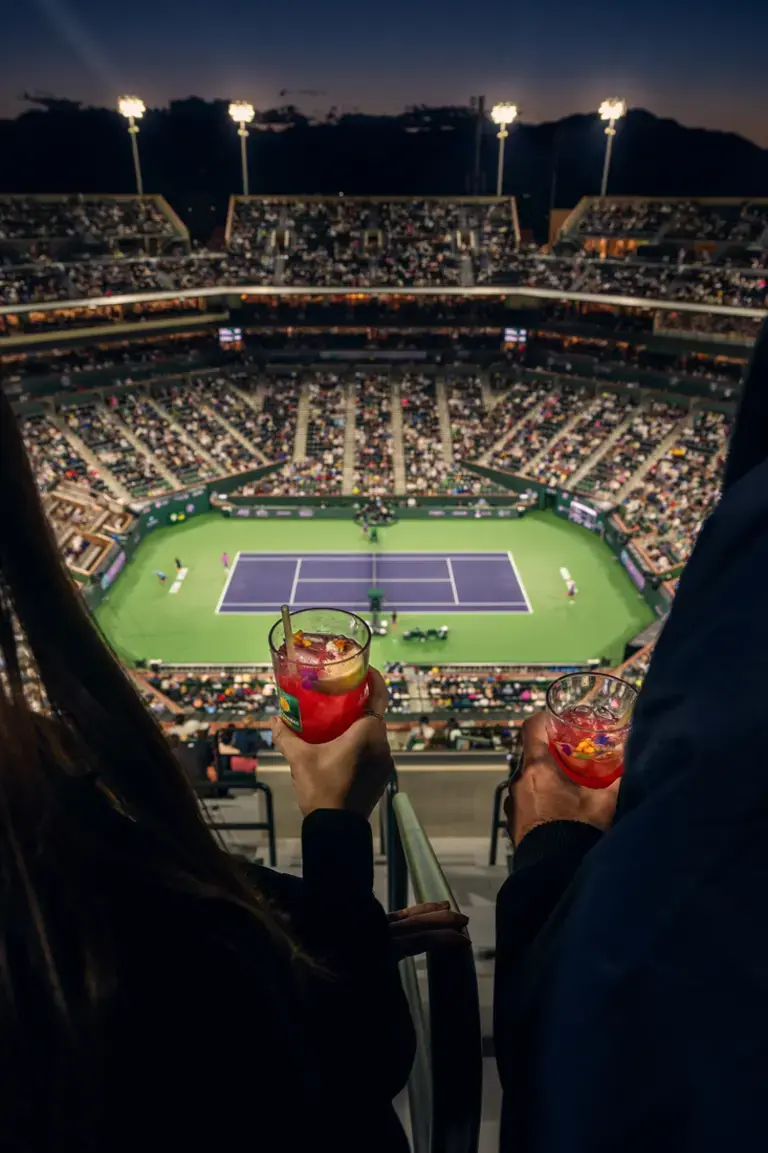
In many ways, the BNP Paribas Open now resembles something closer to a culinary festival attached to a sporting event. For chefs and operators, it offers a glimpse of the future.
As stadium operators look for ways to enhance fan experience, food is increasingly becoming part of the draw rather than an afterthought.
And in the California desert each March, tennis fans are already getting a preview of what that future might taste like.