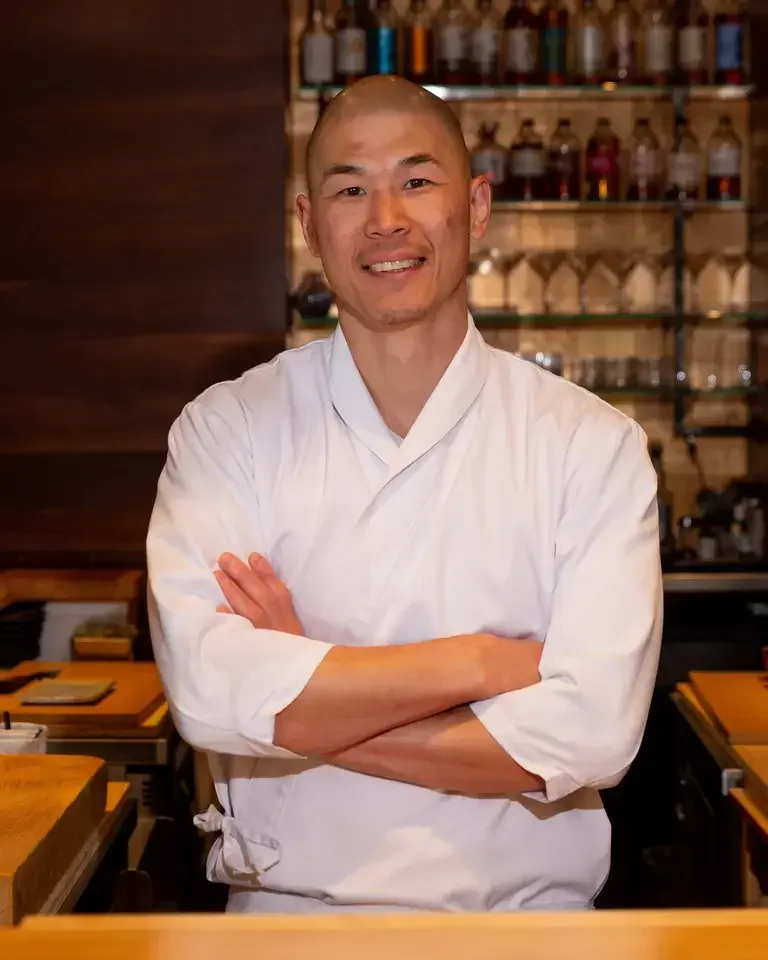
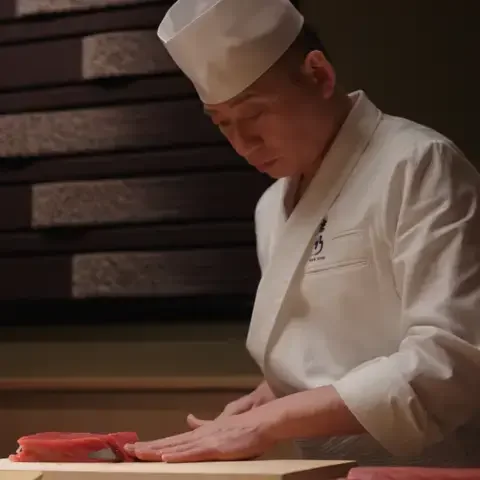
The turning point came in 2018, when a recruiter contacted him on LinkedIn and invited him to audition for a position at Sushi Ginza Onodera in Los Angeles. The audition lasted three days and exposed him to Michelin-level technique and standards. He learned more about knife work, fish cleaning, and fish anatomy in those three days than he had in years. “I won’t pass,” he told his wife at the time. “But I’m going to learn everything I can.” Contrary to his expectation, he did pass. He worked under Chef Yohei Matsuki for four years, during which the restaurant held two Michelin stars. The pressure shaped him: “Being a sushi chef is like being a professional athlete,” he says. “If you perform well your first year in the NFL and then you don’t perform as well the next year, you’re out.” That mindset stayed with him.
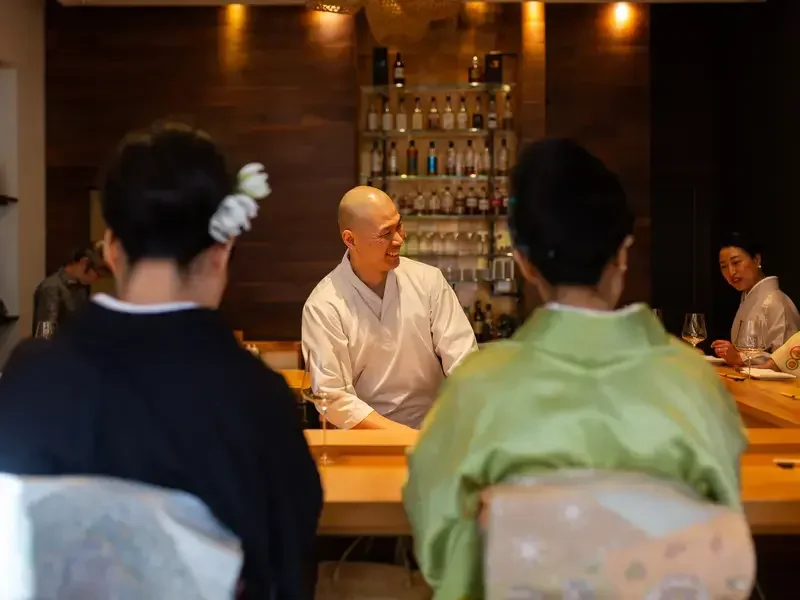
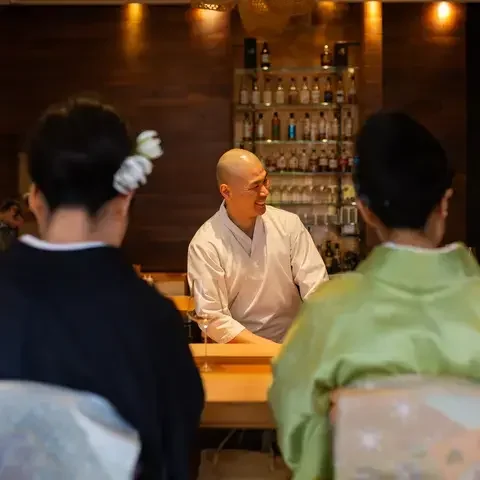
In 2022, restaurateurs Henry and Brandon Cohanim recruited him to Dallas to lead Namo. The restaurant’s evolution from a casual handroll bar to one of the city’s most respected sushi destinations coincided with his arrival. At Namo, Mabuchi applies the same discipline he learned at Onodera, expressed through rigorous sourcing, seasonal adjustments, and an exacting approach to rice and fish.
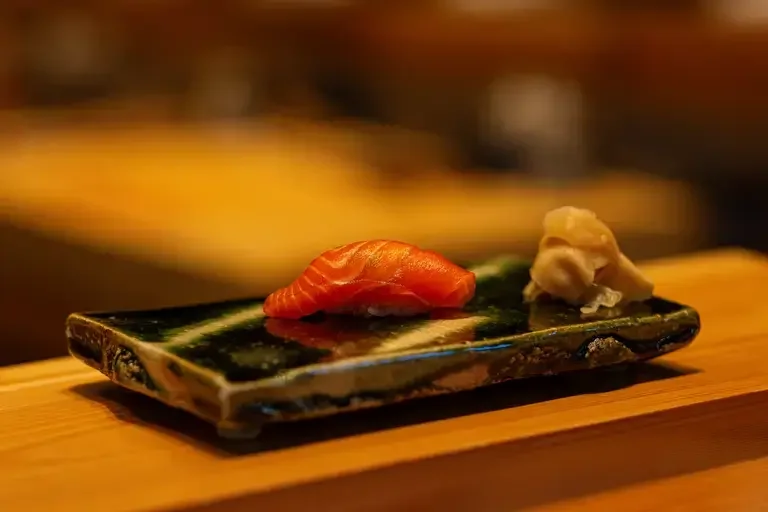
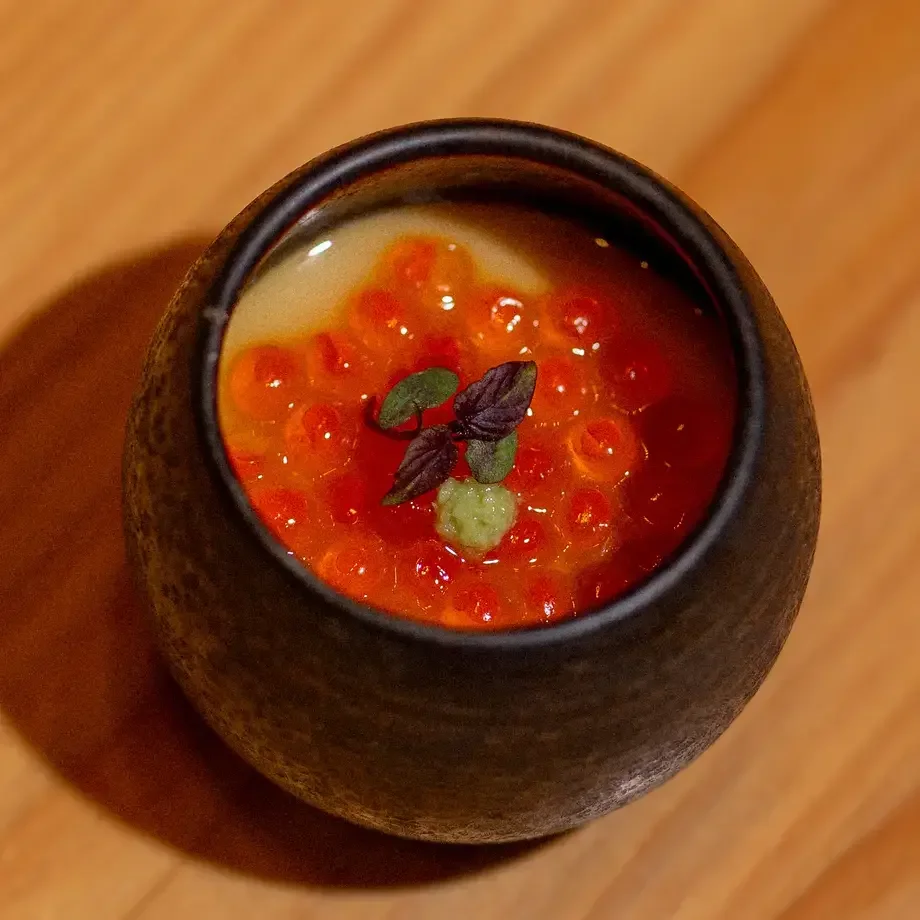
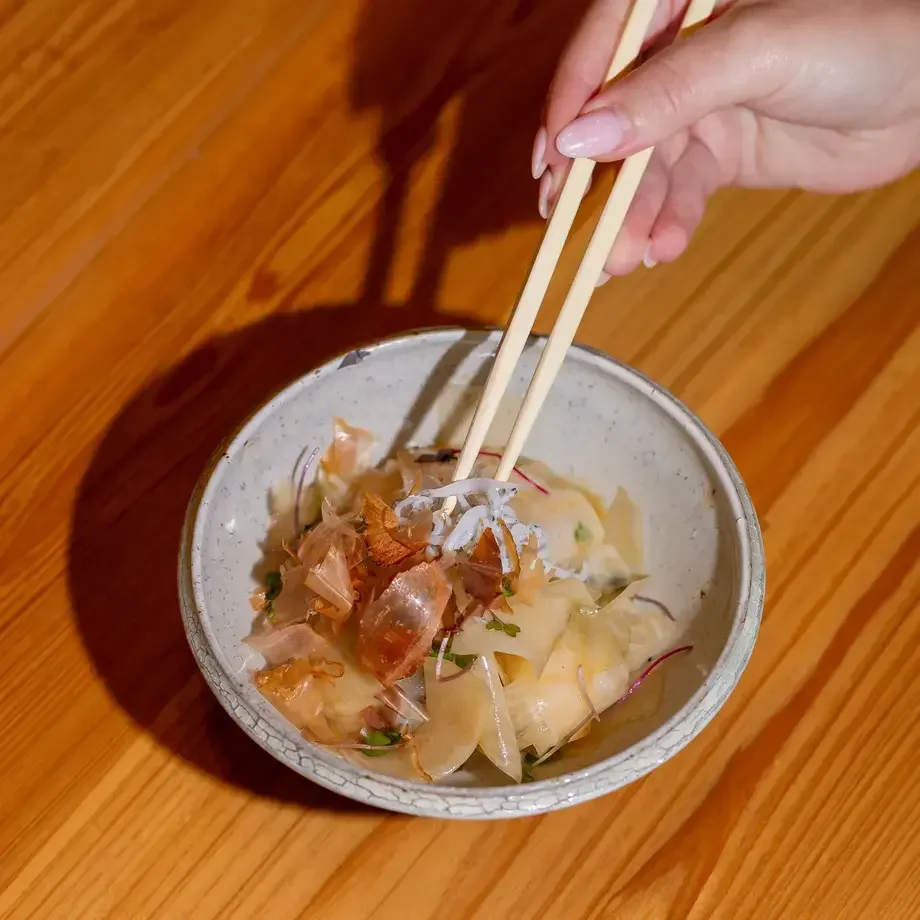
Namo’s seafood program reflects his commitment to micro-seasonality and specificity. He works directly with a buyer in Japan, specifying the species, weight, fat content, and ideal region of origin for each fish. Japanese micro-seasons shift every two weeks, and his selections change accordingly. He refuses to leave a fish unattended in the restaurant and evaluates every detail of handling, texture, and cut quality. The process is constant and deliberate, calibrated to ensure that each piece of fish is served at its best.
Rice receives the same level of attention. Considered “the most delicate part of the sushi,” according to Mabuchi, it is adjusted eight to ten times a year depending on harvest timing and water absorption. Before seasoning the rice with two red vinegars—one aged, one light—he adjusts soaking time and water ratios to achieve the right texture for each cut. A 40-gram Japanese black tiger prawn requires more rice; a thin slice of flounder or fluke needs less. Fatty cuts like toro demand lighter hand-pressing to preserve air between the grains. Every decision is specific and intentional.
For Mabuchi, fine dining isn’t about luxury; it’s about removing friction. “The food must be good. That’s first,” he says. “We also have to serve everything at the right time, at the right temperature, on the right plate. I don’t want a guest to feel any stress while dining in my restaurant. I never want guests to think they need their table wiped. It should be wiped. I don’t want a guest to need a water refill. The glass should be refilled before the need strikes.” The goal is hospitality that feels seamless, invisible, and complete.
Training the next generation is central to his work. In Japan, he explains, students may train under a sushi chef for five, ten, or even thirty years before opening their own restaurants. Guests trust those apprentices because they know where they trained. “That’s what I want for the chefs who work for me,” he says. “I train them on every detail—how to handle the fish, how to cut it, how to control temperature.” He wants them to have successful careers after they leave Namo, and he hopes to train someone to eventually take over so he can open another restaurant of his own.
Precision, patience, and philosophy run through all of it: the fish, the rice, the training, the hospitality. For Mabuchi, cooking is not performance. It is a system, a discipline, and, above all, a reflection of the person doing it. “That’s why you have to bring passion to your cooking,” he says. “Diners will taste it.”