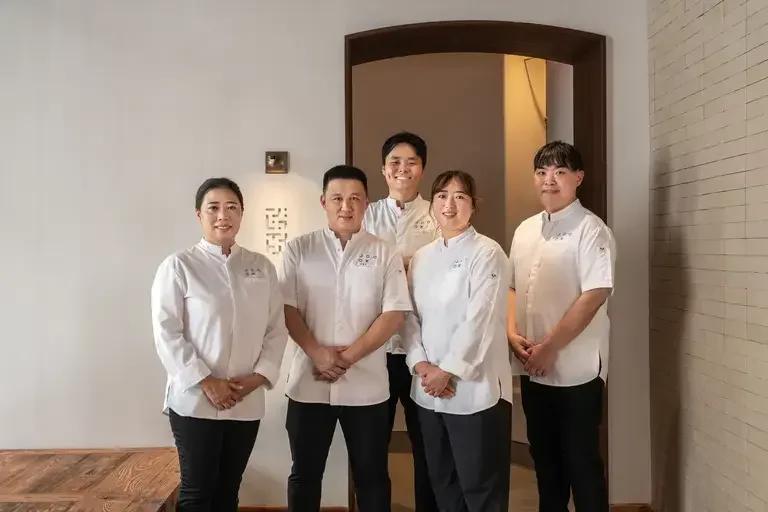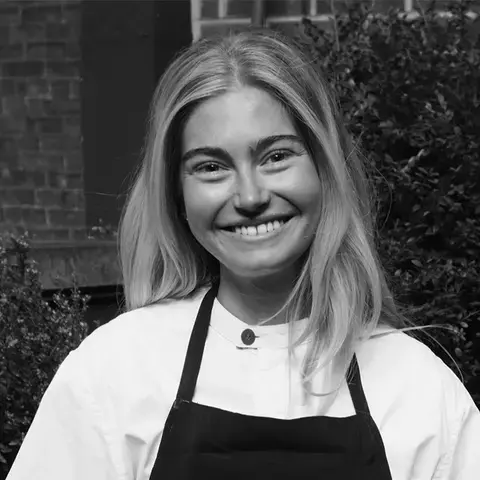
When Chef Chang-ho Shin decided to move his critically acclaimed, award-winning restaurant Joo Ok from Seoul to New York City, it raised a lot of questions. Would New Yorkers embrace the nuanced Korean cooking he had become known for? Where would he source the farm-fresh Korean vegetables central to his menu? Which members of his carefully built team would join him in Manhattan? And would he earn back the two Michelin stars that took him six years to achieve?
Shin first opened Joo Ok in Seoul in 2016, with a focus on growing and harvesting produce himself. As he tells it, he had dreamed of earning Michelin stars ever since he began cooking in 1998. In 2018, Joo Ok earned its first MICHELIN star. In 2022, it received a second. By the end of 2023, Shin had set his sights on New York City.
Shin and his core team, including general manager Jooyong Kim and sous chef Ben Park, quickly determined that operating two locations would make it difficult to maintain their standards in both places. They closed the restaurant in Seoul, and the three of them moved to New York alongside several other team members. In September 2024, Joo Ok opened inside an office building in Manhattan’s Koreatown.
“When I left Seoul and began Joo Ok in New York, it did not feel like simply opening a new restaurant,” said Shin through a translator over email. “There was a strong sense of responsibility. I had come here with a team, and there were many people who believed in what we were building.”
The transition wasn’t easy.
“I tried to approach each day with the same discipline I had in Korea,” Shin explained. “But there were many things to adapt to: a different environment, language, ingredients, and climate.”
As Shin and the team adjusted to life in New York, they also had to navigate opening a restaurant in an unfamiliar place while figuring out how to stand out in the crowded New York dining scene.
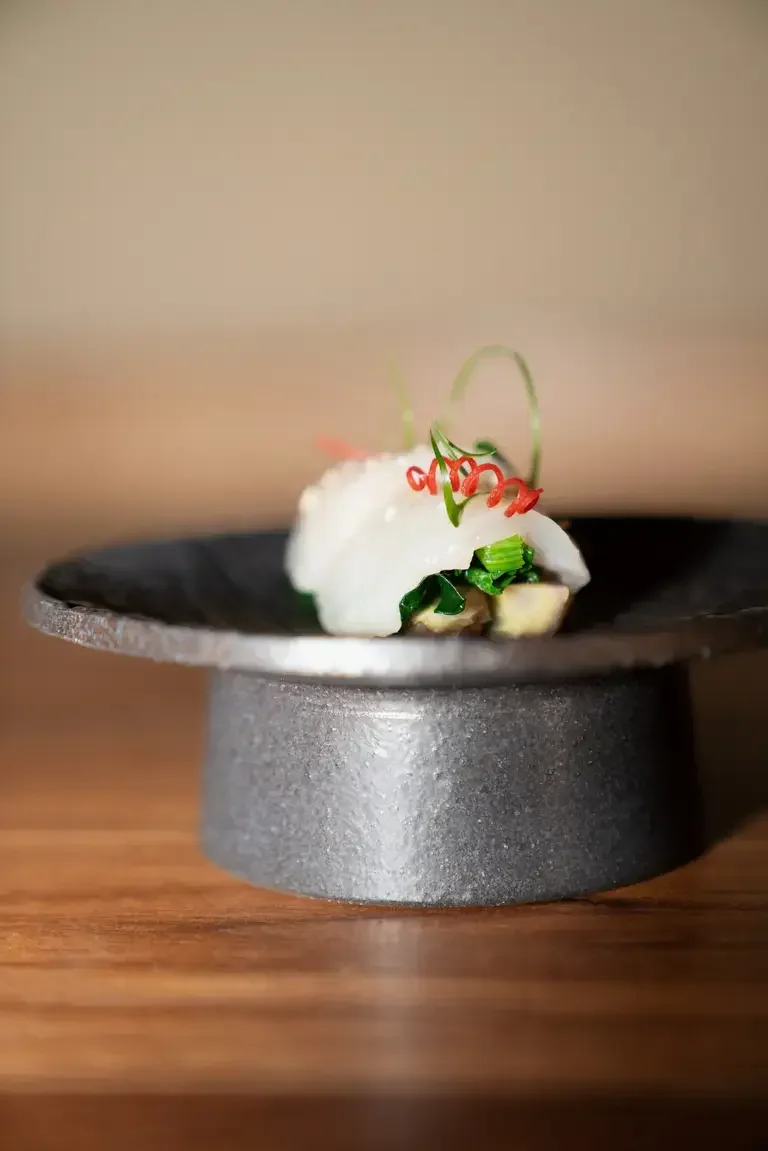
“I spent a lot of time thinking about what would make Joo Ok distinct here. That led me back to the fundamentals: working closely with the farm, growing ingredients, focusing on seasonality, and building dishes around carefully prepared jang,” said Shin. Jang refers to the fermented soybean pastes and sauces at the center of Korean cuisine.