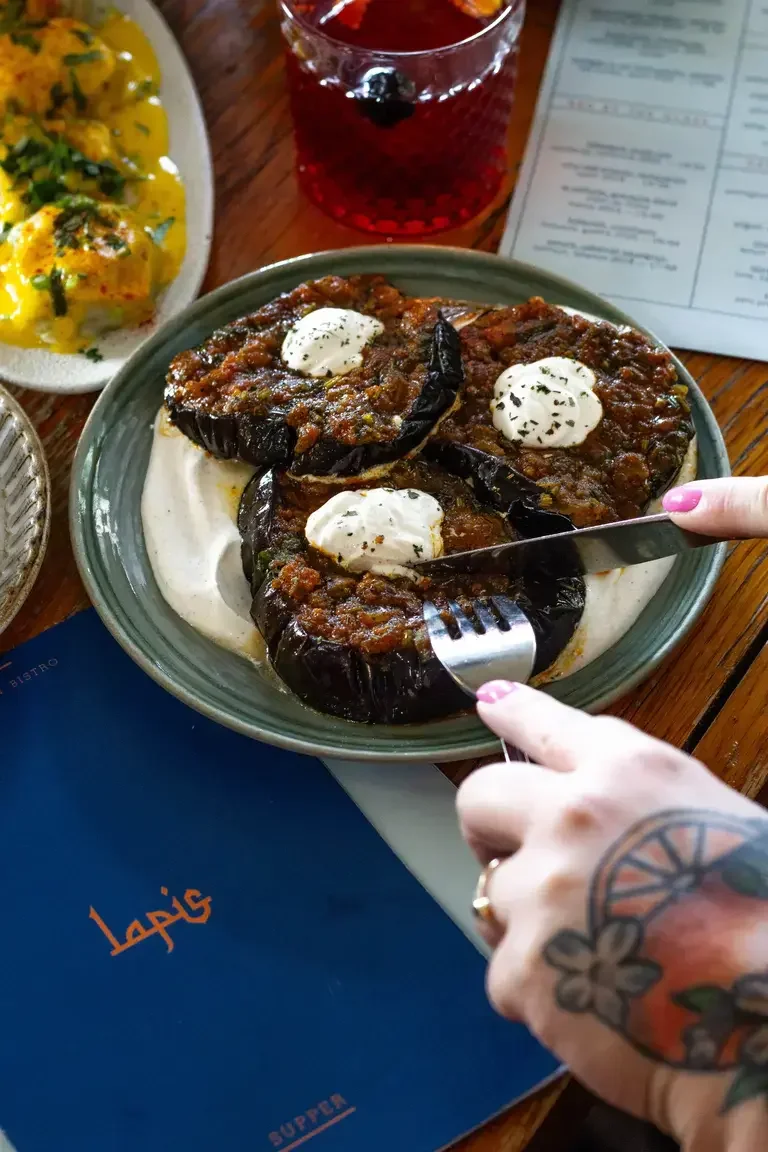
When the Popal family fled Afghanistan in the 1980s, they never could have imagined they would one day own four restaurants in Washington, D.C. Guided by hard work and entrepreneurial spirit, they’ve become a paragon of the American dream, opening their first restaurant, Café Bonaparte, in 2003, followed by Napoleon Bistro in 2007. A decade later, they flipped the French bistro into the modern Afghan restaurant Lapis, the first of its kind in the city—if not the entire country. “There was a risk since Afghan cuisine wasn’t widely represented at the time,” explains co-founder Omar Popal. “Our hope was that by presenting it in a modern, approachable way, people would embrace it.”
Diners quickly gravitated toward matriarch Shamim Popal’s menu, featuring bolani stuffed flatbreads, hearty dumplings, grilled meats, and Afghanistan’s national dish, qabuli palow, a rice pilaf with carrots, raisins, and boneless braised lamb. The menu cheekily describes vegetarian dishes as “Afghanistan’s best-kept secret because most people think we are meat-eating mountain people with large turbans (also true).”
Popal says his family feels like cultural ambassadors for Afghanistan. “Lapis has become more than a restaurant,” he says. “The food has become a vessel to share Afghanistan’s culture, history, and hospitality with D.C. Many guests have told us their perception of Afghanistan shifted after dining with us.”
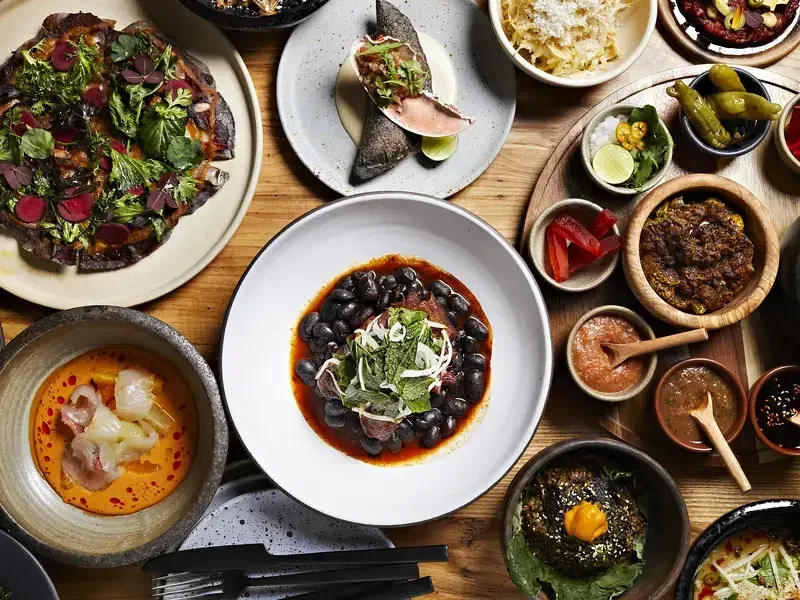
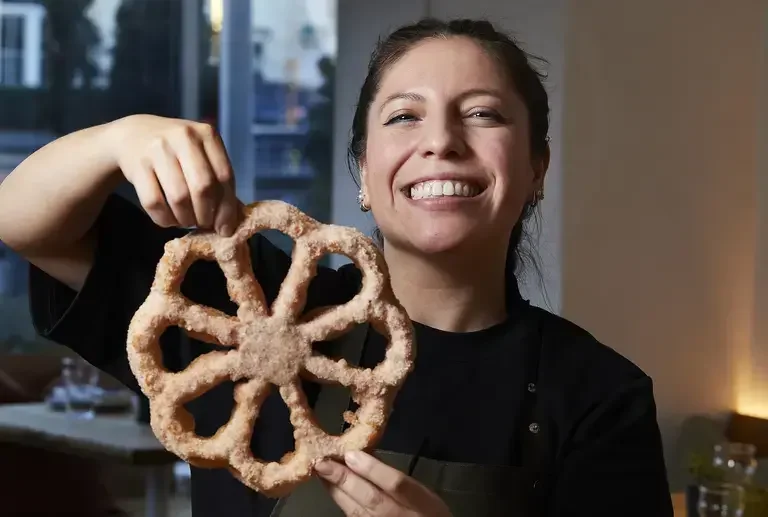
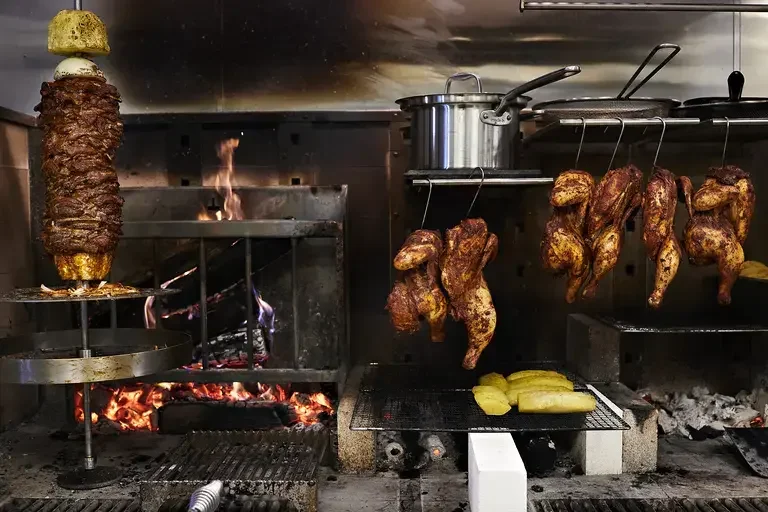
The Popals also partnered with fellow immigrant Isabel Coss to open Pascual in February 2024, an open-hearth modern Mexican restaurant named one of the country’s best new restaurants by Eater, Robb Report, The New York Times, and others. Originally from Mexico City, Coss began her culinary career as a bread baker at Pujol before moving to New York to work at Empellón, Agern, and Cosme as a pastry chef.
Coss says she found her voice in New York, surrounded by Mexican cooks and chefs who were pushing the boundaries of what Mexican food could look like outside their homeland. At Pascual, she channels that same energy, honoring tradition while surprising guests with inventive techniques and flavors, such as a crunchy chayote salad with Asian pears, sunflower seeds, and guajillo oil that has remained on the menu since opening.
“When someone sits down to eat, they’re not just eating,” Coss says. “They’re connecting with the hands and histories of the people who made their food. Restaurants show the richness that immigrants bring, and they foster empathy in a way few other things can.” She’s also collaborating with local farmers to grow specific Mexican chiles and herbs like hoja santa, which other restaurants and chefs now use as well. “We’re proud of how our work with local purveyors contributes to the city’s culinary scene in beautiful, creative ways.”