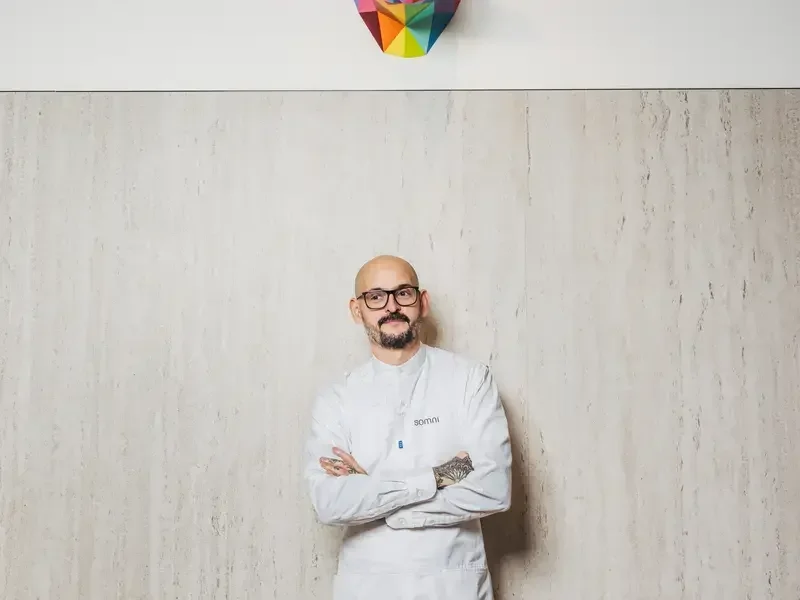
A Sustainable Vision at Somni
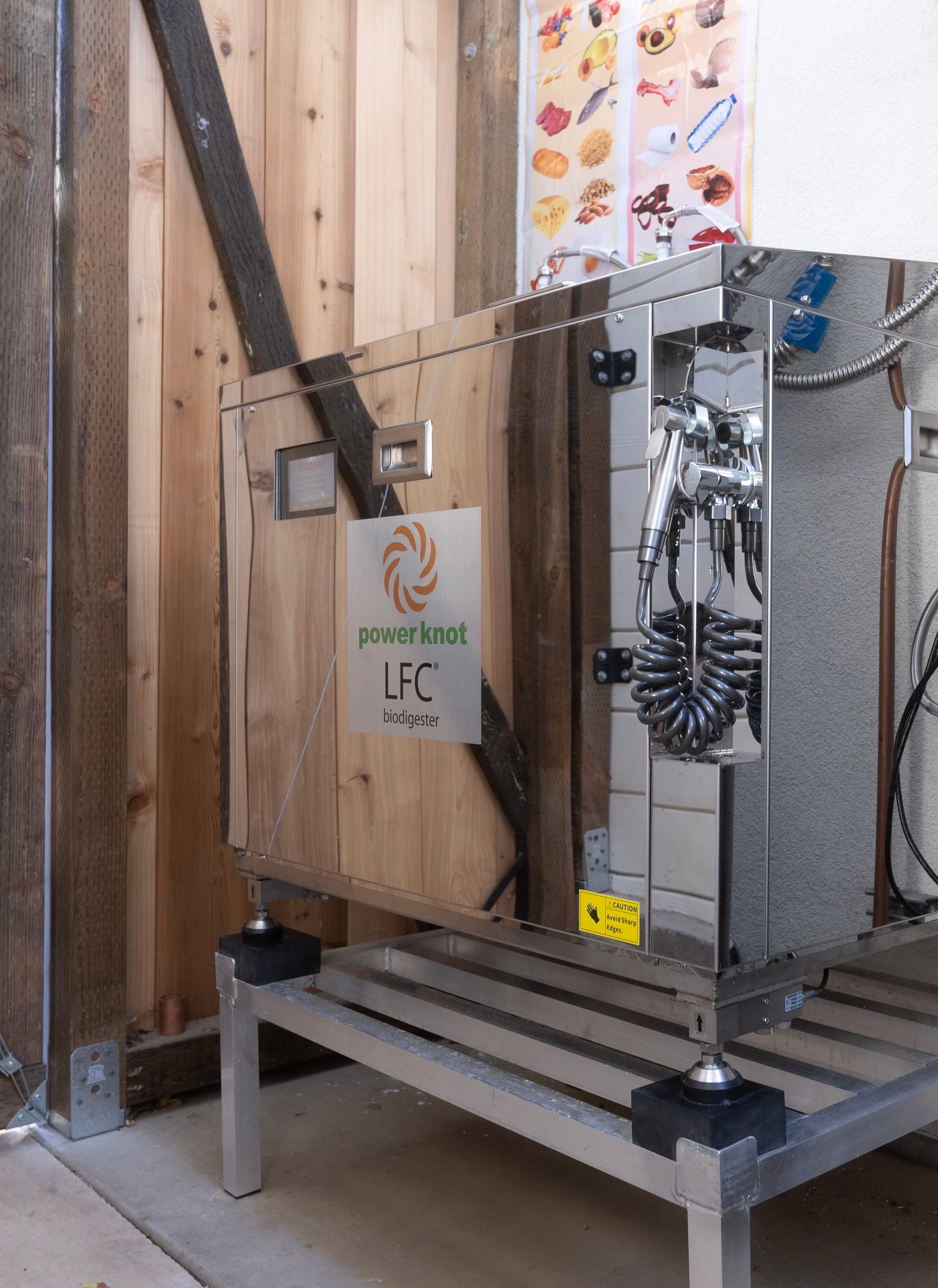
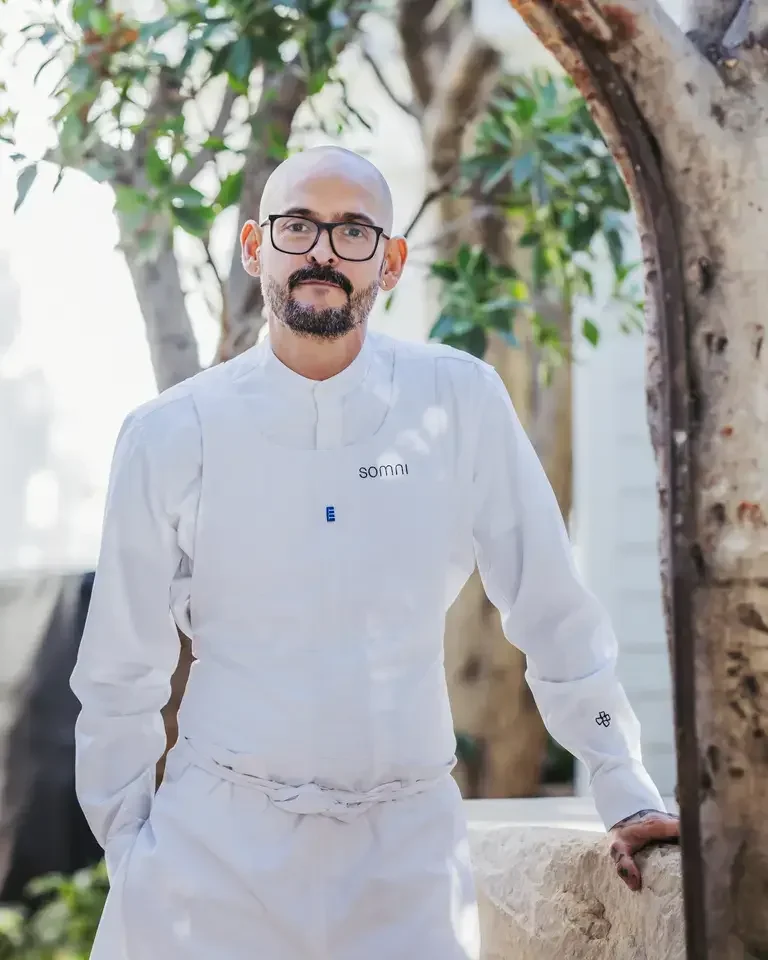
At Somni, chef Aitor Zabala’s new fine dining restaurant in West Hollywood, food waste is nearly nonexistent. Any scraps from prep—or the rare bite left on a diner’s plate—go straight into a stainless steel aerobic digester, where a proprietary blend of microorganisms breaks down the waste into water within 24 hours.
The machine, an LFC-50 from Silicon Valley–based company Power Knot, is part of a growing movement to reduce food waste at the source. Power Knot’s LFC (liquid food composter) has been in production since 2009 and is now used in more than 1,000 locations worldwide—including hospitals, cruise ships, hotels, prisons, and even U.S. military bases. Particularly popular in Europe, where waste separation is the norm, the LFC biodigester offers an on-site solution that prevents organic material from ending up in landfills and releasing methane into the atmosphere.
“As a young chef working in other kitchens, I saw firsthand how much food waste fine dining can generate,” Zabala says. “Trimmings, excess portions, and unused ingredients often ended up discarded. It made me think more about the disconnect—on one hand, we were working with incredible products, but on the other, there was always an opportunity to be more intentional in how we used them.”
From Scraps to Greywater
At Somni, Zabala minimizes waste through careful portioning and a commitment to using as much of every ingredient as possible. Yet some level of waste is inevitable when operating at the standards of fine dining.
“Minimizing waste isn’t just about sustainability,” he adds. “It’s also about craftsmanship. When we work with exceptional ingredients, we respect them by using them thoughtfully.”
That philosophy shows up in the menu design. Zabala’s turbot preparation, for instance, begins with the loins and bones used for one dish, followed by a second course made with the skin and ribs—an approach that reduces waste while enhancing the narrative of the meal.
Since opening in November 2024, Somni has processed more than 625 pounds of food waste through the digester—keeping nearly a ton of CO₂ out of the atmosphere. The process is relatively low maintenance: once active, the microorganisms continue feeding on a steady stream of organic matter. To activate the system, Zabala’s team combines dormant Powerzyme microorganisms with sugar and rice, then adds porous green Powerchips, which resemble chopped celery and provide a home for the microbes. Water and oxygen initiate the aerobic digestion. The only rule: don’t toss in anything too hot or cold, as extreme temperatures can kill the bacteria.