
Most of us would count ourselves lucky to benefit from the wisdom of even a single mentor. But mentorship takes many forms, from one lifelong guide to a series of figures, both ephemeral and enduring. On rare occasions, it can even manifest in an institution, such as a restaurant, that imparts everything a mentor does, without the emphasis on or direct input from a single person.
In this second installment of our three-part series, we examine each of those iterations.
The Classical Model: One Mentor, One Bond
Most people’s default idea of a mentor is a single consigliere into whose orbit an aspiring chef drifts. The elder takes a special interest in the youngster, and a bond forms that endures for years after the term of employment concludes, possibly for life.
A few passing examples of this model are featured in Part 1 of this series.
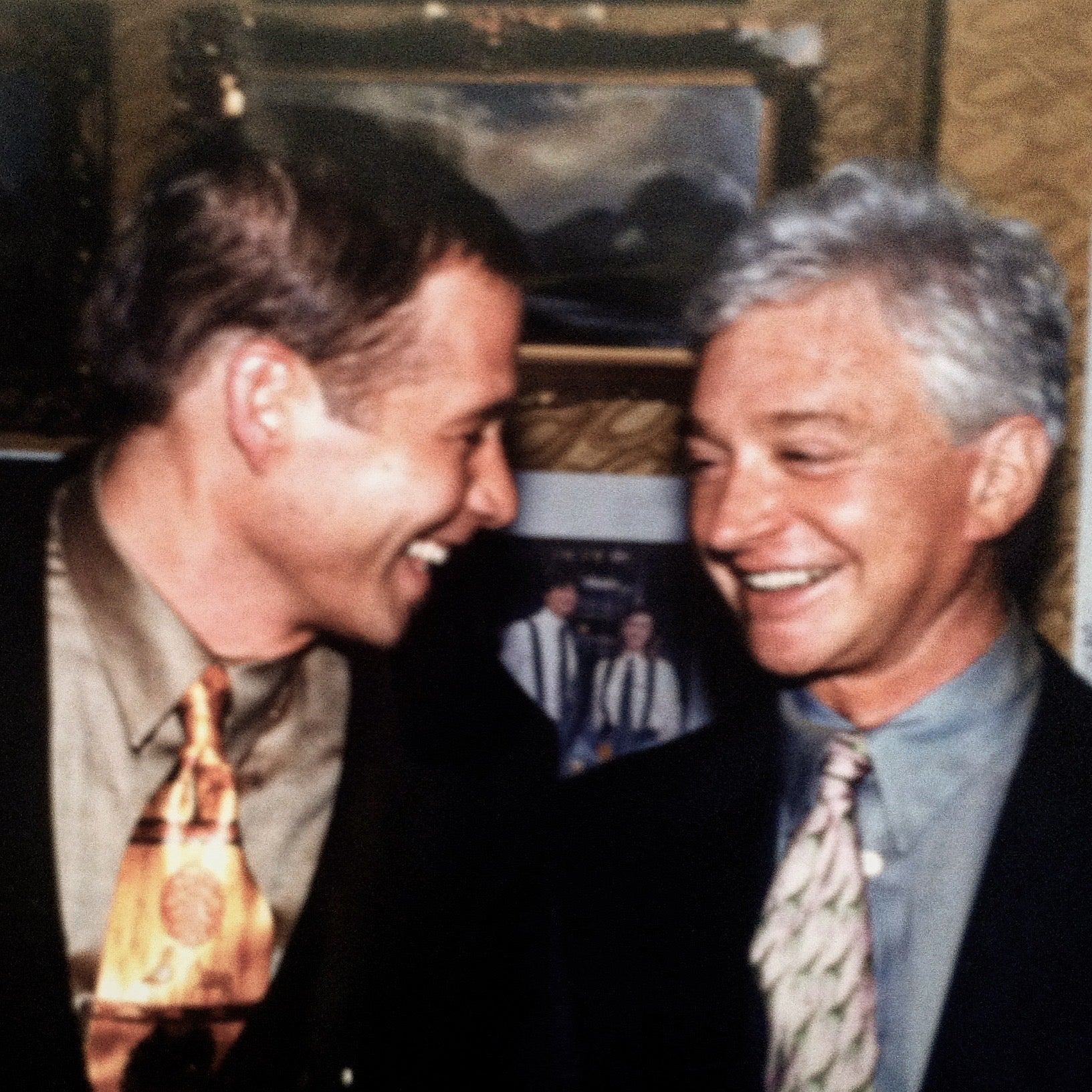
Now, let’s dig deeper into a case study that showcases the many facets of this tradition: Wylie Dufresne, the inventive chef-owner of past restaurants such as 71 Clinton Fresh Foods and wd~50, and Jean-Georges Vongerichten, the prolific chef behind dozens of restaurants including Jean-Georges, Four Twenty Five, and the Tin Building culinary center in lower Manhattan.
Dufresne came up in the 1980s and had the opportunity to work for some of the Mount Rushmore figures who helped define modern restaurant food. He worked for a time with the late Jean-Louis Palladin and spent two years under Alfred Portale at Gotham Bar and Grill and the short-lived One Fifth Avenue.
Dufresne recalls those jobs and employers fondly. But he says that one relationship rises to the level of mentorship: the one he has enjoyed with Vongerichten for several decades.
“For me it’s Jean-Georges, without question,” says Dufresne.
Dufresne spent approximately five years in Jean-Georges’ employ, all of it, to use his word, fabulous.
As a young line cook, Dufresne was an avid collector and reader of cookbooks, as well as a devotee of French food. Vongerichten’s inaugural book, Simple Cuisine, staggered him.
“I was completely blown away by it and the idea of taking French food and seeing it through a slightly different lens,” says Dufresne. “He’s done a tremendous amount, introducing people to different flavors, helping us understand the differences in acidity. The juices, the oils. Taking heavy stocks and lightening them up. Introducing all those herb oils. Twisting French food on its head. I still think it’s groundbreaking. There are so many people standing on his shoulders who are unaware of it.”
Dufresne dropped his resume off at JoJo, the chef’s first restaurant as an owner, and at Jean-Georges. He later realized he’d misspelled Vongerichten’s name but relentlessly followed up until he was given an at-bat.
“I got hired and I loved every minute of it at JoJo,” he says. “I still think of it as a highlight of my career.”
He went on to be a member of the opening team at Jean-Georges, occasionally helped out at Vong, and then headed to Las Vegas to help another Vongerichten protégé, the late Kerry Simon, open Vongerichten’s steak restaurant at the Bellagio.
“I loved it all, and learned a tremendous amount,” says Dufresne of that half-decade.
In addition to the invaluable experience and training that everyone who worked in the chef’s restaurants received, not to mention absorbing his instinct for herb oils and the deployment of acids, Dufresne especially appreciated the bespoke coaching Vongerichten provided him, teaching him the intricacies of butchering a chicken for stew or trussing a whole bird for roasting.
While Jean-Georges was in the final stages of construction, Vongerichten arranged a stage for Dufresne in France with Marc Meneau.
Years later, when Dufresne solicited Vongerichten’s suggestions for possible investors for wd~50, he said, “Phil and I will do it,” referring to his business partner Phil Suarez.
The involvement of one of the country’s most acclaimed toques helped secure the necessary loan to build out and launch the restaurant.
“That’s a miraculous story,” says a quasi-disbelieving Dufresne today. “It’s not something he did for a lot of other people. To this day, not sure how or why he did that.”