Americans have long been intrigued by Japanese culture and everything it encompasses—cuisine included. Sushi, omakase, and ramen may have historically whetted Western palates, but the growing interest in Japan as a travel destination, combined with mainstream obsession over ingredient sourcing and the zero-waste movement, has helped fuel today’s seemingly insatiable craving for Japanese cuisine.
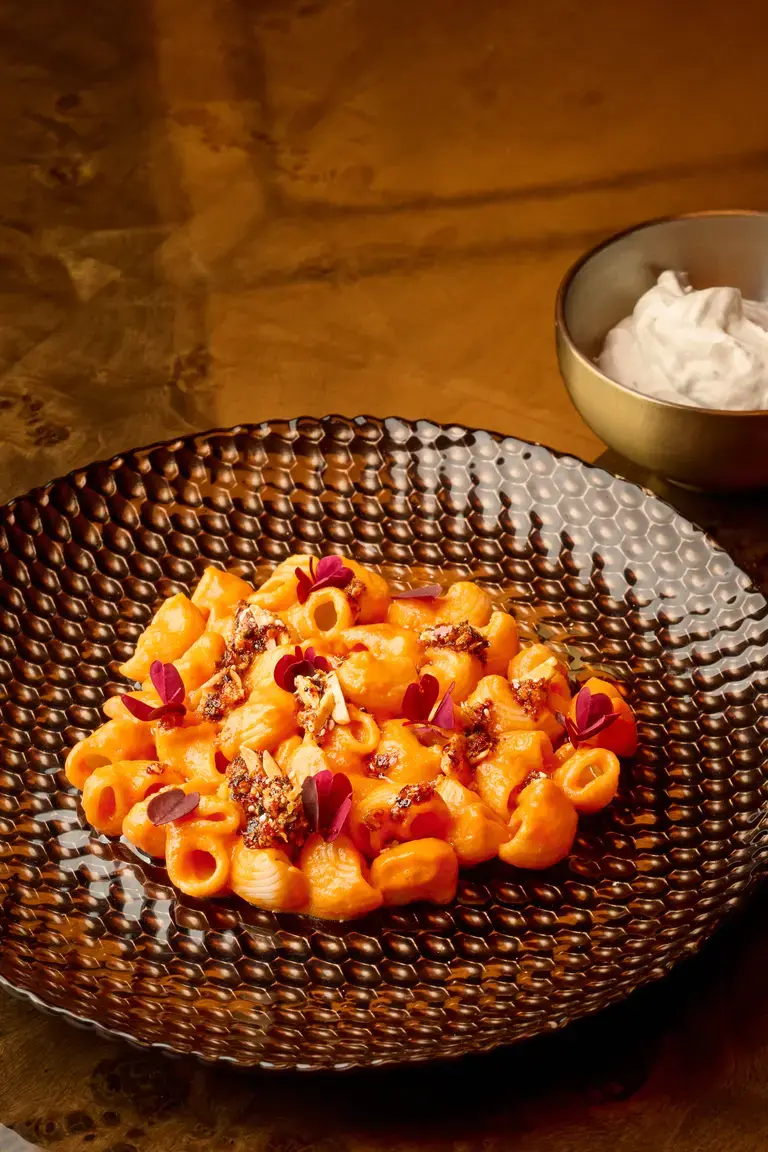
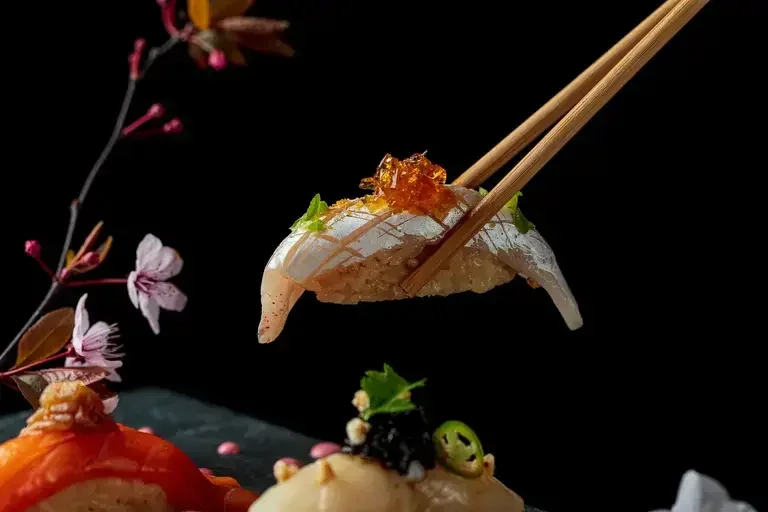
“Japanese cuisine has an incredible way of honoring purity, balance, and precision,” says Bradley Kilgore, chef-owner of ama in San Francisco. Kilgore opened the itameshi (Italian–Japanese) restaurant in September after years of incorporating Japanese ingredients into his European-style cooking. Take his Lumache Diavolo, a playful twist on the lobster classic, with a creamy vodka pomodoro sauce spiked with Italian and Japanese chilies and finished with red yuzu kosho. Or his bluefin tuna carpaccio on crispy sushi rice with Calabrian chilies and ‘nduja, a riff on spicy tuna.
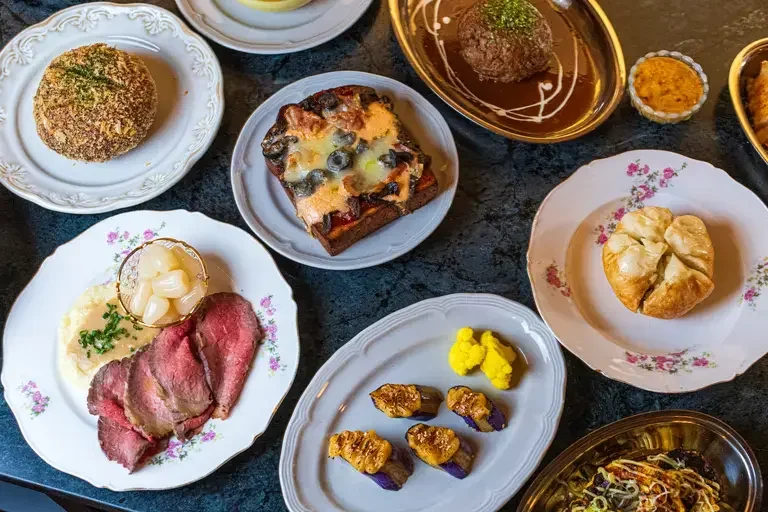
“Once you’ve eaten in Japan, your standards change,” says Mike Bagale, executive chef at Sip & Guzzle in New York City, which opened in 2024. “Japanese cuisine is ingredient-driven, disciplined, and deeply sensory,” he adds, a philosophy that aligns with the modern American diner’s evolving curiosity. Bagale would know: Sip & Guzzle is a hybrid Japanese–American concept where he pairs Parmigiano Reggiano with dashi soy to amplify umami and foie gras with pickled strawberries on shokupan with toasted nori.