Sorry, you need to enable JavaScript to visit this website.
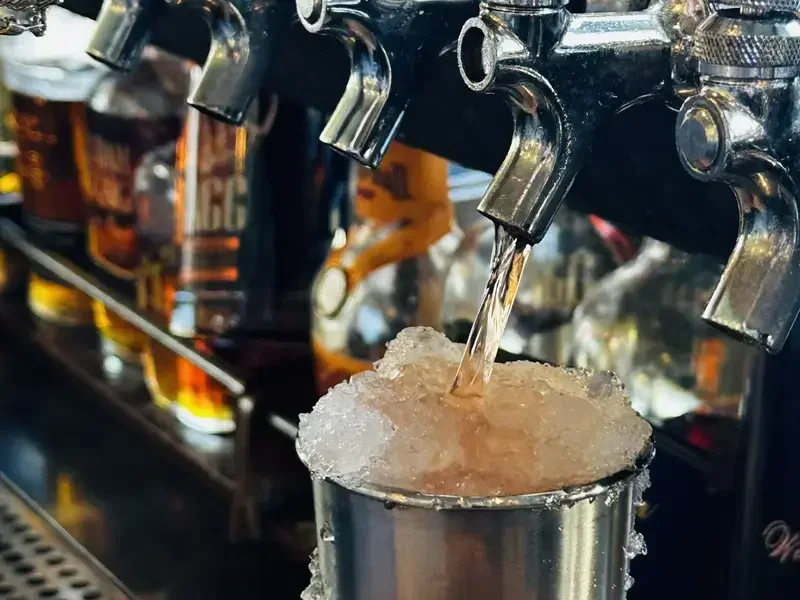
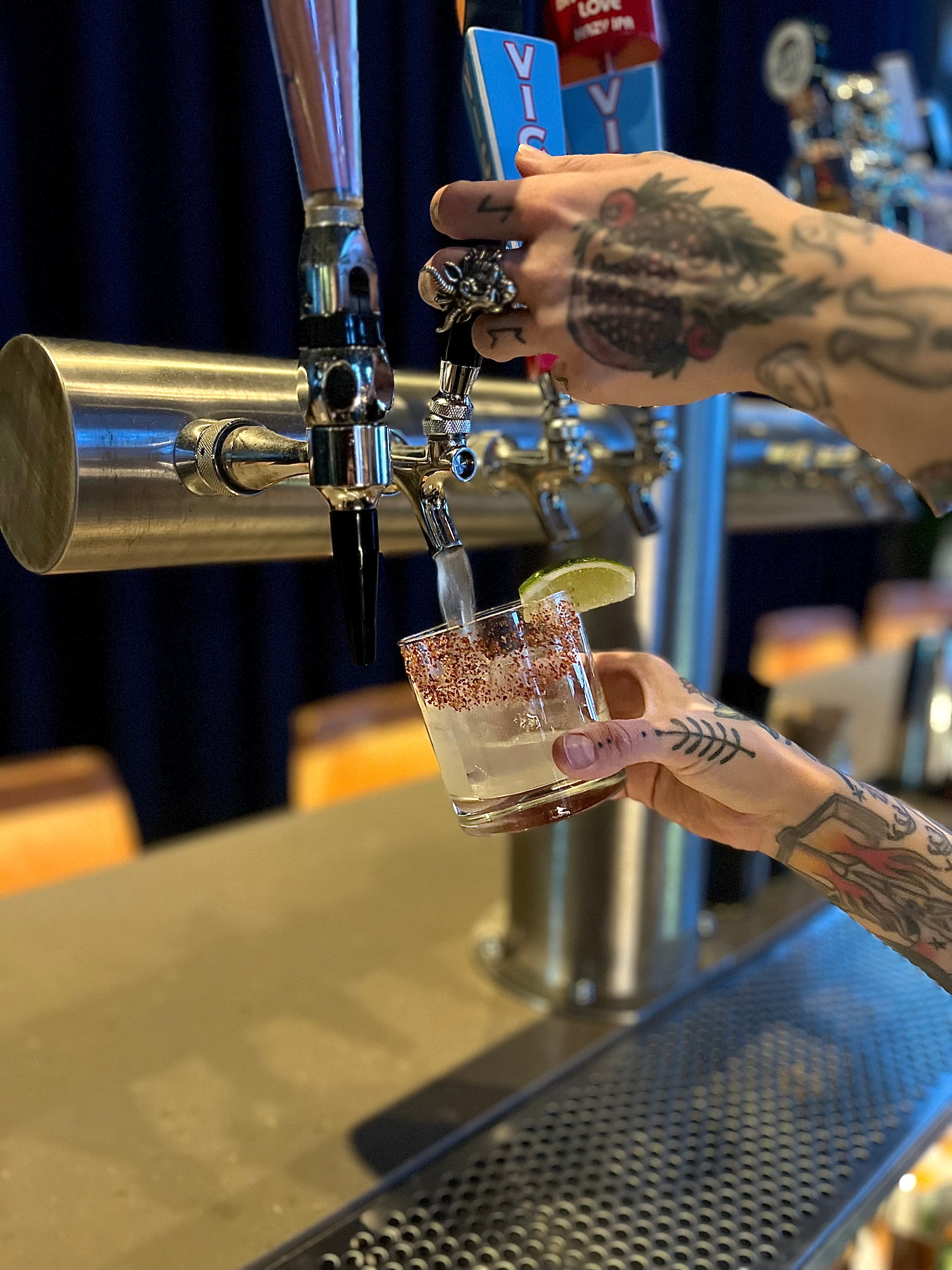
Draft Cocktails at The Falls

Draft Cocktails at The Falls. Credit: The Falls

The Rise of the Draft Cocktail

8 Minute read

As cocktail sales outpace beer, some restaurants are replacing draft beer lines with batched craft cocktails.

It’s a familiar tension. Bar and restaurant guests want high-quality drinks, but they want them fast. At the bar, that pressure is amplified. “Guests want cocktails quickly, but they also expect them to taste the same every time,” explains Will Murphy, general manager at The Falls in Virginia.

As service expectations continue to accelerate, the industry has landed on a practical solution: draft cocktails.

Paired with declining draft beer sales, the efficiency and consistency of batched cocktails has led to their appearance on more bar menus across the country.

When The Falls opened in 2023, the team added a seasonal margarita to the draft lineup and repurposed “several” beer lines after the batched cocktail proved successful. In 2018, Dennis Garcia, beverage director at Selva in Washington, DC, began pouring traditional Puerto Rican Coquito on tap. During the early days of reopening after COVID, bartender Thi Nguyen of Moon Rabbit in Washington, DC, introduced the restaurant’s first draft cocktail, a seasonal lychee highball designed to be low-ABV, bright, and refreshing. In 2022, Elizabeth Boleslavsky, co-owner and bar manager at Fringe Bar in Philadelphia, opened with an espresso martini on draft.

“I see them as a part of the change of cocktail culture. If they are done right, draft cocktails can feel intentional,” says Nguyen.

Evolving Mixology

The origins of draft cocktails trace back to the early 2010s, when wine started appearing on tap at restaurants. There was an air of convenience, fueled by the rising popularity of ready-to-drink beverages and canned cocktails, that left consumers seeking a quick way to quench their thirst.

“What began as a niche solution for efficiency gradually became more mainstream, especially as guest expectations around cocktails continued to rise,” shares Murphy. Draft cocktails then gained momentum as venues realized they not only satisfied consumers but were advantageous to their business, improving speed of service, reducing waste, and maintaining quality even during the busiest times.

As draft cocktails have gained popularity, imbibers may appreciate them even more because they are no longer limited to the classics. “There is an art in designing a draft cocktail, from recipe development to testing a drink’s stability,” says Nguyen. This shift does not diminish the craft but instead changes where the craft happens. “Instead of making one drink at a time, you’re engineering a cocktail that tastes perfect at scale, dialing in dilution, stability, and balance,” adds Murphy.
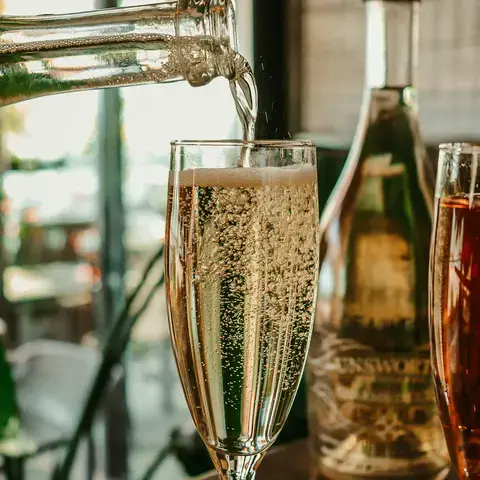
Draft Cocktails at Fringe Bar

Draft Cocktails at Fringe Bar. Credit: Fringe Bar

Demand and Economics

Beer sales have been in decline in recent years. In October 2025, the Beer Institute reported that eight of the first ten months of the year saw year-over-year losses, with domestic brewers removing millions of barrels from circulation. In October alone, that figure reached 11 million barrels.

As cocktail sales began outpacing certain beer styles by a wide margin, Murphy explains, it made sense to repurpose a few lines for draft cocktails, which generate “a significantly higher return per pour than slower-moving beer lines.”

Repurposing the Lines

The swap from brews to batched cocktails was not as simple as hooking up a keg to a spirit-forward drink. The lines were fully cleaned, and the gas blend needed to be adjusted. This process offers a key benefit, as pressurized lines help ensure no loss of flavor. One challenge of the swap is ongoing maintenance. Craft cocktail lines require more attention to prevent buildup from ingredients like sugar and citrus.

“There are certain ingredients you learn not to work with, like blueberries because they’re high in pectin and clog the lines, or adding bitters in a keg because they blossom,” says Petra Manchina, bartender at Ashton Cigar Bar in Philadelphia.

Not Every Cocktail Is Draft-Worthy

As beneficial as draft cocktails have proved, bartenders caution that not every cocktail belongs on draft. From ingredient choice to serving temperature to dilution rate, there are multiple factors to consider when designing tap offerings. “Perfect dilution rate and chill are so important in a cocktail, and while dilution rate can be calculated backward, temperature is hard to control when everything lives in the same walk-in,” says Boleslavsky, who now only serves draft cocktails over ice.

Another drawback is the limited room for adjustment. “There’s less flexibility if a guest wants modifications, such as less sweetness or more spice,” says Garcia. This reality favors batching cocktails that are more universal in style and balance.

Finally, some cocktails are meant to be crafted à la minute, with a human touch. Bars and restaurants can strike this balance by offering a mix of high-volume classics on draft while reserving technique-driven cocktails for the made-to-order portion of the menu.

Spread the flavor - share this story.

Join the community
Badge
Join us for unlimited access to the very best of Fine Dining Lovers
Unlock all our articles
Badge
Continue reading and access all our exclusive stories by registering now.

Already a member? LOG IN