Before Honeysuckle, Jamaar began working in fermentation eight years ago by making kombucha, fresh out of college. “Kombucha was the kickstarter,” he said. Even after growing his business to supply kombucha to several Philadelphia restaurants, he never saw a long-term future as a kombucha producer. He did, however, see it as a way to imprint his own story on a beverage. “My Citywide kombucha was made of sorrel, lemongrass, and ginger. Sorrel is Jamaican hibiscus and this was my way of putting my stamp on kombucha.”
“I grew up drinking ginger beer, but not as a fermented product. It was a soda that was force carbonated. But now I’m making a house ginger beer naturally. This excited me and I felt like I was finding parts of myself through all these things, that later I figured out were all tied together by fermentation,” he said.
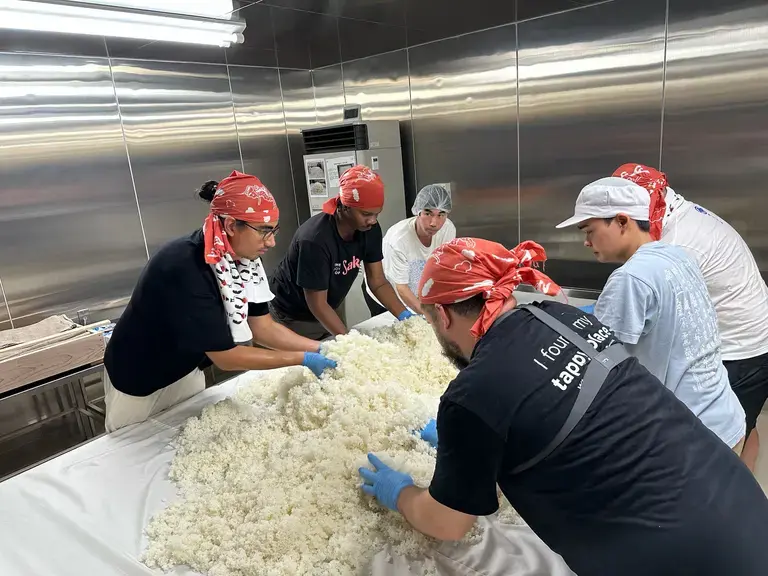
He began experimenting with other ferments and parlayed that knowledge into making the pea-sos, misos, and shoyus that sustain Honeysuckle’s core pantry of flavors and feed into the cocktail program. Those ferments, along with making koji, eventually led him to sake.
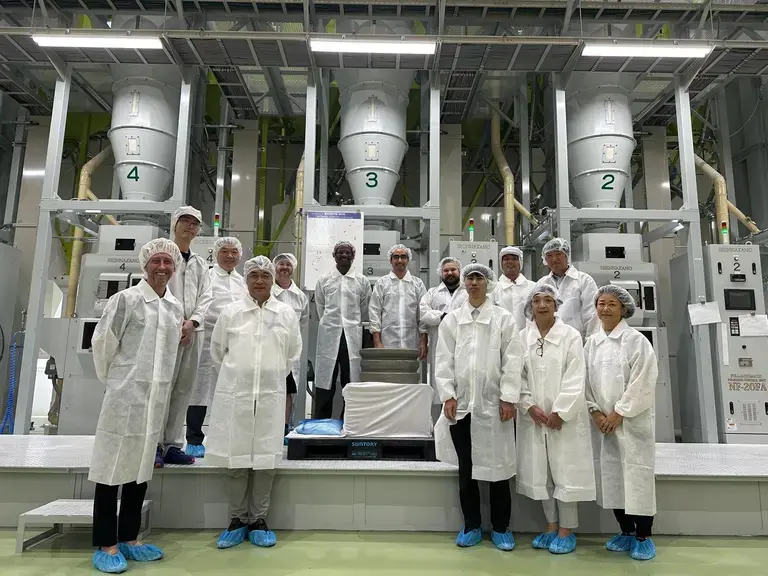
Julal may be the first formally trained Jamaican American sake brewer. He isn’t entirely certain, and if he’s not, “I’d love to meet any others,” he laughed. “Finishing the trip and getting certified, it made me really emotional. I realized I had never heard of an African American doing this program, so I started searching on Google.” His search turned up no others. The program further strengthened his determination to make sake more accessible and approachable.
“Most people think you should only drink sake with sushi or ramen, which is limiting for the whole market. But just like with wine, you can find the right pairings [with food],” he said. Honeysuckle serves neither sushi nor ramen. While producing enough sake to pair with Honeysuckle’s tasting menus remains in the future, Julal has been sharing his brews with guests, showing that “You can drink and enjoy sake with this Southern American or Caribbean dish.”
His sake does not replicate what is being made in Japan. “My sake is going to inherently be different from any other sake. The water here is different. The rice is different. The environment is different. Maybe not the yeast, but it’s affecting grains and water in a different way. And mine has a bolder flavor.” He is also unrestrained, not needing the specific and limited sake-brewing license that regulates craft sake brewers in Japan.
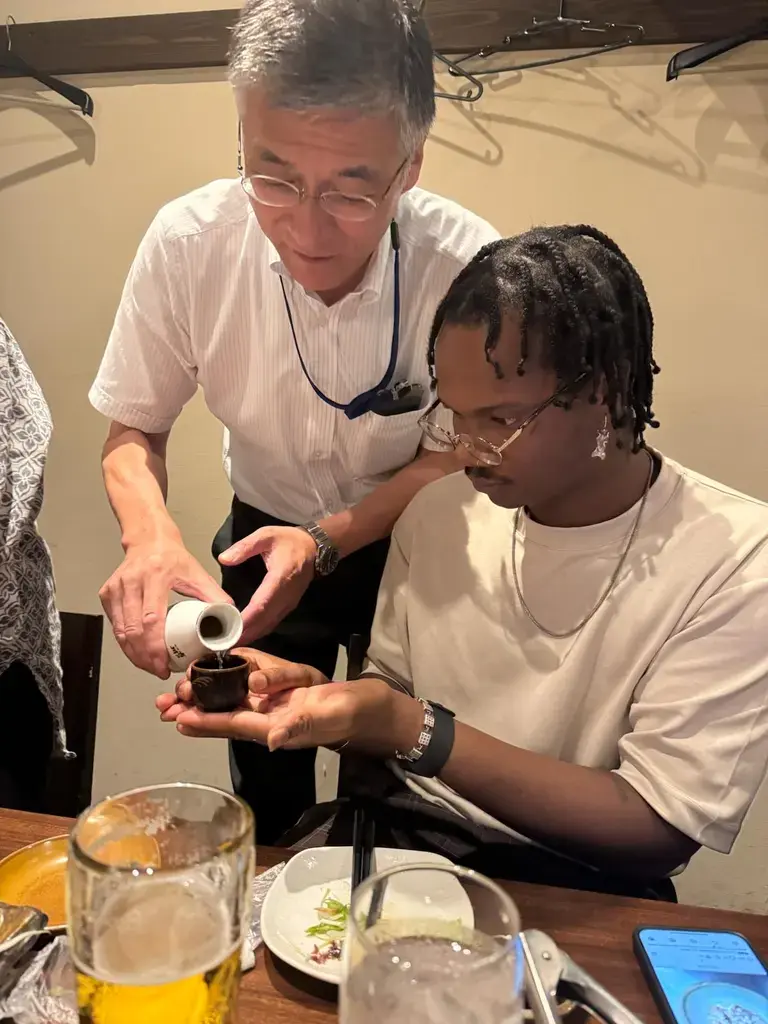
When Julal brought bottles of his Carolina Gold bodaimoto to Japan, several travel mishaps and incidents of lost luggage intervened. The golden liquid he bottled in Philadelphia was not quite so cheesy when it went into the bottle, but after days of uncontrolled temperatures in baggage holds, it tasted much funkier than he intended when he cracked it open in Japan.
He still shared it with fellow craft brewers and restaurateurs, and it drew enough interest that he received offers to have it sold in Japan. He is not there yet, still brewing only about five gallons at a time. “They were saying, ‘this is crazy,’ and ‘I’ve never had anything like this before,’” he said.
“Over the years, I’ve gotten to this point where making sake, miso, and shoyu feels like second nature, working with something that cooks itself.” He paused. “I don’t really make any of these things. I just put them together for the yeast to do what it does all the time.”