Eid al-Fitr marks the end of Ramadan, the month-long fast observed by Muslims around the world, and is the first of the two major Islamic holidays, marked by feasts, family gatherings, and gift-giving.
Breaking the fast is a central part of the celebration, but it is also a chance to recognize all the holy month represents. “Ramadan is a time of reflection, self accountability and a reminder for gratefulness of the blessings, safety and sustenance we get to enjoy every day in our lives,” says Zubair Mohajir, founder and executive chef of a half dozen concepts, including Lilac Tiger in Chicago.
Born in Chennai, India, Chef Mohajir was raised in Doha, Qatar, before relocating to Chicago in the late 1990s. He has since become accustomed to celebrating Eid al-Fitr in the United States, but still recalls the poignancy of observing the holiday during his childhood. “There is something extra special about hearing the Adhan (call to prayer) on a loudspeaker in the neighborhood,” he says. “It is even described by non-Muslims as one of the most majestic things they’ve ever heard.”
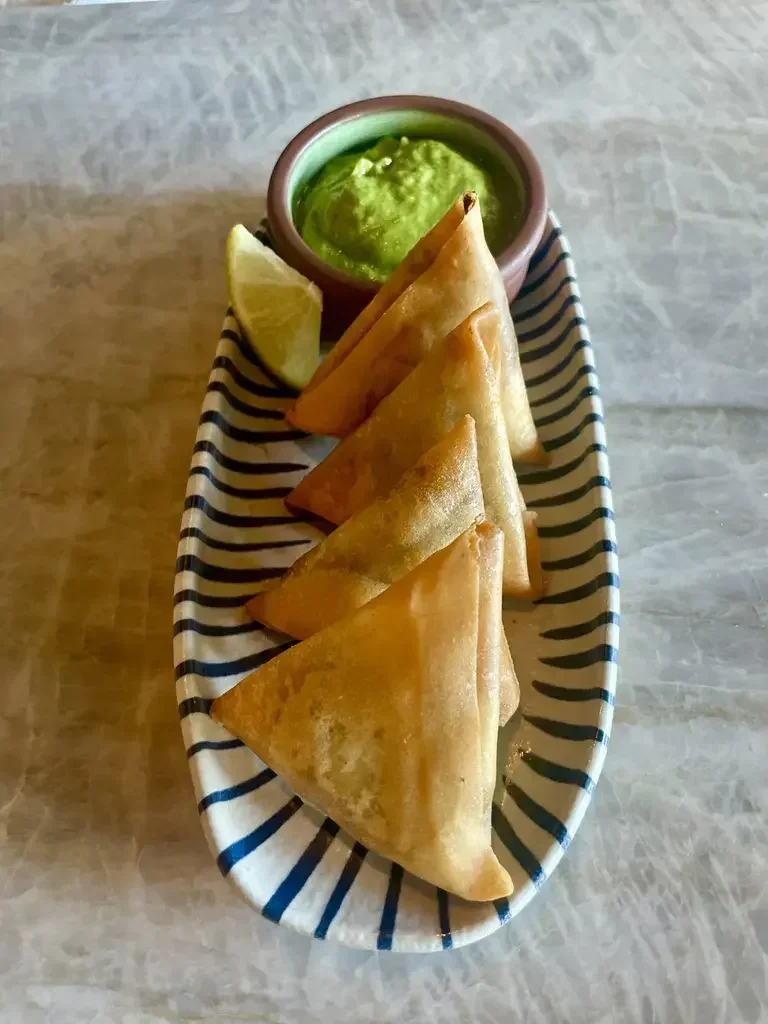
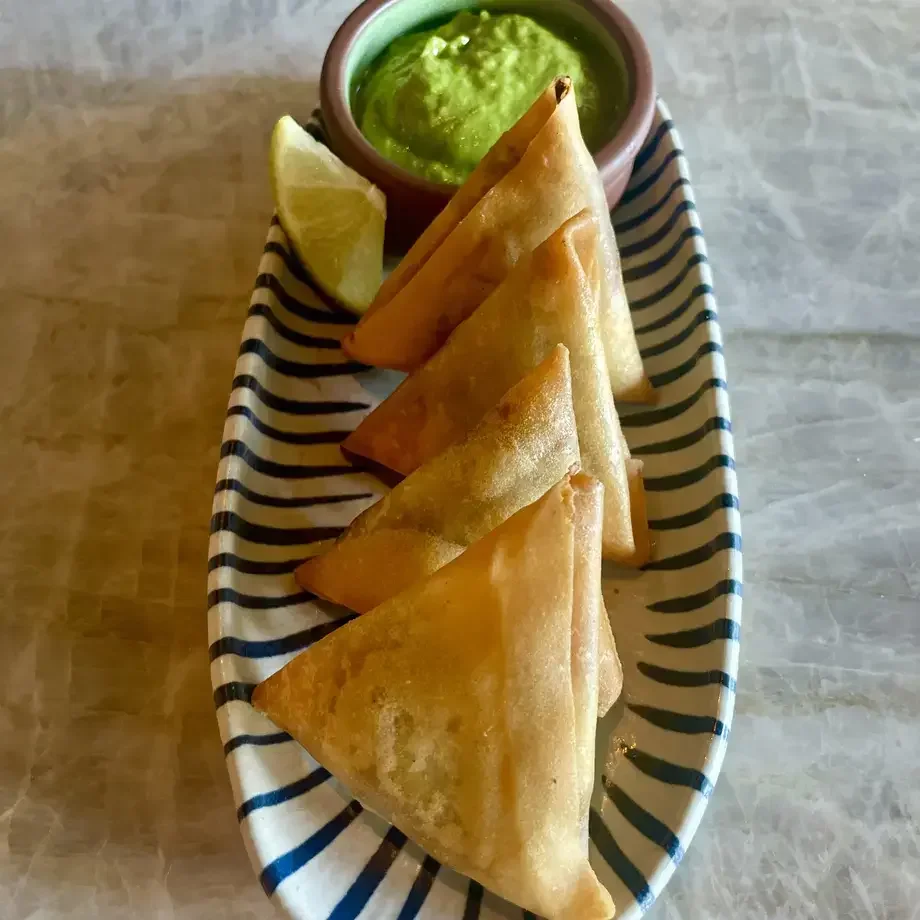
Whether celebrating with extended family abroad or in Chicago, Mohajir explains that every Eid gathering varies depending on which family hosts it. Still, a combination of samosas and biryani remains common. The samosa, for example, “is a legend,” says Mohajir. “No iftar is complete without breaking a fast with something crispy, seasoned and satisfying.”
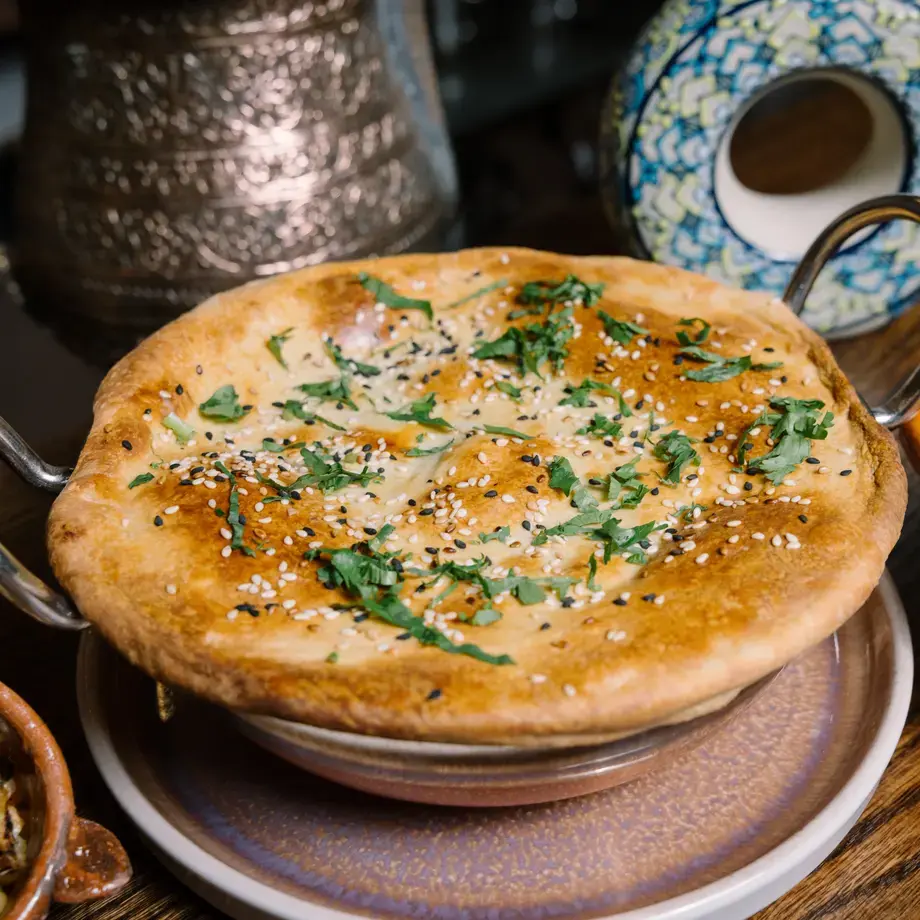
Meanwhile, biryani has long been reserved for special occasions. “A celebration powered by a 1600-plus-year-old tradition brought to the South Asian subcontinent by Persians,” explains Mohajir. “We’ve made it our own now, with every state or ethnic community having a version of biryani.” The Ambur biryani Mohajir turns to for Eid al-Fitr is a chili-forward version, easily recognized by its red hue from the chilies used to make the yakni, or sauce base.
The perfect counter to the heat is talbina, a soothing drink made from simmered barley. “The texture is cooling and milky but light at the same time powered by antioxidants, minerals and fiber,” says Mohajir. “It is a must have at the end of a day of fasting and also carries its origins all the way back to the time of Prophet Muhammad.”
As you dig into his recipes, Mohajir hopes you remember the symbolism behind the holiday: “we all need to be reminded of our humanity and Ramadan is a month that signifies standing for justice and equality for us all.”