This year, Passover begins on April 1, marking the start of the eight-day Jewish festival centered on freedom, family, and, of course, food.
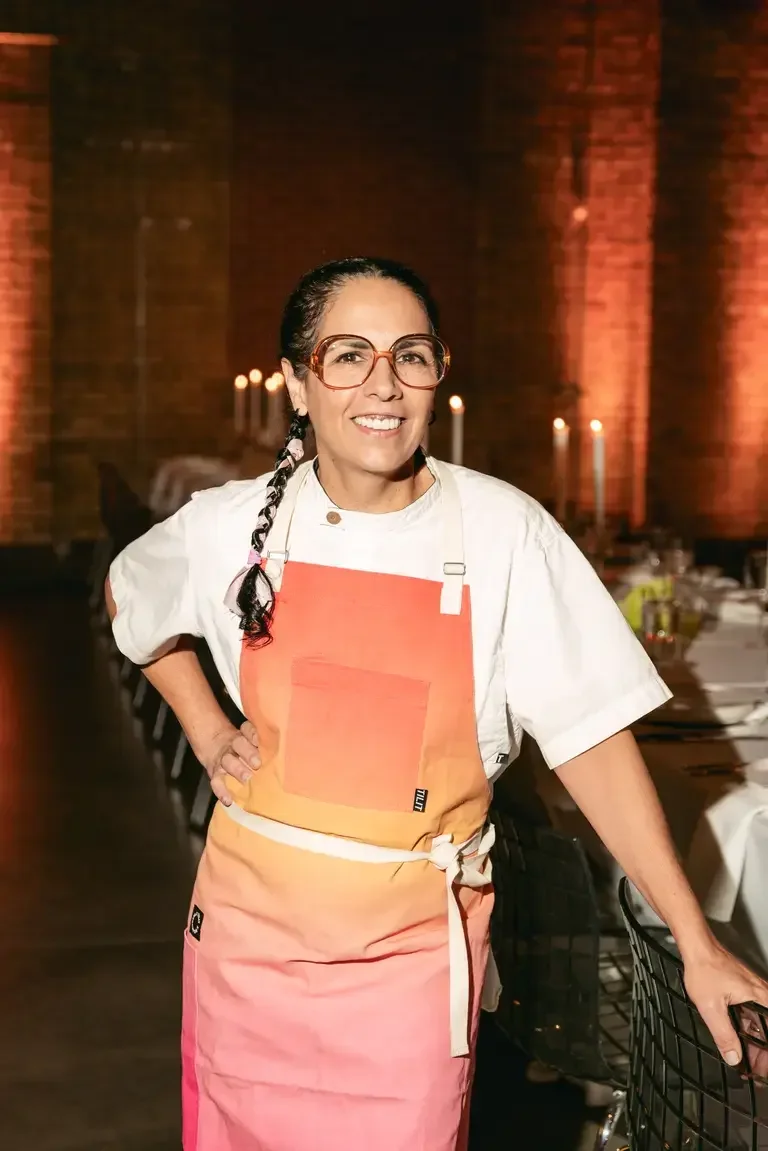
In New York City, Einat Admony, chef-owner of Balaboosta, is offering Passover specials that differ from years past. “The only dish that is a mainstay on my Passover table is ftoot; it’s something I always want to see,” says Admony of the Yemenite dish, “where you take old bread—or during Passover matzah—and drench it with Yemenite soup,” she explains. “We eat it with hilbeh, and while it isn’t the prettiest dish, it is one of my favorites.”
At Balaboosta, Admony is also offering Passover to-go, “so you can have your seder at home, without all the stress of cooking,” she says. For those who prefer to cook, she also shares inspiration for a three-course menu based on some of her favorite elements of the seder plate.
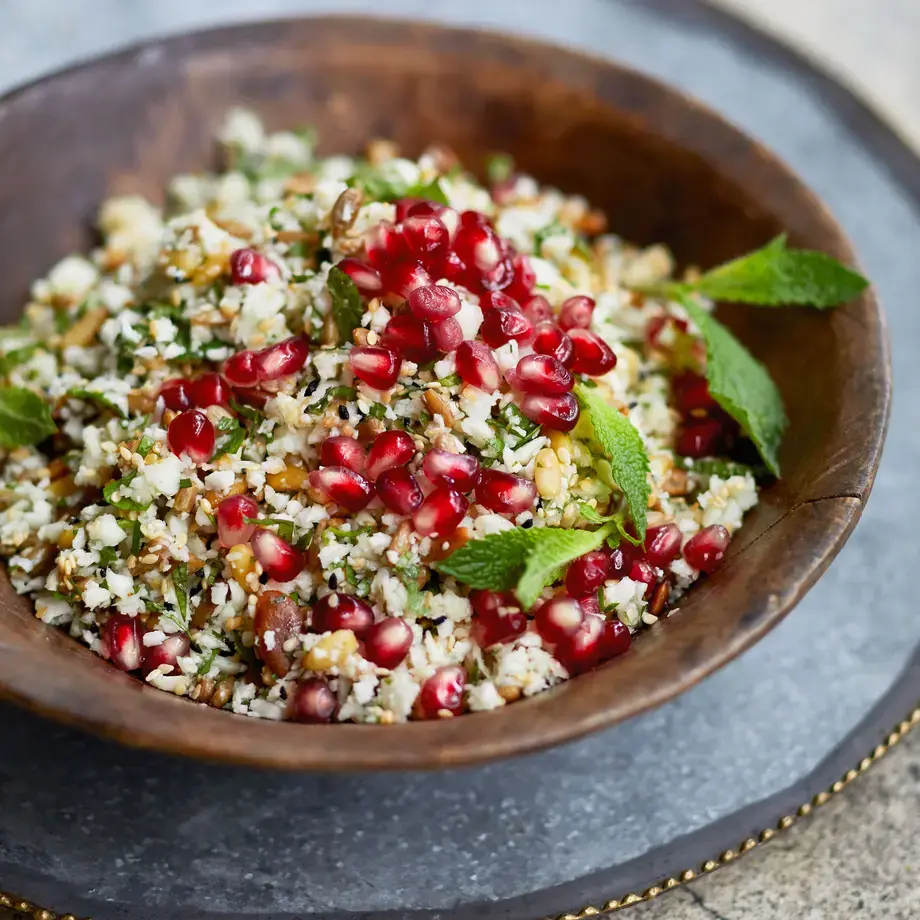
“During Passover, Jews can’t eat chametz (leavened grains), so this meal makes some swaps to accommodate the restrictions,” she says. It also takes a more modern approach to traditional offerings. For instance, Admony prepares a cauliflower tabbouleh with bitter herbs, pine nuts, and seeds that “doesn’t replace charoset,” but feels similar to the Persian version made with finely chopped nuts and fruit.
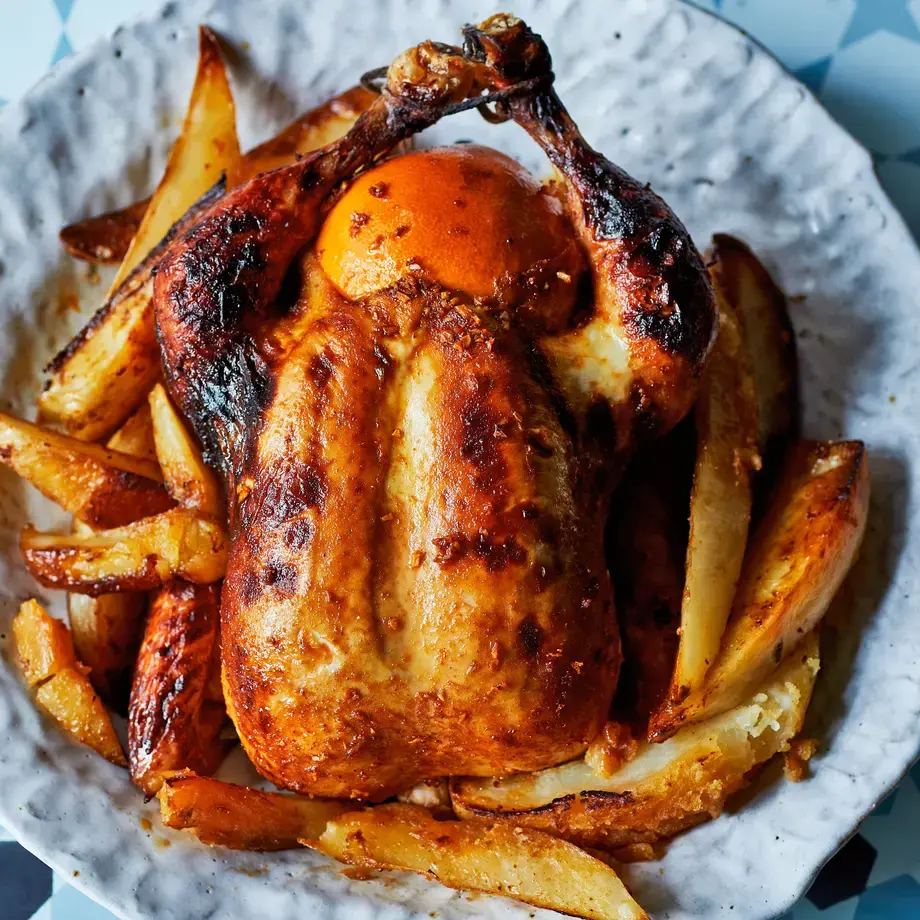
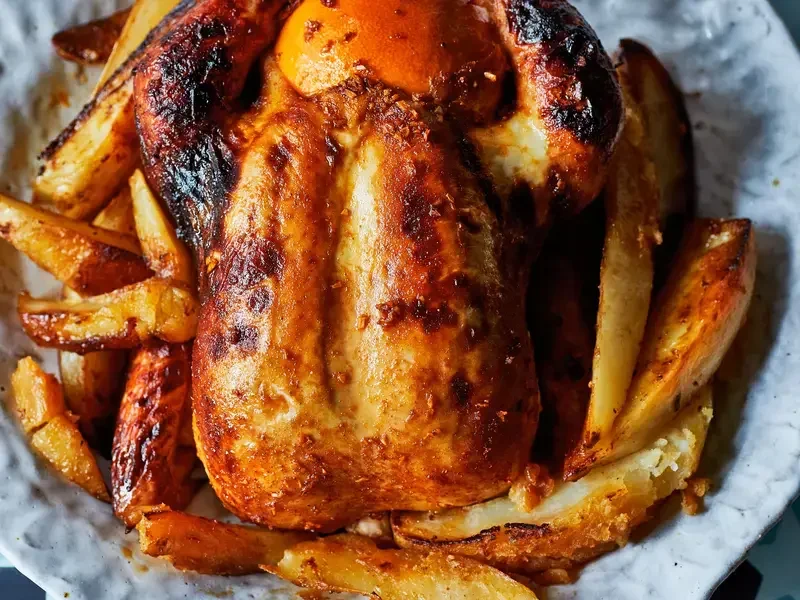
“Another item on the seder plate is a shank bone, so I added a whole chicken to the menu,” says Admony, explaining that the chicken’s orange-blossom glaze reflects the modern tradition of adding an orange to the seder plate to represent support for marginalized Jews, including women and the LGBTQ+ community. “If you want your chicken to sit high on the table, look for the biggest orange you can find; it will make the chicken look fuller when you stuff it inside,” she adds.
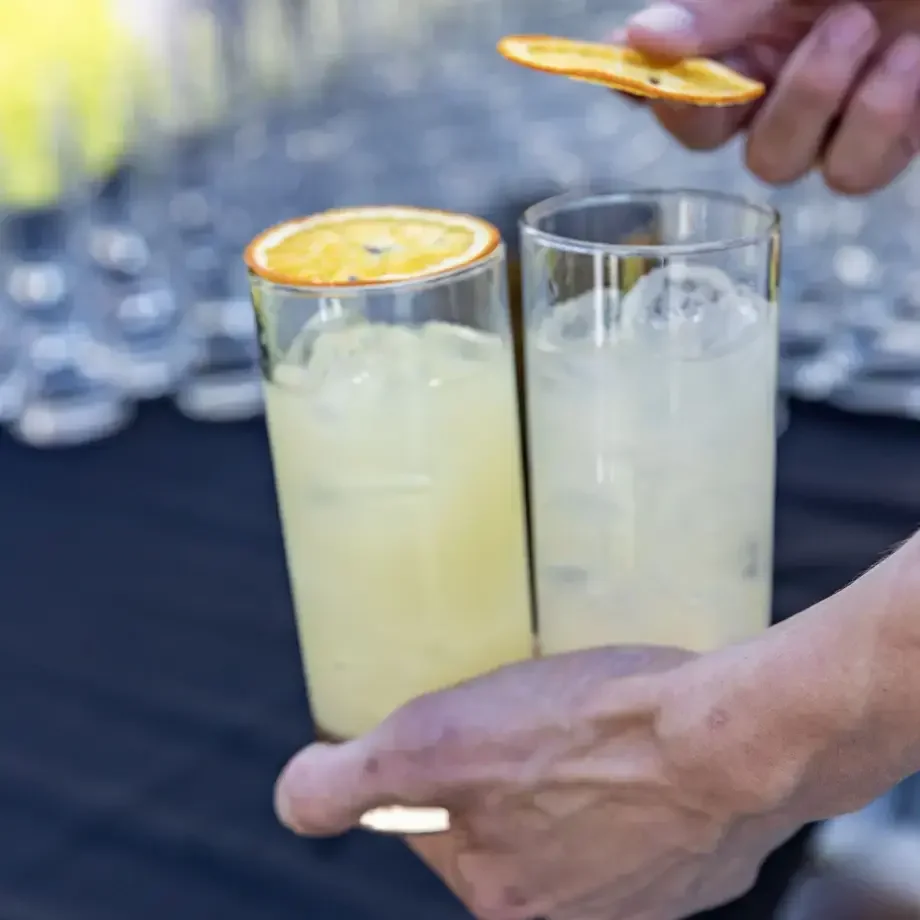
To pair with the meal, Admony recommends the Yalla, a tequila-based cocktail layered with citrus and ginger that has become a signature at Balaboosta. “It’s a crowd-pleaser, it’s great for batching, and it incorporates a symbol from the seder plate, oranges,” she adds.