Beyond the Medicine Cabinet
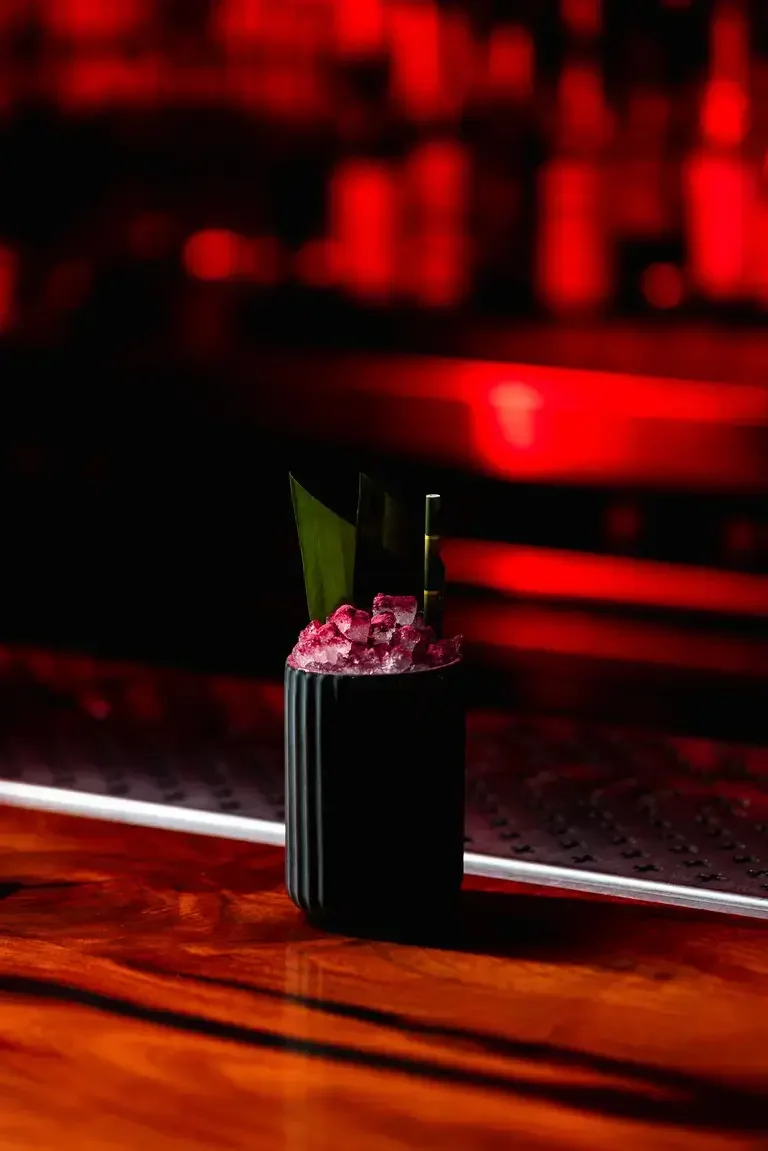
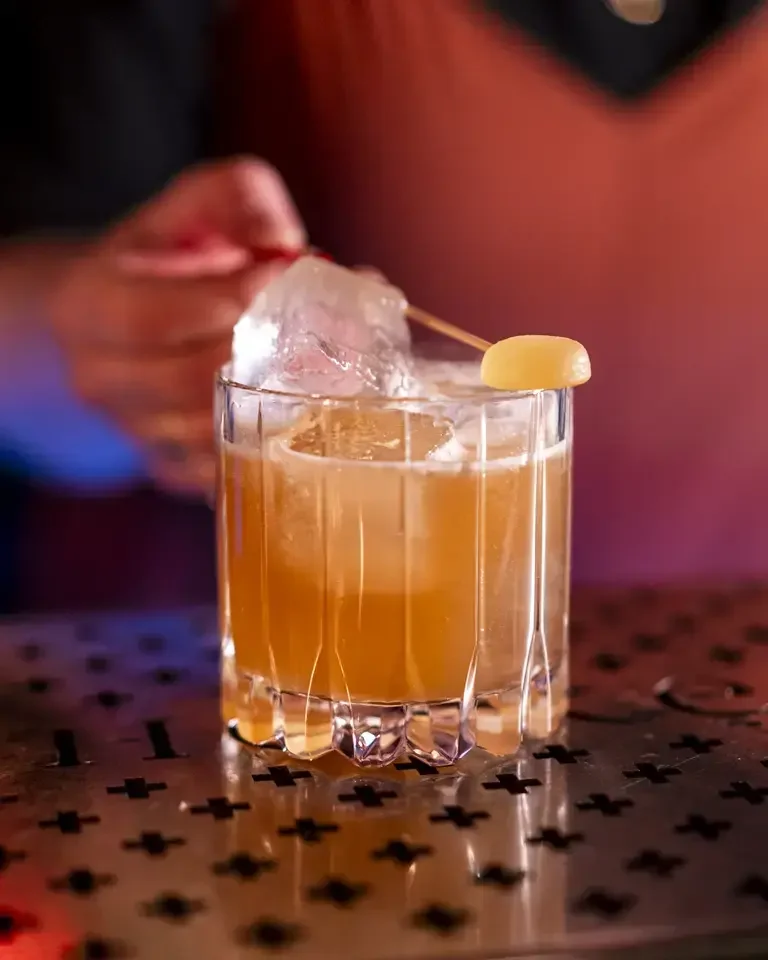
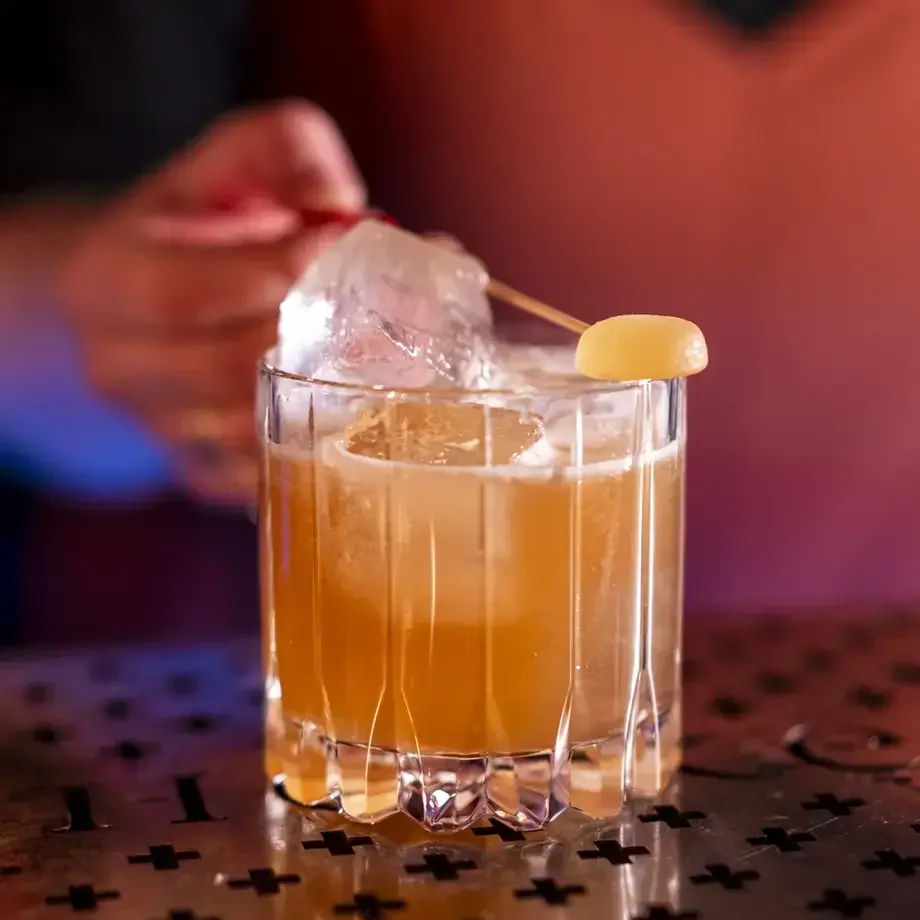
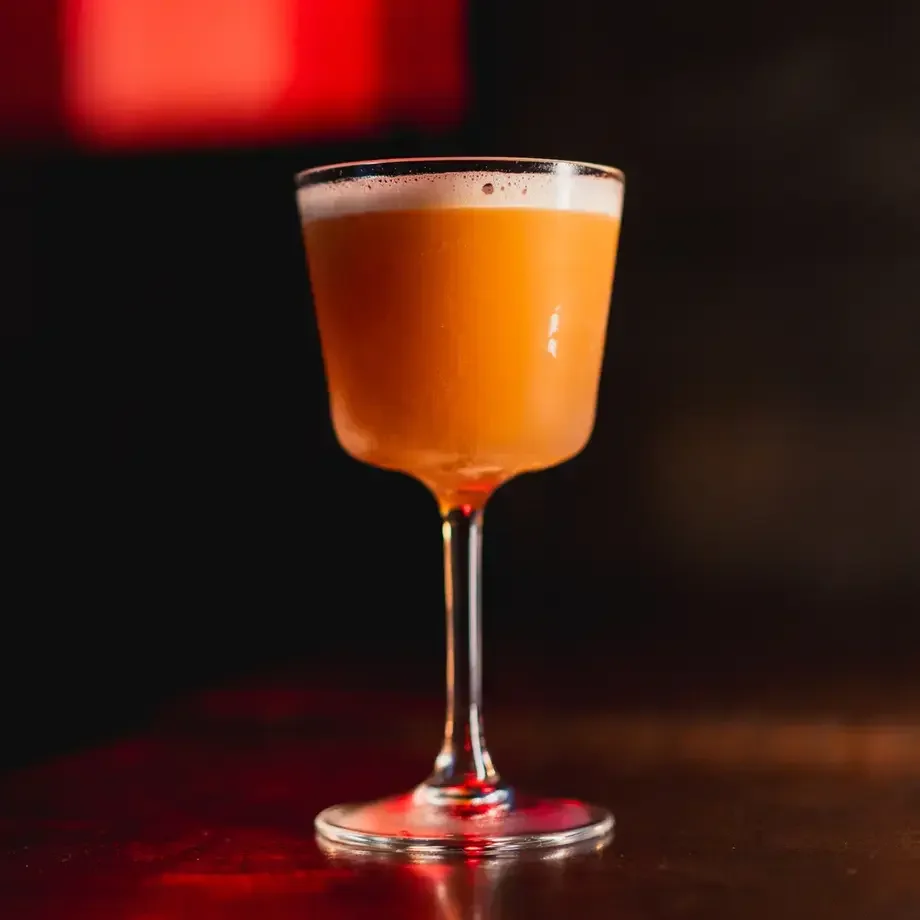
Keefer Bar in Vancouver’s Chinatown has spent the last fifteen years building cocktails around Chinese apothecary ingredients. They, too, serve a Pei Pa Koa drink called the Antidote, though Pei Pa Koa is among the most familiar ingredients on the menu. On a recent visit, I spotted ginseng, red dates, astragalus, magnolia bark tincture, yun zhi (turkey tail mushrooms), and rhubarb root tincture threaded throughout the cocktail list. TCM ingredients appear in roughly ninety percent of Keefer Bar’s drinks. “We’re very fortunate that we have amazing apothecaries around us,” said beverage director Amber Bruce. Many of the bar’s ingredients come from neighboring herbal shops, especially Continental Herbal, whose owners have spent years teaching Keefer’s bartenders how to work with the ingredients responsibly.
“I rely on the owners, Mickey and Karen,” Bruce said. “The first time I picked up rhubarb root, I was smelling it and thought, ‘It smells so familiar, like the forest floor in the fall, like wet leaves.’ I realized later that rhubarb root shows up in bitters like Campari, aperitivos like Aperol, and many amaros.” Through conversations with apothecary owners, Bruce learned which ingredients and combinations were both effective and safe to use. Travels through Chinatowns from San Francisco to the Philippines further expanded her understanding of Chinese medicinal ingredients and their culinary applications.
“There’s an incredible flavor profile coming through in some of these ingredients that adds so many more dimensions to cocktails,” Bruce said. She pointed to red cardamom, more commonly used in meat stews, which brings an “earthy, pine, camphor, smoky element” to drinks. But experimentation also requires caution. “The possibilities are endless, but it’s important to speak with someone who knows what they’re doing,” she said. Cassia bark can be toxic in high doses, while rhubarb root can have unintended laxative effects. Bruce has also experimented with crickets, seahorse, sea cucumber, and deer velvet, the soft skin that covers growing antlers, which she once turned into a tincture. “I used it like salt and pepper in a cocktail rather than a main ingredient,” she said. “Very much in moderation. It was a little gamey.”
Chinese Culture, Newly Visible
We’re at a curious time in the history of being Chinese. For months, social media feeds have been filled with people declaring, sometimes jokingly, that they’re at “a very Chinese time in my life,” drinking hot water throughout the day, learning mahjong, and embracing Chinese-inspired fashion. Some of it is trend-driven, some of it nostalgic, and some of it reflects a broader curiosity about Chinese culture that feels newly visible in mainstream Western life.
Being Chinese, which I have been all my life, is suddenly cool. Whether or not the trend develops into something more substantial, it has ushered in a new openness toward Chinese ingredients and remedies in places they rarely appeared before, from cocktail bars to contemporary tasting menus.
In Hong Kong, bars have spent the last decade turning nostalgic flavors into cocktails, riffing on childhood staples like yuenyeung, salted plum candies, and White Rabbit sweets. But more recently, that nostalgia has started extending into the medicine cabinet as bars and dessert shops experiment with ingredients like Pei Pa Koa. In Singapore, Synthesis, a TCM-themed bar and restaurant hidden behind an apothecary storefront, builds its entire identity around that intersection of traditional remedies, nostalgia, and contemporary cocktail culture.
TCM is far more expansive than cough syrups and herbal remedies. Rooted in practices developed over thousands of years, Traditional Chinese Medicine encompasses physical therapies like acupuncture and cupping, as well as broader philosophies around balance, nourishment, and qi, the vital energy believed to flow through the body. Though many bars primarily draw from its pantry of roots, barks, and medicinal ingredients, TCM has long shaped the way many Chinese families think about eating and wellness.
To oversimplify a deeply complex concept, qi is the vital energy believed to flow through the body and influenced by the foods we eat. Ingredients like ginger, garlic, cinnamon, hot tea, and beef are considered warming, while cucumbers, watermelon, leafy greens, and green tea are thought to cool the body and restore balance.
Qi may not be widely discussed in most modern restaurant kitchens, but many Chinese children grow up hearing constant reminders about balancing the body through food. I certainly did, learning which ingredients were believed to warm, cool, restore, or replenish depending on what my body supposedly needed at the time.