Diwali is a five-day Hindu festival celebrating the triumph of good over evil. The word Diwali translates to “row of lights,” giving rise to its English name, the Festival of Lights. Across Hindu, Jain, and Sikh communities worldwide, it’s marked by luminous displays, family gatherings, and abundant feasts of masalas, curries, and sweets.
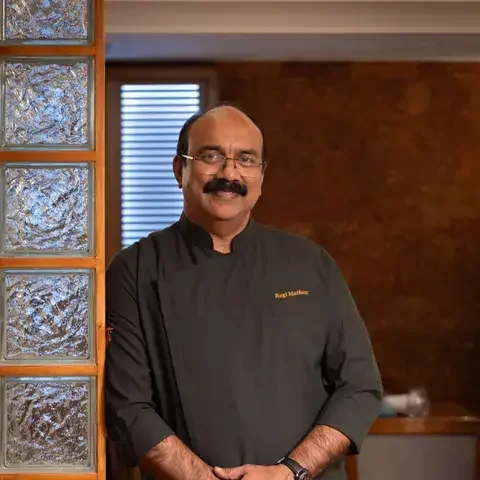
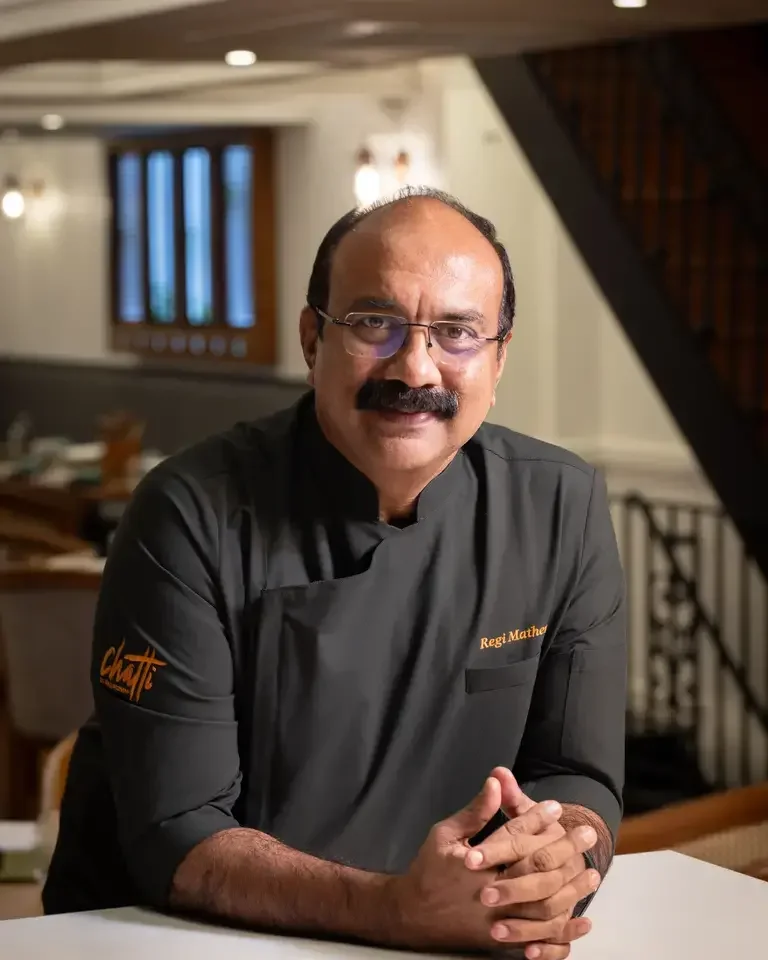
“During Diwali, sweets symbolize abundance and the sweetness of life. Sharing them with neighbors reflects hospitality and connection,” says chef Regi Mathew of Chatti in New York City.
Chef Mathew is from Kerala, in India’s southwest, where they “don’t celebrate Diwali with the same prominence as in other states of India,” he explains. Though his Kerala roots don’t tie him directly to Diwali, Mathew takes the opportunity to educate about its significance, as many Westerners tend to associate the holiday with all of India. He stresses, “India is not one festival or one tradition.”
“Diwali isn’t only about fireworks and sweets—it’s about renewal, generosity, and community,” says Mathew. “The truth is more nuanced: what connects us is the spirit of gathering, light, and sharing, but the rituals, foods, and even which festivals we hold closest to our hearts can be entirely different depending on where you are.”
In that way, even in Kerala—or anywhere in the world where Diwali isn’t central—chef Mathew connects the holiday to its cuisine, showing how food can become a bridge to celebration. “A meal becomes a lamp in itself, carrying warmth and light to those who gather around it,” he shares.
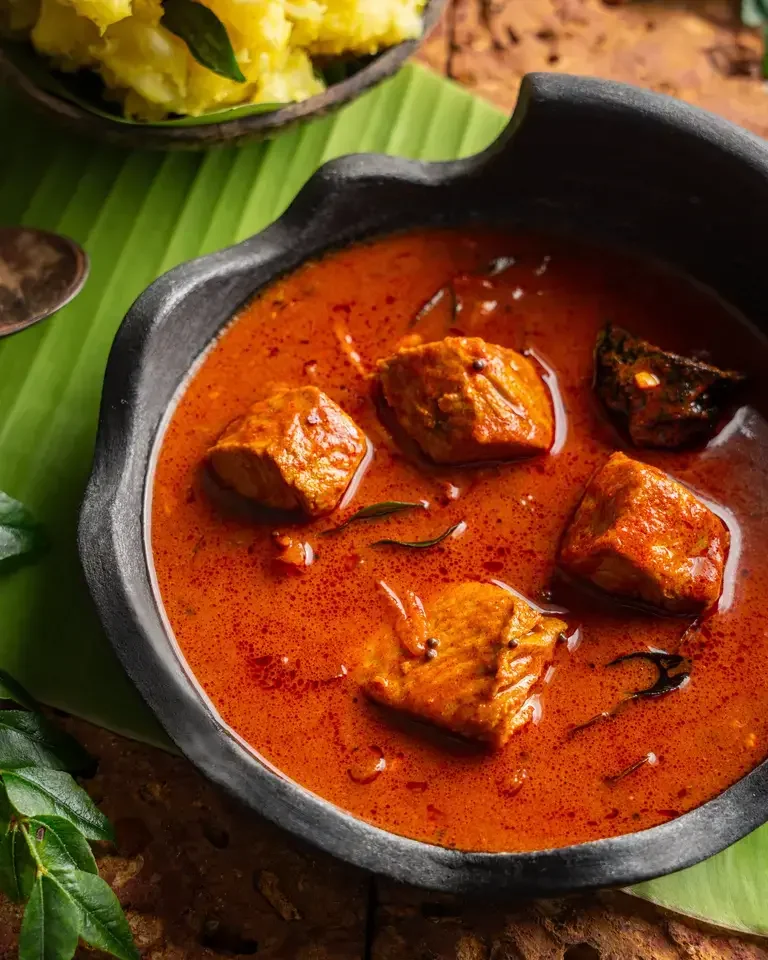
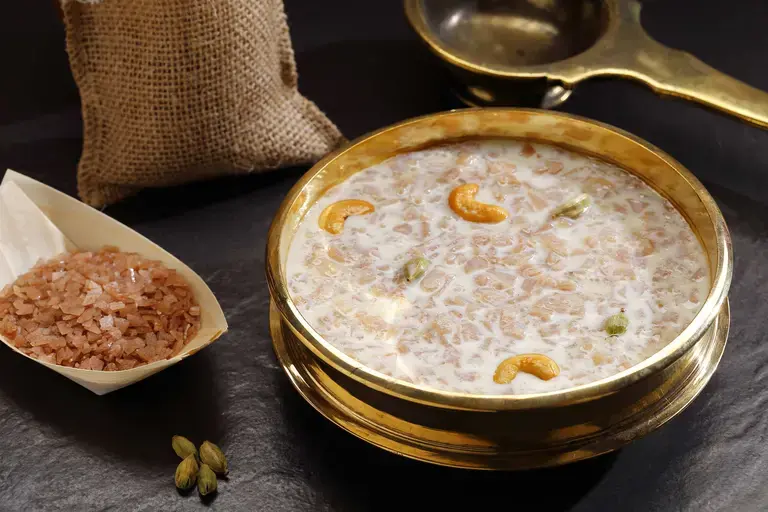
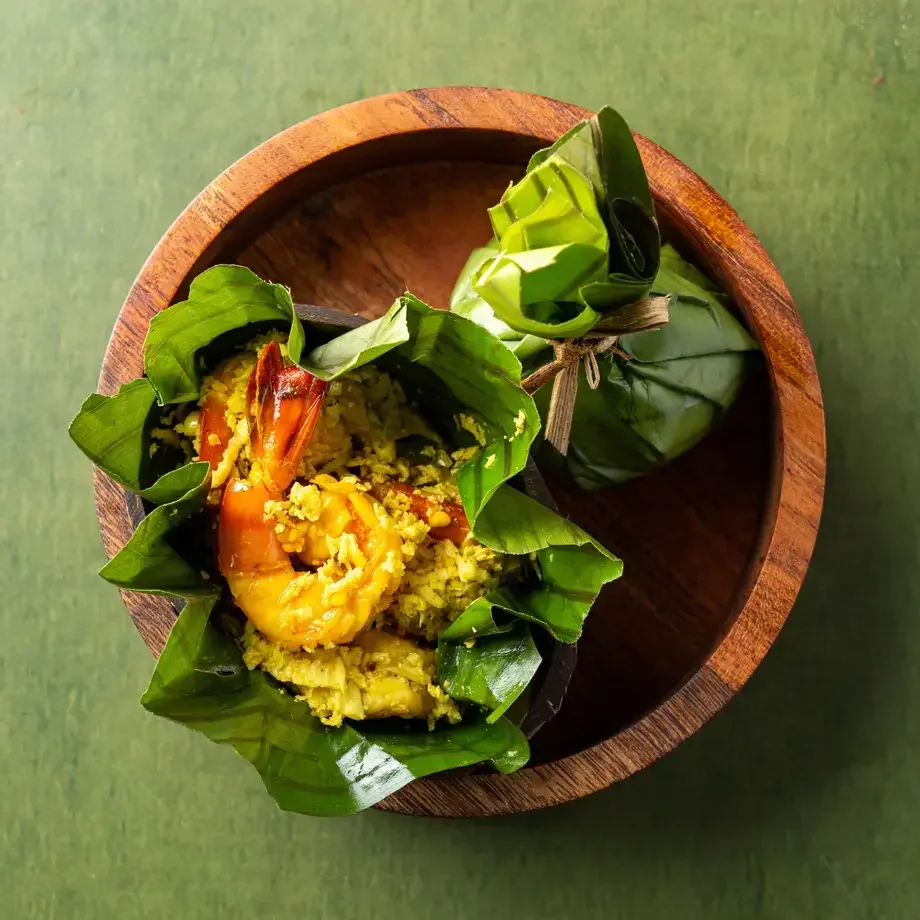
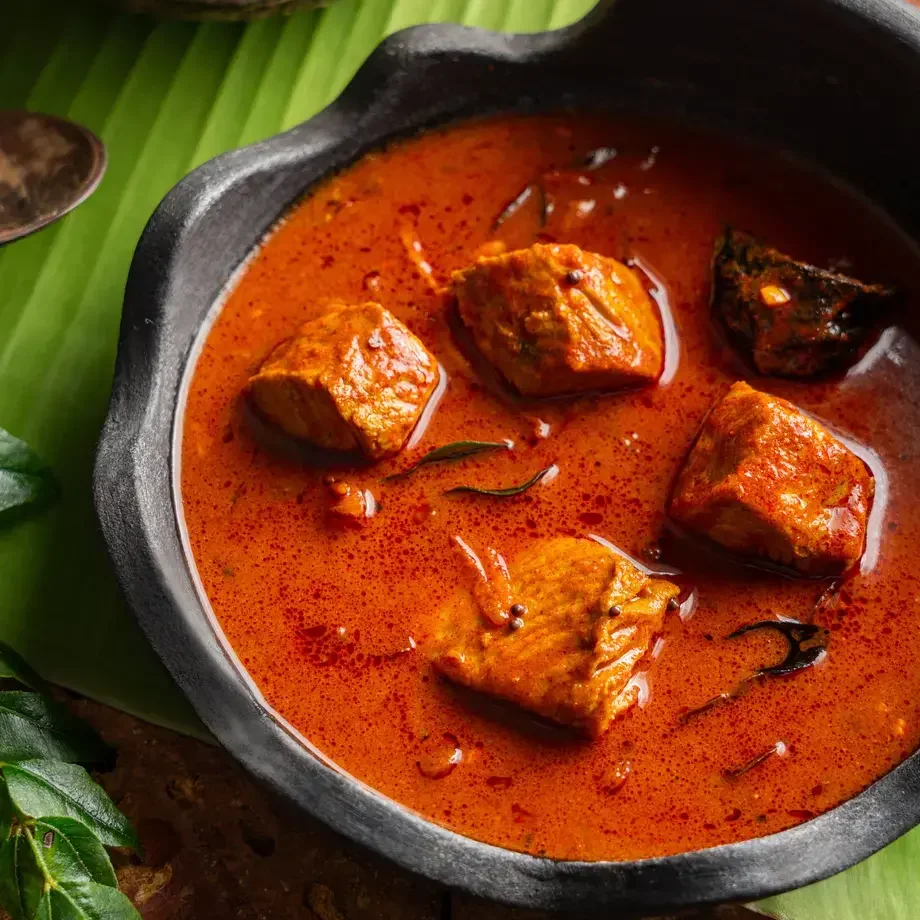
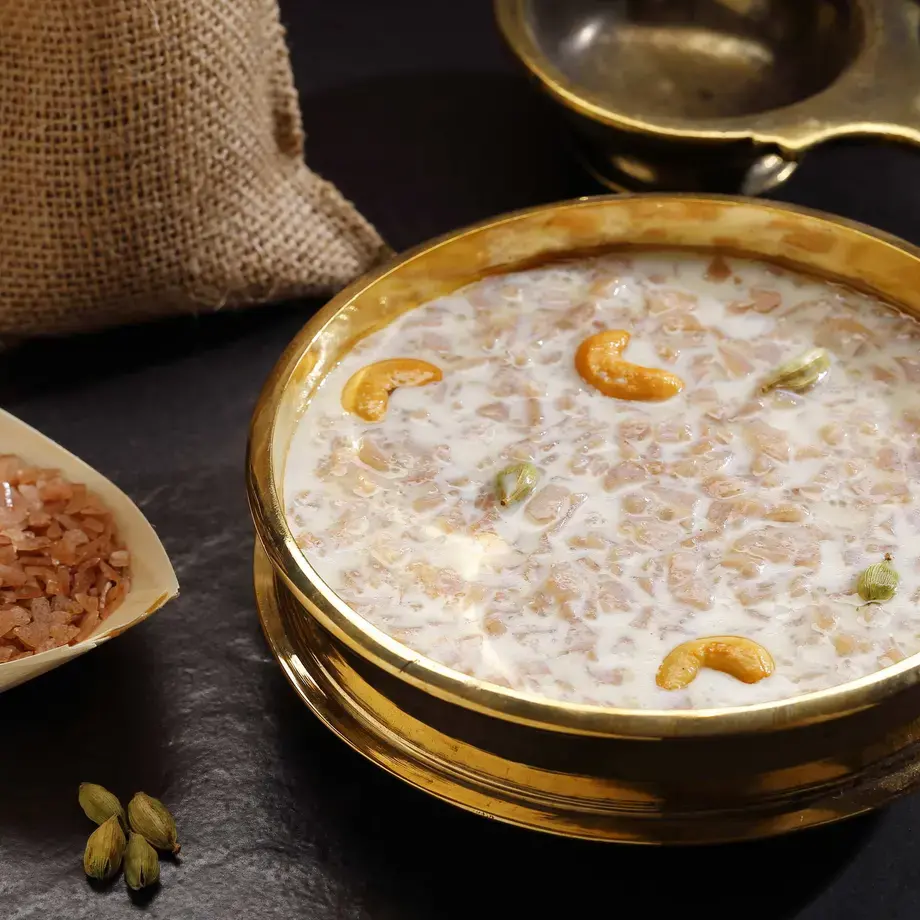
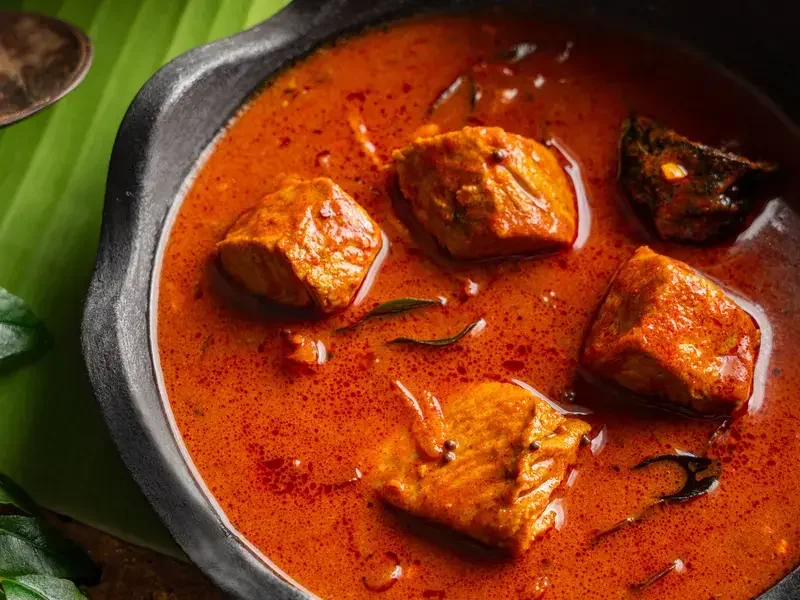
Below, chef Mathew presents a menu that fuses Kerala’s flavors with the symbolism of Diwali, featuring zesty prawn pouches, tangy fish curry, and decadent rice pudding.