Why Quality Matters at the Table
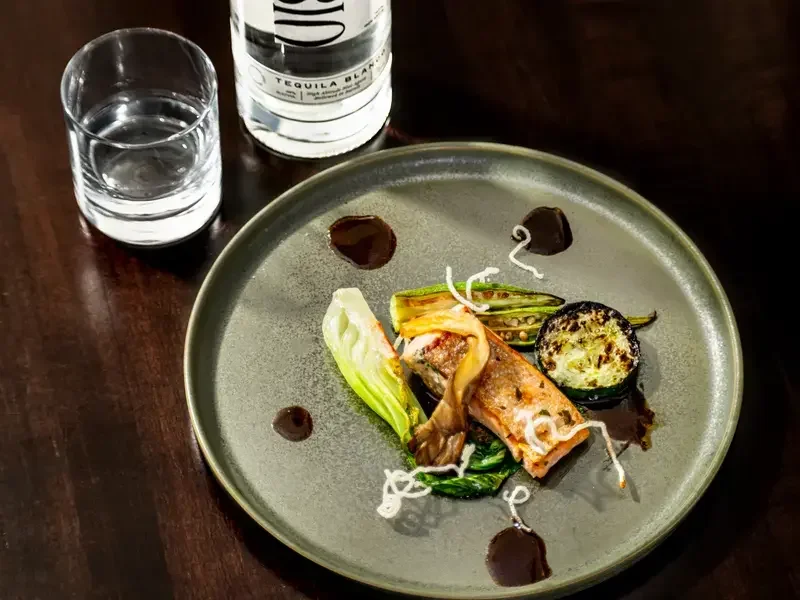
The difference between these tequilas and mass-market alternatives becomes obvious when food enters the equation. Many commercial tequilas rely on additives that create cloying, artificial sweetness, which interferes with food rather than complementing it. By contrast, clean, additive-free tequilas allow both the spirit and the dish to come through cleanly.
“Tequila and food pairing really rewards a focus on nuance,” Arrington said. “When paired neat, the rich, oily palate weight can meet the texture of the dish, while the brightness and acidity refresh the palate.”
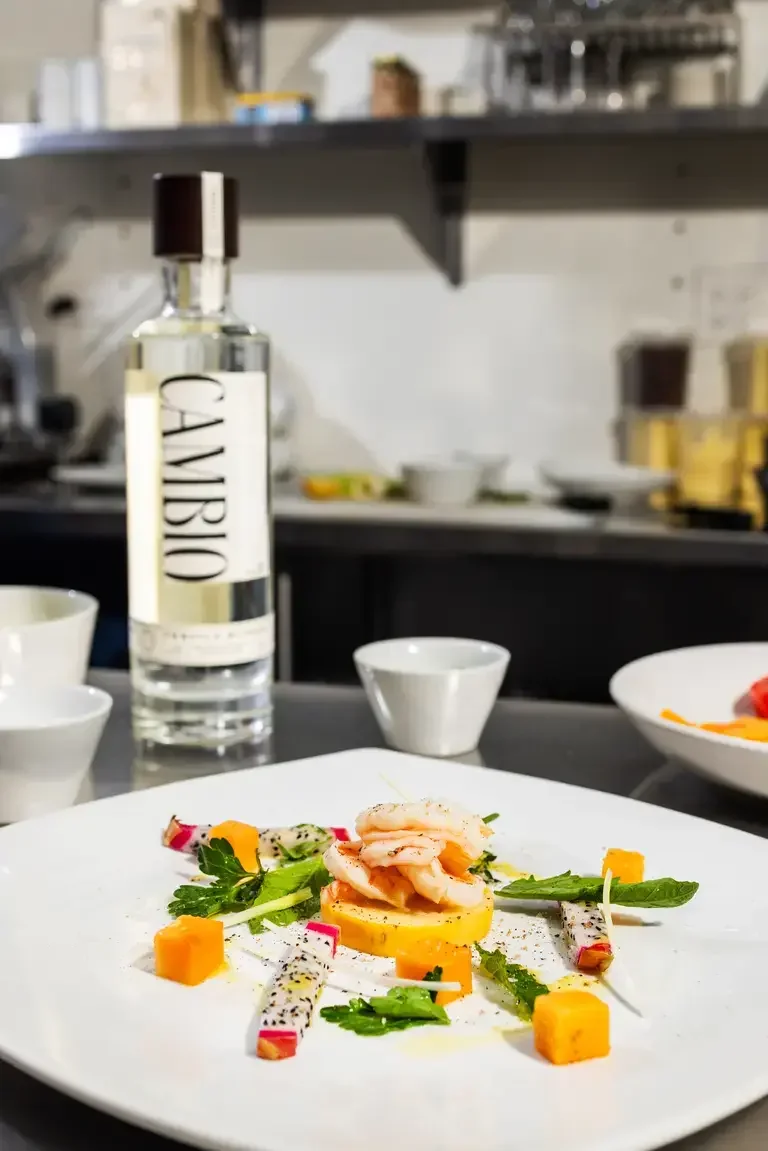
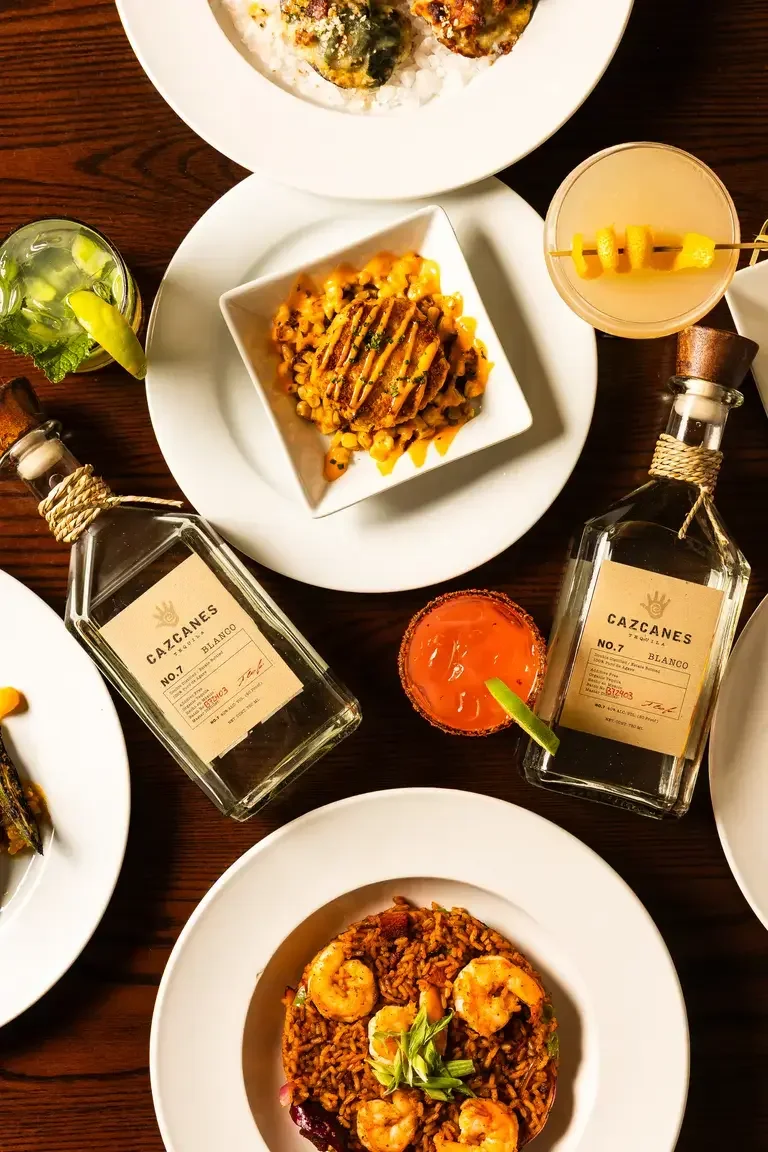
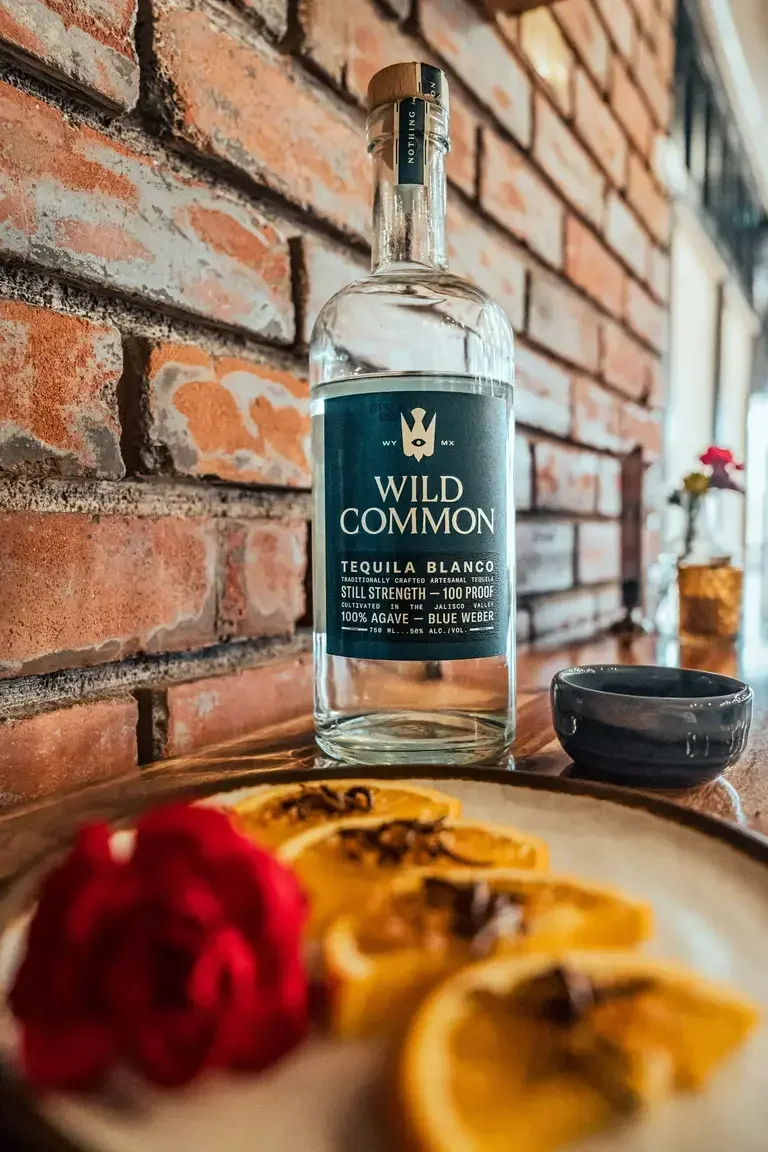
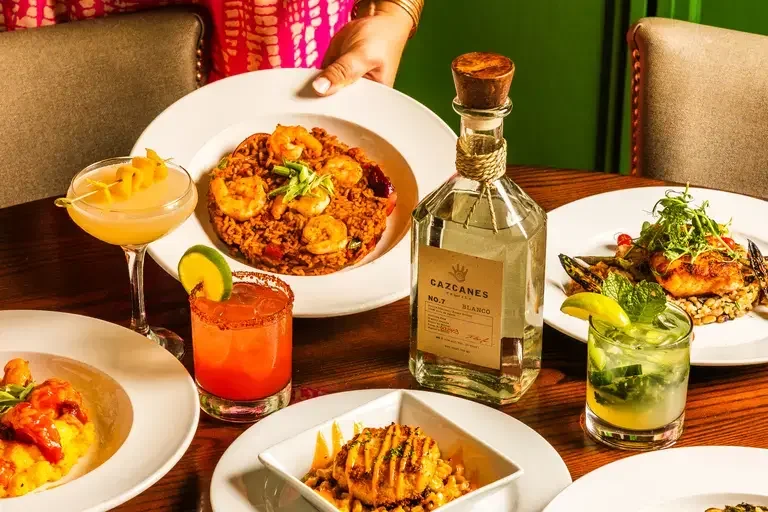
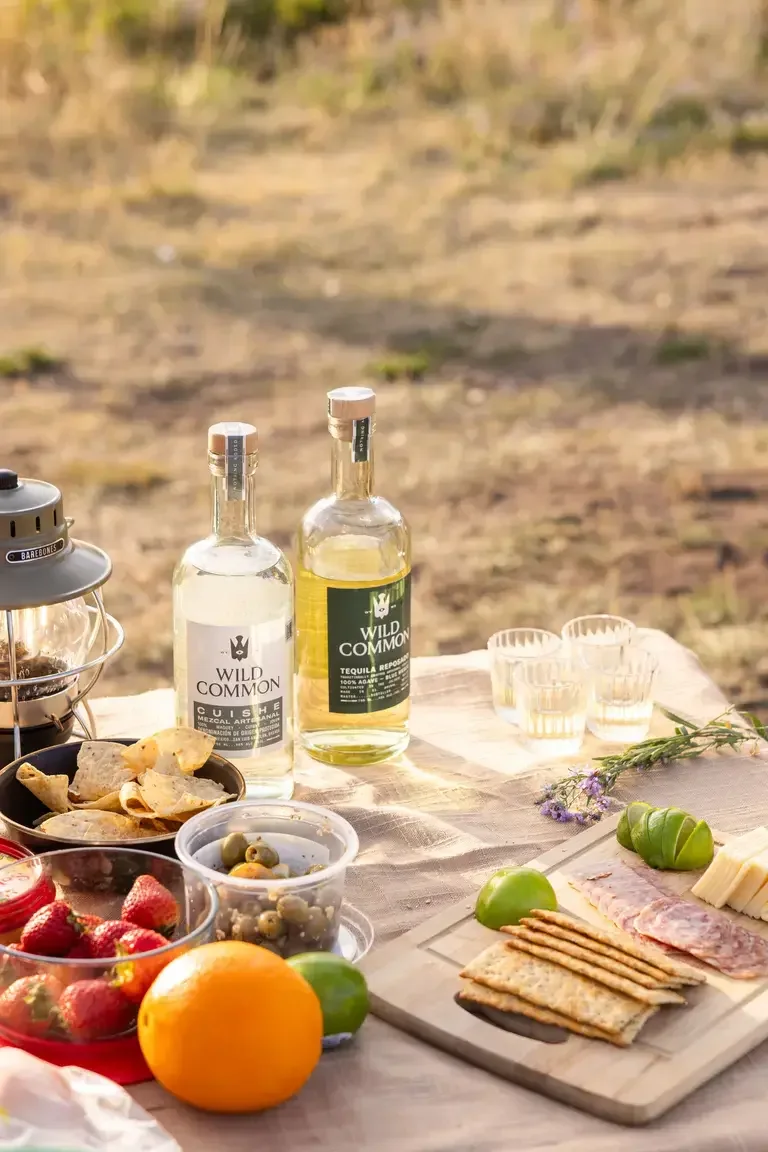
Each producer’s distinctive process yields specific characteristics that interact with food in unique ways. Cazcanes’ water source contributes minerality and viscosity that work beautifully with seafood. Cambio’s barrel-aging program, which includes 40-year-old sherry casks, 20-year-old Madeira casks, and 30-year-old Cognac barrels, creates expressions that range from fruit-forward to deeply savory. Wild Common’s valley agaves and higher proof points deliver bold flavor that stands up to grilled meats while maintaining enough finesse for raw fish.
The pairing principles are not mysterious. Match lighter blancos with ceviche, crudo, and citrus-dressed salads. Reach for reposados with grilled meats and roasted vegetables. Pour añejos alongside braised dishes and rich desserts. As with wine, terroir matters, barrel choices matter, and production methods fundamentally shape how a spirit interacts with food.
The culinary potential becomes clear when chefs start experimenting. At Los Caminos Modern Cocina in Flower Mound, Texas, outside Dallas, chef Luis Rojas hosted a Wild Common tequila dinner where he said the blanco shined.
“It was clean and smooth with acid, citrus, and minerality,” Rojas said. “We played with several selections, including scallops, oysters, and shrimp, eventually going to a shrimp aguachile. Wild Common has balance and subtlety in each of its expressions, never overstating one particular flavor note, but more like blending into the next.”
That made for a successful dinner, which featured neat pours and cocktails, allowing different characteristics to come forward.
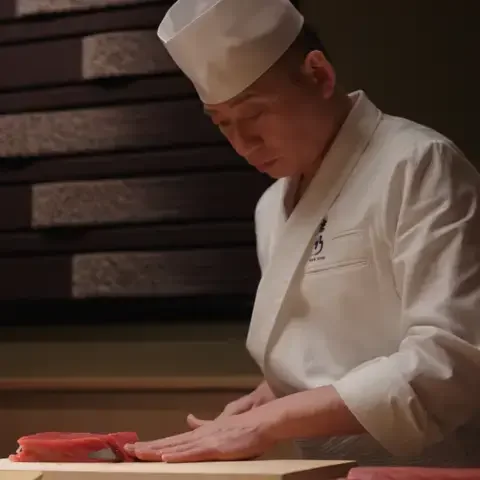
Des Rosiers sees natural affinities between tequila and Southeast Asian cuisines, with their ginger, lemongrass, and herb-forward profiles that mirror tequila’s minerality and floral notes. He also points to sushi, as demonstrated during the Cambio tequila omakase dinner at Chicago’s Joto, where des Rosiers contributed courses.
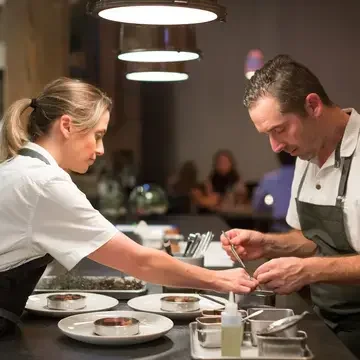
In addition to the aforementioned dry-aged mackerel paired with an oaky añejo, the chefs presented a range of fare: red ruby snapper with Cambio blanco served neat and modified with herb floral bitters; Spanish octopus with a citrus-forward cocktail made with reposado and bitter orange; and A5 pork jowl served in Oaxacan black mole, accompanied by a neat pour of reposado.
“People were wowed that you could do tequila with an omakase,” Frausto said. “That’s the point of a whole guided experience.”
Acuña’s use of Cazcanes blanco tequila in his French seafood pasta demonstrated how tequila can function as a culinary ingredient, not just a beverage. He said the tequila’s notes of earthy agave, bright citrus, black pepper, and hints of anise helped build the sauce’s backbone, intensifying supporting elements as the alcohol burns off and leaves subtle complexity.
“I did not want to do wine, and most other liquors are very intense and would have taken over,” Acuña said. “I also wanted something that the alcohol would fully burn off, but leave an after note of its flavor to accompany the dish, giving the sauce a very complex flavor profile while leaving you guessing what that flavor is.”
Even at home, des Rosiers will reach for a bottle of tequila to cook. He spreads madras curry over a pork shoulder, chars it over pecan wood on the grill, then adds it to a cast iron skillet, soaking it with a generous amount of reposado tequila and cooking it for 18 hours.
“Adding the reposado into it and cooking overnight with all those flavors, making the pork shoulder tender and reducing the leftover juice into a sauce, makes a beautiful pork shoulder,” he said. “You can make tacos, cover it with coconut broth, or other things. There’s definitely a lot more to [cooking with tequila], and I encourage people to use blanco tequila in a recipe instead of a dry white wine.”
A New Conversation
What these producers and chefs understand is that great tequila shares more with fine wine than many drinkers realize. Cambio’s barrel-aged expressions sit comfortably alongside duck and aged cheese. Wild Common’s still-strength blanco works with roasted beet dishes and yogurt sauces. Cazcanes’ extra añejo complements braised short ribs and dark chocolate mousse.
“Tequila has a lot more complexity and a lot more to say about itself than what’s been done for the last 100 years,” des Rosiers argued.
These three brands prove that statement. Each embraces traditional production while demonstrating that a spirit made with care and intention can cross culinary borders as easily as geographic ones.
Maybe it’s time to start thinking differently. The next time you’re planning a dinner pairing, consider looking beyond the wine list. A bottle of thoughtfully made tequila might surprise you more than that Napa chardonnay.