Why Did You Want to Write This Book?
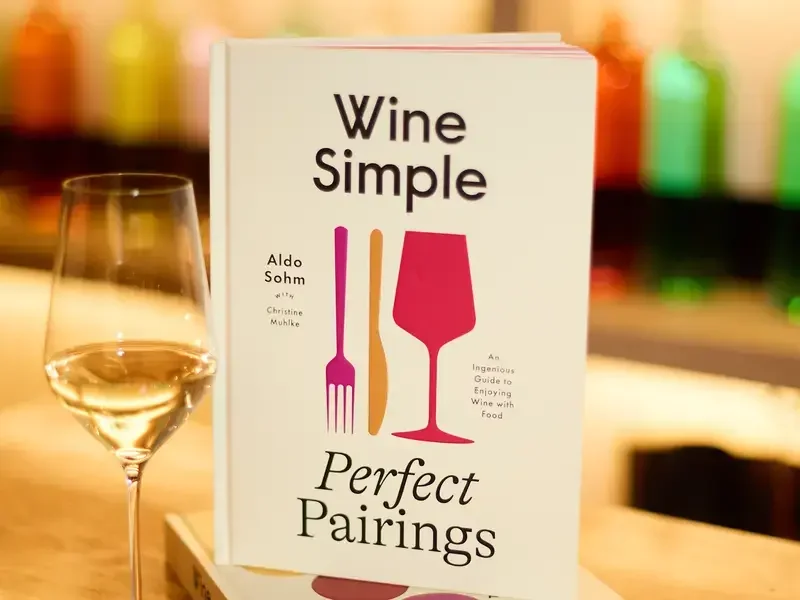
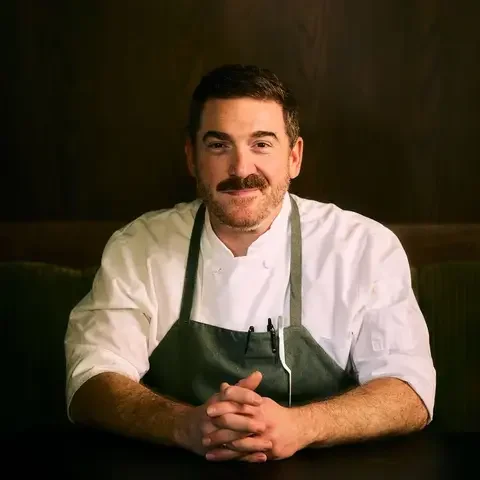
Aldo Sohm: Let me sum up my first book, Wine Simple. I work on a daily basis in wine and I am not a writer; I am in front of the client. I get to see different behaviors. I am not here to judge, but I have to read and adjust to that. In 2018, when we wrote the book, we forgot that there is a lot of intimidation and fear anchored in wine. You do not want to look stupid. That is normal. One has to realize this is the most common issue, and I had it too when I got into the industry. Christine created an eager foodie who is intimidated by wine. We named her Josephine. If she reads this, would she understand it? Not in my wildest dreams did I think the book would take off like this; it is out in eight languages. I get text messages from people asking what they should order or serve. So I thought, let’s help people a bit. Now that Josephine has a basic understanding, how does she implement that when she goes out on a date? She needed to find a matrix to break this down in 20 seconds and move on. That is how this book came about and that was the idea behind it. Food and wine pairing is complicated and nuanced. This book is meant to take away the barrier and fear and help people. This has to be palatable. That is the ultimate goal for me.
What Makes a Perfect Pairing?
Sohm: [Laughs.] Great question. What is a perfect pairing? The wine should support the food, and the food should support the wine. Sometimes you have a combination where the two come together but do not connect. It is like a business relationship. The common wine myth is to pair your beautiful Bordeaux with blue cheese. If you can maintain a wrinkle-free face while tasting, I salute you. But you get so many ammonia flavors that it is painful. That is a perfect example of what not to do. Chef Eric Ripert and I did a pairing with Robb Report. It was a Chablis that we did with the dish, and it did not work. It was slowly poached salmon with caviar and horseradish. They recorded this; Eric tried it, and you can see his face. It was terrible. The wine on its own was delicious, he said, but it was like two characters that do not marry. But when there is harmony, people will leave the restaurant happy. Our palate evolves all the time. Sometimes it just takes time for people to figure out that some things together are not a good combination. People need time to figure out what they like.
What Are Some Basic Things to Understand When Pairing?
Sohm: A number of things. In America, we have this saying that red wine goes with meat and white wine goes with fish. That is a myth that has been debunked, but it is still creeping around. The way you cook your protein makes a difference: Is it poached, seared, or grilled? Another thing is that the sauce is a little bit the driver. That is where the flavor—fat, salt, sweetness, sourness—comes in. So, I often pay more attention [to the sauce] than the protein. Then the next thing is how much sauce you use. If it is concentrated, sometimes three spoons is enough. It is like listening to music. If you put the volume to 12, sometimes you have dishes like this where after the second bite you are full. Everything is high and on top. It is too much. Again, I look at the entire picture, of course, but I first look at the sauce, and that gives me a certain direction, and then I look at the complete picture.
Do You Have Any Examples of This?
Sohm: You have a chicken breast and you grill it. If it is just regular grilled, you can go with white wine. If you add tomato sauce, you can do red wine. Same thing with seared salmon. You can do both red and white. If I add red wine-based sauce, I can serve Pinot Noir. That is super easy. On the other hand, if I have a mushroom-based sauce with a little cream, you can go with white wine. Then if you add butter, you have Chardonnay. That is a homeland for Chardonnay. That oakiness will take a bath in the sauce. You have two directions to go.
How Can People Apply This at Home or in a Restaurant?
Sohm: Also, at the end of the book I explain, in this matrix, how you put it into play at home and at a restaurant. If your dish is sour, you can add olive oil or Parmesan to bring the fatness level up. So if you opened a bottle already and the dish is too sour, you can add fat to increase that. Sometimes a little salt can do magic, or a drizzle of lemon can bring things to life. But it is the joy of discovering that. That is when you get the wow factor in there. And it is so simple.
Why Did You Want to Do a Companion Book to Wine Simple?
Sohm: I had no intention to write one book, let alone two. Writing is hard. I am a sommelier. It was just a natural progression. I got to see that this is a topic that is not really tackled. You do find some books, but they are esoteric and they target the geeks. It is written by a wine geek for a wine geek. It leaves out the younger generation and makes them more intimidated. I work at Le Bernardin and the wine bar and see on a daily basis how people approach this.
Do You See People Struggling to Match Food and Wine?
Sohm: It is super complicated. Just go online and try to read a book. It is very complicated. I have been very self-critical about my first book. You say sweetness goes with this and salt goes with that, tips for perfect tasting… we said this means nothing to Josephine. If she is on a date, she only has a few minutes to look into that.
How Does This Book Help Her?
Sohm: This gets to the heart of that. The dilemma is about one thing: We are often distracted and we are not aware of what we are eating. You have no idea how many people I meet who I say, “This Pinot smells like strawberries,” and they say they never smell a strawberry. I say, how is that possible? Once we taste, we then actually smell after you swallow. When you chew a strawberry, you smell by default.
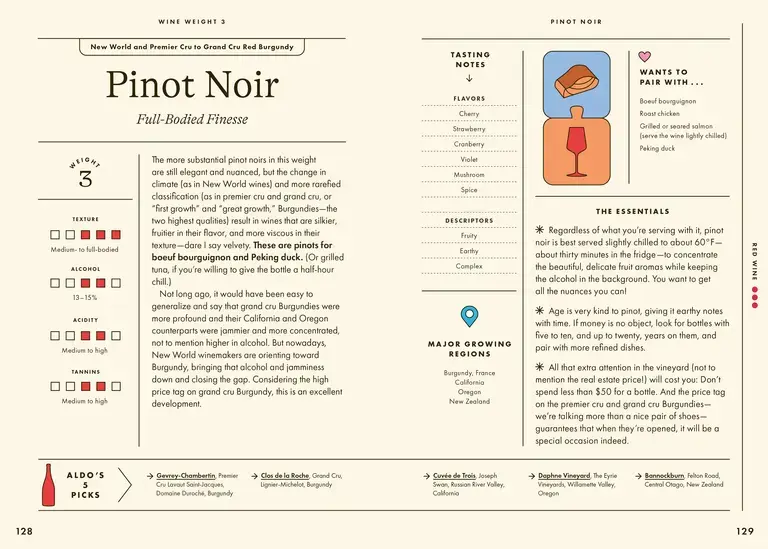
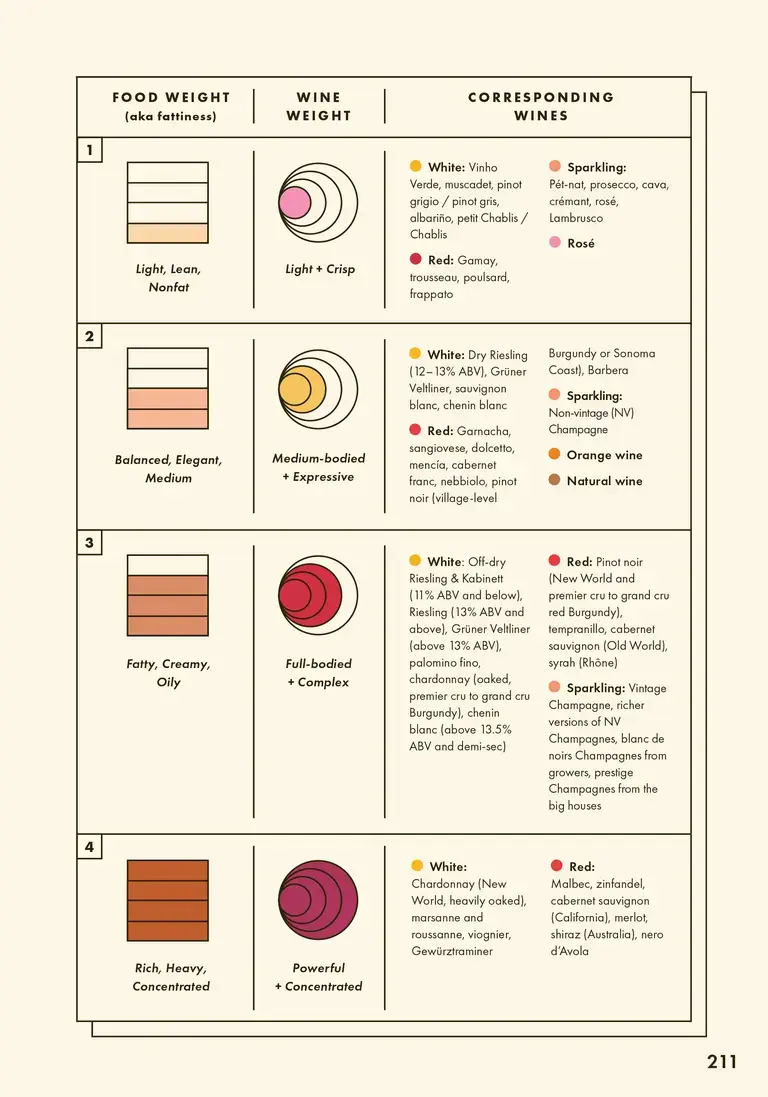
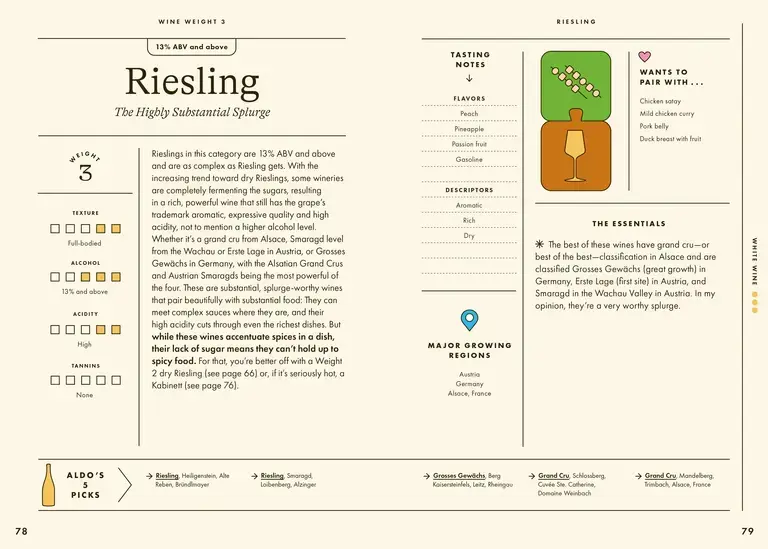
In the book, I break this down step by step. On page 36, I talk about building a progression. On page 34, I talk about weight in a wine, thinking about water versus skim milk or whole or cream. Alcohol is that driver in wine. Then I talk about acidity, which is a key thing in wine, and residual sugar, which most wines have. On page 50, I break down the wines and the different weights, light and crisp to powerful, and give the varieties.
Later I talk about fattiness: “What fat? From a beef steak or chicken? Salmon? Butter? Is it from a seed or nuts or olive oil?” Those are different indicators. Then sweetness: “From cane sugar? Roasting Brussels sprouts? Carrots?” These are not desserts, but you must consider the sugars.
By page 200, we bring it all together. The reason I love working with Christine so much is because it became a natural extension, and that is why the second book came about.
What Is the Aldorithm?
Sohm: For one thing, I often taste for alcohol, residual sugar, and acidity. A triangle, and this is important when tasting Riesling. Lower alcohol, acidity, and then residual sugar. Christine never let this triangle go by. I called it “tentagram,” which is not a thing. She then gave me homework of 10 dishes people can make at home. So what is the easiest way for Josephine to understand and not have to fuss around when she goes on a date? I said to her that I created this as an algorithm, and with my accent she heard “Aldorithm.” It works in two ways: the food weight and the wine weight, and the dominant taste, and you dial it in.
In the most simple way, with Muscadet you take oysters and lemon juice. The wine and food are both food weight one, so stick with wine weight one. Then lemon brings up the acidity, but still go with a Muscadet. You can figure this out in 20 seconds. With spaghetti and meatballs, how much fat is in there? You get it from the meatballs and the Parmesan you add. That is food weight two, so I choose wine weight two. It is a continuation. This gives a basic understanding, but more importantly, you have a curiosity to explore and experience.