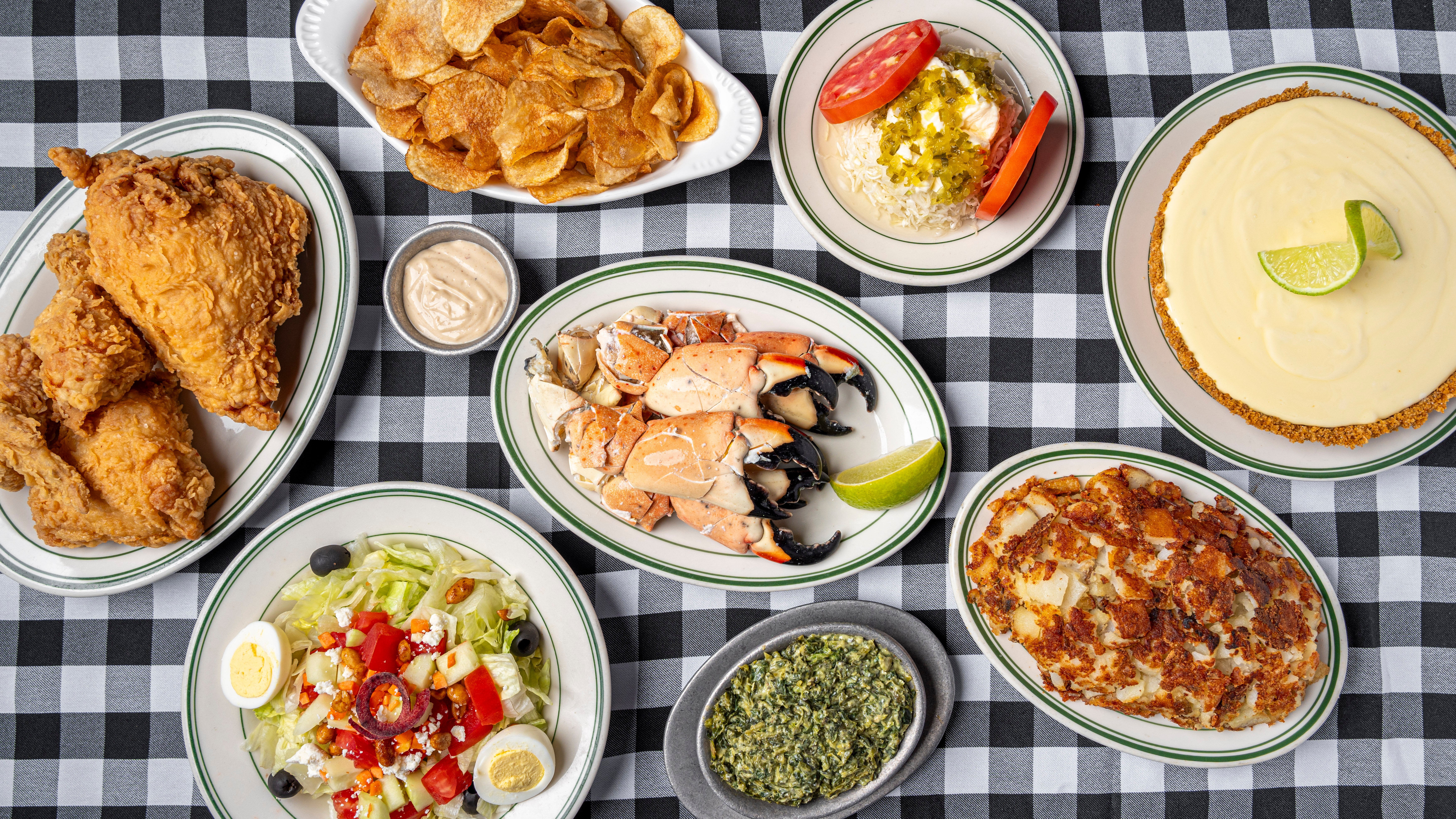
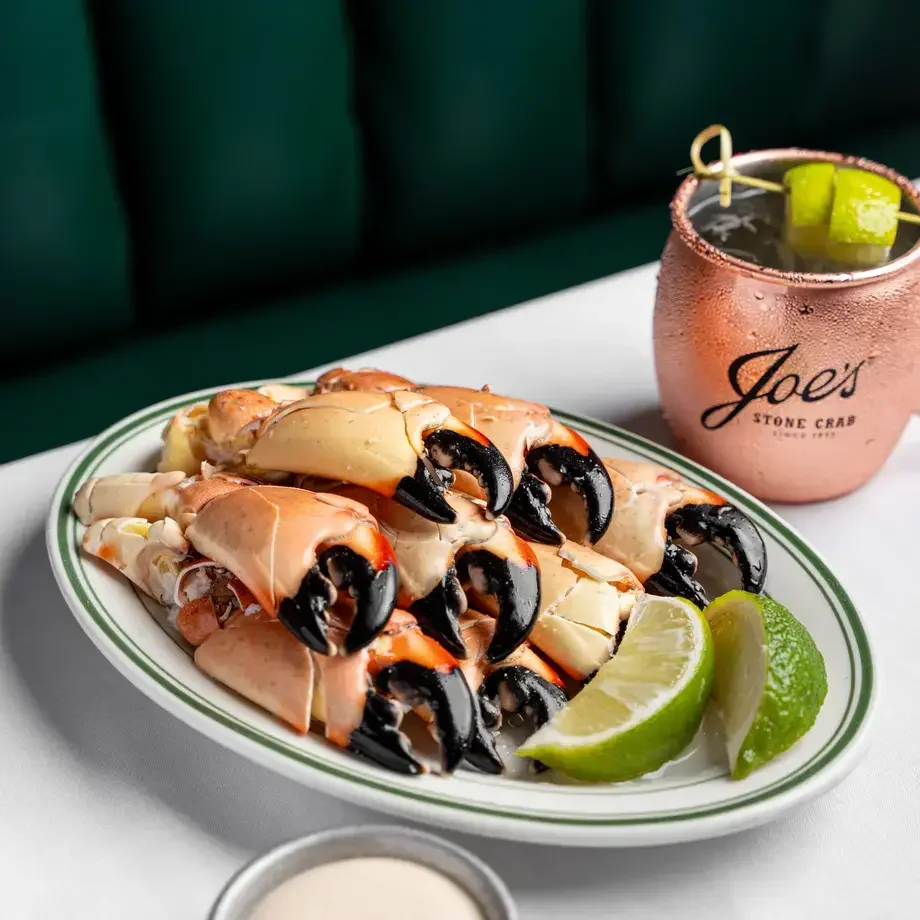
Stone crabs became a Miami staple thanks to Joe’s Stone Crab, the city’s oldest restaurant. Opened in 1913 by Joe Weiss, the humble seafood shack first served fish sandwiches and fries.
Stone crabs didn’t appear on Joe’s menu until the 1920s. “At that time, stone crabs were not a catch anyone was interested in,” says Stephen Weiss, Joe’s great-grandson, who now oversees the 112-year-old restaurant. “No one knew how to prepare them or eat them.” The turning point came when Harvard ichthyologist John Speck, who had been studying the species, asked Joe if he could find a way to cook them. Joe told him to come back in a week.
Joe and his wife, Jennie, boiled the claws and served them cold with mustard sauce. The dish was an instant hit and quickly made its way onto the menu. Today, Joe’s Stone Crab is synonymous with the delicacy, and each season’s opening is highly anticipated.
“People get really excited and rush to get the first claws of the season,” says Weiss. “In a way, it also kicks off the best time of year in Miami. It usually marks the end of the summer heat, and a general excitement just fills the air.”
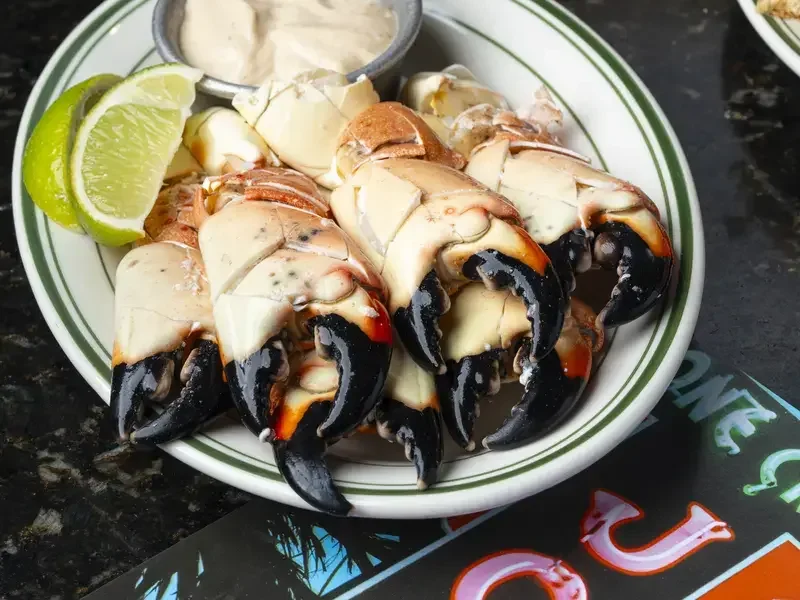
Stone crabs are best served chilled with a creamy mustard-based sauce. The hardest part, though, is cracking them.
A pro tip from Weiss: “Cover the claws under plastic wrap or a plastic bag to keep your kitchen clean while still allowing you to see what you’re doing.” Use a hammer or mallet, and don’t be afraid to give it a good whack—but be careful not to over-crack. “If you don’t use enough pressure the first time, you can always give it another whack, but if you use too much force, you can damage the meat,” explains Weiss, who notes that expertly cracking a claw takes just three to four motions—one in each segment of the claw.