A Change Is Gonna Come
There was no single rock-bottom moment. The restaurant was thriving, which made things more complicated. But in the back of his mind, Brad could see where the road would lead. A DUI. Hurting himself. Hurting someone else. Calling Greg from jail after wrecking his car. The thought kept coming back that the clock was winding down.
There was also the reality of the business. Parts of it, including the alcohol permit, were in his name. The responsibility weighed heavily on him.
A friend eventually confronted him. She had gotten sober herself. “You have a problem,” she told him, “you are an alcoholic.”
At first, he dismissed it. She pushed him. Don’t drink for twenty-four hours. Come to an AA meeting. He made it, almost to the minute, and went with her that afternoon. Listening to people share their stories, he began to recognize parts of himself. It started to click that being on opioids as a kid had normalized being in an altered state, that his whole life had been shaped by allowing himself to be on drugs when he was free of any responsibility.
That night, January 18th, 2023, he wrote:
“Today I went to an Alcoholics Anonymous meeting. Never done that before. Didn't know what to expect. I have to admit I was overwhelmed with happiness and relief. It was fun and it was sad. It gave me some hope and it made me realize that I can be a better person for myself. Alcohol has completely taken over me. I have an addictive personality and I am addicted to alcohol and I want to stop. I am tired. My body hurts. I struggled to go one day without a drink. In fact, I can't remember the last time that I went twenty-four hours without a beer before today, but today will be that day and tomorrow will be that day. Today I'm sober. Today is a new start. Today, I want to be sober and tomorrow I want to be sober too. One day at a time.”
My Way
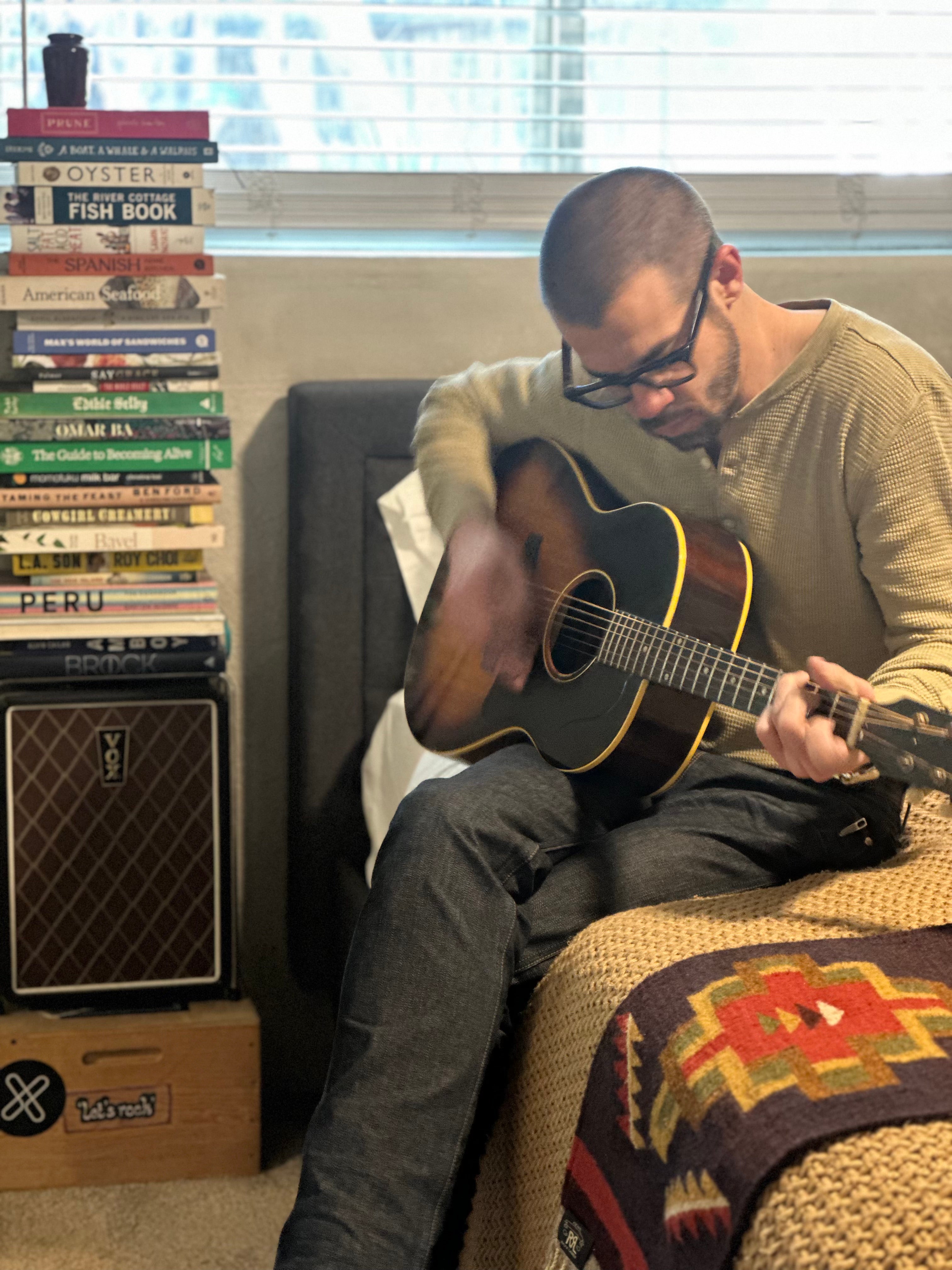
That day became the beginning of his new life. He went back to music, back to guitar, back to listening with intention. Junior Kimbrough, R.L. Burnside, Son House. He put his electric guitar away, too tied to drinking, and focused on acoustic. Just him and the instrument.
He and Jonathan stayed close during this time, talking through the changes and supporting each other as they navigated their lives and careers. Within a year, he quit smoking cigarettes and started working out after work, filling the hours that used to be the most dangerous. Some friendships faded, but a new feeling replaced them, a sense of being okay on his own.
Loss and Resolve
A little over a year into his sobriety, Jonathan Whitener died. As one of his closest friends, someone who had been there through the highs and lows, losing him shifted everything. It was, for Brad, the end of any belief that he could ever go back to any kind of indulgence
“It brought me down to earth,” he said. “I used to feel invincible.”
They had talked about growing old as chefs together, opening restaurants, continuing to dig into music. Jonathan’s career was picking up again, he was happy, his restaurants were doing well, and then he was gone. The loss sharpened Brad’s focus. It made the path forward clear.
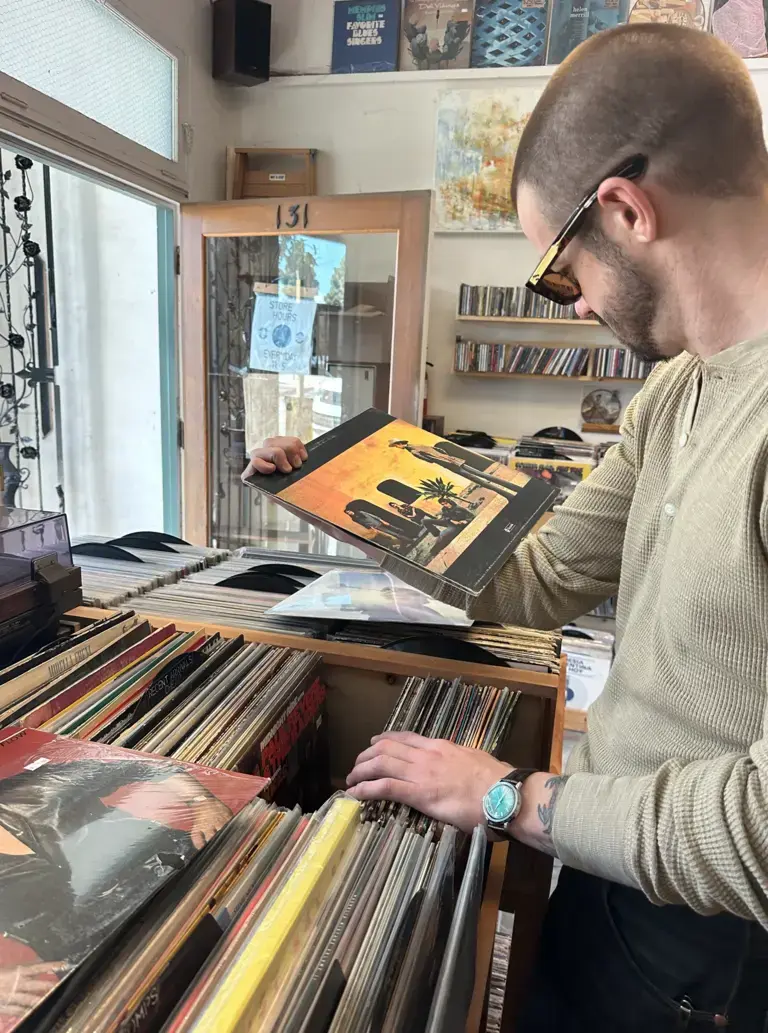
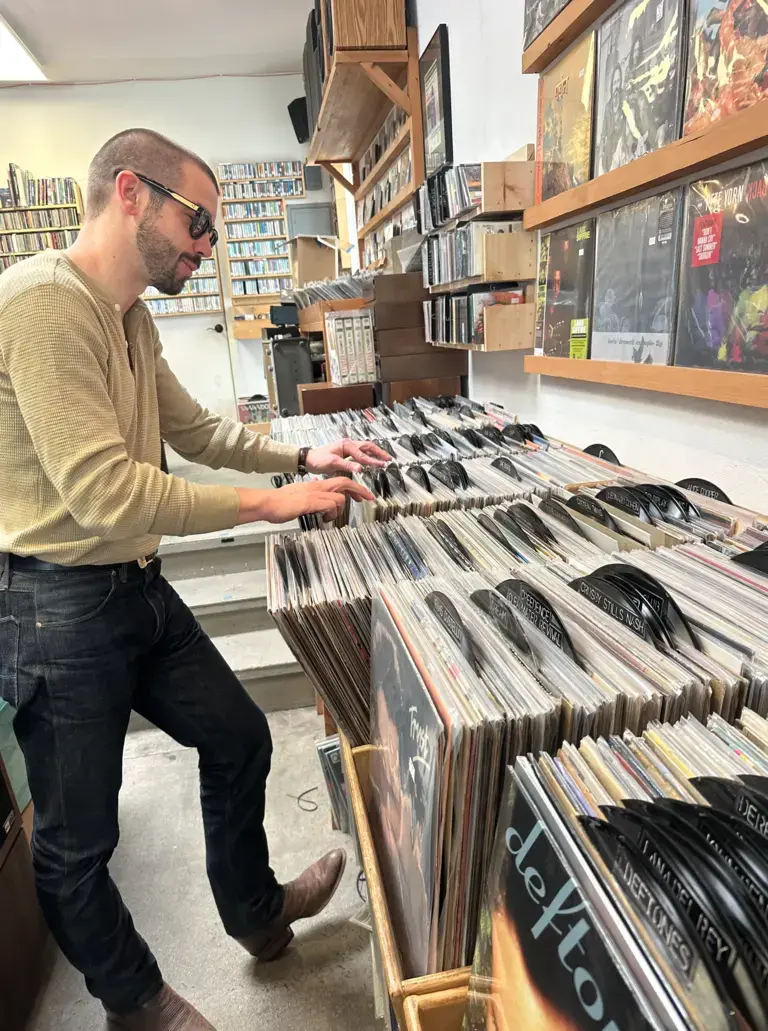
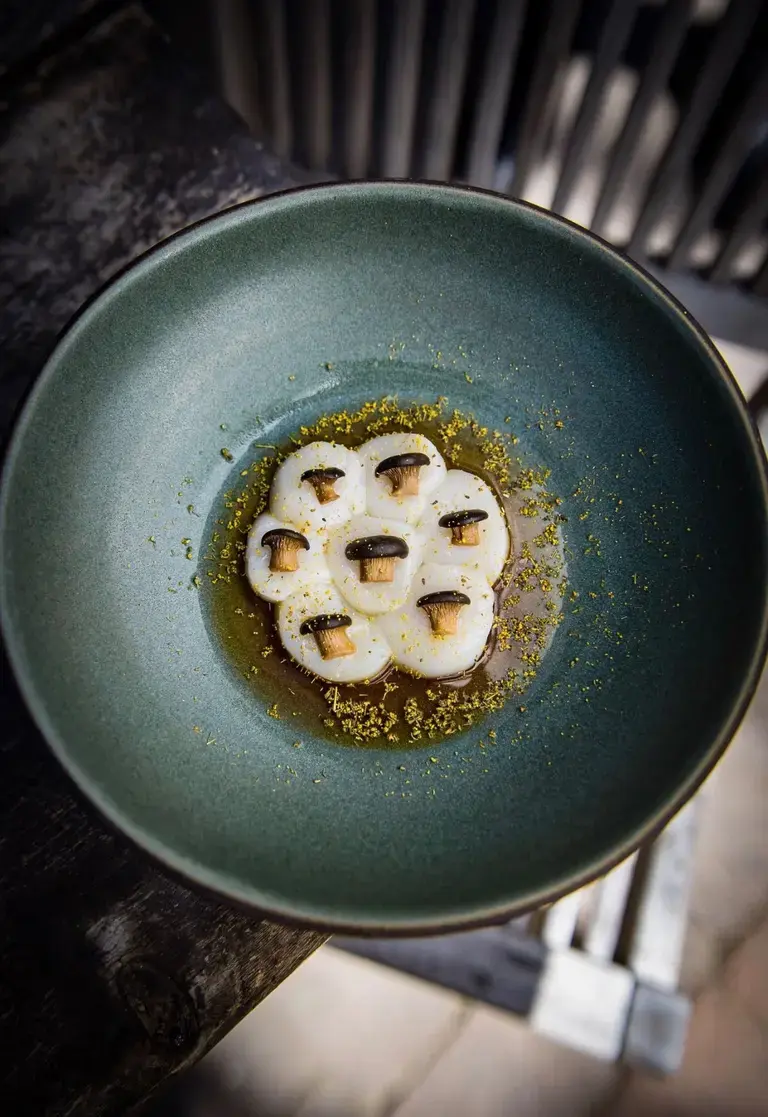
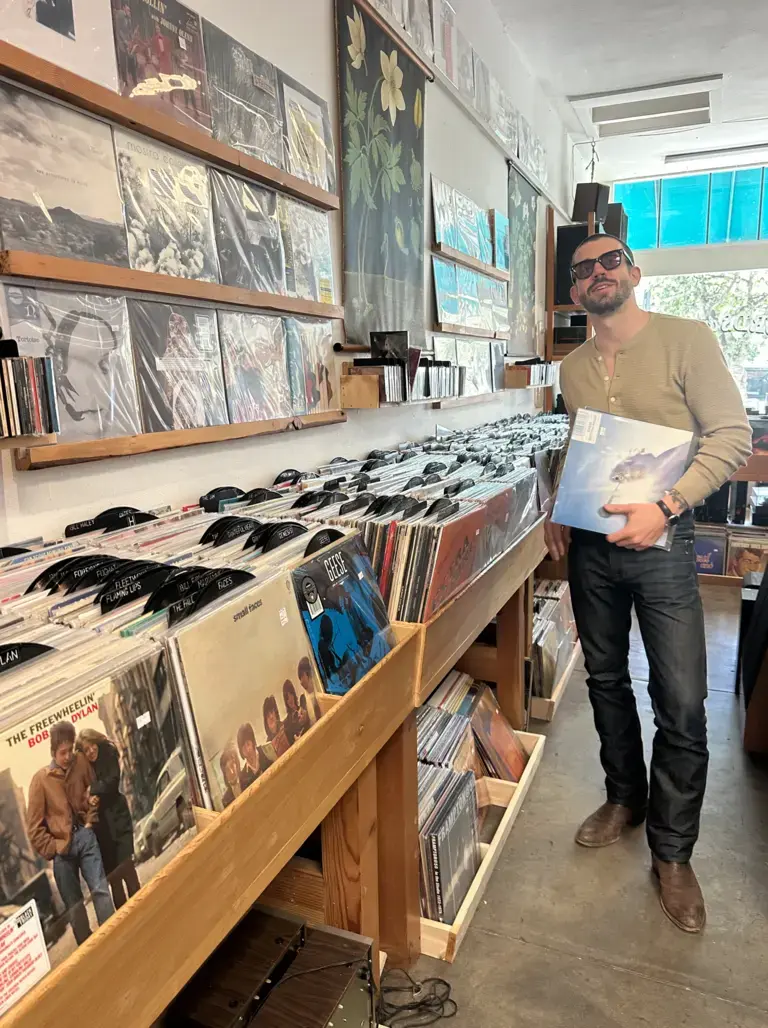
Around that time, Greg sent him the first Zach Bryan record. Brad connected deeply with the storytelling, songs about addiction, family, and coming out changed on the other side. He leaned into everything, playing more guitar, refining his menu, buying cookbooks, buying records, arranging flowers for the restaurant. He wanted physical things around him, things he could touch and return to.
Five years into Bar Le Côte and nearly three years into sobriety, his life had settled into a new rhythm.