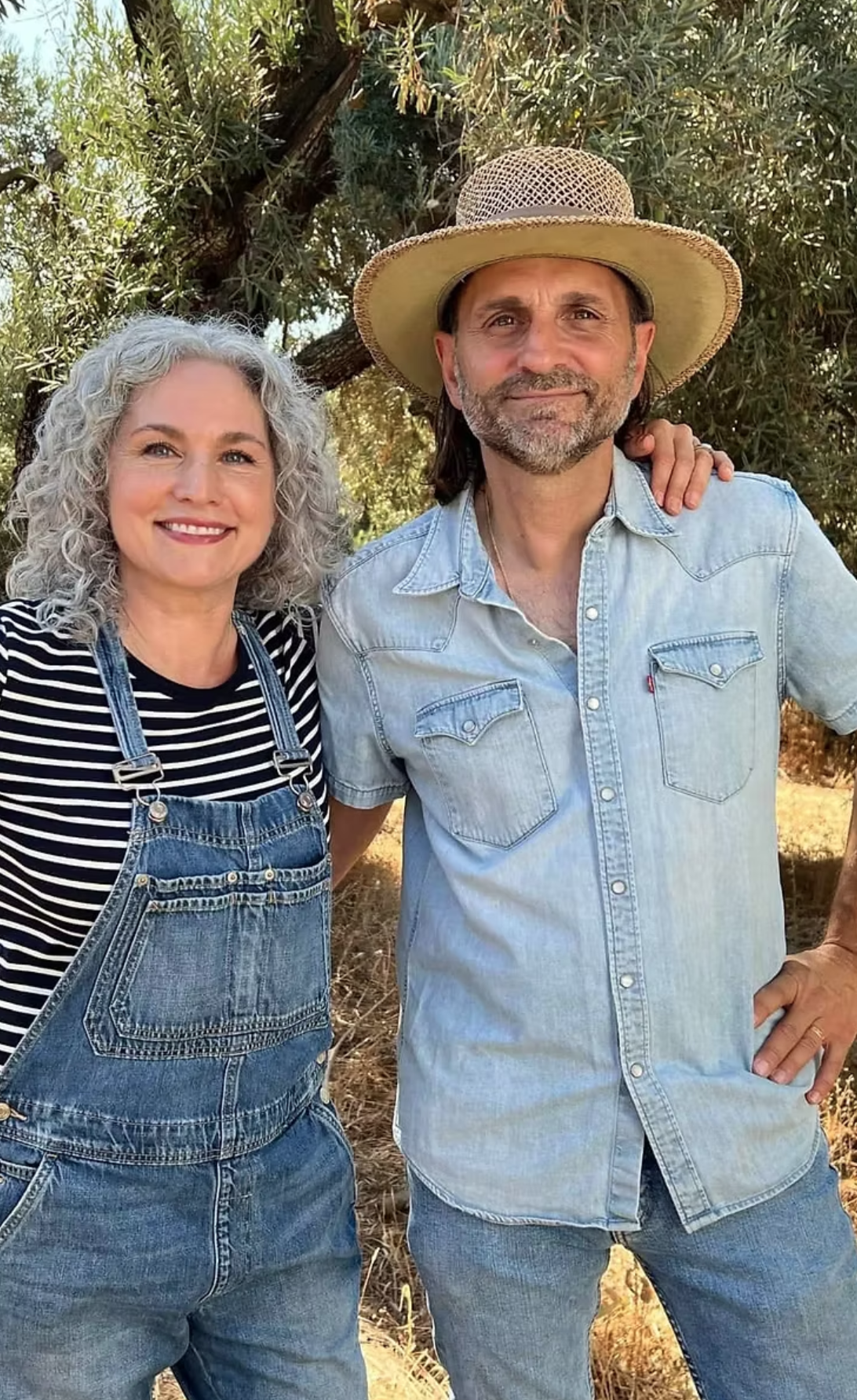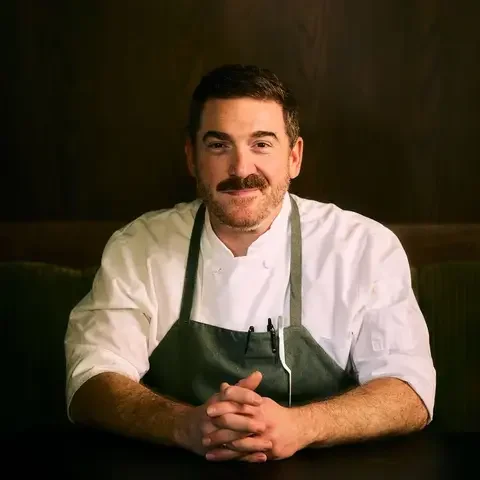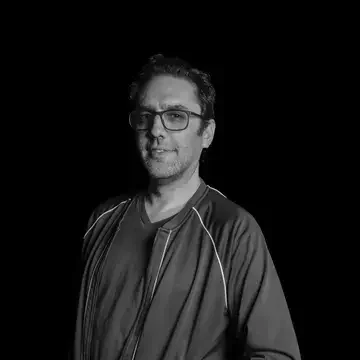
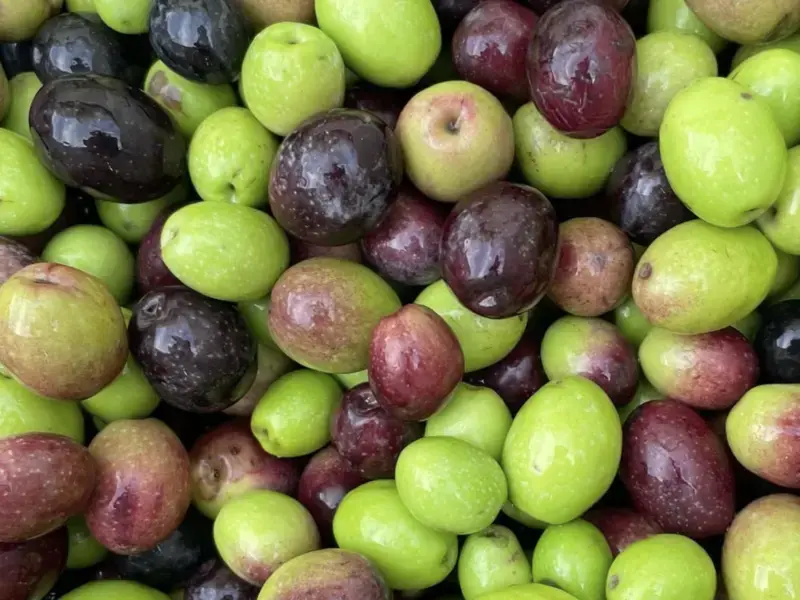
In California’s Central Valley, the olive trees on Giulio Zavolta’s ranch lean with age. Their trunks twist like driftwood, their roots gripping dry soil that has waited generations to be tended again. For years, the land was forgotten, its 150-year-old trees left to grow wild. Today, Zavolta spends his weekends pruning, tasting, and listening. The work has become less a business than a restoration—of the grove, of a lineage, of himself.
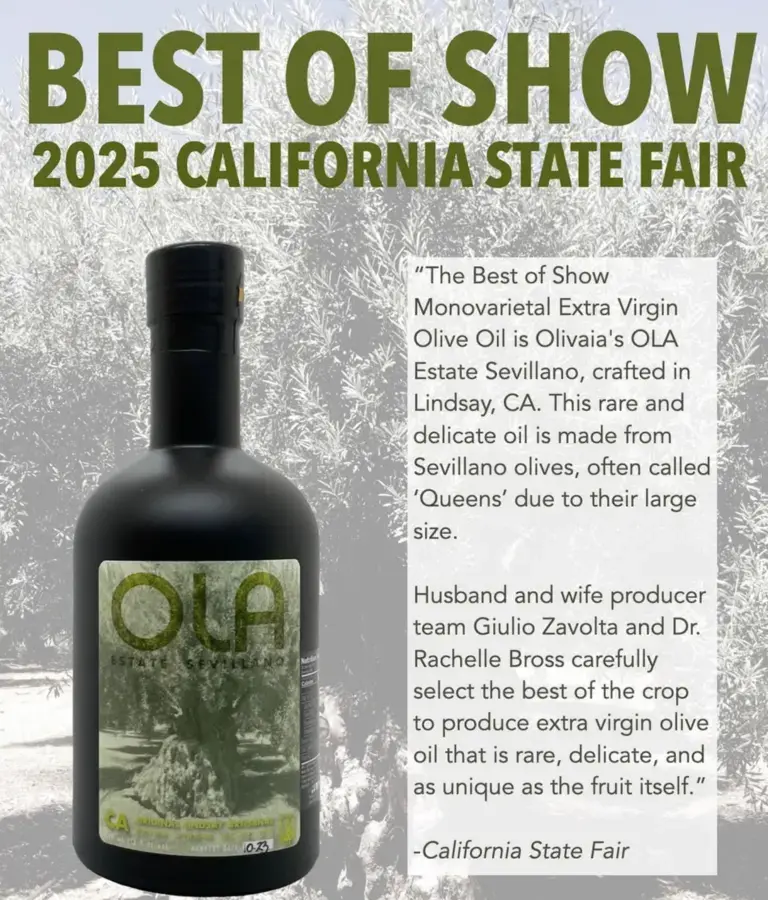
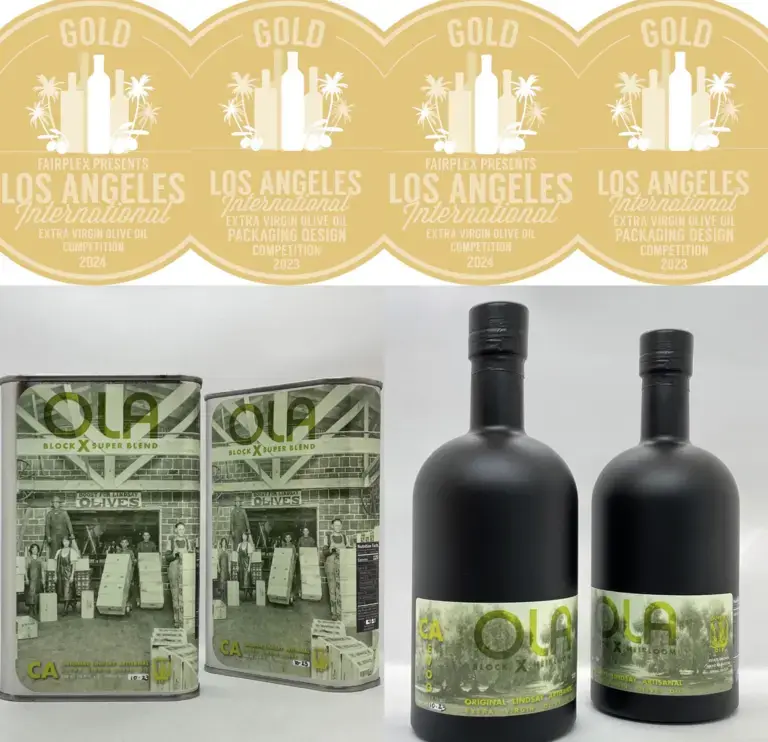
An architectural designer by training, Zavolta once measured his life in blueprints and deadlines. He never imagined he would inherit the unfinished story of his great-grandfather’s olives. But what began as a friendship with a Culver City deli owner—the late Albert Vera, a fellow Italian immigrant and former mayor—would lead him to the property next to Vera’s own groves, where he and his wife, Rachelle, now produce some of California’s most decorated oils.
The path from drafting tables to olive presses wasn’t planned. It unfolded slowly, through mentorship, loss, and a pull that felt ancestral. Zavolta still describes it as something closer to destiny than design.
The Inheritance Skipped
Before founding Olivaia, Zavolta was an architectural designer in Los Angeles, newly married, raising a young family, and building a career he loved. His Italian roots were something he carried quietly—a lineage of olive growers that had faded after his father left Italy at eighteen. “We sort of lost our connection to olives,” Zavolta says. That connection returned unexpectedly through Albert Vera, the Culver City mayor and owner of Sorrento Italian Market.
Vera, known as much for his generosity as for his civic leadership, took an immediate liking to Zavolta when they met in the early 2000s. “He started treating me like family,” Zavolta recalls. “I’d go there every week, and it was like I wasn’t paying for three-quarters of the things in my basket.” Two years into their friendship, Zavolta brought Vera a bottle of olive oil his parents had carried back from Italy. “It was like I gave him gold,” he says. Vera insisted he come north to visit his olive groves.
When Zavolta finally accepted, he found himself in the middle of harvest season. “He had about nine hundred pickers,” Zavolta says. “It was in the middle of harvest, and I could not believe what I was seeing. There were olives everywhere, people everywhere. It was very, very exciting.” After dinner that night, Vera spoke about arriving in America with nothing, building a life through his deli, and serving his community as mayor. He asked Zavolta if he might want to get involved with olives himself. “I told him I had just started my career. I couldn’t give that up,” Zavolta says. “He told me to think about it.”
Vera never stopped bringing it up. His wife even offered Zavolta part of their 860-acre property. Zavolta always declined. “It wouldn’t feel right,” he told her. “You’re family.” Within a year, both Albert and his wife passed away. “It was a terrible loss for us,” Zavolta says.
Their son, also named Albert, eventually took over the family business and reached out to Zavolta. “He said, ‘My dad wanted you to get involved. If you ever want to, I’ll make it happen.’”
That invitation reignited something. Zavolta and his wife began searching for land of their own. “We told a broker we wanted something small—five acres at most,” he says. “We didn’t have a lot of money.” Then they received a listing for twenty acres. It was far beyond what they had budgeted, but when Zavolta looked it up online, he realized it bordered Vera’s property.
“I almost wanted to cry,” he says. “Somehow we felt there instantly was a bond with our property because of this history.” He cashed out his retirement savings for the down payment and offered thirty-five percent below asking. Within hours, the owner accepted.
The land he bought was overgrown and in ruin, its trees more than a century old. But it was his. And in those rows of tangled branches, the story that had skipped a generation found its way back to him.