Fire as an Ingredient
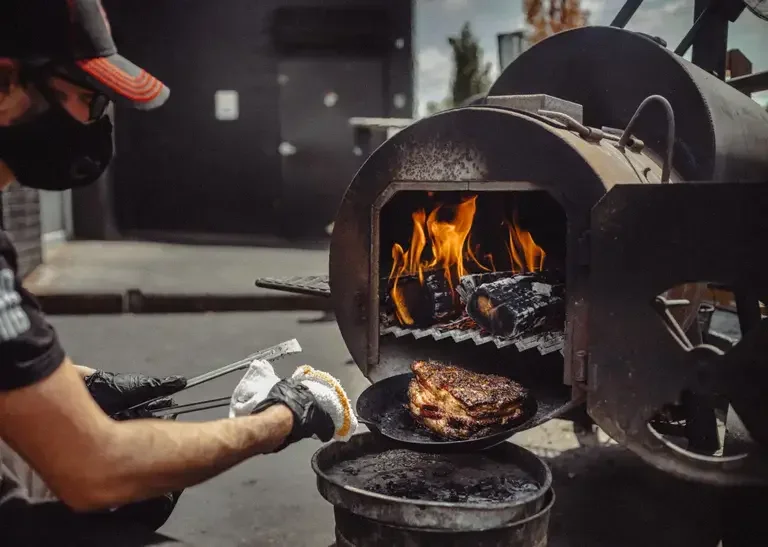
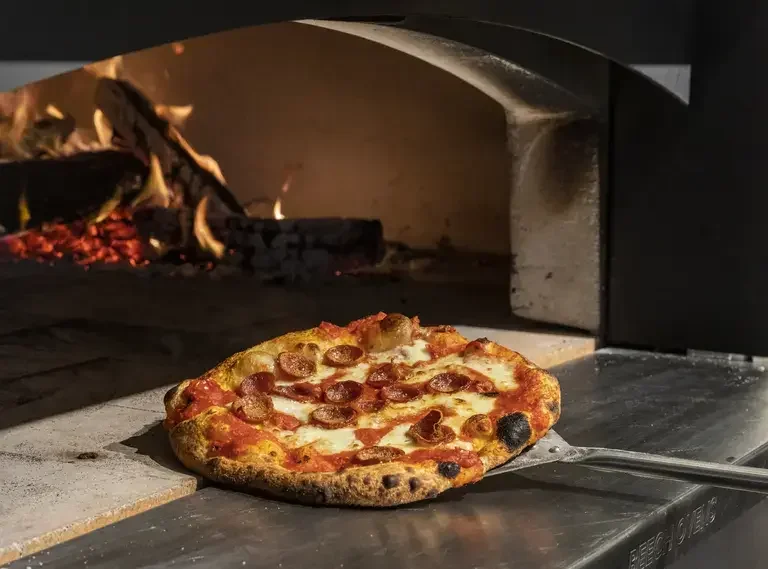
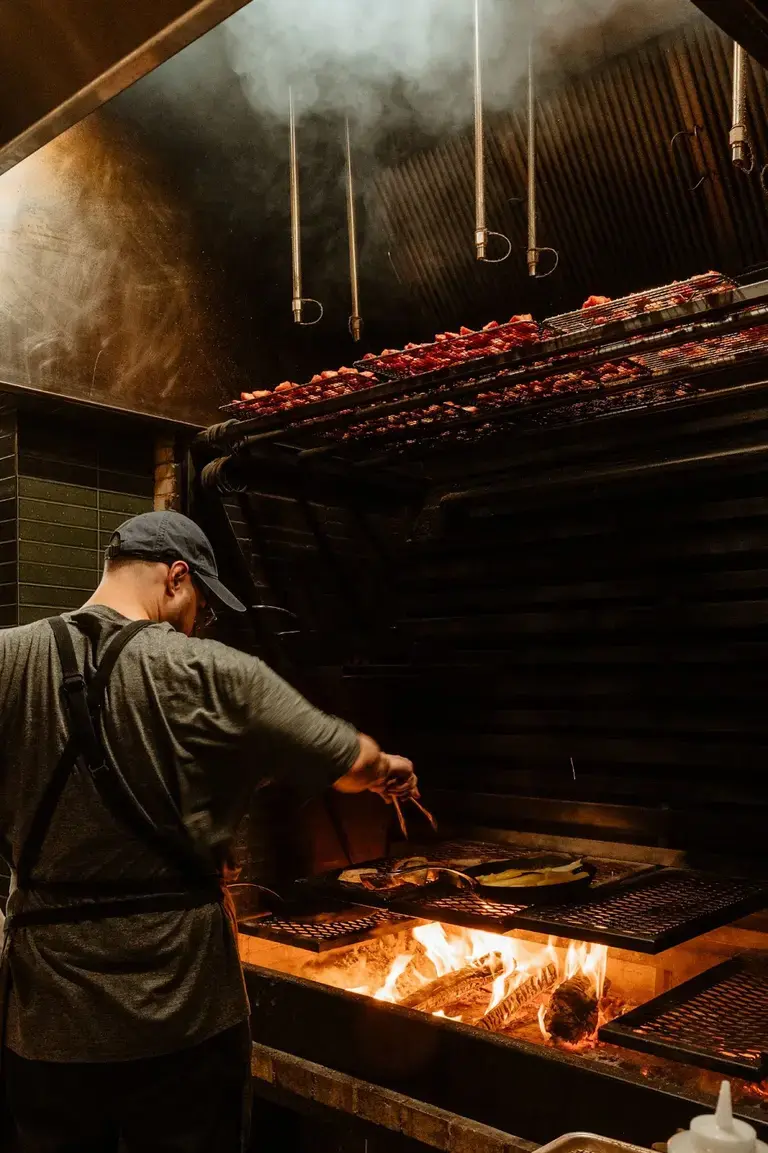
Of course, philosophy alone wouldn't explain the resurgence of live-fire cooking. Fire also produces flavors and textures that are difficult to replicate any other way.
"Live fire cooking with wood and coals allows the fuel to become flavor," says Fletcher.
The influence extends beyond smoke. At Stellar Jay in Denver, executive chef Blaise Colamarino points to the range of heat live fire provides, from direct flame to slow cooking over coals. "It gives you multiple layers of heat to work with at once," he says, allowing chefs to approach a single ingredient in different ways across the hearth.
For Poremba, the impact is often most noticeable in texture. "It's the bark on steak, the crispy skin on fish or chicken," he says. "That sharp contrast between the caramelized exterior and the tender interior."
Vegetables may be the clearest example of fire's transformative power. "Vegetables do incredibly well," says Riccio. "Fire brings out their natural sugars and adds complexity."
At The Dixboro Project in Michigan, chef Garrett Lipar uses carrots as an example. "It transports such a simple ingredient into something incredibly complex," he says, citing the deep browning and rich flavor created in a wood-fired hearth. Rapicavoli agrees, highlighting ingredients such as mushrooms and greens that absorb smoke and heat in ways that amplify their character.
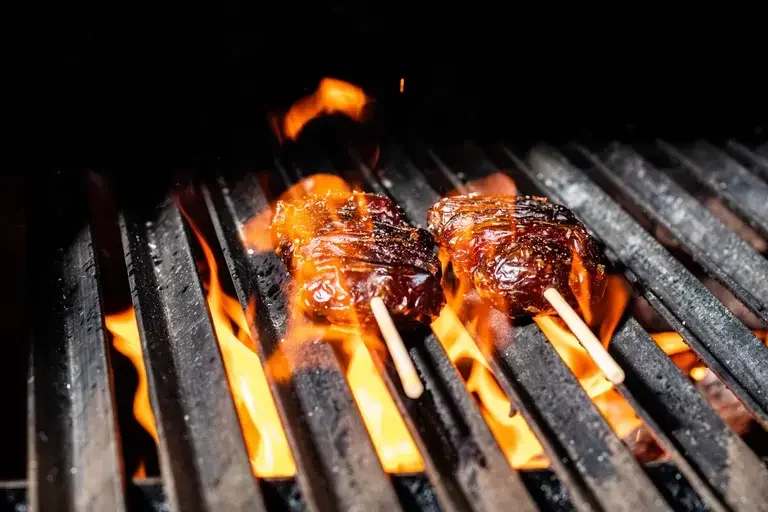
In some cases, fire doesn't simply enhance an ingredient. It becomes the defining characteristic of the dish. At Mayfair Grill, Rapicavoli singles out his grilled dates, which become "smoky, caramelized and chewy" over the flame. The transformation is so dramatic that he says they become "bigger than itself."
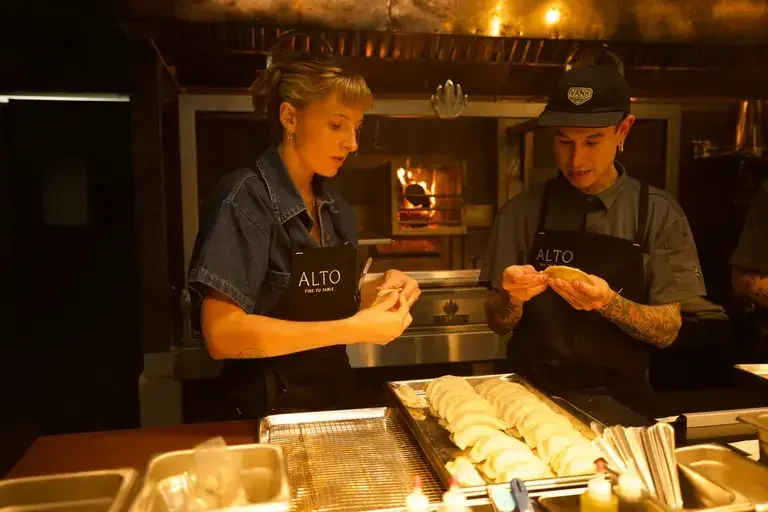
Even chefs who use live fire regularly are careful not to let smoke dominate. At Alto, Castellanos compares it to seasoning. "For us, the smokiness is like salt," she says. "You don't want to add too much, but every dish is elevated by it." Fire can easily overpower. Knowing how much to use is often as important as knowing when to use it.
For all its appeal, live fire has limitations.
Rapicavoli is quick to name one: grilled watermelon. Others caution that certain ingredients demand a lighter touch. Sugar-heavy foods can burn before they properly cook, while more delicate ingredients require careful management of heat and distance from the flame.
There are misconceptions, too. Some diners assume everything cooked over fire should taste intensely smoky. Others equate char with overcooking. In practice, chefs say the opposite is often true. The goal isn't intensity for its own sake, but balance.
That's why many of the chefs most devoted to live fire spend as much time talking about moderation as they do smoke. The challenge isn't getting flavor from the fire. It's knowing when to stop.
Live fire demands patience, attention, and a willingness to give up a degree of control. In an era defined by precision, that may be exactly what chefs are looking for.