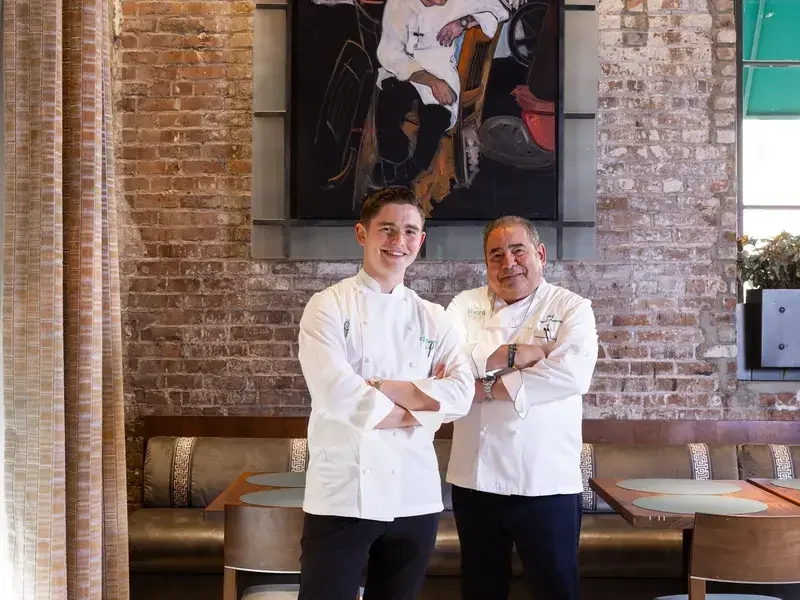
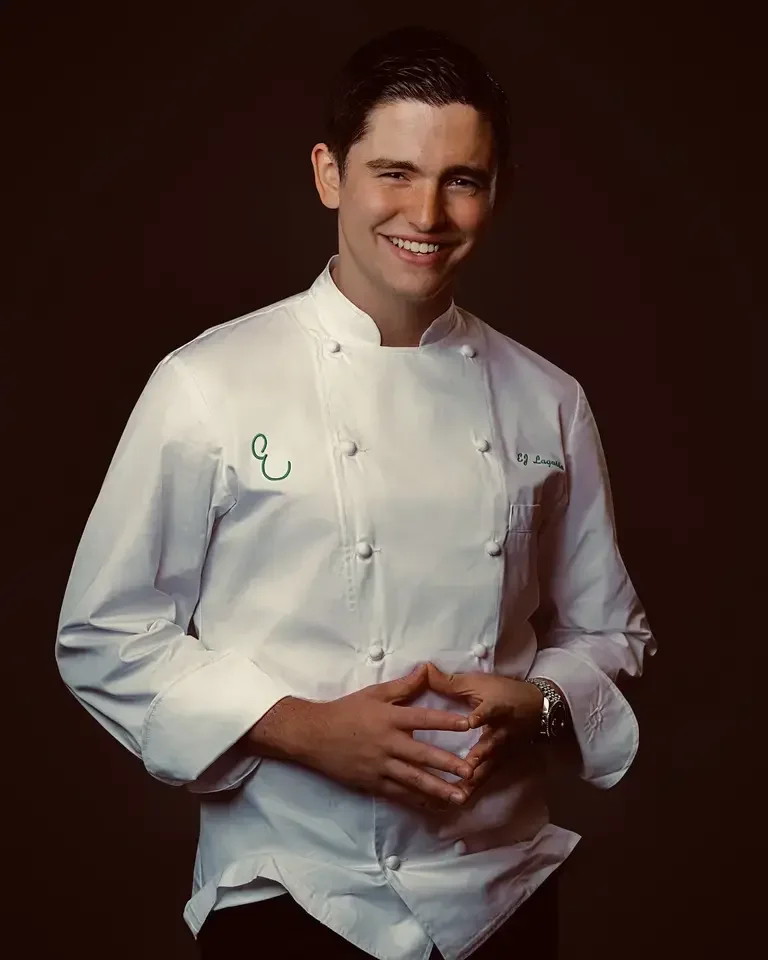
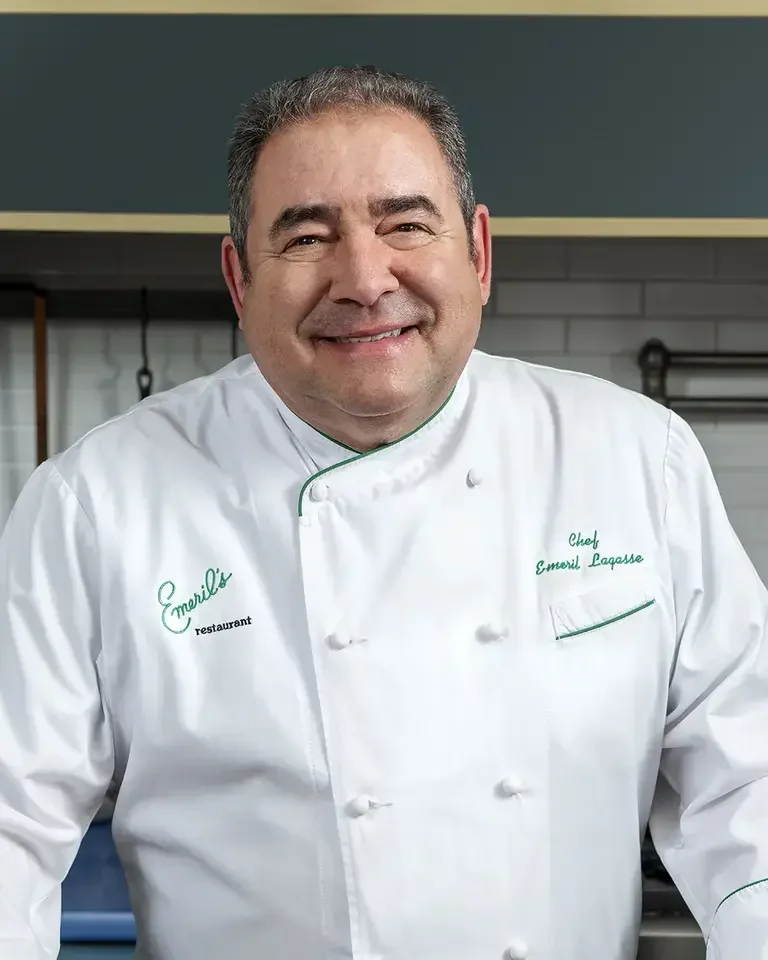
At 15, E.J. moved into an apartment his parents rented a short walk from Le Bernardin in Manhattan. His father dropped him off, then left E.J. there to work under Éric Ripert. Sending his son away had always been part of Emeril’s plan. “You got to leave,” he said. “You got to leave the nest, and you have to go learn from some other people.” Ripert quickly became, in Emeril’s words, “like his second dad.”
E.J. arrived with one request. “I asked Chef not to tell people who I was,” he recalled. “That lasted like two days.” The request didn’t last, but the reason behind it did. He wanted to earn credibility before anyone judged him by his last name. He created his own benchmarks. Clean the floors faster than anyone else. Pack away the fish more efficiently. If a chef asked him to do something, do it better than anyone else. Today, he applies the same standard at Emeril’s. “My fish cook needs to know that I know how to cook a piece of fish,” he said. “Otherwise, why would they listen to me?”
After graduating from his father’s alma mater, Johnson & Wales University, E.J. moved to London to work at Core by Clare Smyth. While he was there, his conversations with Smyth turned to the restaurants she believed were setting the standard elsewhere in Europe. Two names came up repeatedly: Plénitude in Paris and Frantzén in Stockholm.
By the time Smyth offered him a permanent position, E.J. had already decided he wasn’t finished learning. “I just... wanted to go see something else,” he said. “Cooking is one of those things; it’s like languages, it’s like art. You can’t know it; you can’t see it all.”
Frantzén was next, though getting there took some persistence. E.J. first reached out hoping to stage in the Stockholm kitchen, only to learn there wasn’t room. A recommendation from Ripert eventually opened the door. What E.J. found inside surprised him. “It was such a relaxed kitchen,” he said. “Nobody was freaking out... you’re listening to Dua Lipa.”
As he moved from one kitchen to the next, E.J. began assembling what he described as a mental “sketchbook.” “I like this. I like this. I like this. I didn’t like this,” he remembered thinking. “If Dad and I ended up doing this together, we’ll do it like this.”
“I finally called him and said, ‘Okay, E.J., it’s time to come home,’” Emeril recalled. “We’re going to do what I’ve been wanting to do for 20-some years.” E.J. returned to New Orleans. “He didn’t come in as, ‘Okay, I just got back from London. I’m the big chef,’” Emeril said. Instead, he learned the brigade, got to know the team, and immersed himself in the day-to-day rhythm of the restaurant before the two began imagining what came next.
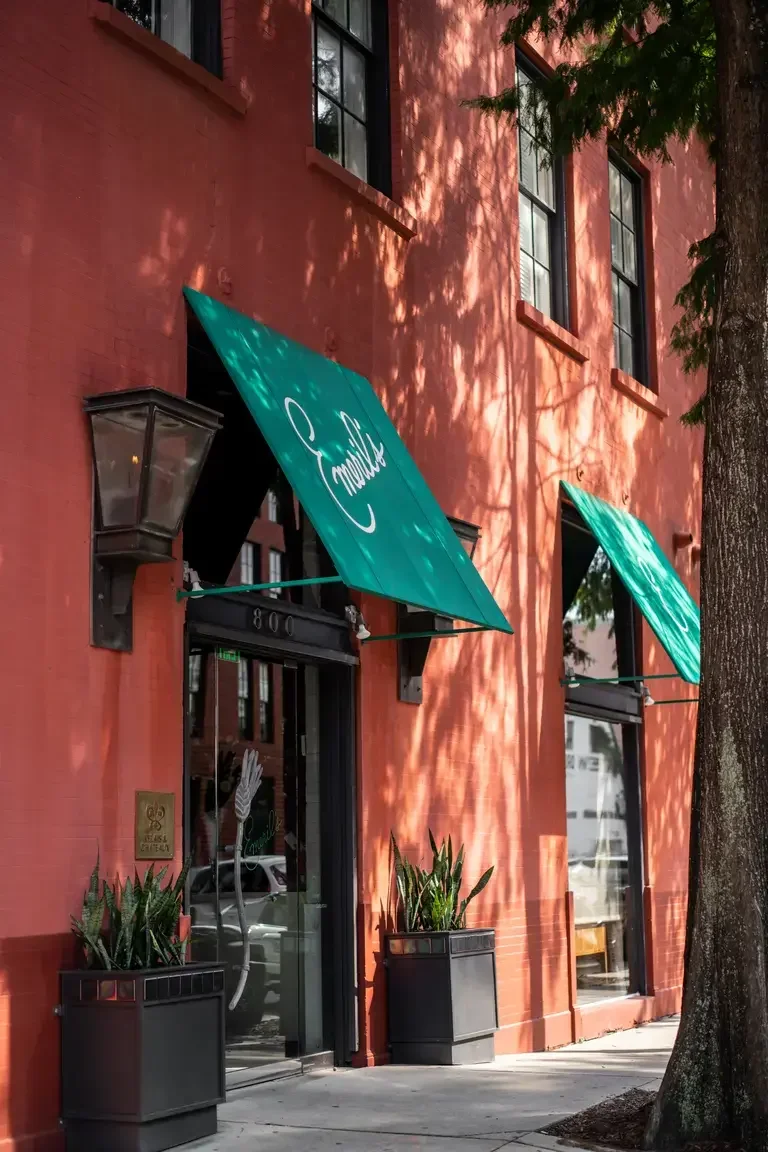
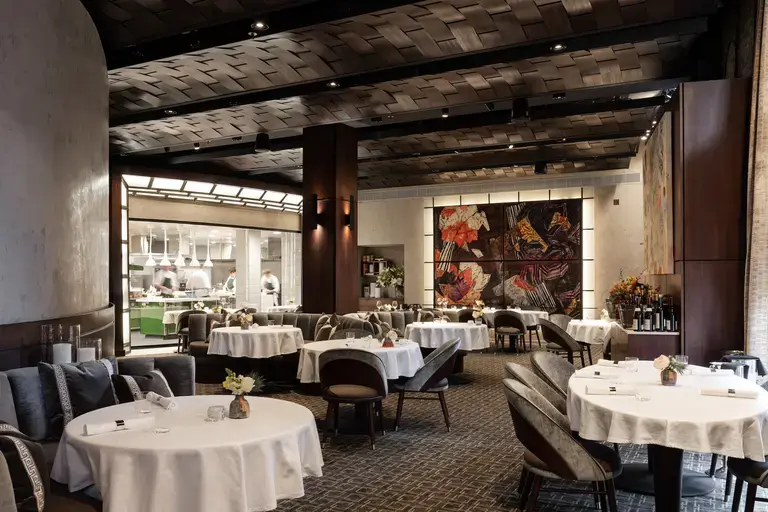
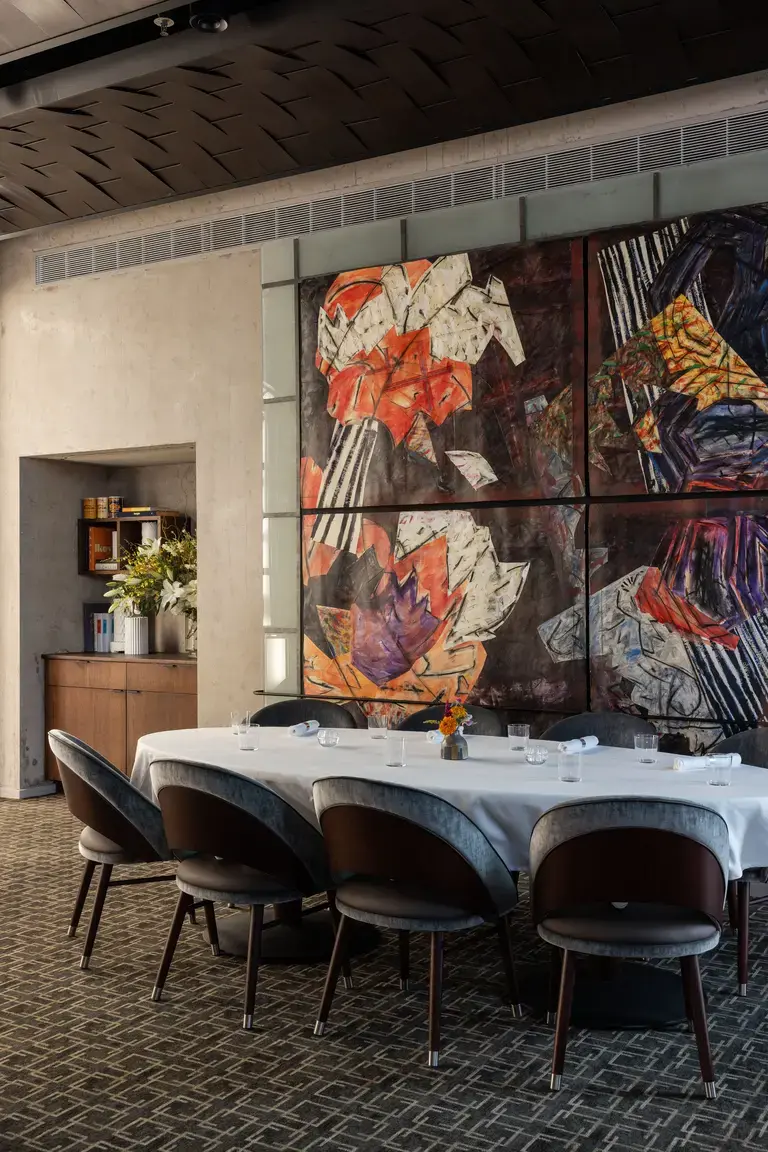
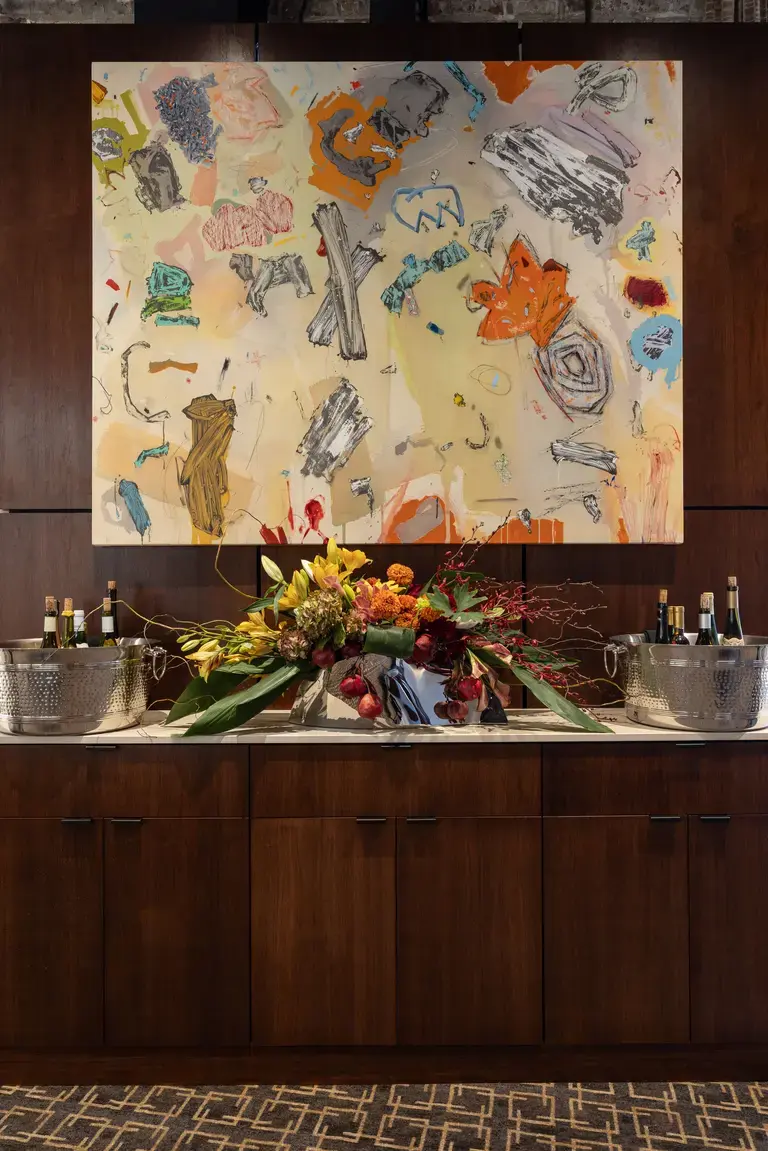
When Emeril’s closed in July 2023 for a 14-week renovation, construction crews gutted the interior, reduced the dining room to about a dozen tables, and rebuilt the kitchen to support tasting-menu service. They debated everything from china and stemware to linens, acoustics, and the flow of the dining room. The dish room was relocated to reduce noise during service, while a floor-to-ceiling glass wall opened the kitchen to the dining room. “We dreamed together,” Emeril said.