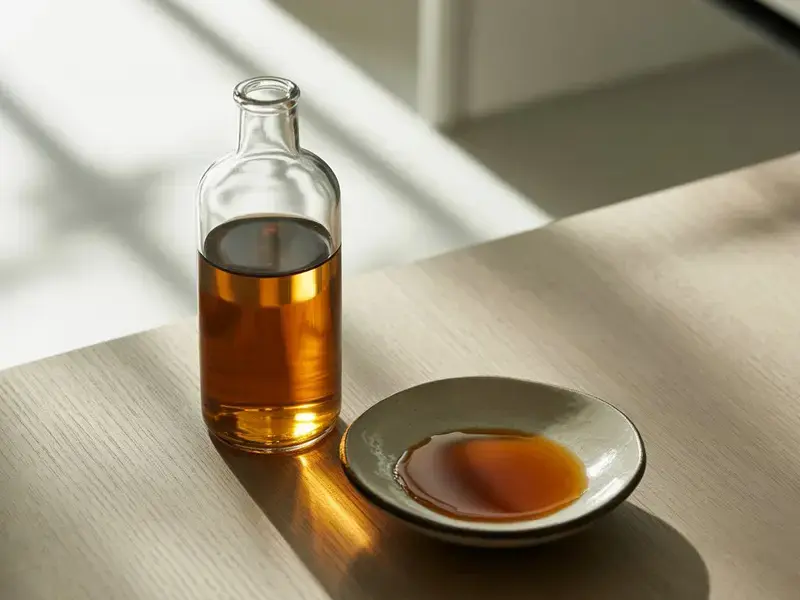
If you have ever wondered what mirin is, what people mean when they say “mirin sauce,” or what mirin is used for in recipes, the short answer is that it is a sweet rice wine that brings gentle sweetness, umami, and shine to dishes. Understanding what mirin is made of, what mirin tastes like, and how to use or substitute it will instantly make your Japanese-style sauces, glazes, and marinades taste more authentic and more balanced.
Below, a guide to the basics: mirin ingredients, main styles, how to cook with it, and what to reach for when you do not have a bottle on hand.
What Is Mirin Made Of?
Mirin is a traditional Japanese condiment made from a combination of:
- Glutinous (mochi) rice
- Koji (rice inoculated with a fermentation culture)
- Alcohol, traditionally shochu or another distilled spirit
During fermentation, the enzymes in koji break down the starches in the rice into sugars. The result is a naturally sweet, low-alcohol rice wine with a syrupy texture.
So if you are asking “what is mirin made of?”, the core answer is: rice, koji, and alcohol, transformed by fermentation into a cooking wine.
In many Japanese kitchens, mirin sits alongside soy sauce, sake, and rice vinegar as a foundational seasoning.
What does mirin taste like?
Mirin’s flavor is:
- Sweet but not sugary – sweetness comes from converted rice starches
- Lightly alcoholic – traditionally around 14% ABV for true hon-mirin
- Umami-rich – it deepens savoriness, especially in combination with soy sauce
- Gently acidic – enough to lift flavors without tasting sharp
When people ask “what is mirin sauce?”, they usually mean a simple sauce or glaze based on mirin plus soy sauce (and sometimes sugar and dashi) that tastes sweet-salty, glossy, and savory.
Main types of mirin
In stores you will often see three main categories of mirin.
Hon mirin (true mirin)
Traditional, fully fermented mirin.
Contains alcohol, rich flavor, and balanced sweetness.
Best for cooking when you want depth and authenticity.
Shio mirin (salted mirin)
Contains added salt to avoid being classified as an alcoholic beverage.
Similar flavor but slightly less versatile because of the salt; you need to adjust seasoning in your recipe.
Mirin-like seasoning (mirin-fu)
Often lower in alcohol or alcohol-free.
Sweetened and flavored to mimic mirin.
Common in supermarkets; works in a pinch, but flavor can be flatter and more sugary.
How to Use Mirin in Cooking
If you are wondering what mirin is used for, think of it as a seasoning that adds sweetness, umami, and gloss while helping sauces cling to ingredients.
Glazes and tare
Mirin + soy sauce + sugar (and often sake or dashi) makes a glossy glaze for teriyaki-style dishes, grilled eel, yakitori, and roasted vegetables.
Simmered dishes (nimono)
Mirin softens strong flavors and adds shine in dishes where fish, meat, or vegetables are simmered in seasoned broth.
Sauces and dressings
Small amounts in dipping sauces, noodle broths, and dressings smooth out saltiness and add body.
Marinades
Combined with soy sauce, ginger, garlic, and sake, mirin helps season proteins and promotes browning when cooked.
A few practical tips:
- Add mirin early in long-simmered dishes so the alcohol can cook off and the sweetness can integrate.
- For quick pan sauces, reduce mirin briefly with soy sauce until slightly syrupy; this is essentially a simple “mirin sauce” you can pour over fish, tofu, or vegetables.
- Be mindful of sugar: mirin is naturally sweet, so you often need less added sugar than a recipe without mirin would require.
Best Substitutes for Mirin
If you do not have mirin, the best substitutes aim to replicate its sweetness, mild acidity, and light alcohol. You cannot get it exactly right, but you can get close enough for most home cooking.
Sake + sugar
Combine about 3 parts sake with 1 part sugar, then use in place of mirin.
This combo is especially useful in Japanese recipes and overlaps with common substitutes for sake in cooking, where both alcoholic and non-alcoholic options are explored.
White wine or dry sherry + sugar
Use a mild white wine or dry sherry and add a small amount of sugar; start with about ½ teaspoon sugar per tablespoon of wine and adjust to taste.
Rice vinegar + sugar (non-alcoholic)
Mix rice vinegar with sugar and a splash of water to reduce acidity.
This works when you want the sweet-sour balance but need to avoid alcohol entirely.
Mirin-style seasoning
If your store carries mirin-fu or “aji-mirin,” you can use it in the same quantity as mirin, but reduce or omit other sugar in the recipe since it is often sweeter.
When you are thinking about how to make mirin at home, what you are really doing is making a mirin-style seasoning: combining a mild alcohol (or mild acid) with sugar to approximate mirin’s sweetness and body. Authentic mirin is a fermented product, so it cannot be reproduced exactly with a quick mix, but these substitutions perform well in most recipes.
Storage, Shelf Life and Tips
Mirin is relatively low-maintenance, but storage depends on the type.
Hon mirin
Because of its alcohol content, it is shelf-stable.
Store tightly sealed in a cool, dark place.
Once opened, it keeps for months; many cooks still prefer to refrigerate it to preserve aroma.
Mirin-like seasoning (low or no alcohol)
More perishable than hon mirin.
Refrigerate after opening and use within the time suggested on the label (often a few months).
Shio mirin
Treat similarly to hon mirin; the added salt also helps preservation.
General tips:
- Keep bottles away from direct light and heat to prevent flavor loss.
- If mirin darkens significantly or develops off smells beyond its usual sweet aroma, it is best to replace it.
- When using substitutes, make smaller amounts fresh instead of storing them long term, since sugar and wine or vinegar mixtures can lose balance over time.
Once you understand what mirin is, what it is made of, and how it behaves in the pan, it becomes much more than a mysterious bottle in the pantry. It turns into a reliable tool for adding sweetness, umami, and gloss to everything from classic Japanese dishes to simple glazed vegetables and pan sauces in your everyday cooking.