
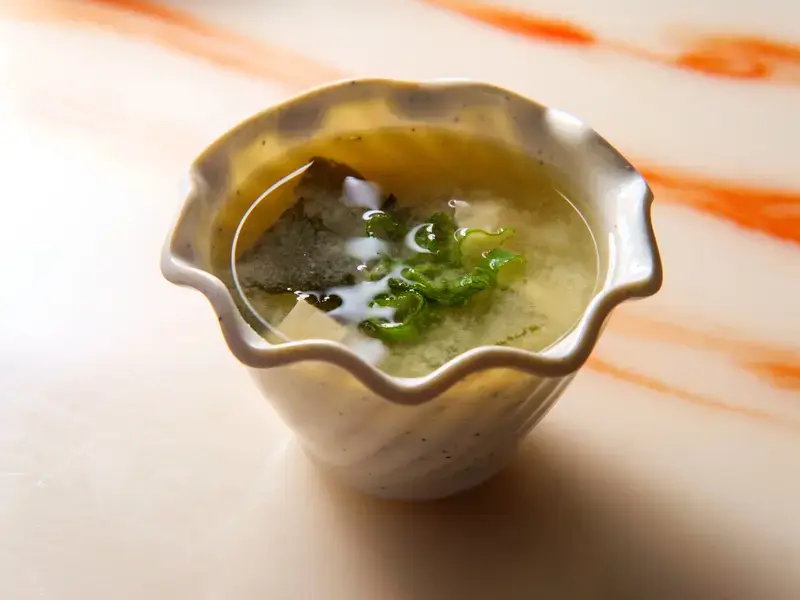
Long recognized in Japanese culinary tradition, umami was officially identified as a distinct taste in the early 20th century by scientist Kikunae Ikeda. Derived from the Japanese word meaning “pleasant savory taste,” umami is often described as mouth-filling, brothy, or meaty. Unlike the immediate impact of sweetness or saltiness, umami lingers and builds, creating a satisfying sense of completeness in a dish.
What Is Umami and Where Does It Come From?
Umami arises from the presence of glutamates and certain nucleotides naturally found in food. Ingredients rich in these compounds include aged cheeses, tomatoes, mushrooms, cured meats, and seafood. The deep savoriness that umami imparts is what makes Parmesan cheese addictive or a slow-simmered broth so comforting.
Beyond Japan, umami appears in culinary traditions around the world, from anchovy-laden Italian sauces to long-fermented Korean kimchi. For a closer look at other tastes, see our exploration of the five basic taste sensations.
Key Ingredients That Deliver Umami
Some of the most concentrated umami sources include kombu (sea kelp), dried shiitake mushrooms, miso, soy sauce, fish sauce, and certain aged or fermented foods. Slow cooking, curing, and aging are processes that enhance umami by breaking down proteins into glutamates and intensifying flavors.
Refer to our guide on foods naturally high in umami to explore ingredients to incorporate in your next recipe.
How Chefs Use Umami to Balance Flavor
In fine dining and contemporary kitchens, chefs view umami as a tool to balance and amplify other tastes. It can anchor acidity, soften bitterness, and deepen sweetness, creating a harmonious overall profile. Umami-rich components might appear as dashi-based broths, aged sauces, or garnishes like shaved bottarga.
Rather than dominating, umami works as a backdrop, allowing other flavors to resonate more clearly. This layered approach to seasoning is a hallmark of modern culinary artistry.
Examples of Umami-Rich Dishes
Dishes that exemplify umami range from classic miso soup and ramen to beef bourguignon and mushroom ragù. Even a simple tomato confit on toasted bread gains unexpected depth through slow roasting, which enhances umami compounds.
Aged cheese boards, anchovy butter on grilled vegetables, and soy-glazed eggplant are additional examples where umami is the unifying thread, binding textures and lifting aromatics.
Umami vs Other Tastes: Understanding the Difference
Unlike sweet, sour, salty, or bitter, umami offers a subtle yet profound satisfaction. It doesn’t overwhelm but rather integrates and magnifies. Foods rich in umami tend to be craved rather than merely enjoyed, often leaving a lingering sense of completeness on the palate.
Learning to recognize and harness umami is a defining skill for chefs and enthusiastic cooks alike. By appreciating this “fifth taste”, culinary creations can move from simple to unforgettable, transforming meals into layered, multisensory experiences.