If you’re new to Japanese cooking, you may not have thought much about cooking with sake yet. So what do you do if you stumble upon a recipe that calls for it and you don’t have any on hand?
All is not lost. Here, we’ll cover seven great alternatives you can use in place of sake in recipes, both alcoholic and non-alcoholic. Before you begin your journey to sake connoisseurship and stock up on a few bottles for next time, let’s get started.
Of course, each sake replacement has its own properties in cooking, so you first need to consider what sake is and its role in the process.
What is Sake?
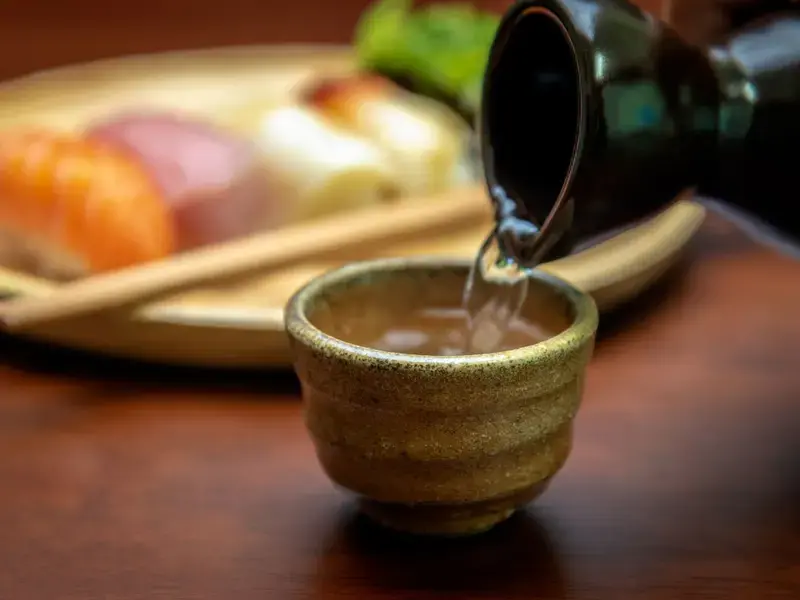
Sake is a Japanese wine made from polished rice. This means the rice’s bran has been removed, giving sake a water-like clarity, unlike other rice wines, which are usually darker.
Sake’s tradition is ancient, dating back more than two millennia, and has evolved significantly since its origins. Early techniques for making sake included treading rice grains to remove their husks and even chewing and spitting out the rice to start fermentation—the enzymes in saliva broke down the starches into sugars, which were then converted into alcohol. Traditionally, sake was brewed in cedar trunks, but the process now uses ceramic or steel vats.
Another shift lies in how the fermented mash, or moromi, is pressed. The process is largely automated now, but some of the best sake is still made by placing the moromi in canvas sacks and pressing it in a compacting wooden box called a fune.
How Does Sake Compare to other Brews or Spirits?
Another interesting thing about sake—and rice wines in general—is that its brewing process is closer to that of beer than to common grape wines. This means starches are first converted to sugars, which are then fermented into alcohol.
Because rice is rich in starch, sake is stronger than the average grape wine. Its alcohol content is closer to that of fortified wines such as sherry and vermouth (more on those later).
What Is Sake Used For in Cooking?
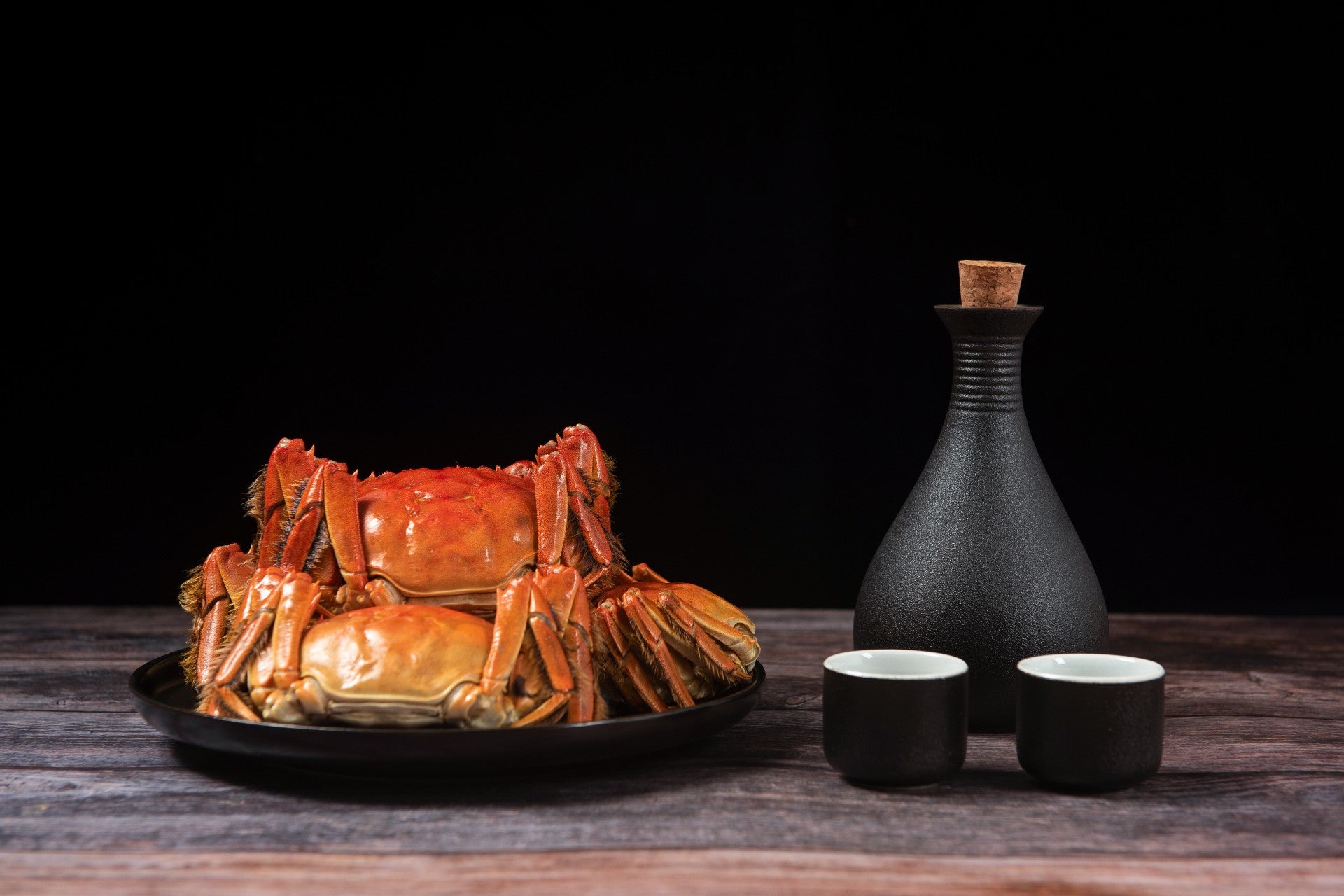
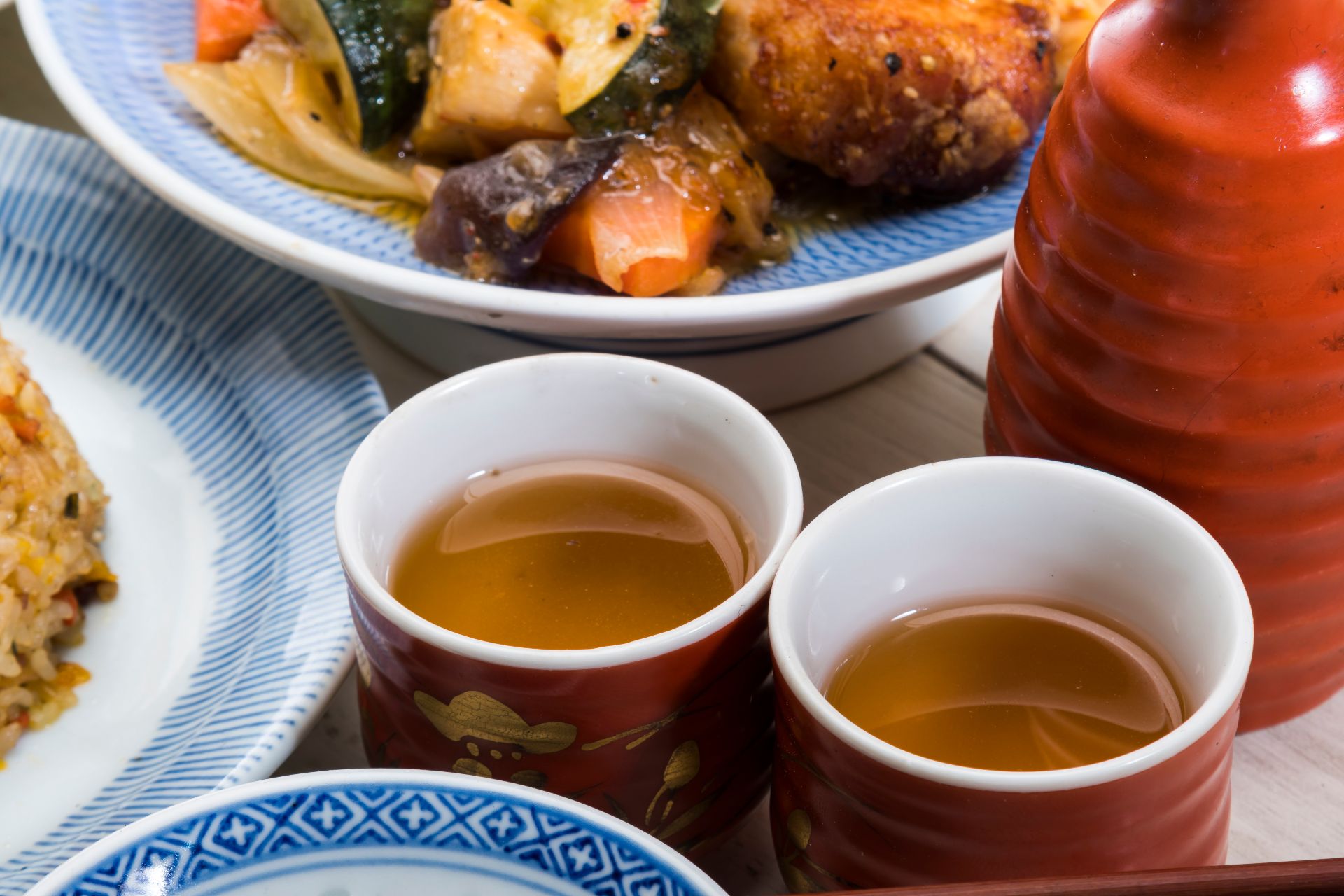
Sake is a Japanese rice wine made from polished rice and has been enjoyed for centuries as both a drink and a cooking ingredient. It’s often served warm in winter, while higher-quality varieties are best chilled to preserve their delicate aromas. There is also sake brewed specifically for use in the kitchen.
In cooking, sake works much like white wine in Western cuisine. It:
- Adds mild sweetness, acidity, and umami
- Tenderizes meat and fish in marinades
- Balances flavors in sauces, broths, and glazes
Sake is simply Japanese rice wine, so the most obvious substitute is, unsurprisingly, rice wine from elsewhere.
These differences don’t matter much for cooking but are worth bearing in mind if you’re making a pale-colored sauce or cooking for someone on a low-sodium diet.
Because of these qualities, the best substitutes are those that mimic its alcohol content and subtle flavor—or replicate its acidity and sweetness without alcohol.