Growing up in Puerto Rico meant cooling off with a refreshing limber on hot afternoons. This icy treat is a childhood favorite after school and just as beloved by adults. In this guide, we’ll explore everything about Puerto Rican limber—what it is, how it became a cherished tradition, and the simple trick to making it at home. You’ll also find flavor-packed recipes, from classic coconut to adventurous peanut butter, that might make limber your new favorite frozen dessert.
What is Limber?
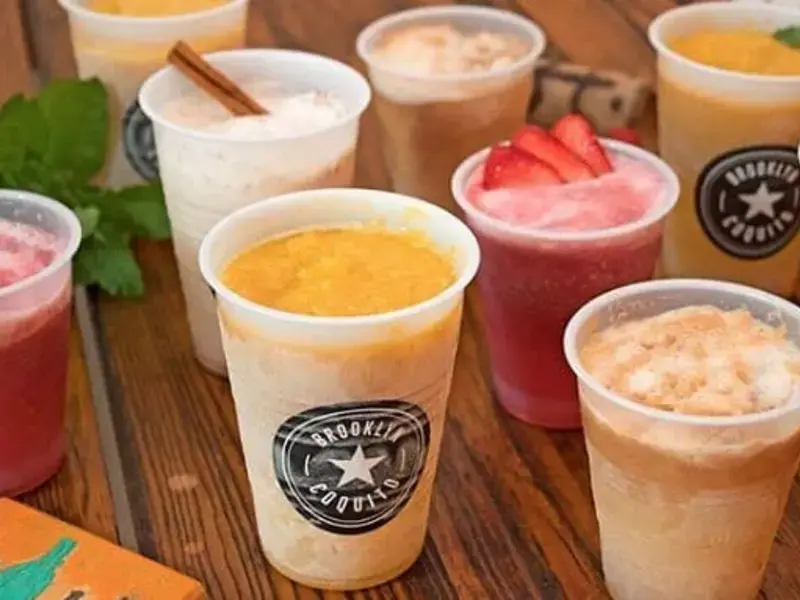
Limber is essentially Puerto Rico’s version of ice cream. It has the texture of a popsicle but is frozen in a plastic cup without a stick. To enjoy it, you squeeze the cup until the limber slides out, then lick or bite it as it melts. Some people even flip it upside down to eat it from the bottom up.
Think of limber as a cross between a popsicle and ice cream—served in a cup, bursting with tropical flavor, and always eaten with your hands (no sticks here!).
From Lindbergh to Limber: A Sweet History
Believe it or not, the origins of limber trace back to pilot Charles A. Lindbergh’s visit to Puerto Rico in the 1920s. Lindbergh, the first aviator to fly solo across the Atlantic Ocean, arrived on the island on February 4, 1928—his 26th birthday—and was welcomed with frozen juice cups. Locals began recreating the treat and named it “limber,” a nod to the Spanish pronunciation of Lindbergh’s last name, according to Caribbean Trading.
How to Make Limber at Home
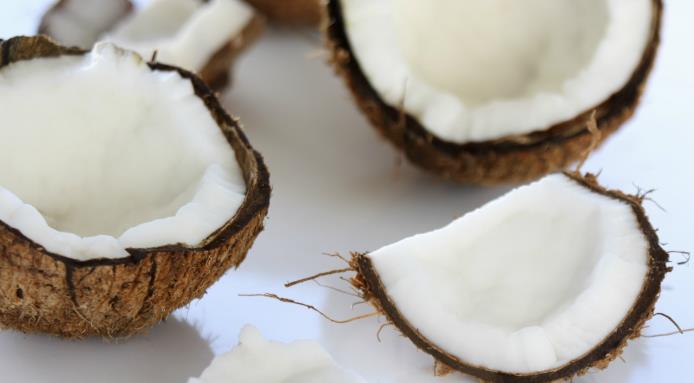
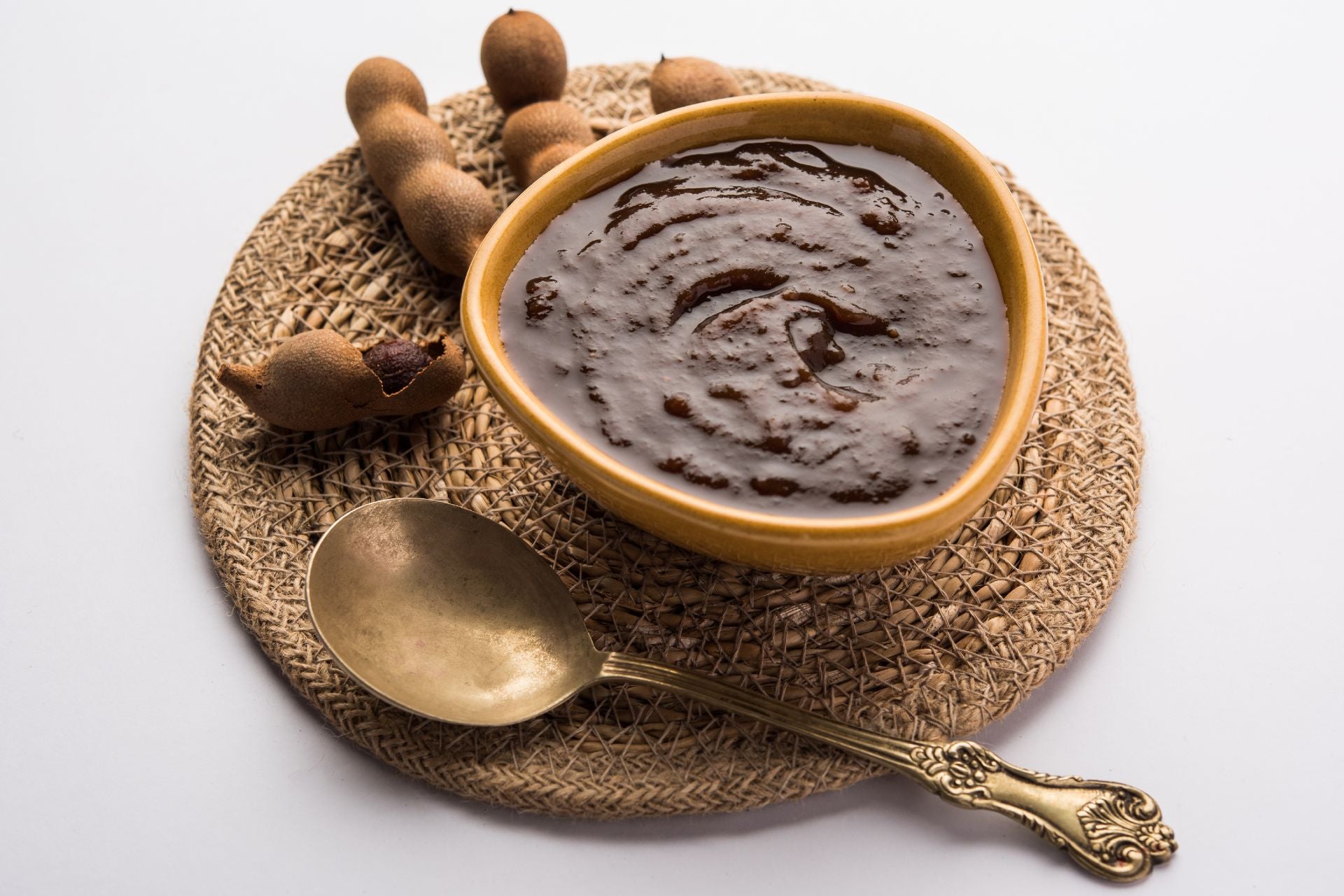
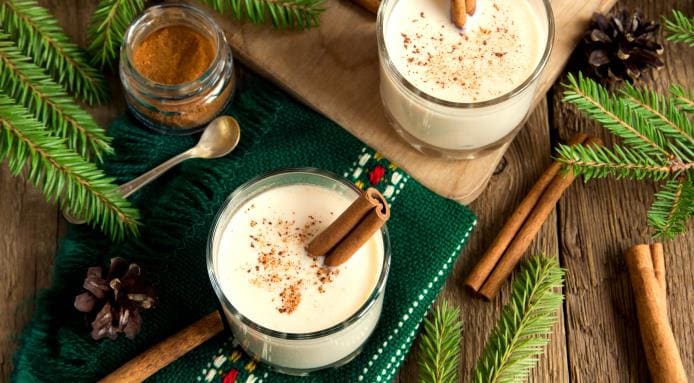
Limber is most often made with tropical juices, so there’s a flavor for everyone. Classic favorites include guava, tamarind, coconut, acerola cherry, and mango. But creativity doesn’t stop there—you’ll also find milk limber (made with sweetened condensed milk), grape, lemon, orange, and even soda-inspired varieties.
The secret to a perfect limber lies in the balance of juice, water, and sugar. Once blended, the mixture is poured into small plastic cups, the signature vessel of this frozen Puerto Rican treat.
Before you start, make sure your freezer has enough space; the cups need to stay flat until they harden. Once solid, transfer them to a plastic bag to keep them fresh and ready to enjoy anytime.
Tempted? Here are some of the most popular Puerto Rican limber recipes to try at home and experience the island’s flavor for yourself.