Sorry, you need to enable JavaScript to visit this website.
Diwali

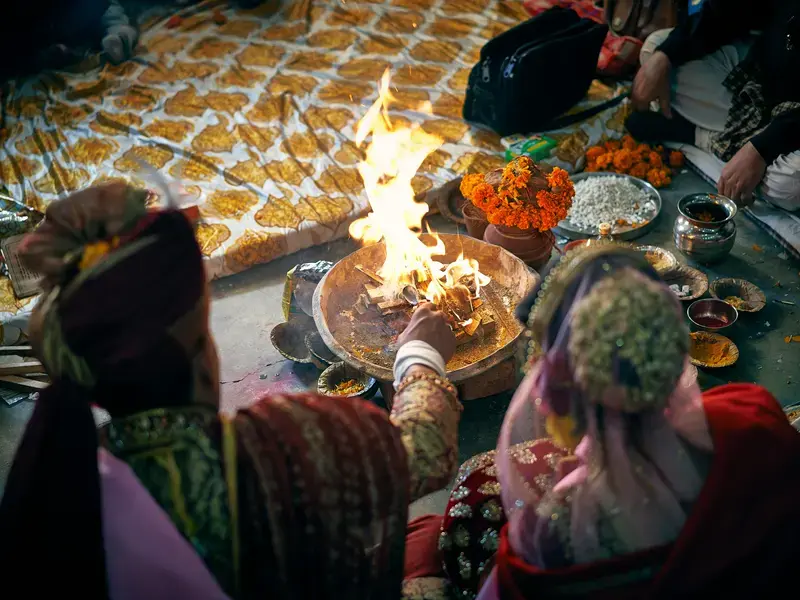
Credit: Ashwini Chaudhary Monty on Unsplash

The Taste of Light: Four Indian Chefs on Diwali, Memory, and Renewal

10 Minute read

If Kolkata’s Diwali is quiet and spiritual, Kerala’s is rooted in ritual simplicity—something chef Vinu Raveendran remembers vividly.

“In South India, where I come from, Diwali is traditionally celebrated as Deepavali, a festival that holds immense cultural and spiritual significance,” says Raveendran, who is behind the brand-new Kidilum in New York’s Flatiron district. As a child, he remembers being captivated by the vibrant atmosphere the holiday brought; “homes illuminated with oil lamps, the sound of prayers, the joy of wearing new clothes, and the irresistible aroma of festive treats wafting through the air.”

The meals on Deepavali are always vegetarian, says the chef, with breakfast that usually includes idli, dosa, vada or dahi vada; “simple dishes but prepared with care”. Lunch and dinner are traditional Kerala vegetarian meals with rice, poori, sambar, aviyal, thoran, pachadi, kichadi, pulissery, and theeyal. “My mother always makes a few sweets and snacks like neyyappam, unniappam, and murukku, which are shared with family and friends. The kitchen stays busy through the day, filled with the smell of ghee, jaggery, and roasted coconut,” he says.

In the evening, Raveendra’s family would visit the nearby Thuravoor Narasimha Murthi Temple. “Having spent ten years in North India, I have seen Deepavali celebrated there with grandeur fireworks, sweets, and lights everywhere,” he says, “But at home in Kerala, the celebration remains quiet and grounded, centered on food, family, and the steady glow of lamps that carry both warmth and memory.”

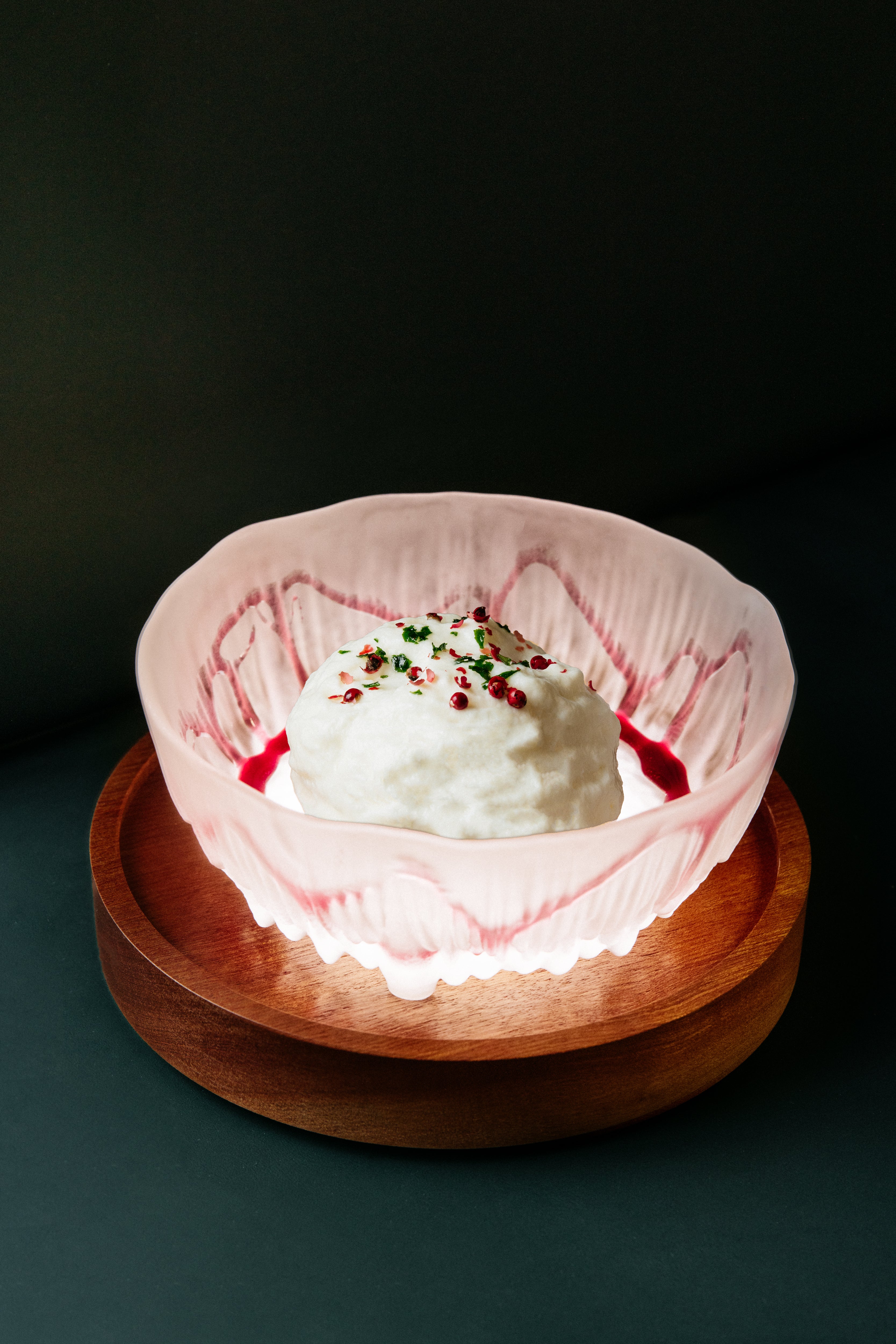
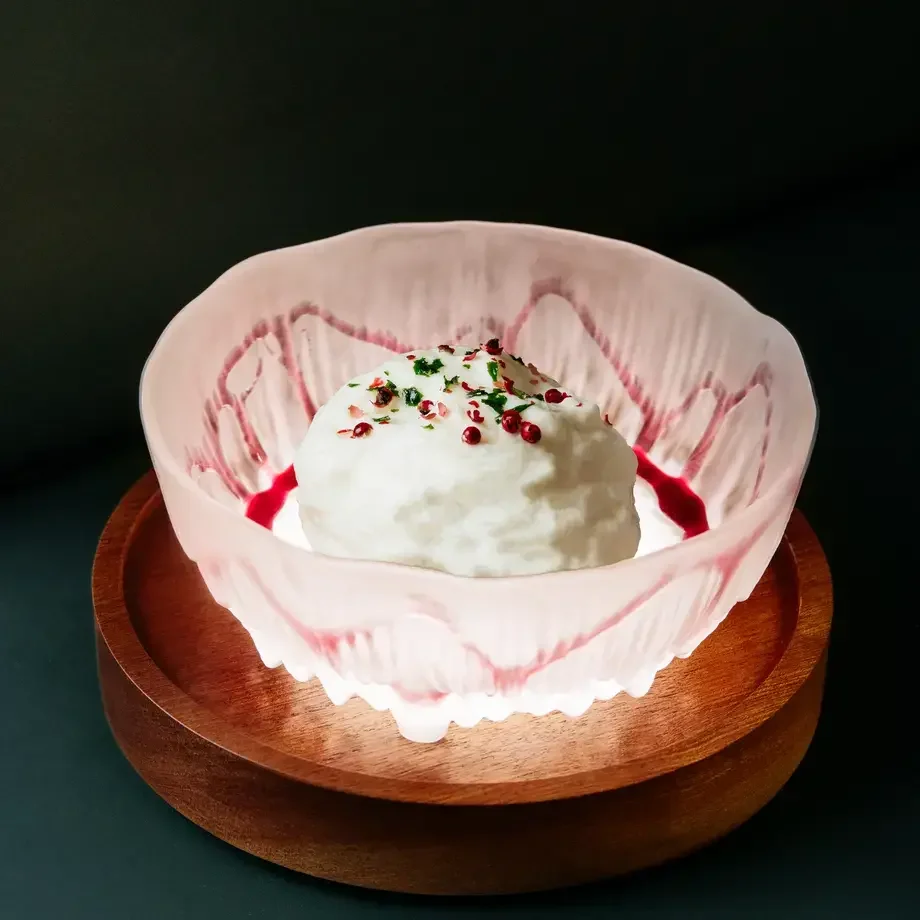
Among the many dishes prepared during this time, one that stands out in Raveendran’s memory is Dahi Vada or Tairu Vada; “in our tradition, it’s not just a cooling side dish, it plays an important role in balancing the heavier, fried foods typically enjoyed during the festival,” he says. “For me, this dish is more than just food,” Raveendran says. “It’s a bridge between past and present, tradition and creativity, memory and reinvention. A true celebration of Deepavali, on a plate.”

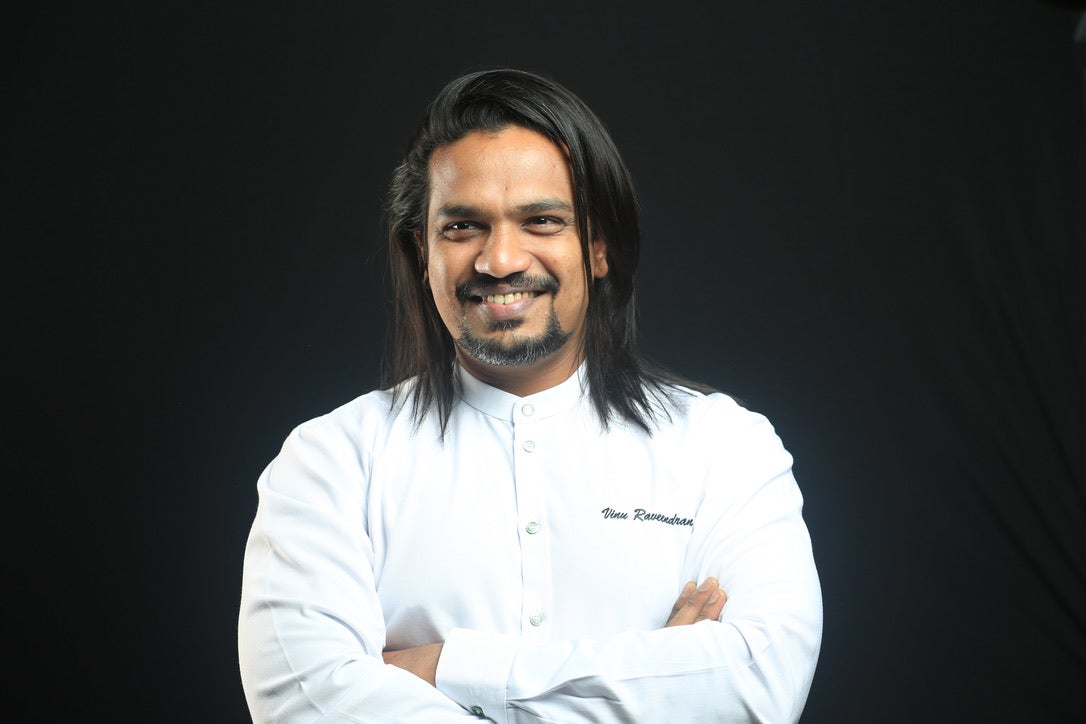
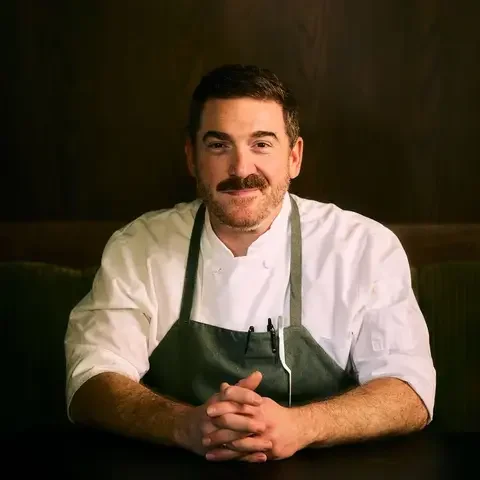
Chef Vinu Raveendran

Chef Vinu Raveendran

From Kerala’s calm glow to Gujarat’s exuberant blaze, Diwali transforms in every region. For chef Heena Patel, that energy becomes the heart of Besharam, her San Francisco celebration of Gujarati spirit.

As a young girl in Gujarat, India, Patel, who runs the always-packed Besharam in SF’s Dogpatch neighborhood, would prepare the house a month in advance and celebrate with music, folk dancing, and diyas. “I remember waking up to the aroma of the feast my mother prepared for each night of the festival,” she says, “and the endless snacks and sweets she would fill the house with. Diwali for me was like Christmas morning.”

Patel’s parents would repaint the house, polish pots and cutlery, and make trips to the market for new outfits. “As a child, the preparation always made me very excited,” she says.

These days, Patel celebrates the triumph of good over evil by preparing a feast for her family and guests at Besharam, which hosts an annual week-long celebration featuring a tasting menu inspired by her childhood. Dishes have included Ghughra—crisp poori with tender coconut and lilo chevda crunch—Usal with smoked jaggery broth, caramelized sweet potato, sprouted moong and walnut chutney, and Khichdi, slow-cooked yogurt rice with onion bharta and gunpowder potatoes.

On Diwali, Patel and her family visit the temple and spend the day with family and friends. “I hope to pass these traditions along to my children, who have grown up in California,” she says.

Tairu Vada by Chef Vinu Raveendran of Kidilum

Tairu Vada by Chef Vinu Raveendran of Kidilum

Patel’s Diwali is rooted in remembrance, in the songs and scents of childhood that she now passes to her own family. A few time zones away, chef Chetan Shetty finds his connection to the holiday in the idea of starting over.

“For me, Diwali has always symbolized renewal: wearing new clothes, cleaning the house, washing the car; everything feels fresh and full of possibility,” says the Michelin-acknowledged chef, who opened his seasonal fine dining restaurant Passerine in New York in 2024. He remembers the glow of lamps decorating the house and the early morning bath infused with neem, marigold, or turmeric, and, of course, the ample cooking. “It always felt like a second birthday, where each of us got to choose a special meal my mom lovingly made.”

One of Shetty’s favorite holiday dishes is Chicken Ghee Roast, which has many versions. Shetty prefers the South Indian style—“fluffy, fermented rice pancakes with spicy chicken and dosa.”

To celebrate the holiday, throughout October Passerine is offering numerous food and beverage specials, including Biryani-stuffed chicken wings with caramelized shallots, mint, and fermented chili; roasted Bombay corn ribs with lime and pepper chutney; and Shetty’s favorite Chicken Ghee Roast. “Diwali, for me, is joy, renewal, family, food, and childlike wonder all in one,” he says.

Across kitchens from Kolkata to Kerala, San Francisco to New York, Diwali means something slightly different to each of these chefs—quiet devotion, ritual simplicity, joyful abundance, or the promise of starting fresh. But whether the lamps are lit in memory or in hope, one truth holds steady: food is its own kind of light, carrying warmth, connection, and the power to gather people around it.

Join the community
Badge
Join us for unlimited access to the very best of Fine Dining Lovers
Unlock all our articles
Badge
Continue reading and access all our exclusive stories by registering now.

Already a member? LOG IN