From comforting soups to delicate marinades and even sweet recipes with miso, this fermented paste has become a global favorite for its distinctive umami depth and versatility.
What Is Miso and How Is It Made?
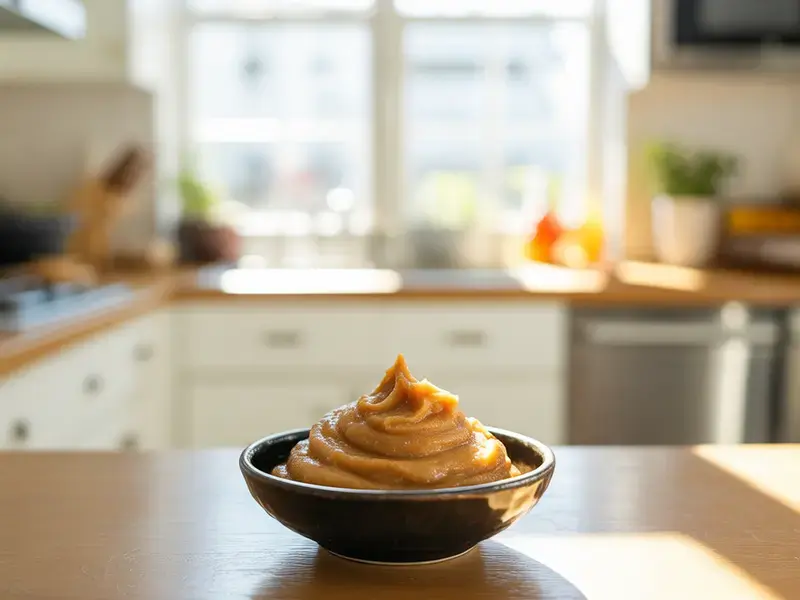
At its core, miso paste is a traditional Japanese seasoning made from fermented soybeans, salt, and koji—a mold culture (Aspergillus oryzae) also used in sake and soy sauce production. Depending on the variety, other grains like rice or barley may be added to influence the flavor, color, and aroma.
The process begins by inoculating cooked grains with koji, then combining them with soybeans and salt. The mixture ferments for weeks, months, or even years, developing its characteristic richness and depth. The longer the fermentation, the darker and more robust the flavor becomes.
While miso is naturally gluten-free when made solely from soybeans, some versions contain barley or wheat, so those with gluten intolerance should always check the label carefully.
In Japan, making miso at home is a cherished tradition—families often ferment their own batches in ceramic crocks, adjusting the proportions of soy and koji to create unique flavor profiles.
The Different Types of Miso Explained
Miso isn’t a single flavor or color—it’s a spectrum of tastes and textures that depend on fermentation time and ingredient composition. The most common types include:
- White miso (Shiro miso): Light in color and mild in flavor, it’s made with a higher ratio of rice koji and a shorter fermentation period. Its subtle sweetness makes it perfect for dressings, soups, and desserts.
- Red miso (Aka miso): Fermented longer, with more soybeans, this variety has a deeper color and a stronger, saltier taste. It’s ideal for robust soups and marinades.
- Mixed miso (Awase miso): A blend of red and white miso that balances intensity and sweetness, making it a versatile all-purpose option.
- Barley miso (Mugi miso): Made with barley koji, it develops a rich, nutty flavor and often features a rustic texture.
These varieties differ not only in color—from pale beige to deep mahogany—but also in their culinary applications.
What Does Miso Taste Like?
The taste of miso is often described as umami, the fifth taste sensation that embodies savoriness. However, the experience varies depending on the type: white miso tends to be sweet and mellow, while red miso offers earthier, saltier, and more complex notes.
Beyond umami, miso adds subtle sweetness, acidity, and even a touch of bitterness, creating layers of depth in both savory and sweet dishes. When combined with ingredients like sesame, ginger, or soy sauce, it enhances balance and contrast, making every bite more satisfying.
Chefs appreciate how a spoonful of miso can transform soups, sauces, and glazes—but it also lends an intriguing twist to sweets such as miso caramel, chocolate truffles with white miso, or miso butterscotch puddings. The paste’s salinity heightens sweetness, creating a luxurious umami-sweet harmony.
How to Use Miso in Culinary Preparations
Miso is one of the most versatile ingredients in modern cooking. It can be used raw, cooked, or diluted to create a wide range of textures and flavors.
In classic Japanese cuisine, it stars in miso soup, combined with dashi broth, tofu, and seaweed. It also enriches ramen bases, glazes for fish, or marinades for meats and vegetables.
In Western cuisine, chefs blend miso into salad dressings, aioli, and butter to bring out depth and umami. For desserts, a touch of white miso in cheesecake batter or cookie dough adds subtle complexity—balancing sweetness with a whisper of salt.
A few creative uses to explore:
- Whisk into a miso-honey glaze for roasted vegetables or tofu.
- Stir into risotto or mashed potatoes for added savoriness.
- Combine with tahini and lemon for a creamy vegan sauce.
- Blend with melted chocolate for miso-infused truffles or a bold mousse.
Miso in Modern Fine Dining
Today, miso has moved far beyond its traditional roots, becoming a key ingredient in haute cuisine. Top chefs across the world use it to highlight the umami dimension of their dishes—whether in a minimalist broth or an avant-garde dessert.
In fine dining settings, miso often appears in fermented sauces, caramelized reductions, or dessert pairings with chocolate and fruit. Its umami power brings depth to savory plates and contrast to sweet creations, allowing for new interpretations of balance and taste.
More than a condiment, miso is a culinary philosophy—one that celebrates time, fermentation, and the artistry of flavor. Its ability to bridge the boundaries between sweet and savory has made it a cornerstone of modern gastronomy, from Tokyo to New York.