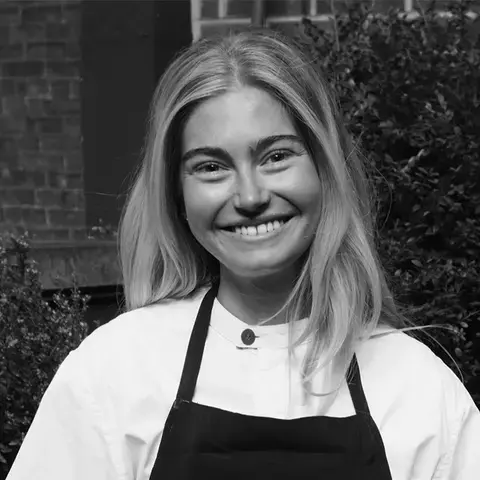
Cooking Through the African Diaspora
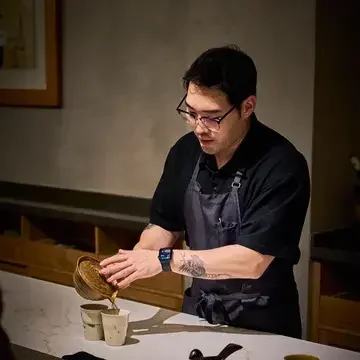
Beginning Wednesday, February 4, chef Ophus will introduce a series of limited dishes that reflect different styles within the broader umbrella of Afro-Caribbean cuisine. The weekly themes move from African cooking connected to origin, to the adaptation and survival found in Afro-Latino traditions, Caribbean dishes rooted in memory, movement, and ritual, and finally the reinvention and ownership that define Black American cooking.
“For Black History Month at Lucia, I’m cooking through the African diaspora in a very literal way,” Ophus explains. “Diaspora isn’t just geography, it’s movement, adaptation, and survival. It’s ingredients crossing water, techniques being reshaped by necessity, and food holding memory even as it changes form.” For the series, Ophus traces the path of specific ingredients that help define styles, dishes, and entire cuisines, elements that can mean something entirely different depending on where they appear.
“Palm oil, cassava, egusi, plantain, tamarind, these ingredients didn’t just travel, they learned how to live in new places,” he says. “You see them take on different accents in the Caribbean, Afro-Latino kitchens, and Black American cooking, but they’re still speaking the same language underneath.”
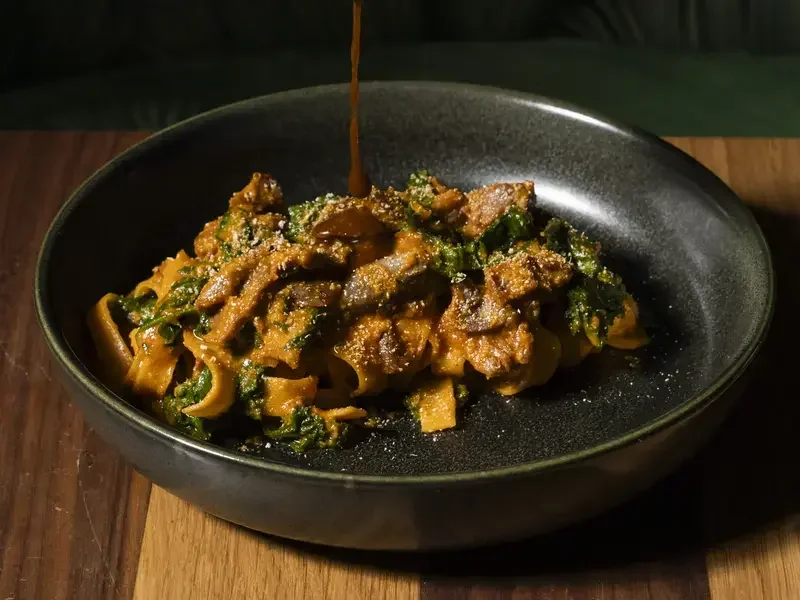
Dishes for the first week include a refined take on ndolé, a Cameroonian stew featuring bitter greens and smoked peanuts, confit duck tagliatelle served in a ragù made with egusi, a staple ingredient across West Africa, and charcoal-roasted lamb loin with roasted green plantain and tamarind-black garlic glaze. The week concludes with a dessert built around plantain custard, palm sugar caramel, and toasted peanuts.
Week two focuses on Afro-Latino foodways, tracing the evolution of African traditions in Latin America through forces such as colonization and trade. Resilience emerges as a defining theme in dishes like anticucho-style beef with huancaína and palm oil sabayon, or gnudi made with green plantains, bacalao (Spanish codfish), and bitter herbs. A Brazilian-inspired moqueca with coconut and palm oil anchors the savory offerings, while a corn and cassava gâteau with piloncillo caramel and burnt citrus rounds out the dessert menu for the week.
Caribbean culture dominates the third week, with dishes such as fufu de plátano with pickled shrimp and coconut cream, a take on accra de morue (deep-fried cod fritters), and oil down, a hearty one-pot stew often cited as Grenada’s national dish, reworked with breadfruit and dasheen (taro). Dessert takes the form of coconut reduction and burnt sugar custard with nutmeg and rum raisin ice cream.
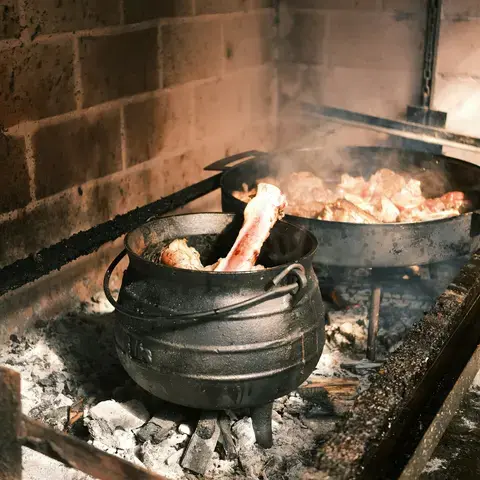
Along with tracing ingredients and honoring how African-rooted cuisine has evolved across regions, Ophus also aims to highlight how African techniques are often taken for granted across the broader culinary world. “Braising, smoking, fermentation, slow cooking are methods rooted in African and African-descended kitchens long before they were named or elevated,” Ophus says. “The menu isn’t about nostalgia or replication. It’s about showing how these foodways are still alive, still evolving, and still telling the story of where we come from.”
The fourth week focuses on Black American food, a context where these techniques are especially resonant. Dishes include an Edna Lewis-inspired fried green tomato, cornbread agnolotti in smoked turkey broth, and catfish and grits with potlikker and collards. The final dessert in the series is a sweet potato doughnut with mamey sorbet and benne seed tuile.
Rather than offering the dishes as a prix fixe menu, the selections will be available weekly as additions to the à la carte menu, allowing guests to sample individual plates, revisit favorites, or return across the month. The limited dishes will be offered throughout February and reservations can be made here.