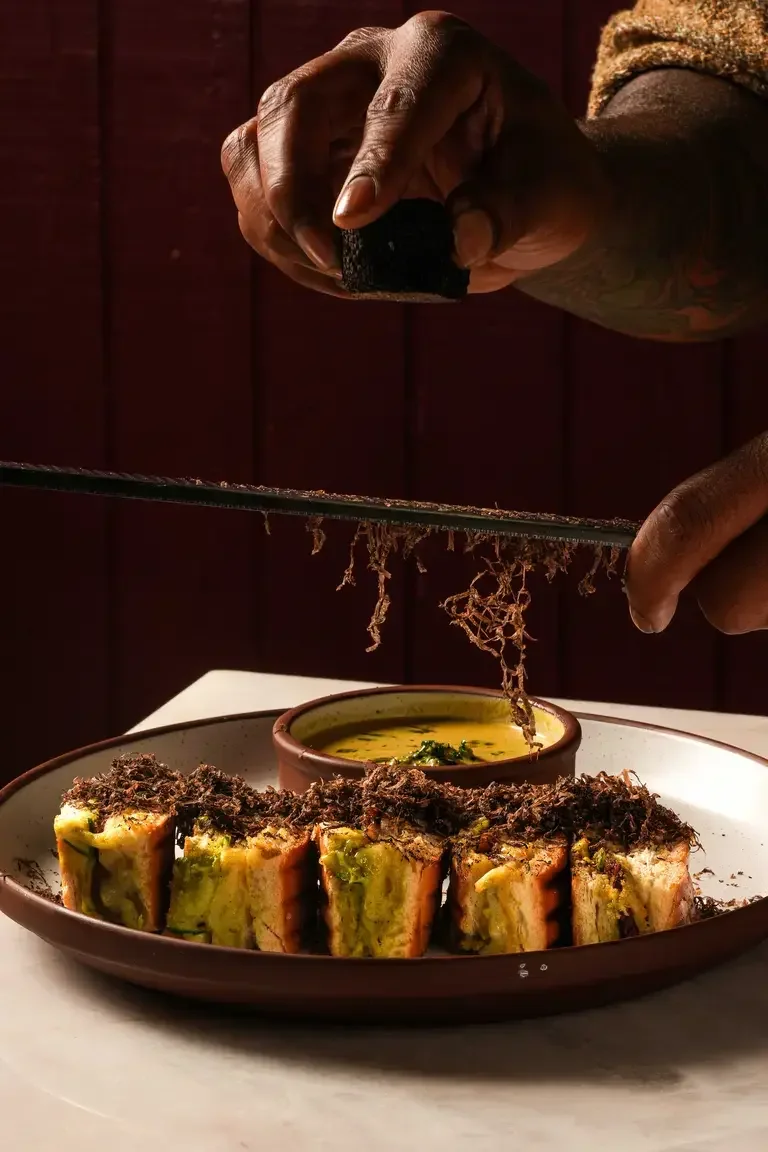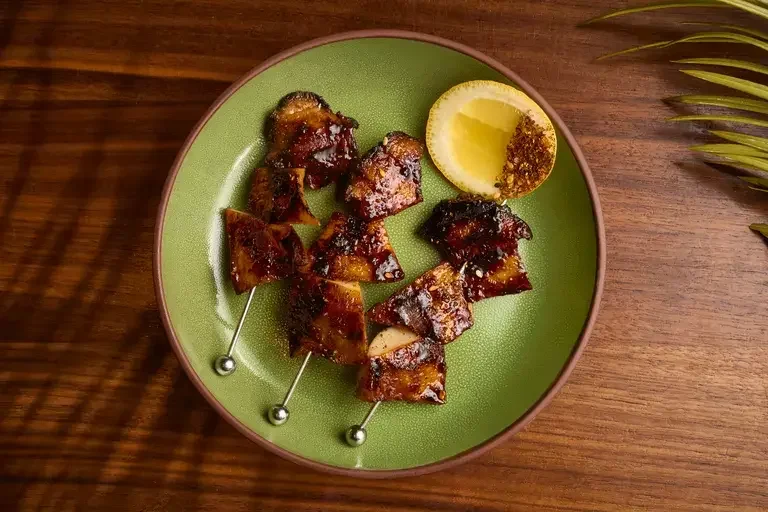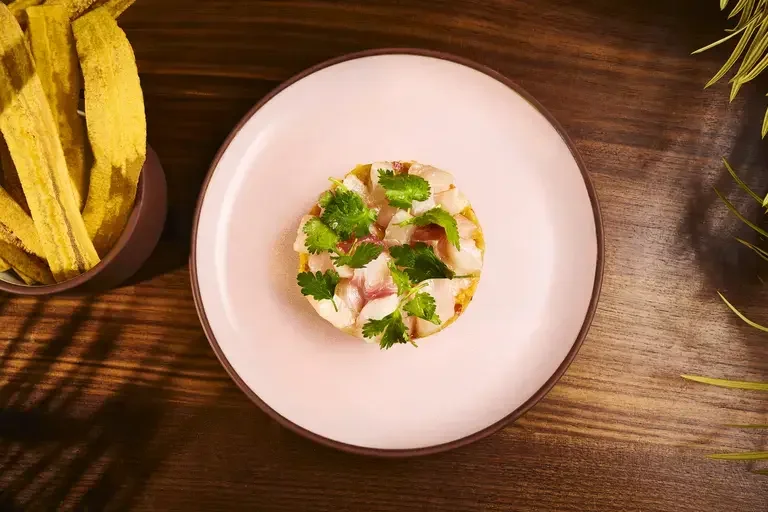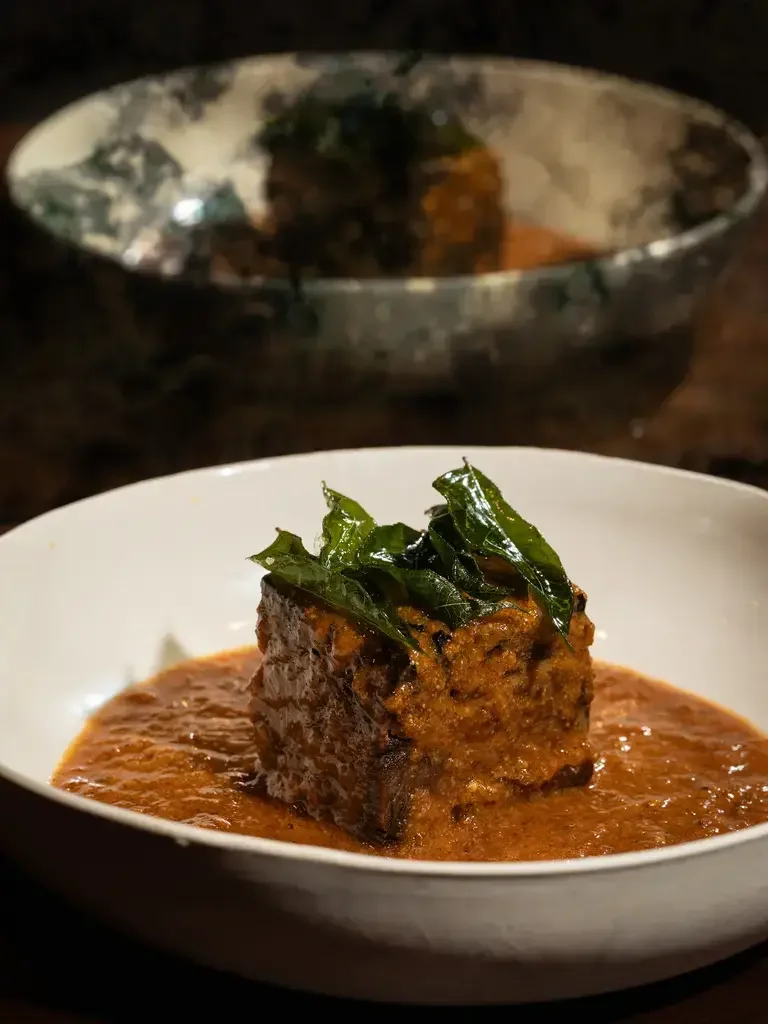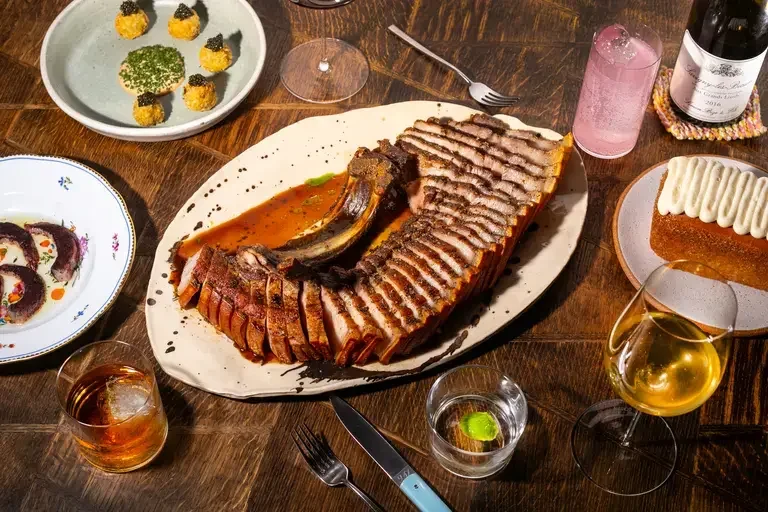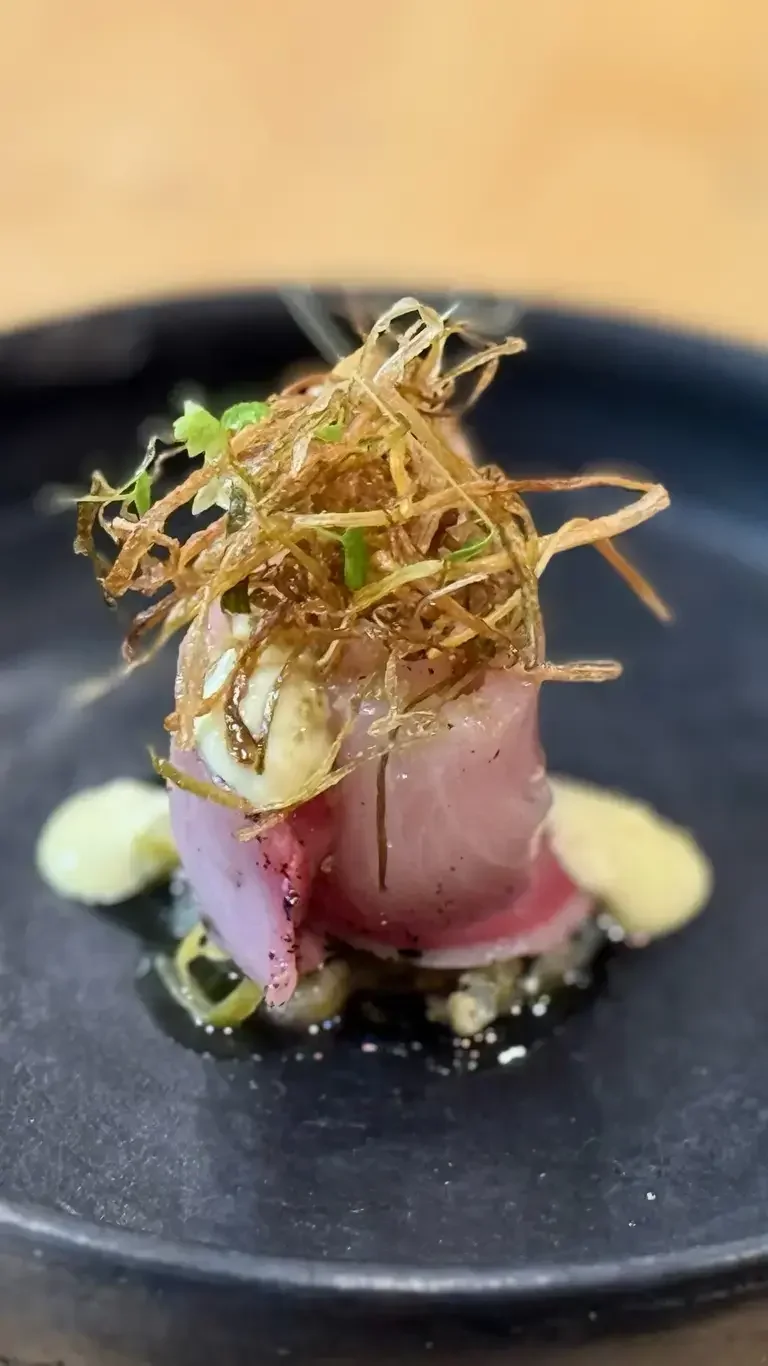
On the table at Lucia, a modern Afro-Caribbean restaurant that opened in Los Angeles in mid-2025, a trio of palm-sized wagyu patties kicks off most meals. Served with petite ramekins of mango pepper and neon green mojo sauce, the appetizer is an elegant recast of the large, handheld snacks commonly sold from food trucks. A live DJ reads the energy of the room, where most guests are dressed to the nines but still gently bopping to a playlist of vintage hip-hop and R&B. At the entrance, a doorman checks his list before letting new guests in, as every table and nearly every bar seat is taken.
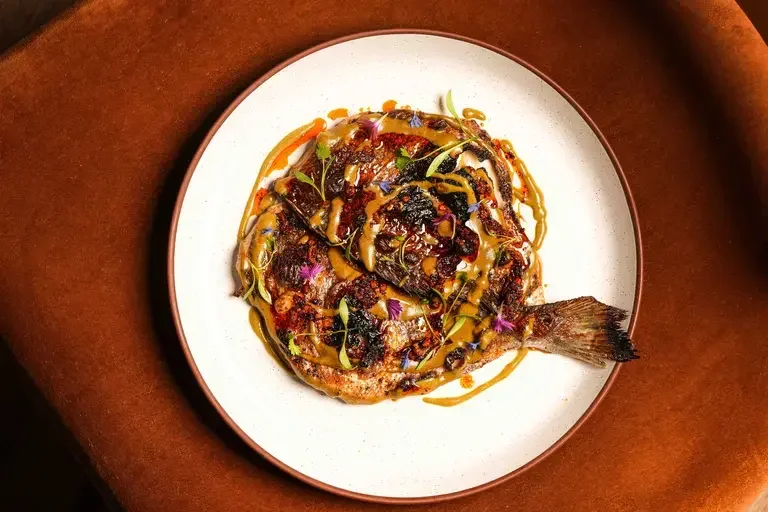
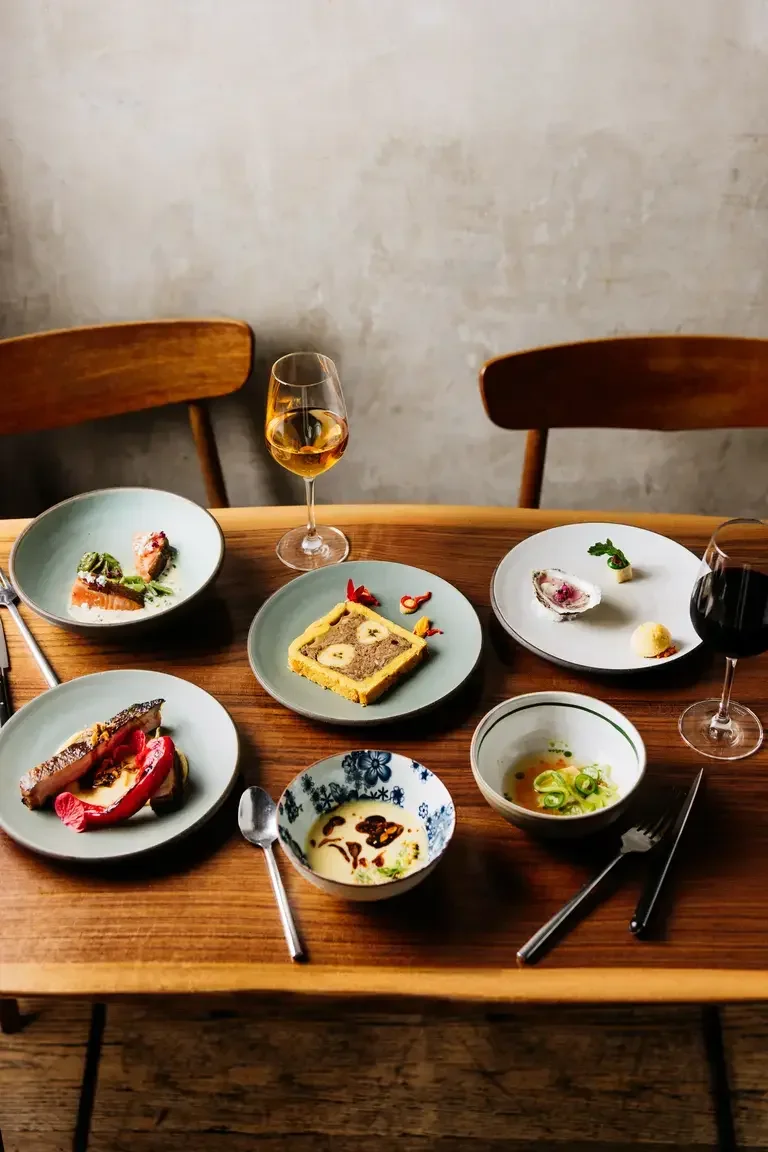
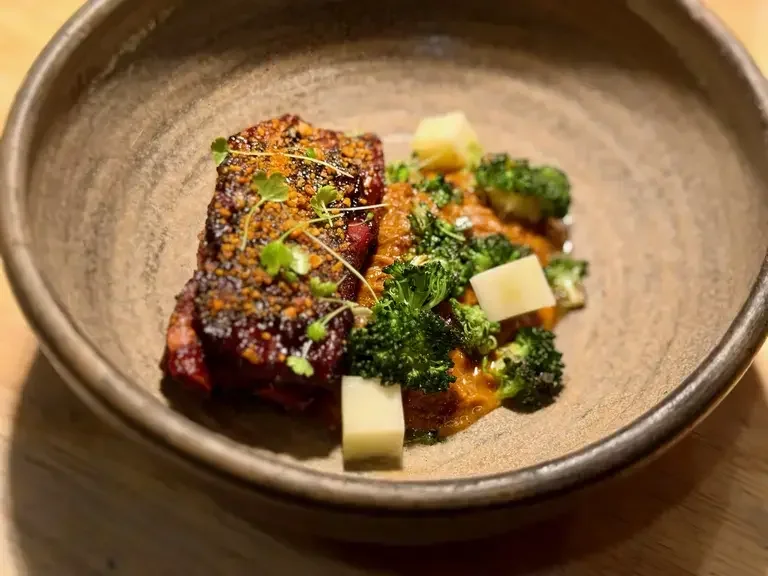
The final dish that arrives is a glistening jerk chicken platter garnished with fresh herbs, edible flowers, and pan jus. The pièce de résistance, it is as striking as a steak at Matū or the pork chop at Jar. What was once dismissed as a fast-casual, to-go staple is transformed into a signature dish. The glamorous setting may differ from how Caribbean food has traditionally been presented in Los Angeles, but it reflects a noteworthy shift that is happening across the fine dining landscape.
The Rise of Afro-Caribbean Influence in Fine Dining
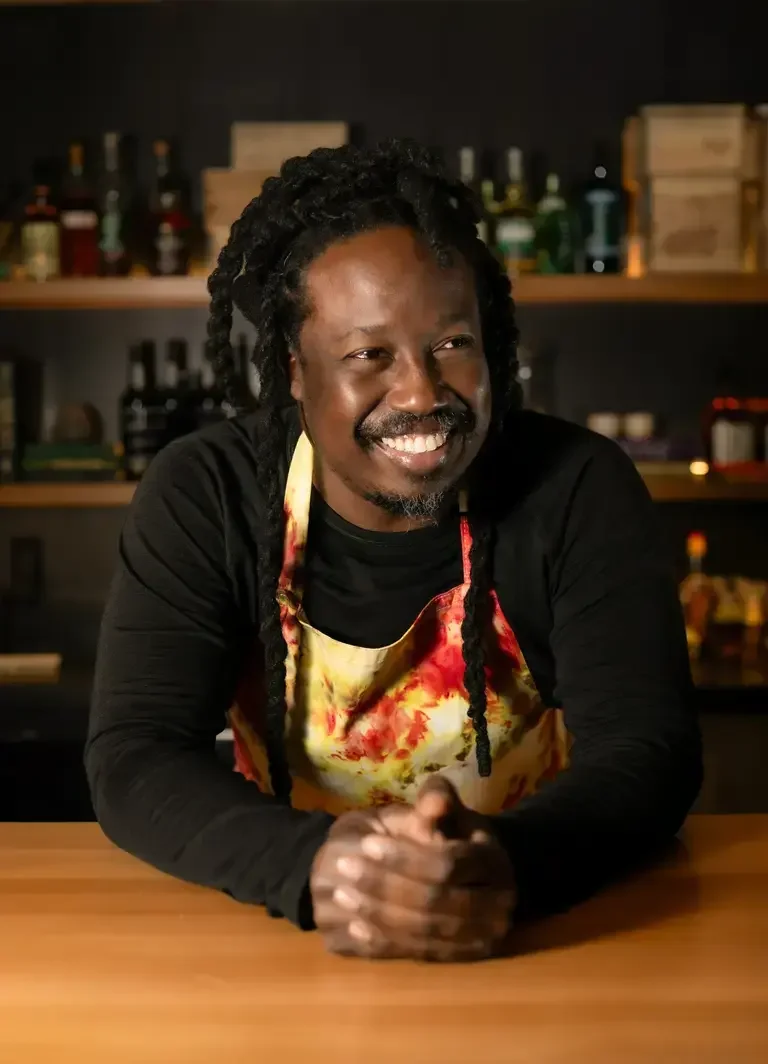
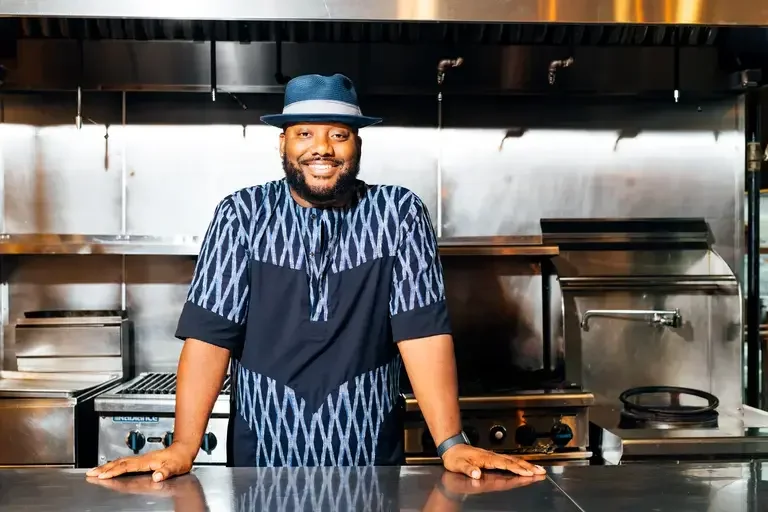
For chefs who grew up with these flavors, elevating the setting of an already beloved and influential culinary tradition will only broaden its audience. “Food is in a place where more doors are being opened up and things are becoming more approachable,” said chef Cleophus “Ophus” Hethington, the two-time James Beard Award finalist who is newly tasked with carrying out owner Sam Jordan’s vision at Lucia. “There is a space for everybody at the table, that is what this food and culture is about.”
Part of a new generation of Afro-Caribbean chefs who are spearheading a wave of growth in the fine dining world, Ophus recently joined the team at Lucia, drawn in part by the fact that the restaurant is Black-owned. The growing number of restaurants, pop-ups, and tasting menus showcasing Caribbean, African, and Black Southern foodways is focused as much on atmosphere, style, and presentation as on flavor. “People are excited to explore Caribbean cuisine outside of the stereotypical, touristy lens that it has historically been seen in,” Ophus said.