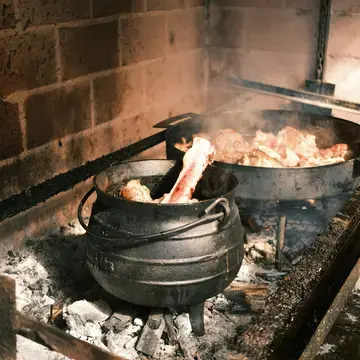

Saint Patrick's Day has evolved from a religious feast day honoring Ireland's patron saint into a global celebration of Irish culture, and food sits at the heart of these festivities. Whether you're hosting a traditional Irish dinner or simply want to mark the occasion with authentic flavors, understanding the dishes that define this holiday will elevate your celebration.
While many associate March 17th primarily with parades and pints of green beer, the traditional Irish food served on Saint Patrick's Day tells a deeper story of Ireland's agricultural heritage, resourcefulness, and comfort-driven cuisine. From the cabbage patches and potato fields to the slow-simmered pots that warmed countless Irish homes, these dishes represent centuries of culinary tradition.
Here are ten essential Irish dishes that belong on your Saint Patrick's Day table.
Corned Beef and Cabbage
Though often considered the quintessential Saint Patrick's Day dish in the United States, corned beef and cabbage has a fascinating history that's more Irish-American than purely Irish. The dish became popular among Irish immigrants in America during the 19th century, who adapted their traditional bacon and cabbage recipe using the more affordable corned beef available in their new home.
Corned beef gets its name from the large grains of salt (called "corns") used in the brining process, which transforms tough brisket into tender, flavorful meat. The beef brisket is brined in a spiced salt solution for several days, then slowly simmered with cabbage, carrots, and potatoes until everything is melt-in-your-mouth tender.
The result is a hearty, satisfying one-pot meal that has become synonymous with Irish-American celebrations.
Irish Soda Bread
Irish soda bread represents the beautiful simplicity of traditional Irish baking. This quick bread emerged in Ireland during the 1800s when baking soda became widely available, offering a leavening alternative to yeast that was both accessible and affordable for rural households.
The classic recipe requires just four ingredients: flour, baking soda, salt, and buttermilk. The acidic buttermilk reacts with the baking soda to create the rise, while traditional recipes use soft Irish wheat flour that produces a tender, slightly dense crumb.
Many Irish families cut a cross into the top of the loaf before baking—some say to ward off evil spirits, others claim it helps the heat penetrate the thick dough. While American versions often include raisins and sugar, creating what's known as "spotted dog," traditional Irish soda bread is a savory, rustic loaf perfect for sopping up stew or slathering with salted Irish butter.
Colcannon
Colcannon is Irish comfort food at its finest—a luxurious mash of potatoes, cabbage or kale, butter, milk, and scallions that has graced Irish tables for centuries. This traditional dish showcases the potato, which became a staple crop in Ireland from the 17th century onward.
The preparation transforms humble ingredients into something special: potatoes are boiled and mashed until creamy, then mixed with cooked cabbage or kale that's been sautéed with scallions. Generous amounts of butter and warm milk create a silky texture that's both indulgent and soul-warming.
Traditionally served at Halloween and Saint Patrick's Day, colcannon sometimes conceals small treasures like coins or rings wrapped in parchment, with folklore suggesting that whoever finds them will enjoy good fortune. The dish pairs beautifully with corned beef, Irish stew, or simply enjoyed on its own as a satisfying vegetarian main course.
Shepherd's Pie (or Cottage Pie)
This iconic comfort food represents the ultimate in Irish resourcefulness, transforming leftover meat into a warming, substantial meal. Technically, shepherd's pie contains lamb or mutton (shepherds tend sheep, after all), while cottage pie uses beef, though the terms are often used interchangeably today.
The dish consists of a savory base of ground meat cooked with onions, carrots, peas, and rich gravy, all topped with a golden layer of creamy mashed potatoes. The magic happens during baking when the potato crust turns golden and slightly crispy while the filling beneath bubbles and concentrates its flavors.
When done right, shepherd's pie offers contrasting textures—crispy top, creamy potatoes, and savory filling—that make it irresistible on a chilly March evening.
Irish Stew
Irish stew stands as one of Ireland's most ancient and beloved dishes, with roots stretching back centuries. The most traditional versions are remarkably simple: mutton or lamb, potatoes, onions, and water, slowly cooked together until the meat becomes tender and the potatoes break down to thicken the broth naturally.
This minimalist approach reflects the historical reality of rural Irish cooking, where elaborate ingredients weren't available but time and patience transformed basic components into something deeply satisfying. Modern interpretations often add carrots, celery, and fresh herbs like thyme and parsley, while some cooks include a splash of stout beer or beef stock for extra depth.
The key to authentic Irish stew lies in the slow cooking process—at least two hours of gentle simmering allows the lamb to become fall-apart tender while the vegetables meld into a thick, comforting stew.
Boxty (Irish Potato Pancakes)
Boxty represents a clever use of Ireland's favorite ingredient, combining both grated raw potatoes and mashed cooked potatoes into crispy, golden pancakes. This traditional dish hails particularly from Ireland's northern and midland counties, where an old saying goes: "Boxty on the griddle, boxty in the pan, if you can't make boxty, you'll never get a man!"
The preparation requires grating raw potatoes and squeezing out excess moisture, then mixing them with mashed potatoes, flour, baking soda, and buttermilk to create a batter. When fried in butter or bacon fat, boxty develops a beautiful crispy exterior while maintaining a tender, slightly creamy interior.
These Irish potato pancakes can be served at any meal: alongside eggs and bacon for breakfast, as a base for smoked salmon, or as a side dish with Irish stew or corned beef.
Dublin Coddle
Dublin coddle is the city's signature comfort food—a humble, warming dish that traditionally used up leftovers before the Sunday fast. This one-pot meal layers thick-cut bacon or Irish sausages with potatoes, onions, and sometimes carrots, all simmered together in stock until everything becomes meltingly tender.
The name "coddle" comes from the gentle cooking method; everything is coddled rather than boiled aggressively, allowing the flavors to meld while the ingredients maintain their integrity. Unlike stew, coddle maintains a brothier consistency with clearly defined chunks of potato, sausage, and bacon rather than a thick gravy.
While it may not win beauty contests, coddle's simplicity and soul-warming qualities have kept it on Dublin tables for generations.
Stout Beer Beef Stew
While traditional Irish stew uses water or simple stock, Stout beer beef stew represents a more contemporary take that incorporates Ireland's most famous export. The dark Irish stout adds complexity, a subtle bitterness, and a beautiful mahogany color to the stew, while its malty sweetness balances the savory beef and vegetables.
The preparation begins with browning chunks of beef chuck to develop flavor, then building layers by caramelizing onions, carrots, and celery. Stout beer is added along with beef stock, tomato paste, and aromatics like thyme and bay leaves, creating a braising liquid that transforms tough cuts of meat into fork-tender morsels during several hours of slow cooking.
The result is a stew that's both hearty and sophisticated, with the beer providing a subtle complexity that elevates it beyond ordinary beef stew.
Irish Coffee
No Saint Patrick's Day celebration would be complete without Irish coffee, the perfect marriage of strong coffee, Irish whiskey, sugar, and cream that has warmed spirits since the 1940s. The drink was invented by Joe Sheridan, a chef at the Foynes Airbase in County Limerick, who created it to warm up cold and weary travelers arriving on transatlantic flights.
The key to perfect Irish coffee lies in the technique: brew strong, hot coffee and sweeten it with brown or white sugar, add a generous measure of Irish whiskey, then carefully float cold heavy cream on top by pouring it over the back of a spoon.
The cream should remain distinct, creating a beautiful layered effect and allowing you to sip the hot, whiskey-spiked coffee through the cool cream. This luxurious drink serves as both dessert and digestif, offering the perfect ending to a hearty Irish meal.
Irish Apple Cake
Irish apple cake brings a sweet conclusion to Saint Patrick's Day feasting with its tender, spiced crumb studded with fresh apples. This traditional dessert reflects Ireland's abundant apple orchards and the Irish love for simple, homestyle baking that lets quality ingredients shine.
The cake features a buttery batter enriched with eggs and milk, flavored with cinnamon and sometimes a hint of cloves, and studded with chunks of tart cooking apples like Granny Smith or Bramley. Many recipes call for a streusel topping of butter, flour, and sugar that bakes into a crumbly, sweet crust, while others finish with a simple dusting of powdered sugar.
Irish apple cake is traditionally served warm with freshly whipped cream, vanilla ice cream, or the ultimate Irish indulgence—a generous pour of warm custard.