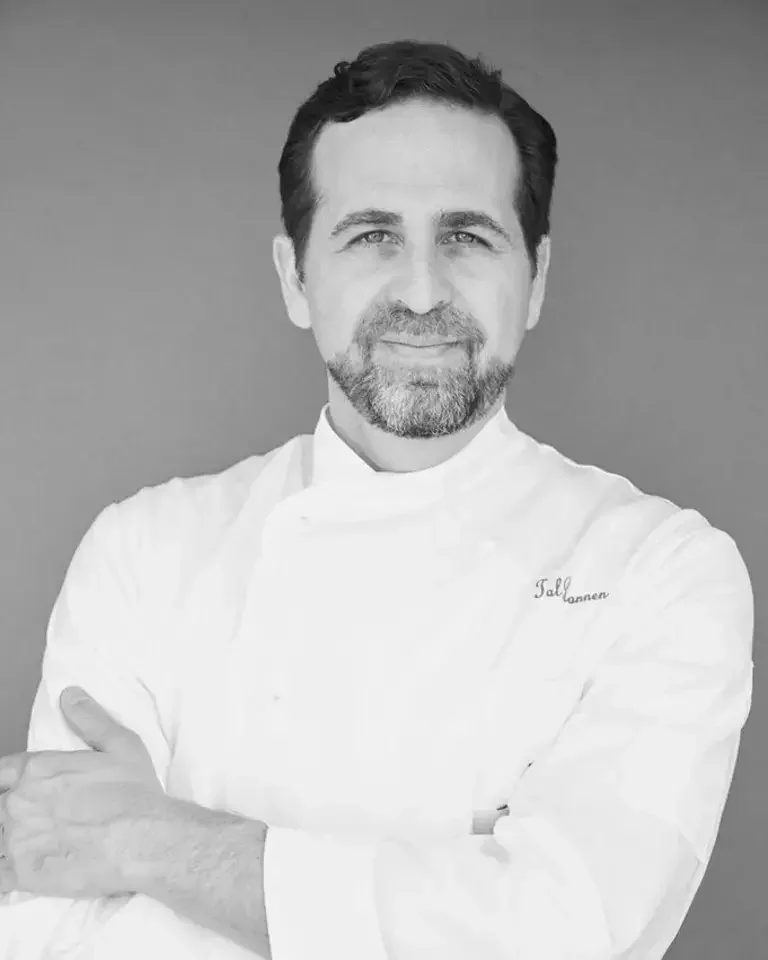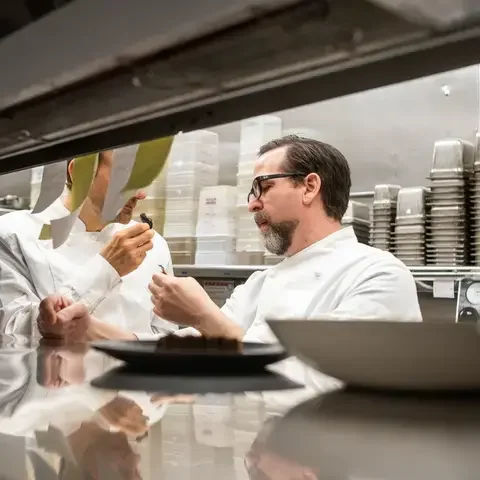

For more than two decades, Tal Ronnen has been at the forefront of plant-based cooking, helping to shift veganism from the fringes to the fine dining mainstream. As the chef and founder of Crossroads Kitchen in Los Angeles, co-founder of Kite Hill and Impossible Foods, and author of the New York Times bestseller The Conscious Cook, Ronnen has long been known for his creative, chef-driven approach to vegetables. He famously cooked for Oprah Winfrey’s 21-day cleanse, catered Ellen DeGeneres and Portia de Rossi’s wedding, and continues to shape the conversation around how plant-based food can look, feel—and taste—like a night out.
But Ronnen’s impact goes beyond celebrity events and Michelin recognition. In his view, the real measure of progress is that he’s no longer seen as “the weirdo” in the room. Once an outlier in professional kitchens, he now sees former classmates and top chefs reaching out to him for advice on how to make a plant-based dish sing.
“I’ve been at this for over 20 years,” he says, “and the growth I’ve seen—especially in the last ten—has been unbelievable. I think there were around 100 vegan restaurants in Southern California alone at one point. That used to be unthinkable.”
The Evolution of Vegan Dining
When Ronnen helped reopen a 200-seat vegan fine dining restaurant in Fort Lauderdale back in 2006, it was considered a novelty, if not a risk. “People didn’t think there was much of a place for this kind of dining,” he says. “Other chefs I came up with thought it was a phase. I was definitely labeled the weirdo.”
Today, things look very different. From Los Angeles to New York, plant-based restaurants are thriving, with major chefs and media personalities joining the movement. “You’ve got people like Daniel Humm at Eleven Madison Park and even Gordon Ramsay posting vegan recipes weekly,” says Ronnen. “It’s great to see so many big names tilting their hats toward plant-based.”
That kind of mainstream attention reflects a broader shift—not just in dining preferences but in cultural perception. “I don’t travel much, so I can’t speak to everywhere,” he adds, “but I can tell you, especially in L.A., the number of vegan restaurants has just exploded.”
And while Ronnen helped lead the charge, he’s quick to credit a larger movement. “There are so many reasons people choose this way of eating now. That’s what makes it different from a diet trend—it’s not just about weight loss. It’s about health, sustainability, animal welfare, and just wanting to feel good after a meal.”