The restaurant industry is at a crossroads. In major culinary cities across the country, small businesses are struggling to keep up with surging rents, labor shortages, and rising costs for everything from produce to utilities. From New York to Los Angeles and beyond, a wave of closures since the pandemic has reshaped the dining landscape, even as it remains cautiously optimistic. Between shifting consumer behavior and an abundance of options, it is increasingly difficult to fill every table in a standard-sized restaurant. So, is bistro-style dining the economic answer to a struggling hospitality industry?
For decades, New York City has been the country’s epicenter for tiny dining rooms. High commercial rents and space constraints have pushed chefs and operators toward more intimate formats. The city’s density, combined with limited kitchen space in many apartments, has long encouraged a culture of dining out.
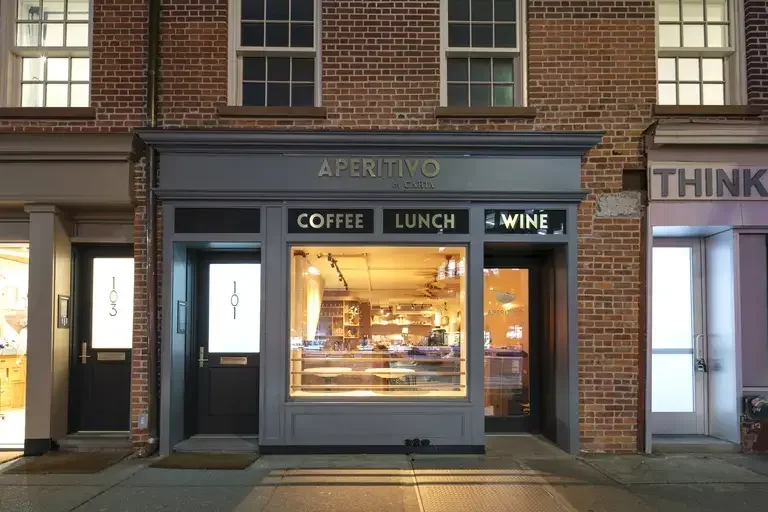
“We chose to go small because we believe the best dining experiences happen in the details,” Marcela Jimenez, founding partner of Aperitivo by Carta, says. “A smaller footprint allows us to focus on genuine, personalized service that isn't possible in large venues.”
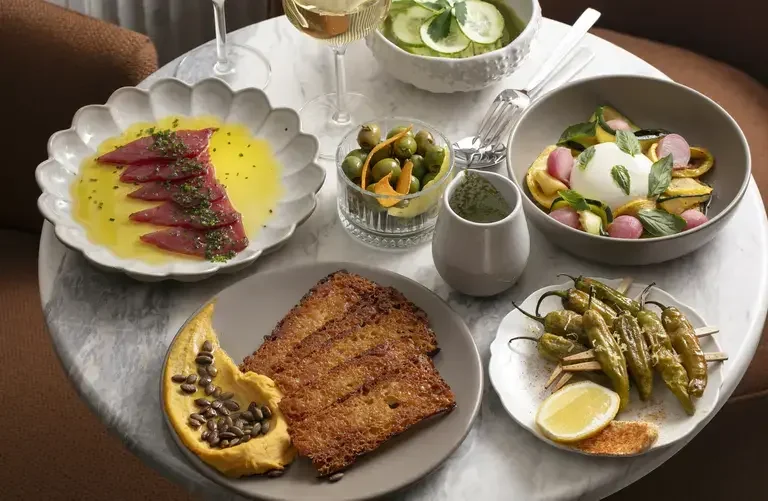
The 24-seat West Village wine bar, which opened in January 2026, offers a curated selection of wines alongside Mediterranean-inspired bites. “Opening an intimate space gives us the chance to truly get to know our regulars by name and preference, turning a simple meal into a neighborhood connection,” Jimenez adds.
With most seats at the bar, the format encourages direct interaction, reinforcing the kind of community-driven dining that smaller spaces make possible.
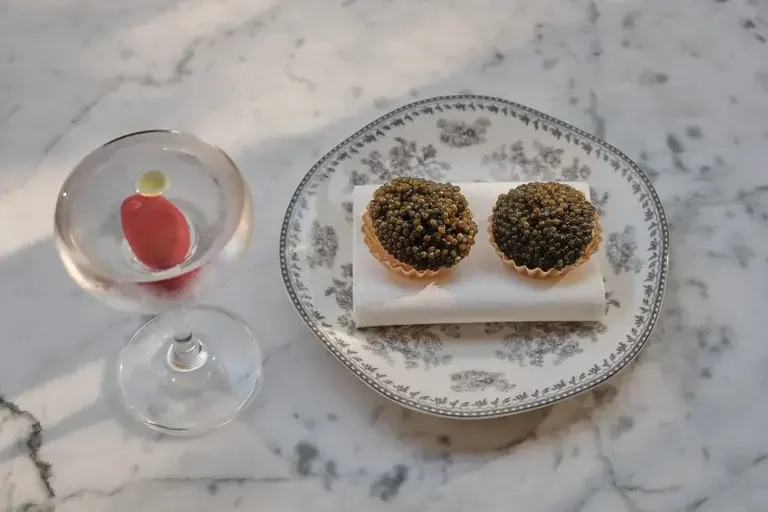
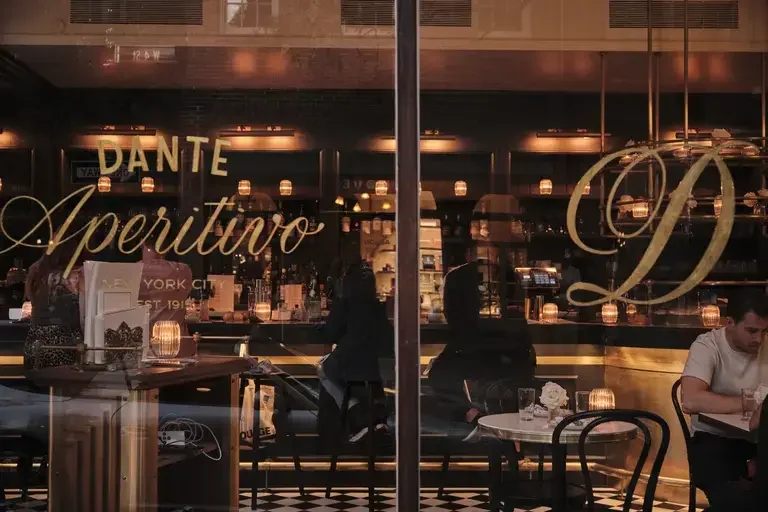
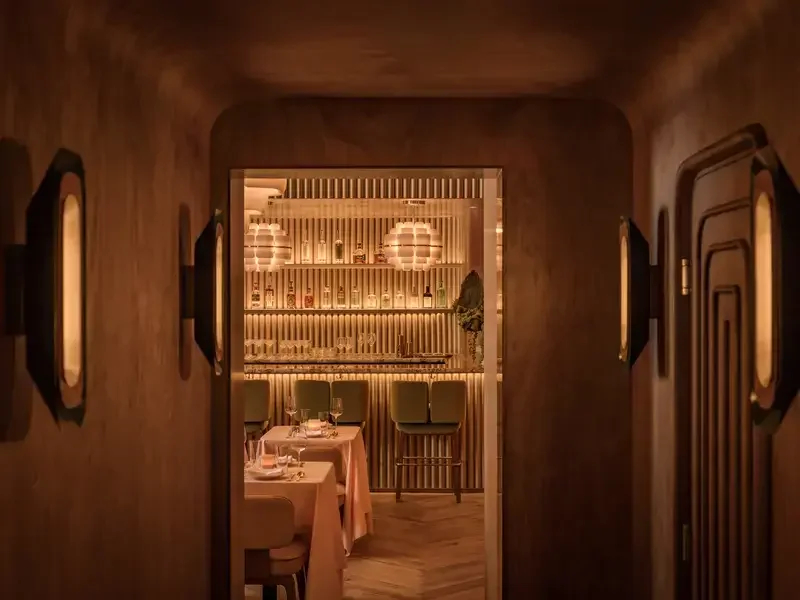
Founded in 1915, Dante is one of New York’s most iconic cafes and a longtime destination for a proper martini. At the end of 2025, owner Natalie Hudson expanded the brand with Dante Aperitivo, a smaller space defined by checkered floors and candlelit bistro tables that nod to the city’s enduring café culture.
“There’s a special kind of magic to a smaller dining room—the kind that can’t be manufactured at scale,” Hudson says. “At Dante Aperitivo, intimacy is not a limitation, but rather, a philosophy.”
The space invites presence, whether watching a bartender express citrus over a cocktail or listening to the quiet percussion of ice in a shaker. It is this kind of atmosphere that makes dining feel immersive and personal.
For Hudson, the goal was to create a true neighborhood restaurant. Whether stopping in for a midweek spritz or oysters and Champagne on a Saturday evening, diners are treated as regulars from the first visit, rather than covers to be turned.