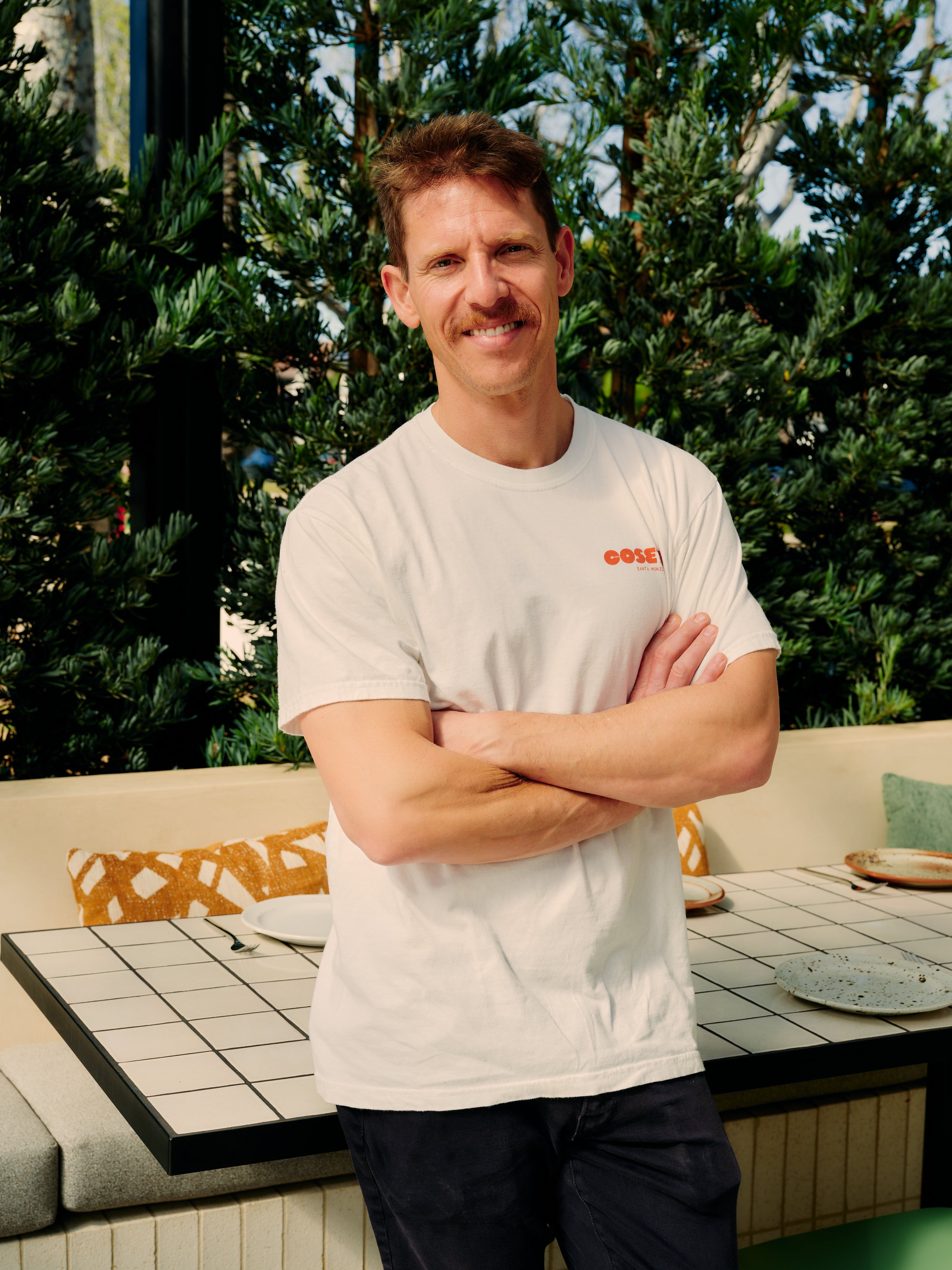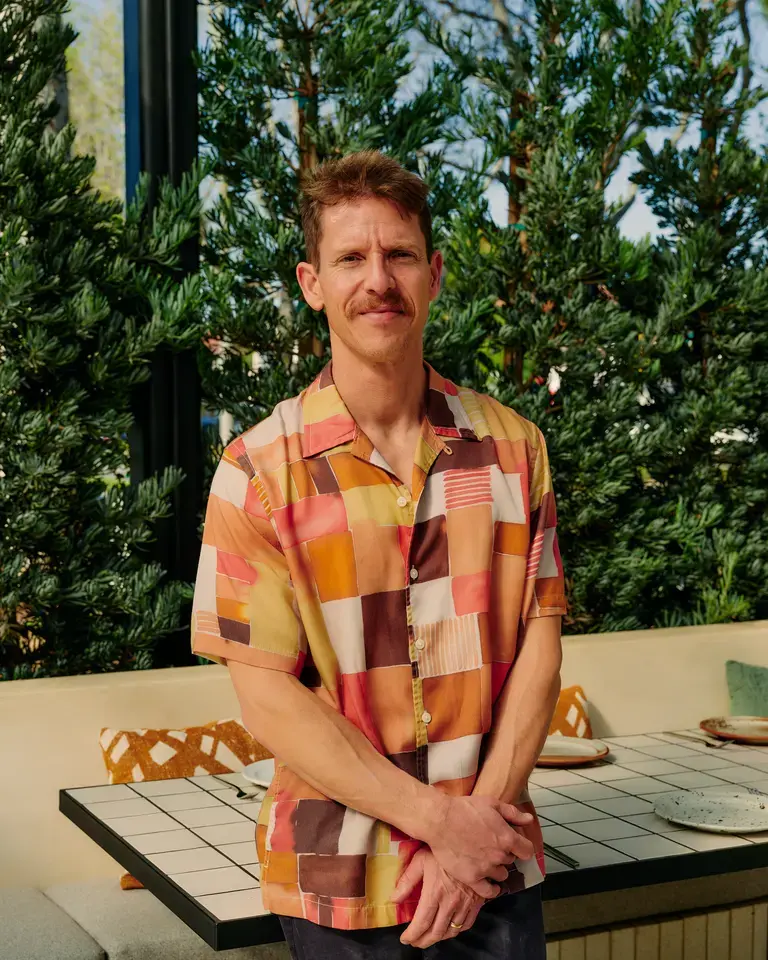
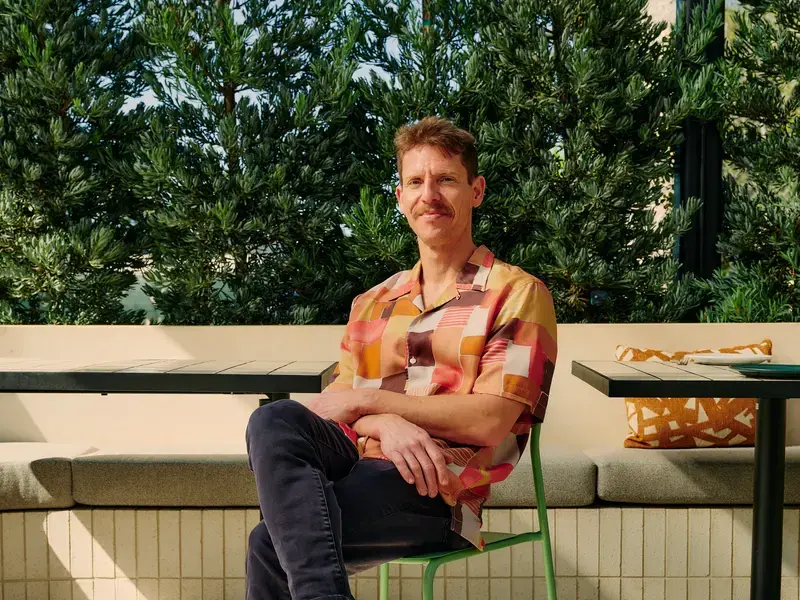
On his first night in Florence, Zach Pollack had no idea he was about to reroute his entire life. He was an architecture student then, taking in the city’s Renaissance geometry and grandeur, not thinking about kitchens at all. But dinner that evening, a simple pear and Pecorino ravioli at a trattoria in the shadow of the Duomo, hit him with the force of a quiet revelation. The dish was unexpected, sweet and savory, comforting and strange, and it lodged somewhere deeper than inspiration. It felt like recognition.
That moment became the hinge his life turned on. In the months that followed, Pollack found himself spending more time in trattorias than drafting studios, chasing flavors instead of floor plans. He wandered Florence’s markets, tasted his way through neighboring towns, and let the rhythm of Italian cooking work its way into him. By the time he had his architecture degree in hand, he already knew he was never going to use it.
Apprenticeship in Italy
Back home, Pollack started cooking under Neal Fraser at Grace. He was eager but unpolished, and Fraser tried to talk him out of culinary school. It was not discouragement, but a belief that Pollack would learn more, and learn faster, in a working kitchen. Soon after, Pollack discovered that Italian chefs shared the same philosophy. During a tour of a culinary institute near Parma, chef Romano Tamani offered something better than tuition. He offered Pollack room, board, and a spot in his two–Michelin–star kitchen at Ambasciata di Quistello.
Pollack accepted immediately and moved back to Italy. What followed were formative years in kitchens across the country: fine dining in Sicily, shifts in a salumeria in Umbria, and long days on a pig and sheep farm in Sardegna. These were not résumé stunts or bucket-list stages. They were lived-in experiences that shaped how he cooked and how he understood the responsibility of feeding people. Italy gave him technique, but it also gave him humility, patience, and a sense of belonging.