Whether blended into a mousse or folded into a soup, this ingredient offers chefs and home cooks endless creative possibilities. Appreciated for its light texture and neutral flavor, it adapts beautifully to a wide range of plant-based and vegan recipes, proving that tofu can be far more than just a meat substitute.
What Is Silken Tofu?
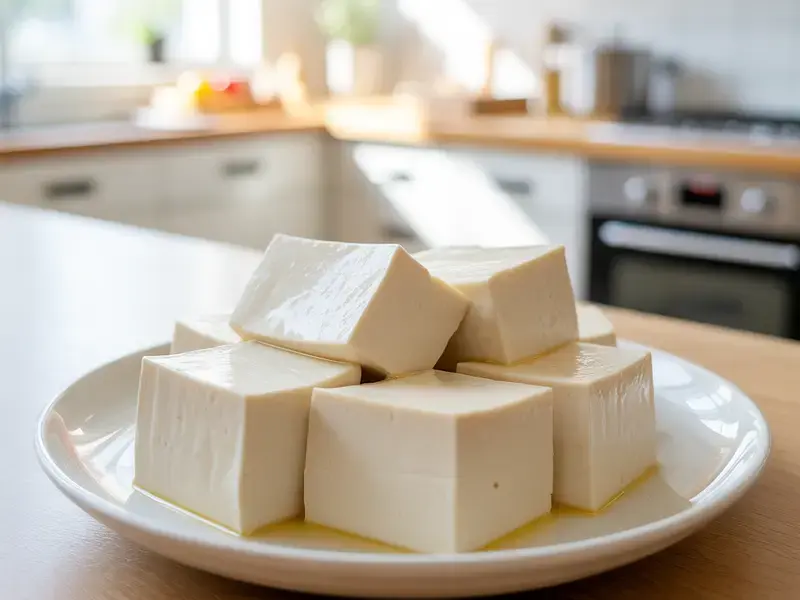
Unlike firm or extra-firm tofu, silken tofu has a custard-like consistency. It’s made by coagulating soy milk without curdling or pressing, which gives it a high water content and a soft, creamy structure. This smooth texture makes it ideal for recipes that require blending or delicate handling.
In Asian cuisines—especially Japanese and Korean—silken tofu appears in soups, cold appetizers, and even breakfast dishes. Western chefs have adopted it for its remarkable versatility: it can mimic cream, cheese, or even egg whites, depending on the preparation.
For those curious about crafting it from scratch, making tofu at home requires only a few ingredients: soybeans, water, and a coagulant like nigari or lemon juice. Once the soy milk is heated and the coagulant added, the mixture gently sets into tofu. Adjusting the ratio of liquid to coagulant determines whether the result is silken, soft, or firm.
How to Use Silken Tofu in Savory Dishes
In savory cooking, recipes using silken tofu range from comforting soups to modern plant-based reinterpretations of classics.
A simple yet refined option is miso soup with cubes of silken tofu, wakame seaweed, and spring onions—a minimalist preparation that celebrates umami and balance. In Western cuisine, it often appears in silken tofu dressings or dips, blended with olive oil, lemon juice, and herbs for a dairy-free creaminess that enhances salads or roasted vegetables.
Another popular choice is a silken tofu scramble, seasoned with turmeric and nutritional yeast to recreate the color and depth of eggs. In Asian-inspired entrées, silken tofu can be lightly steamed and topped with soy sauce, sesame oil, and scallions for a dish that’s both elegant and effortless.
Restaurants specializing in vegan fine dining use silken tofu as a base for sauces and emulsions, adding body without heavy cream or butter. When whipped, it can bring richness to risottos, cold noodles, or delicate purées.
Sweet Recipes with Silken Tofu
Silken tofu’s ability to create a luscious, custard-like consistency makes it an unexpected star in dessert recipes using silken tofu. Its neutral taste allows it to absorb any flavor—from dark chocolate to vanilla or citrus—while maintaining a light, smooth texture.
Try blending silken tofu with melted dark chocolate and maple syrup for a vegan chocolate mousse that’s airy yet decadent. For fruit lovers, silken tofu can be transformed into a lemon tofu cheesecake or a berry smoothie bowl, offering creaminess without dairy.
Chefs also experiment with silken tofu puddings, infused with matcha, coconut, or coffee. These desserts are naturally rich in protein and lower in fat, aligning with the growing popularity of vegan and health-conscious cuisine.
In baking, silken tofu can replace eggs or butter in brownies and muffins, creating a moist crumb while keeping the flavor light.
Cooking Tips for Perfect Texture
Working with silken tofu requires a gentle touch. Because of its high moisture content, it can break easily, so always handle it with a wide spatula or use it directly in the blender for smooth preparations.
To achieve the perfect texture, avoid pressing silken tofu—it’s meant to retain its water content. When blending, start with low speed to prevent separation, then increase gradually until you reach a creamy consistency.
For cold dishes, refrigerate silken tofu before serving to enhance its delicate firmness. For hot preparations, add it toward the end of cooking to keep it intact.
Whether featured in a savory miso soup or a creamy dessert, recipes with silken tofu showcase how this humble ingredient bridges culinary traditions—uniting technique, texture, and taste in every bite.