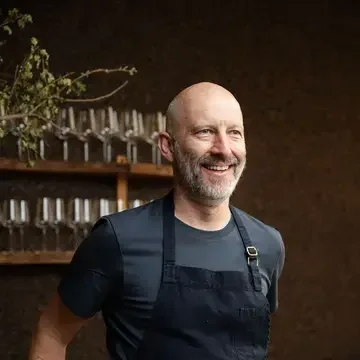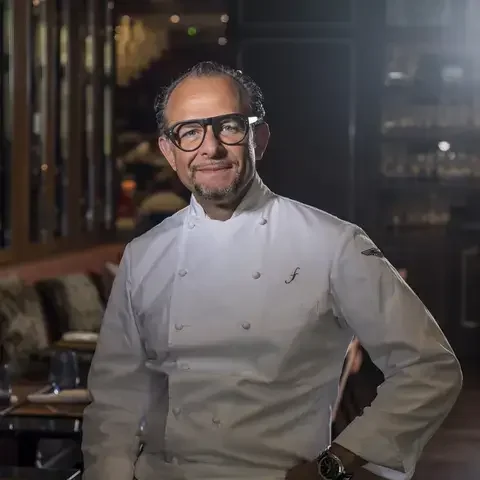
In March 2025, 31-year-old chef Anthony Wang achieved a milestone many chefs spend years chasing, opening his debut restaurant in Los Angeles. Firstborn, a polished dining room in Chinatown, was a critical hit from the start. Located in the former Pok Pok space in Mandarin Plaza, Wang draws on his experience at Destroyer, Auburn, and Ink, while incorporating influences from his parents, who left Beijing in 1989 amid political unrest. The result is a style of cooking that blends mainland Chinese techniques with distinctly American interpretations.
Before Firstborn could fully find its footing, economic uncertainty began reshaping the restaurant industry. Federal layoffs, tariffs, immigration enforcement actions, and broader concerns about consumer spending created new challenges for independent restaurants across the country. In an already precarious market, diners became more cautious about discretionary spending. Wang realized he needed to adapt quickly to keep seats filled.
About a month into 2026, Firstborn introduced a new format: a four-course prix fixe menu priced at $68. At a time when a single entrée at many restaurants can approach that cost, the move stood out. “From the beginning we’ve always been considerate of the overall condition of the economy and meeting guests where they’re at,” Wang says. “A prix fixe format allows us to showcase the things that we love and really care about, and lets guests experience that in a pretty accessible way. This protects us while providing immense value.”
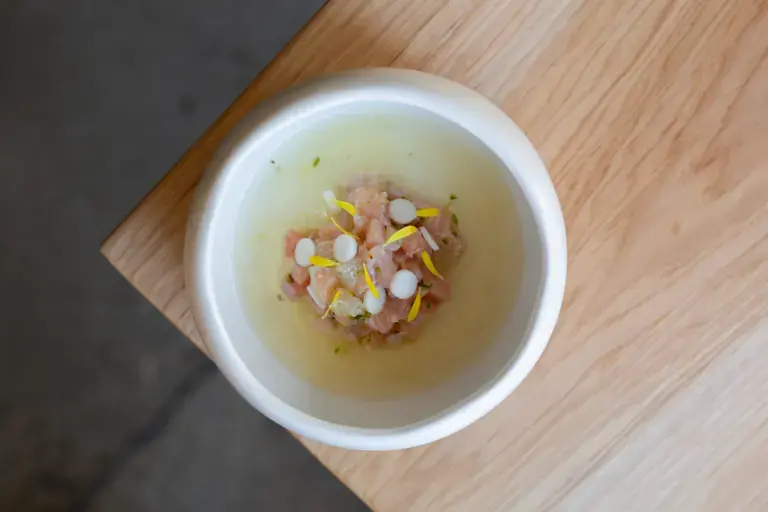
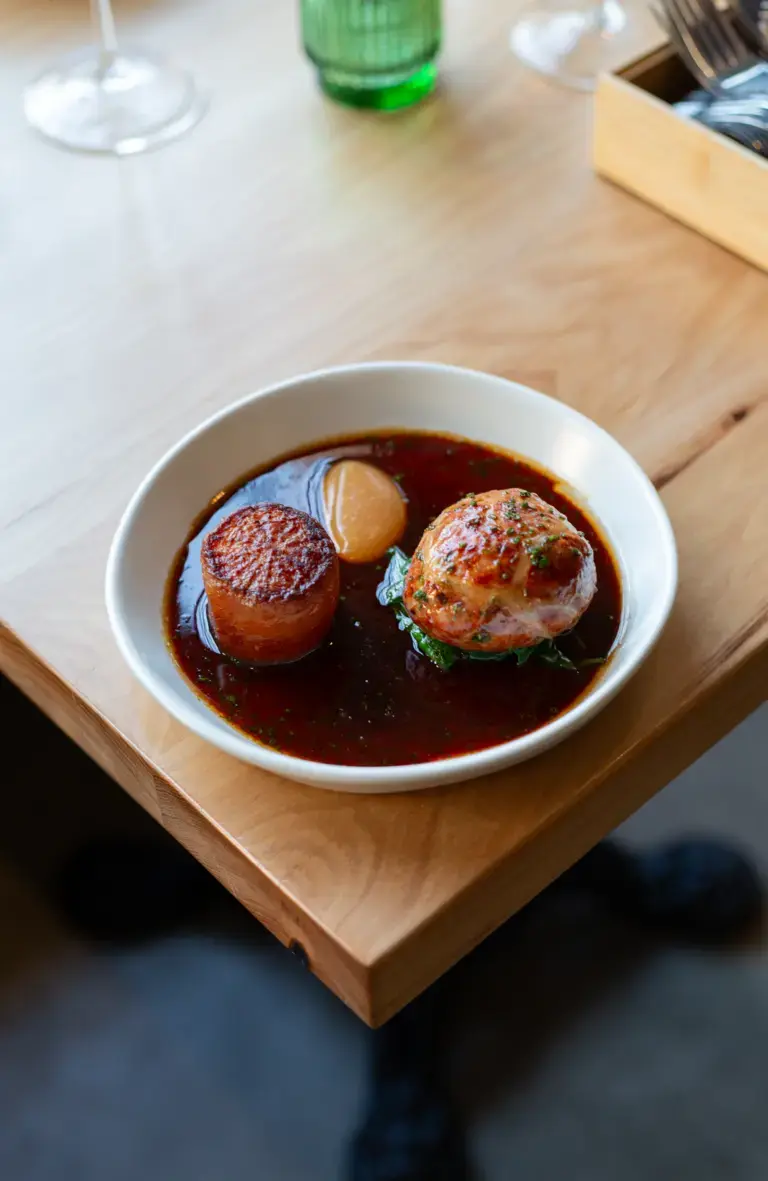
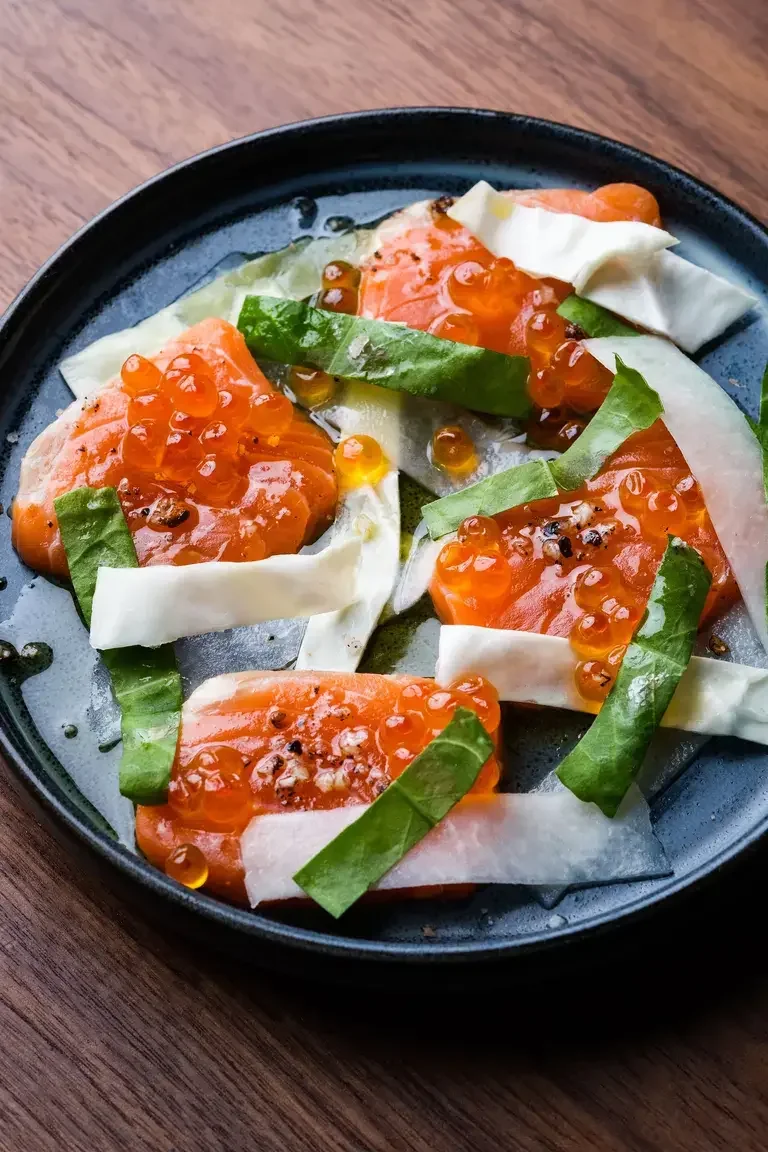
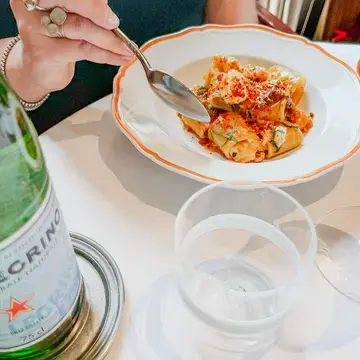
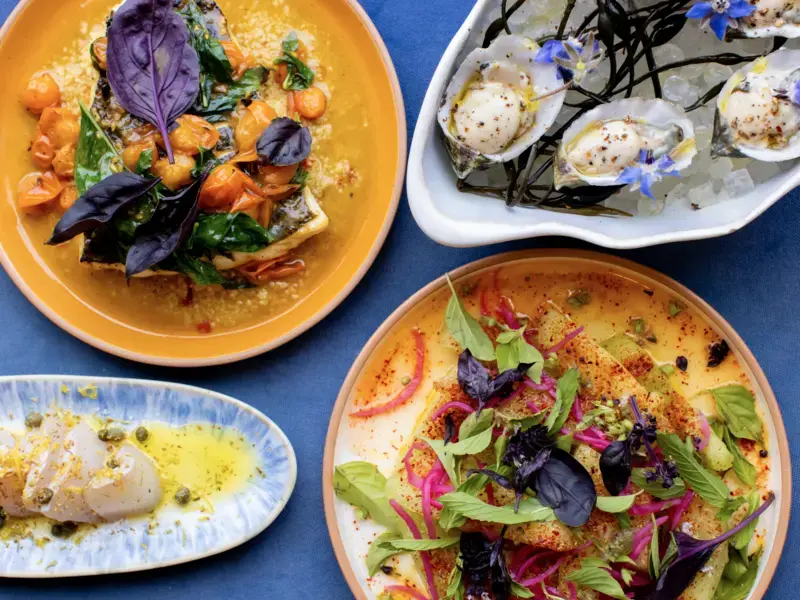
At Firstborn, guests choose from two or three options across three savory courses before dessert. Recent first-course offerings included chilled artichokes with mushroom dashi and wagyu beef tongue carpaccio paired with thinly sliced fermented kohlrabi. A second course of stuffed morels with young peas, or green garlic and duck sausage with apple, braised daikon, and Swiss chard, showcased the kitchen’s technical precision. Portions are smaller than a traditional entrée, but comparable to a generous appetizer, allowing diners to experience a broader range of dishes over the course of the meal.
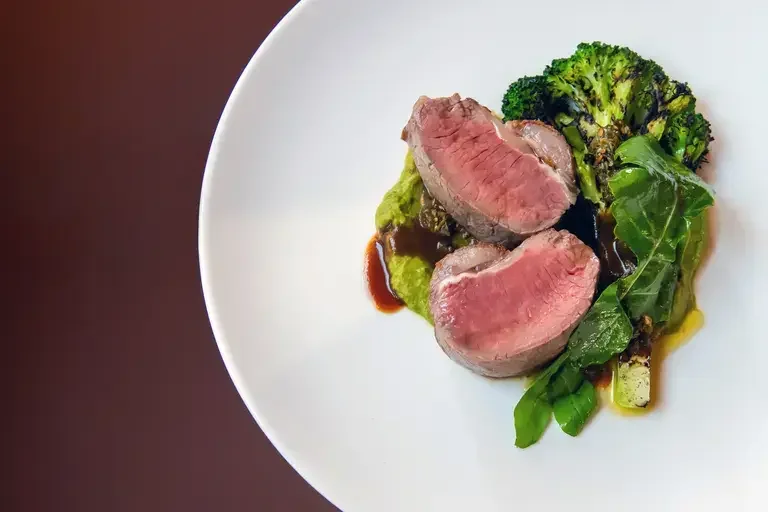
Main courses, larger than the first two plates but still smaller than a traditional entrée, included grilled short rib and cabbage seasoned with yuxiang and black garlic, as well as roasted local fish served with glass noodles, green Sichuan peppercorn, and fennel. The dishes demonstrate the level of technique and attention to detail typically associated with far more expensive tasting menus, even though each course effectively costs about $17. For diners who reserve restaurant visits for special occasions, the thoughtful plating and attentive service deliver many of the hallmarks of a fine dining experience at a more approachable price.
While diners may appreciate the lower price point, ingredient and labor costs remain a constant challenge for restaurants. So how can Firstborn make the numbers work? “We operate on a blended margin, meaning we get our money’s worth by selling vegetables and low-cost items like tofu and mushrooms,” Wang explains. “We make really rich sauces from vegetables and animal byproducts to keep our costs low while creating a lot of impact in terms of flavor.”