Bridging the Kitchen and the Lab
The lab’s hybrid setup, part scientific laboratory and part R&D kitchen, allows both rigorous experimentation and sensory evaluation. “The Chef in Residence program was born from this hybrid work and from my own background in restaurants before becoming a scientist,” Hill-Maini explains. “Chefs are creative artists pushing the boundaries of food and sustainability. Scientists and engineers develop technologies and uncover principles. The question is: how do we bring them together?” he asks.
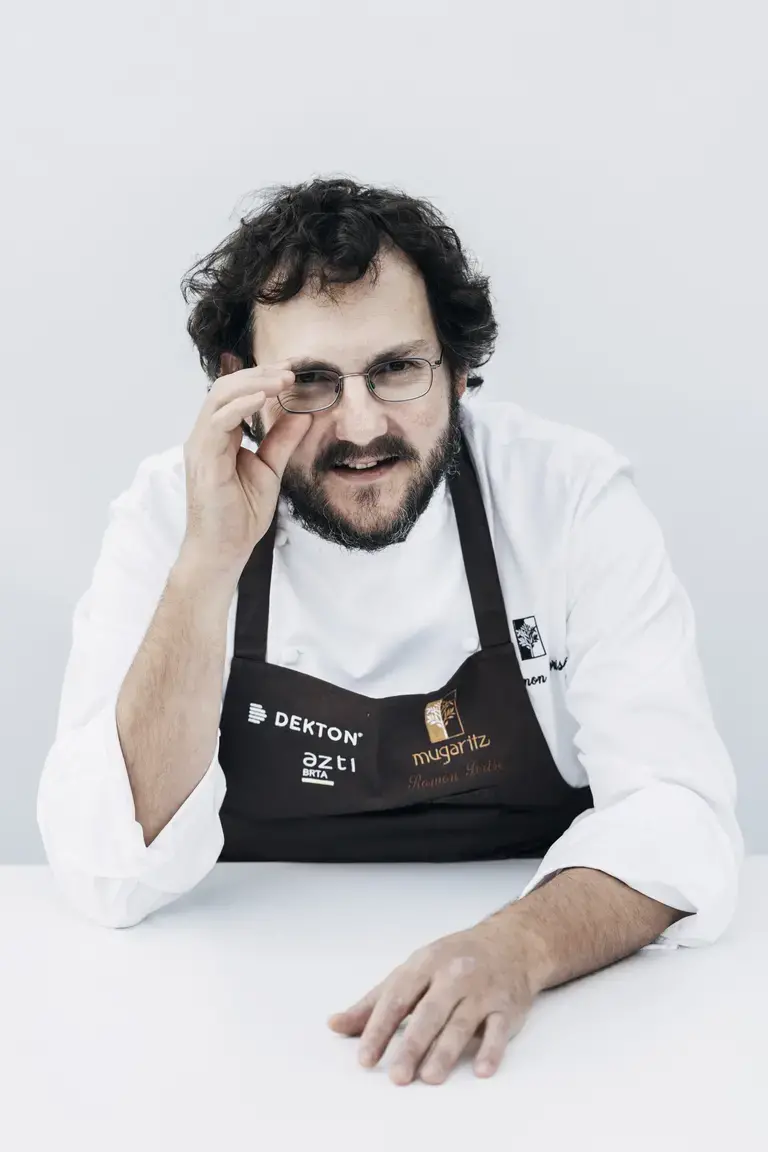
Perisé’s residency begins in late October and continues with a second phase in April 2026. His role is to explore communities across scales, from the microorganisms that transform food to the human networks shaped by those transformations. The program includes cross-school workshops and campus art installations that use the kitchen as a tool for connection and reflection on transformation, symbiosis, and community. “We want to use fermentation as a metaphor,” Perisé says, “to talk about community, symbiosis, and other shared processes through the installations and workshops.”
Workshops, lectures, installations, and research collaborations will invite students and faculty to engage with fermentation on a sensory and emotional level, sparking conversations about the future of food. “Being at Stanford allows us to think about food in broader terms, as a cultural, social, and ecological phenomenon,” says Perisé. “We want to bring the universe of healthy, sustainable food closer to the university community, using the kitchen as a tool for transformation.”
From Harvard to the Basque Country
Gastronomy’s path into academia has been building for years. In 2008, Ferran Adrià partnered with Harvard University to create an undergraduate course in culinary physics at the School of Engineering and Applied Sciences. The class, From Haute Cuisine to the Science of Soft Matter, used cooking to introduce students to soft-matter physics—the study of suspensions and gels—in close collaboration with Harvard faculty.
In 2012, Mugaritz and AZTI launched the International Journal of Gastronomy and Food Science, published by Elsevier. It was the first academic journal to position gastronomy within peer-reviewed research. The Basque Culinary Center later joined as a co-promoter, reinforcing its role as a shared space for dialogue between chefs and scientists. “Since the days of molecular cuisine, we have seen how science began to enter gastronomy,” says Joxe Mari Aizega, director of the Basque Culinary Center. “Today we are in a different stage: gastronomy has drawn closer to science, becoming a multidisciplinary field capable of generating knowledge of its own.”
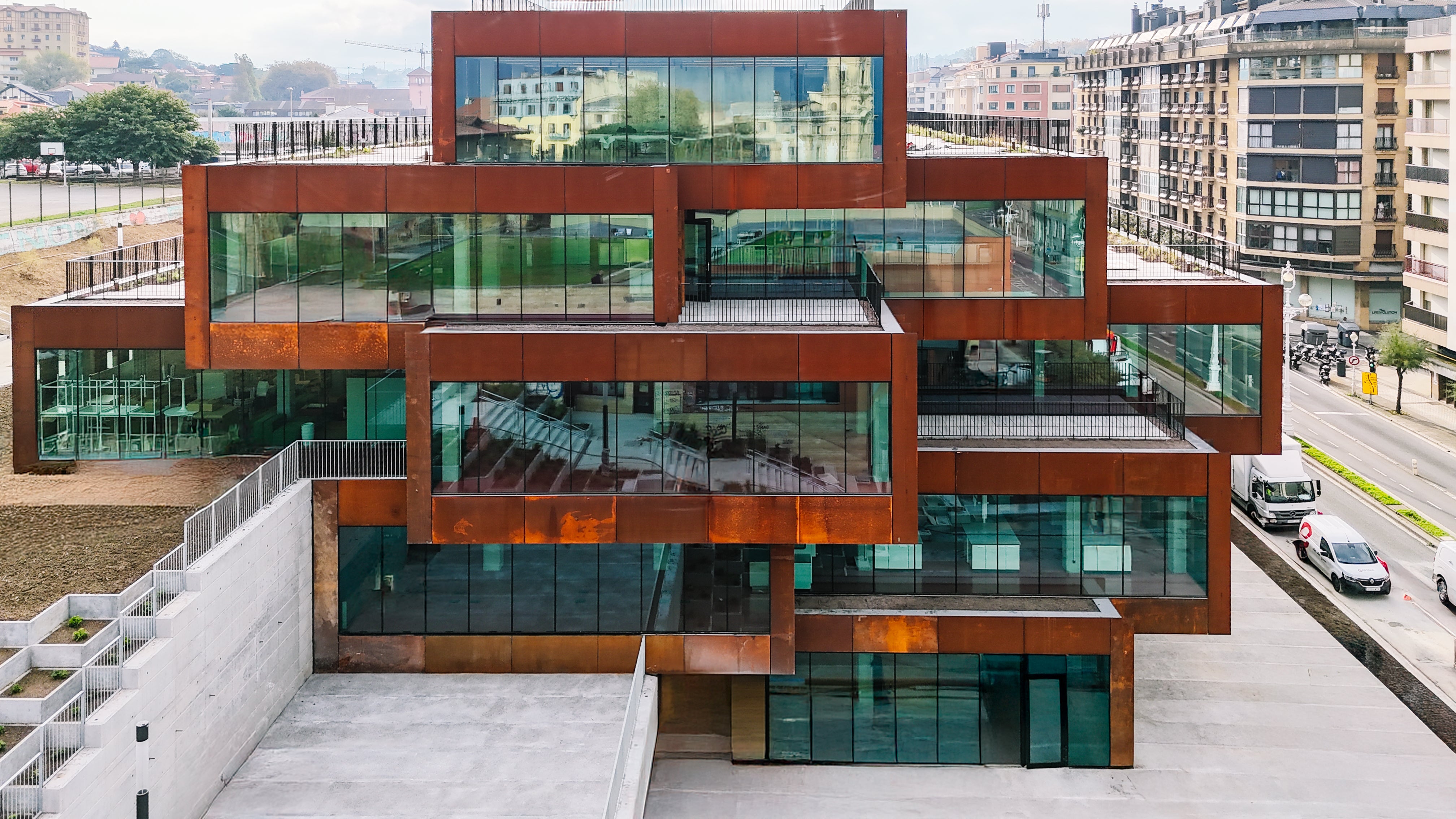
In October, the Basque Culinary Center inaugurated GOe, the Gastronomy Open Ecosystem, in San Sebastián. The new hub brings start-ups, researchers, and chefs under one roof. Designed by the Danish studio BIG (the same behind Noma in Copenhagen) with Bat Architecture, the building signals the next step in linking gastronomy and science. “Today we cannot talk about culinary education without considering innovation, sustainability, and entrepreneurship,” Aizega says. “Schools must adapt, creating hybrid models that merge gastronomy, science, and innovation. GOe trains a new generation of professionals—cooks who are also scientists, and scientists who also cook.”