Define the Trend
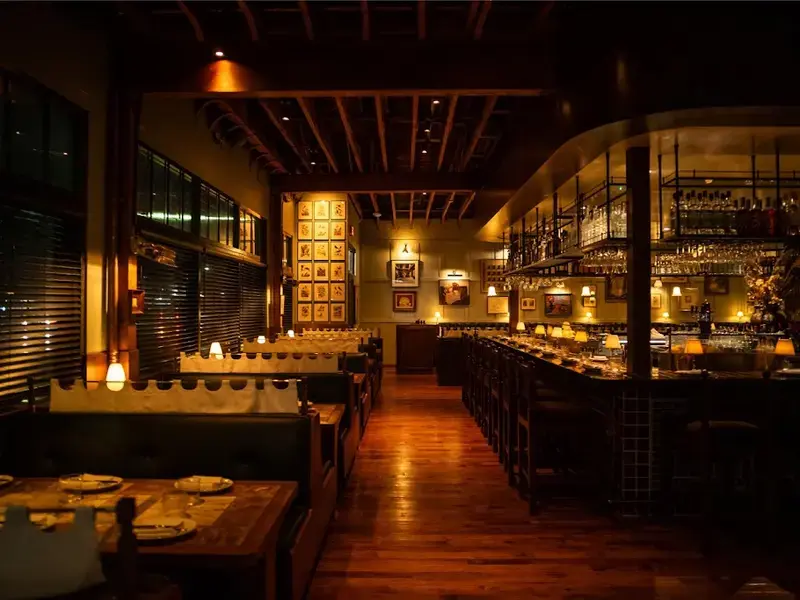
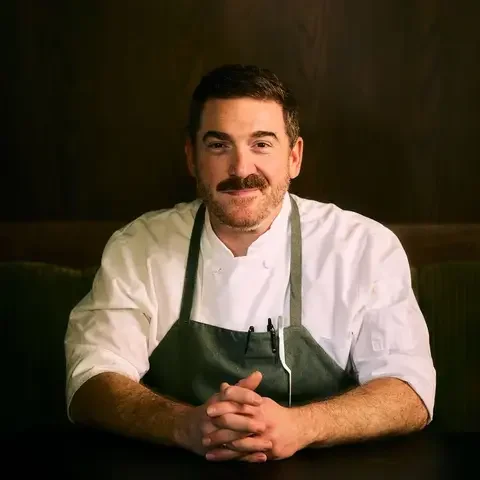
Weisblatt, along with business partner Holly Fox, owns Found Oyster, Queen’s Raw Bar and Grill, Rasarumah, and Barra Santos, and describes all of his restaurants as “neighborhood” spots. What that means, exactly, can be hard to define. By definition, a neighborhood restaurant serves the surrounding neighborhood. But in a sprawling city like Los Angeles, it also needs to function as a destination. Hermon’s manages to do both, with lines forming a half hour before opening for first-come, first-served bar seats, while tables are booked solid as soon as reservations are released two weeks out.
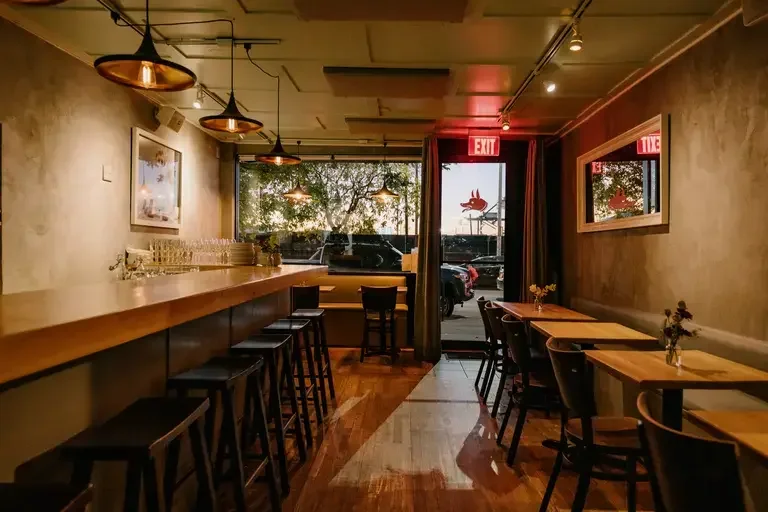
The need for these kinds of places extends beyond Los Angeles. While Hermon’s is only a few months old, Popina, a Cobble Hill, Brooklyn favorite, is busier than ever eight years in, according to owner James O’Brien.
“I don't know if it's based on the current times or just how we've kind of listened to the community, maybe a little bit of both. But we're busier,” says O’Brien, who takes pride in Popina being the kind of place guests can come to for any occasion.
“We wanted to be a spot where people could come once a week, twice a week, a place where you celebrated a birthday. But it could also be the place where you just cozied up to the bar and had a glass of wine and forgot about how hard working or living in New York is.”
O’Brien, who incorporates the level of hospitality he developed during his time with Danny Meyer’s Union Square Hospitality Group at restaurants like Tabla and Maialino, attributes Popina’s repeat clientele in part to its approachable pricing. “People could just come again and again to either celebrate or forget about a breakup or whatever life throws at you. Our job is just to make your day a little bit better.”
In Sergeantsville, New Jersey, Momofuku Ko alum chef Sean Gray has revitalized the nearly three-century-old Sergeantsville Inn, combining his fine dining background with the traditions of an old-fashioned American tavern.
“The neighborhood joints often take a bigger role in people's lives, just like the neighborhood pub or bar or tavern always have,” says Weisblatt.
Regardless of age or cuisine, creating spaces and experiences that inspire and retain regular customers is essential in today’s restaurant climate.
“It is very, very hard in this business to make a living off of serving restaurant customers once and then never again,” says Weisblatt, who believes that being a neighborhood spot requires approachability not only in pricing, but also in menu offerings, style of service, and a dining room that balances formality with comfort. At Hermon’s, every seat in the dining room is a cushioned booth, inviting guests to settle in. Paired with martinis, fried coconut tiger prawns with sweet chili sauce, and lemon baked Alaska for dessert, the experience nods to restaurants of yesteryear.
“To really be that neighborhood place, I think you need to be careful about it being really comfortable but not being stuffy. You want people to imagine being able to come in on Tuesday and then coming the next Tuesday. That is what separates a neighborhood restaurant from a destination restaurant, the ability to just keep going back and cultivating regular customers.”