The First Pour
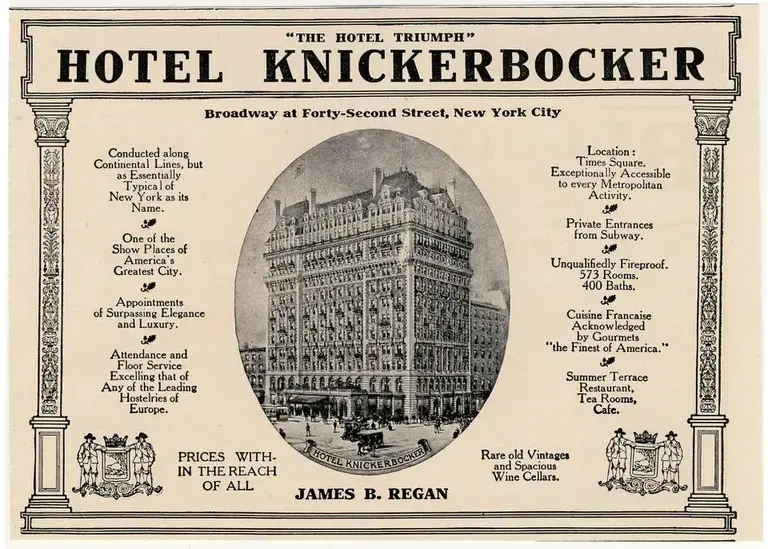
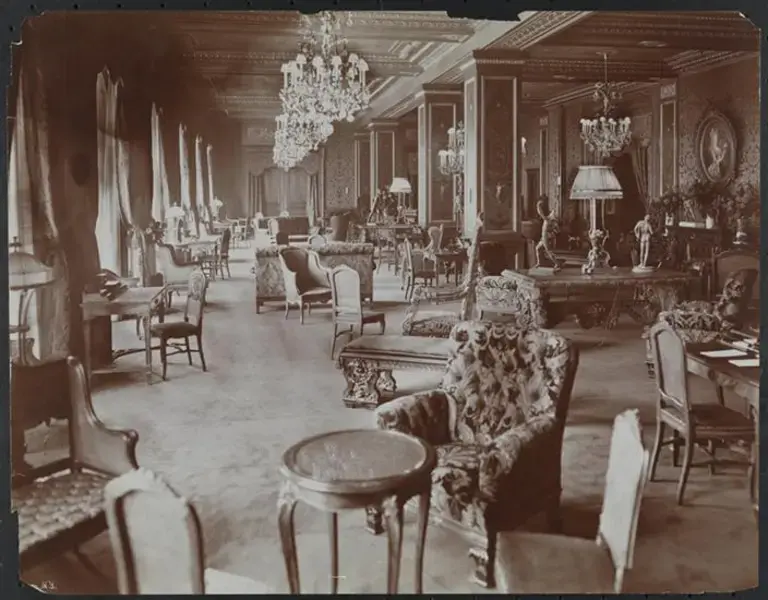
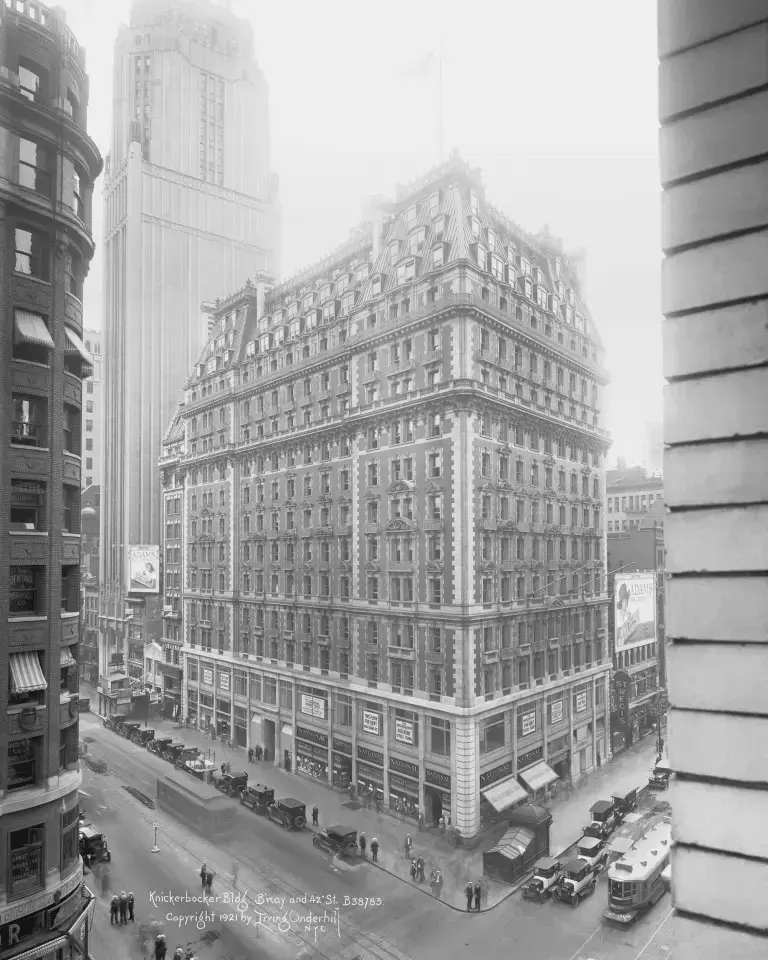
When John Jacob Astor IV opened The Knickerbocker Hotel in 1906, it joined a group of legendary spaces that helped catapult the city into a travel destination. Just steps from the newly minted Times Square, the hotel quickly became a gathering place for the city’s elite, including opera singer Enrico Caruso, playwright George Cohan, and author F. Scott Fitzgerald, who referenced it by name in his debut novel This Side of Paradise, noting that the bar was “well crowded.” Dozens of deals were made while leaning against the bartop, from real estate changing hands to Babe Ruth verbally committing to play for the Yankees.
“It was a really happening place,” says Chris Miller, the hotel’s modern-day beverage director. “They called it the 42nd Street Country Club, because it was the place to be. It was a gathering place for the whole gamut of influential people.”
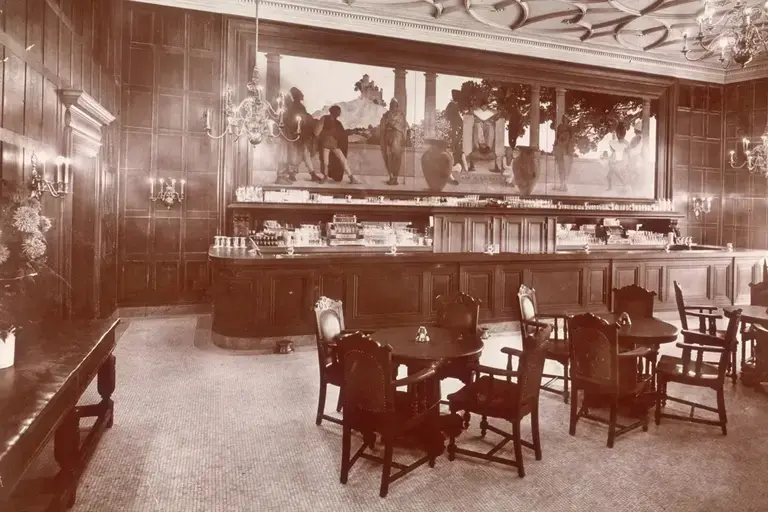
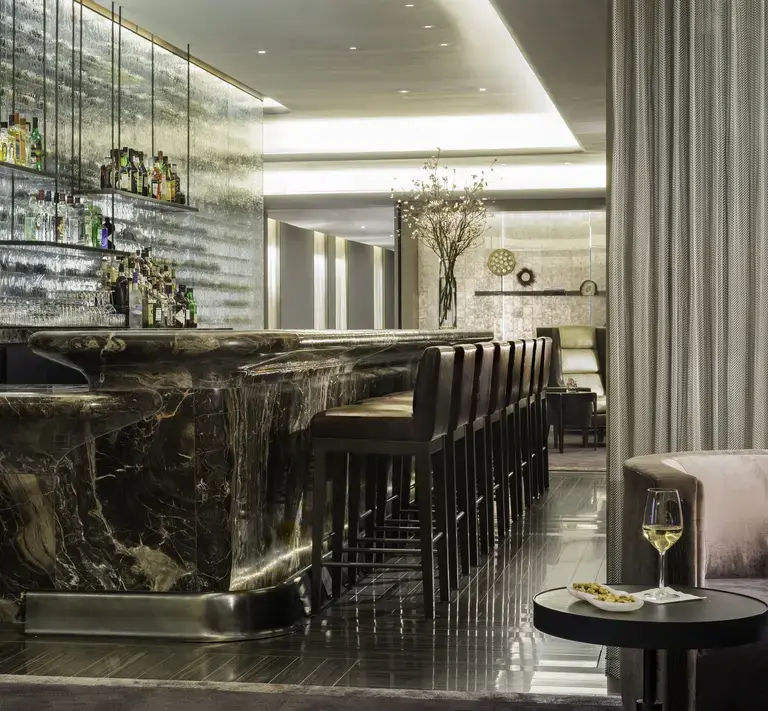
While the hotel’s restaurant was a grand dining room with flowing Champagne and banquet dinners of French fare served to oil tycoons and heiresses, the bar was a dark, smoke-filled room. Above the stick, a grand painting by Maxfield Parrish, commissioned by Astor himself, anchored the space and lent it a sense of opulence. The work is now the centerpiece of the nearby King Cole Bar.
Despite its notoriety, the bar managed to feel under the radar, and its secluded atmosphere was part of the draw for these Gilded Age socialites. “There was an entrance to the hotel in the subway station just below us,” Miller says. “So people could easily go in and out without being seen.”
An Iconic Cocktail Is (Allegedly) Born
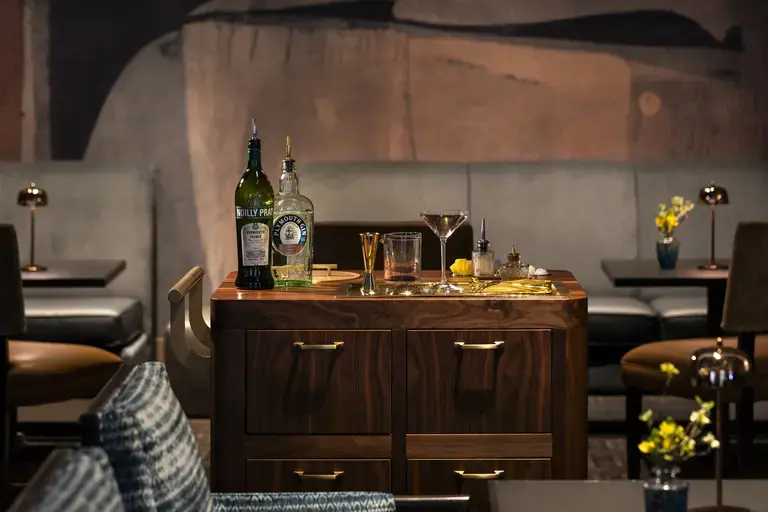
Cocktail origin stories are often murky at best, especially when the creation dates back more than a century. Legend has it that the dry martini may have been invented in The Knickerbocker Hotel bar.
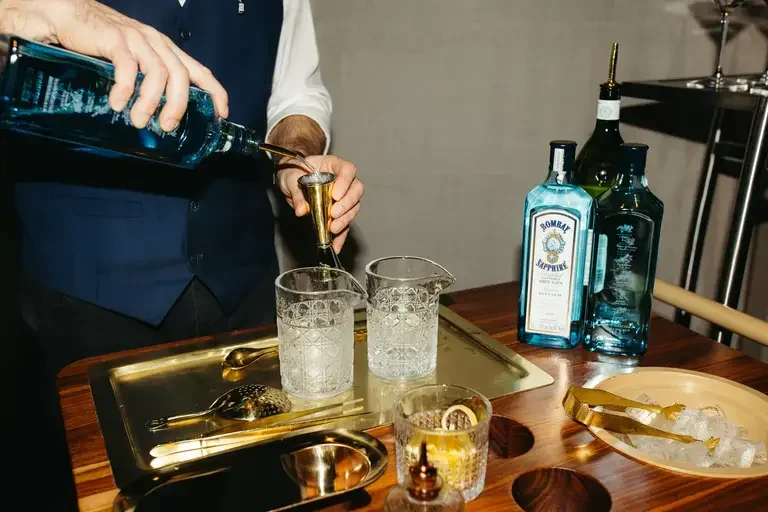
Martinis made with sweet and dry vermouth, known as perfect martinis, were already in vogue, but some say bartender Martini di Arma di Taggia was the first to serve a different version made with gin, dry vermouth, and a dash of orange bitters. In some tellings, the drink was served to John D. Rockefeller himself. This tale was chronicled in The World of Drinks and Drinking, a 1972 book by British writer John Doxat.
However, the drink’s roots “still lie in darkness,” as cocktail historian David Wondrich wrote in Stirring Up Tradition: The Knickerbocker’s Martini Legacy. Other theories connect the cocktail to a San Francisco bar in 1863 or to Harry Johnson’s Bartenders’ Manual, which featured a martini recipe in 1888, 18 years before The Knickerbocker opened. “There have been plenty of nominees for its creation, but when subjected to careful investigation, their claims melt away like the ice chips in a dive-bar highball,” Wondrich says.
The drink’s genesis may remain a mystery, but even if the martini was simply a go-to for the hotel’s imbibers, it remains a fable shared widely at the hotel. “There’s something that just feels right about drinking a martini here,” Miller says. “So we leaned in.”