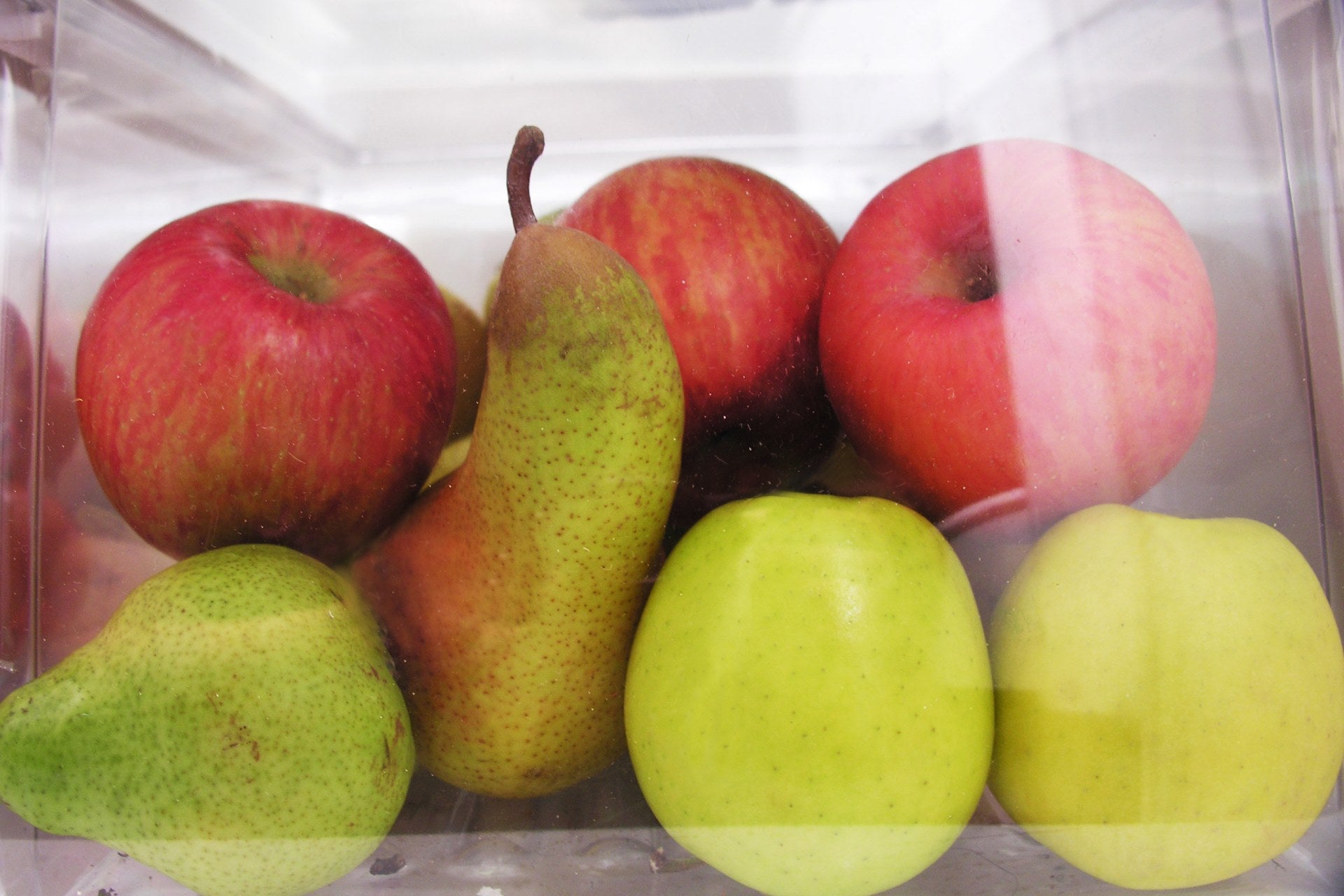
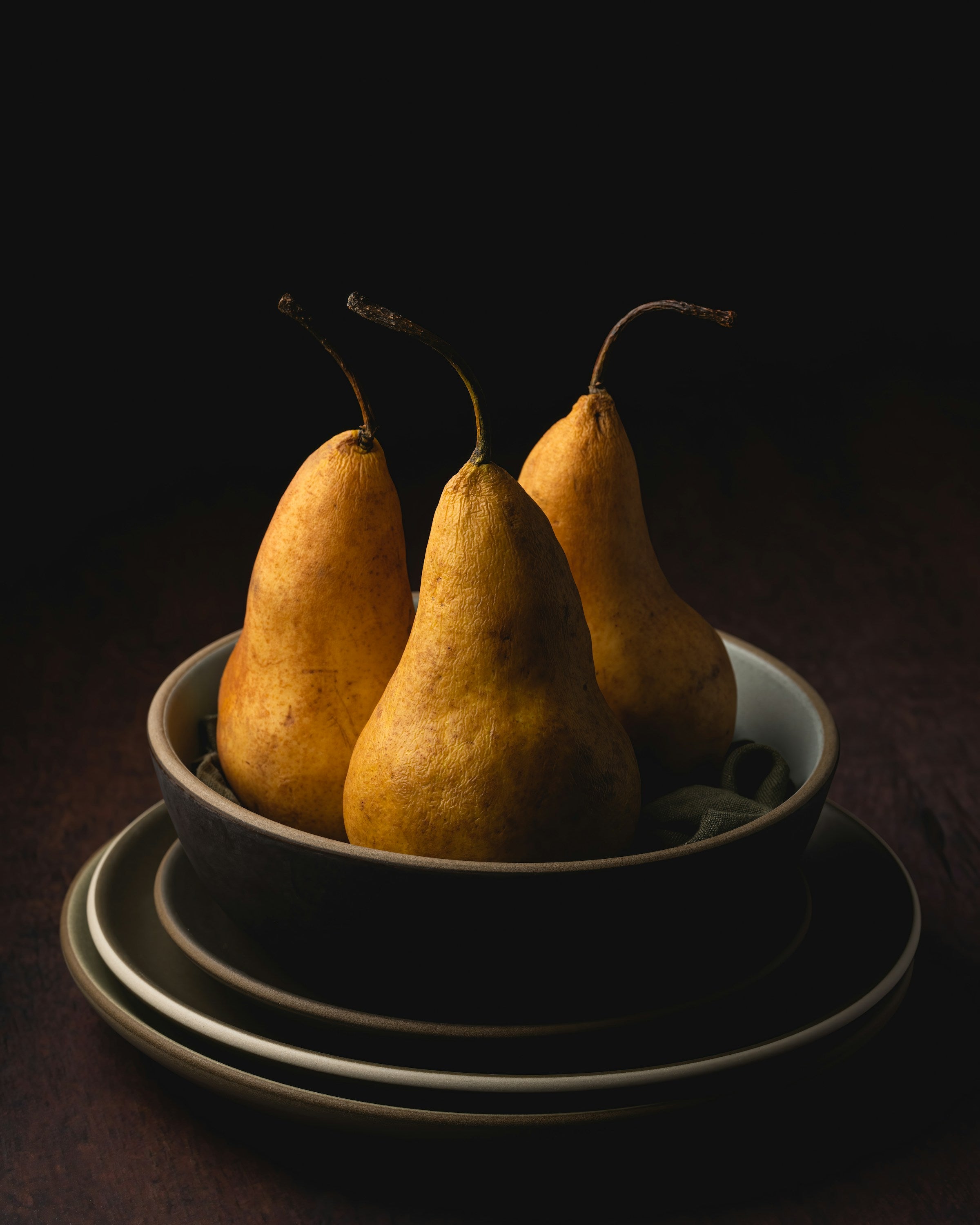
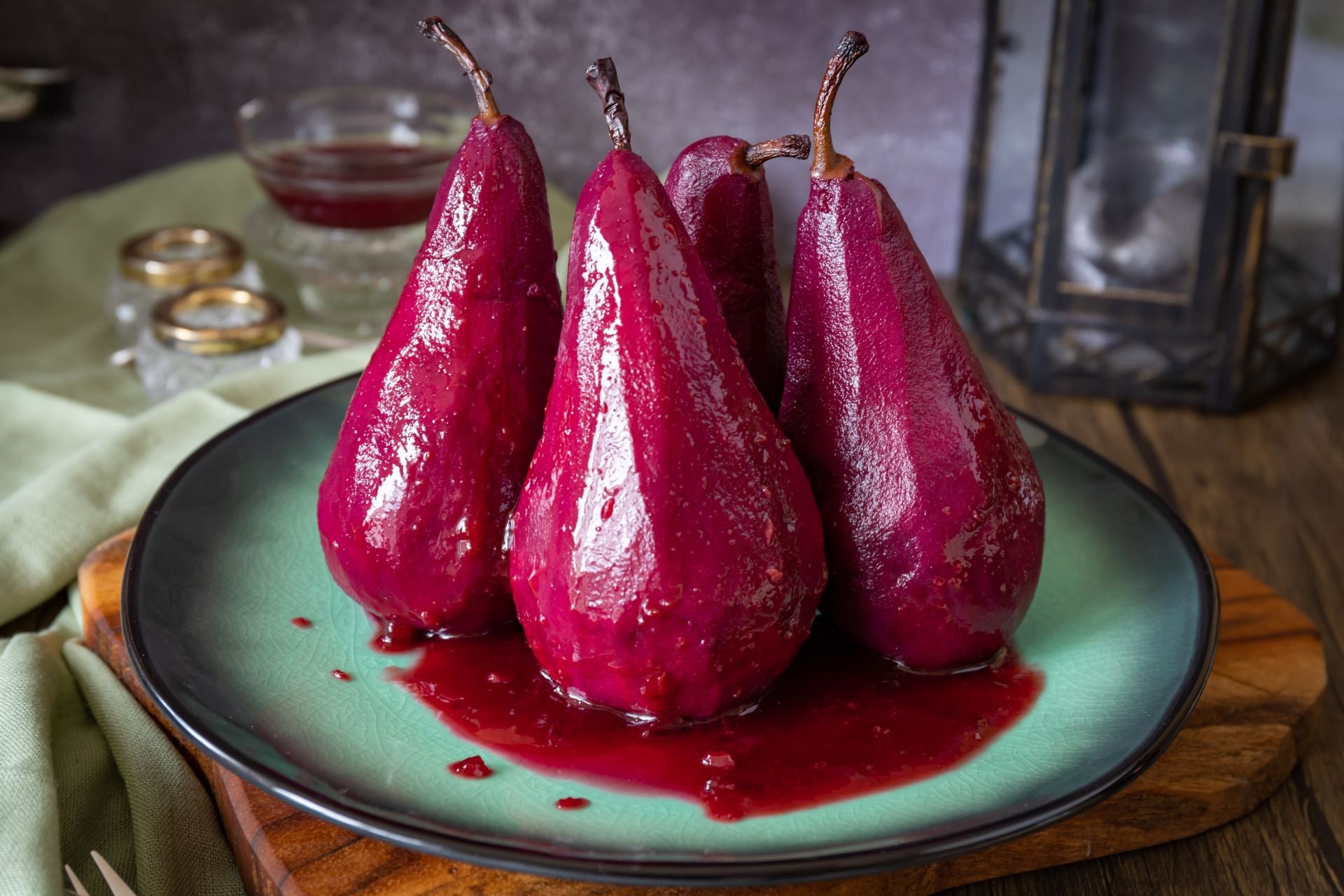
Pears taste best when perfectly ripe—juicy, sweet, and fragrant. The trick is knowing how to get them there and how to keep them fresh once they’re ready.
- Ripen at room temperature: Leave firm pears on the counter until they soften.
- Speed it up: Place them in a paper bag with a ripe apple or banana. These fruits release ethylene gas, which helps pears ripen faster.
- Slow it down: Once ripe, move pears to the refrigerator. They’ll stay fresh for one to two weeks.
- Keep them separate: Store away from ethylene-heavy fruits like apples, bananas, avocados, melons, and peaches to prevent overripening.
If you’re dealing with underripe pears, check out our tips on how to ripen pears quickly and easily.
Are Overripe Pears Safe to Eat?
Overripe pears are perfectly safe to eat, but they’re best used in cooked dishes—they can be messy and overly sweet when eaten raw.
Avoid pears that smell sour, look shriveled, or release liquid. These signs indicate rot. And if you see any mold, discard them immediately.
How to Use Overripe Pears
If you have a few overripe pears in the refrigerator, there are plenty of ways to use them. Make the most of your slightly squishy bounty with these simple ideas:
1. Bake with them
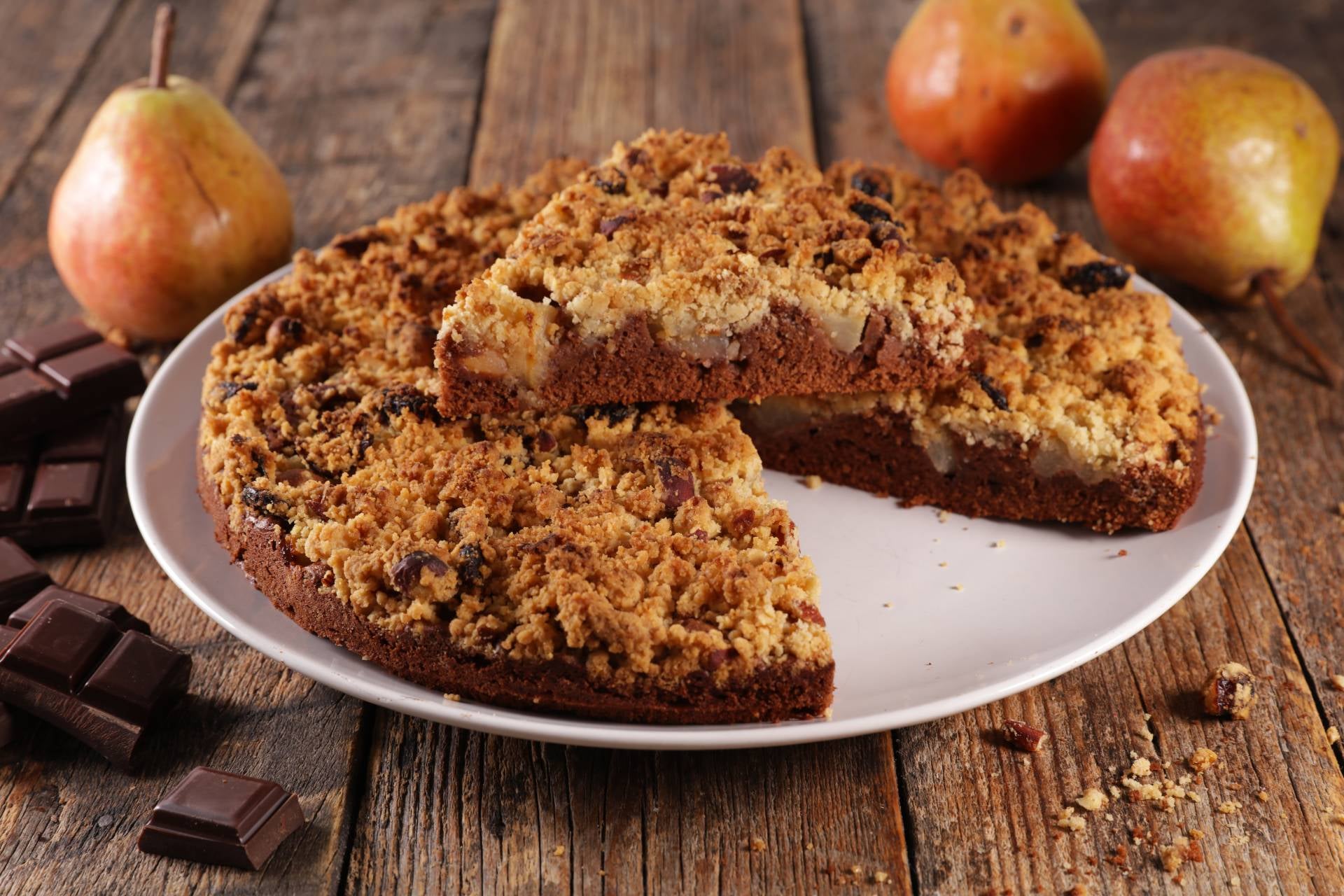
The riper a pear becomes, the sweeter and juicier it gets—perfect for pies, crumbles, and cakes. Trim away any bruised spots and use the rest in your favorite dessert. Pears also work beautifully in most recipes that call for apples.
2. Freeze them
Short on time? Slice the pears and arrange them on a baking sheet to freeze. Once solid, transfer to labeled freezer bags. They’ll keep for up to six months.
3. Blend them into drinks
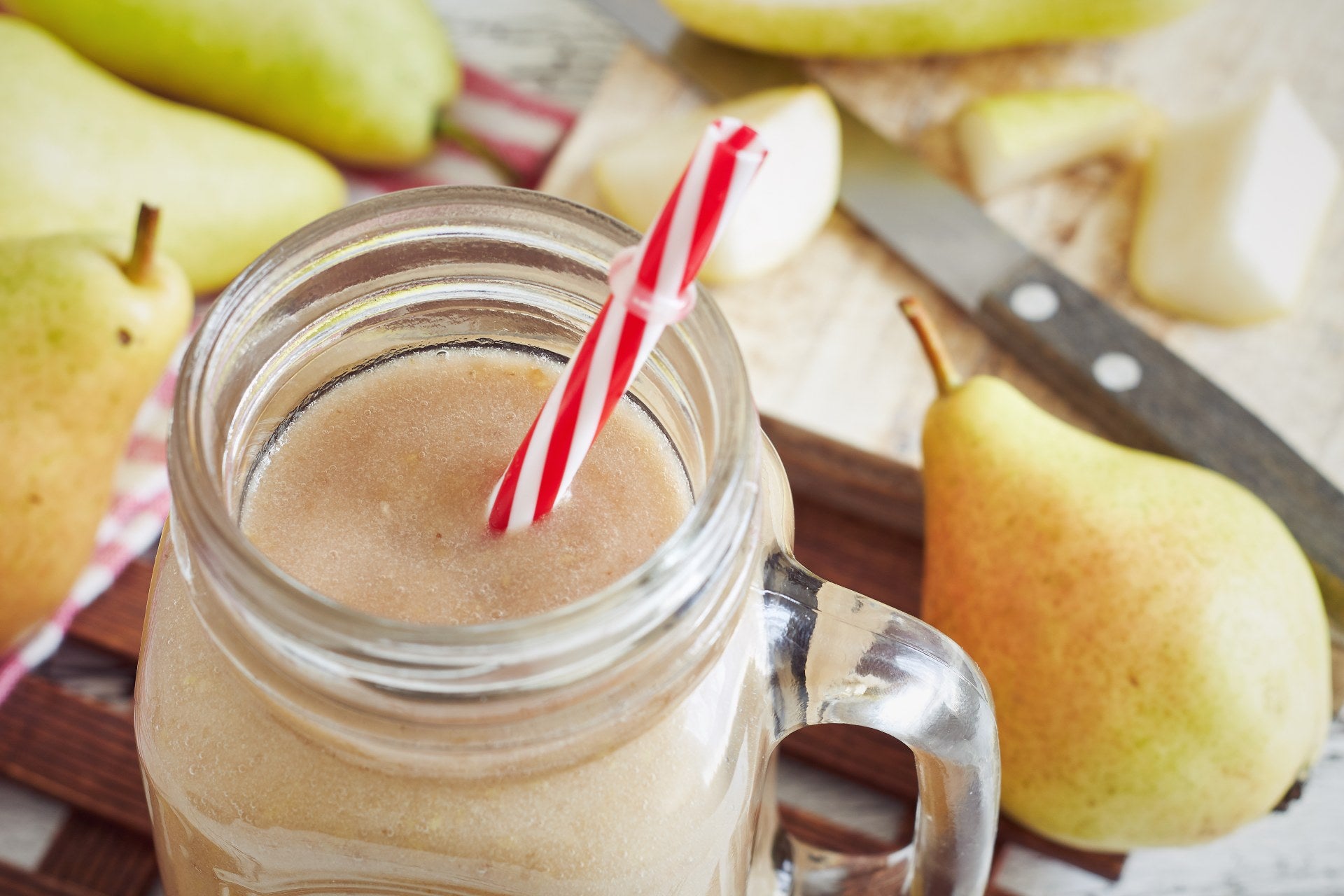
Soft pears are perfect for smoothies. Combine them with other fruits for a naturally sweet, fiber-rich drink.
4. Turn them into Preserves
Overripe pears are ideal for jams, jellies, and chutneys because they’re already soft before cooking. Their natural sugars concentrate beautifully as they simmer.