Sorry, you need to enable JavaScript to visit this website.
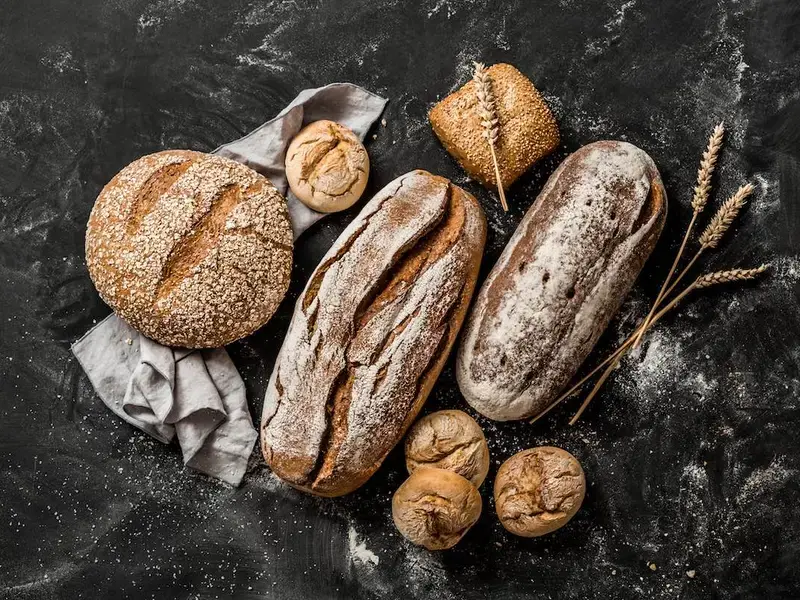
A selection of breads.

All photos: iStock

15 Different Kinds of Bread to Make

FDL
By
Fine Dining Lovers
Editorial Staff

Bread is one of the world’s oldest and most universal foods, a staple across countless cultures for thousands of years. Made by combining flour, water, yeast, and other ingredients, then baking the dough, bread takes on endless forms depending on the flour used, the preparation method, and any additional ingredients.

Each type of bread has its own distinctive flavor, texture, and nutritional profile, making it an incredibly versatile base for everything from breakfast toast to hearty sandwiches. In this guide, we explore 15 classic types of bread and what makes each unique—so whether you’re a passionate baker or simply curious, you may discover a new favorite loaf.
1.White Bread

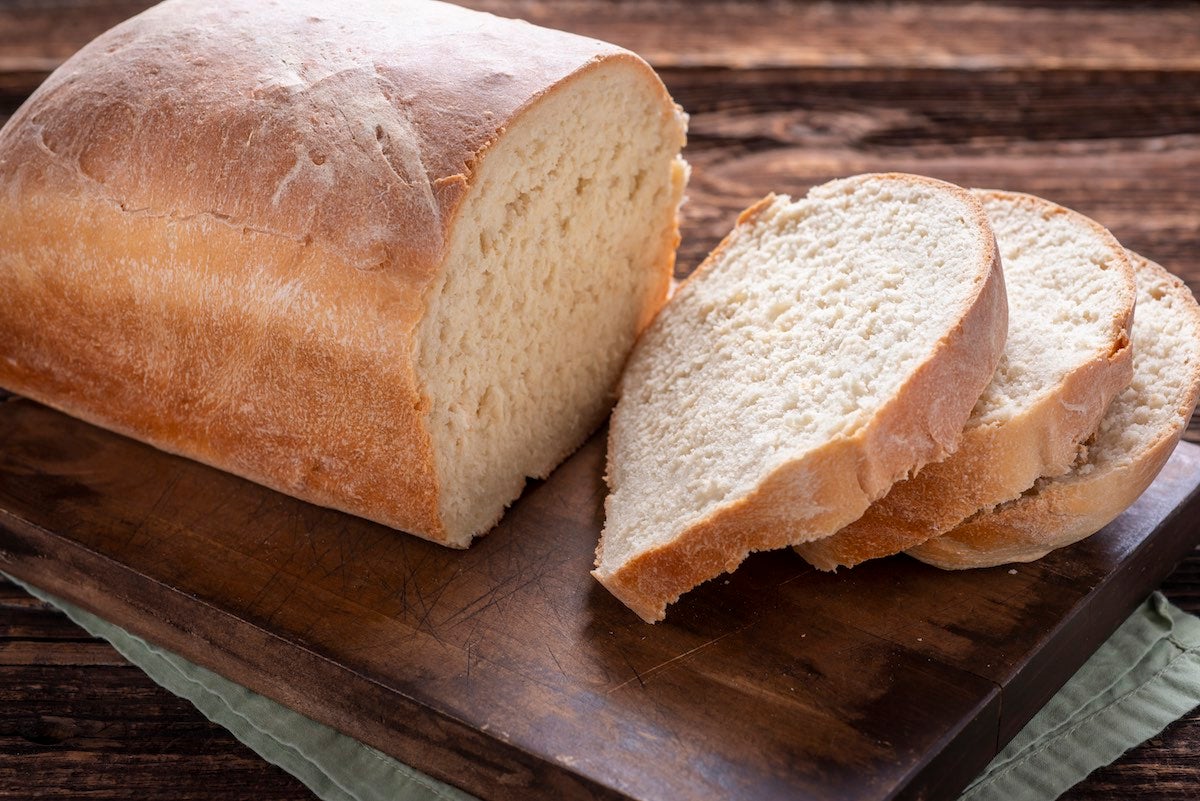
A tin loaf of fresh white bread with a few slices

White bread is the most common type of bread in many countries. It has a mild flavor and a pale, golden color. During the milling process, the bran and germ layers of the wheat kernel are removed, along with most of the natural oils. This extends shelf life but also strips away much of the fiber and nutrients found in whole-grain flours.

Flavor & Texture

  • Mild, neutral flavor
  • Soft, airy crumb
  • Thin, light crust

Suggested Uses: Sandwiches, toast, bread pudding, breadcrumbs

Recipe: Try this classic white sandwich loaf from Food 52.

Difficulty: Easy

2. Wholewheat Bread

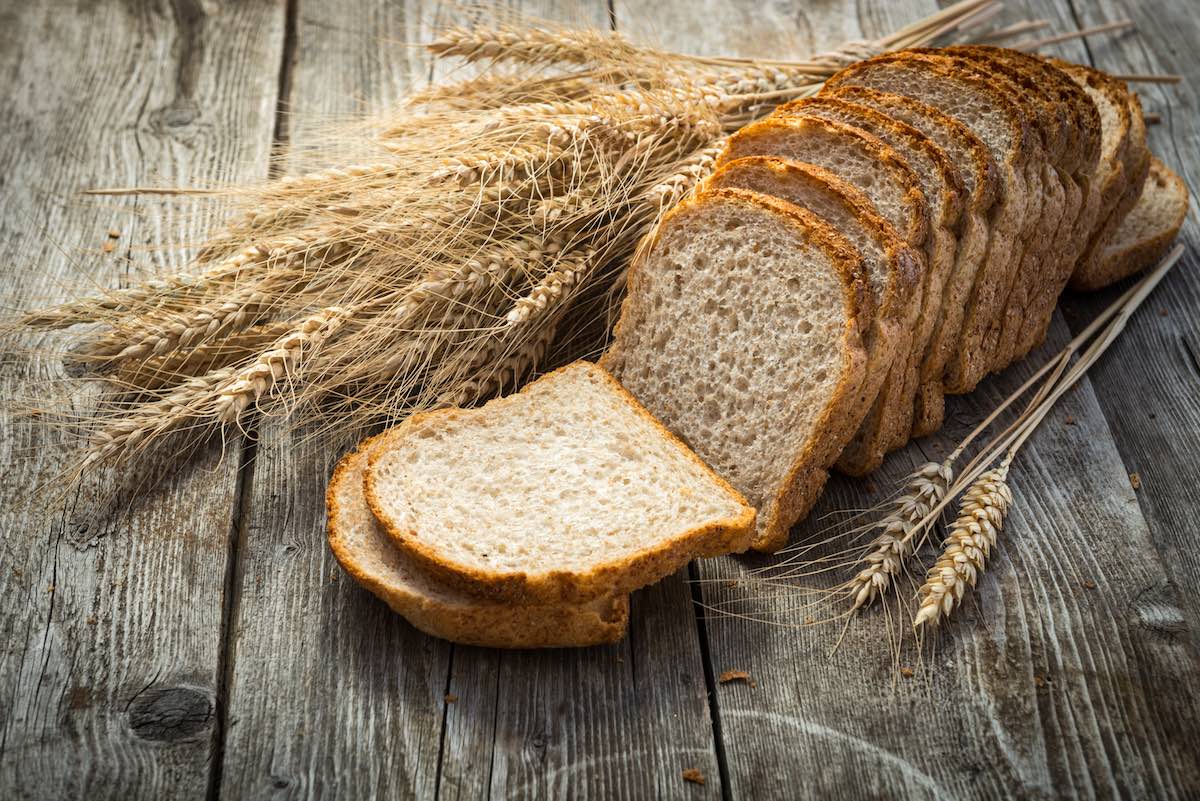
kinds-bread-whole-wheat-bread

Whole wheat bread—also known as wholemeal bread—is made from flour that contains the entire grain, including the bran, germ, and endosperm. Because it retains these components, it offers more fiber, vitamins, and minerals than white bread and has greater nutritional value overall.

Whole wheat bread has a richer, nuttier flavor and a denser, chewier texture than white bread. It’s hearty, wholesome, and one of the most satisfying breads to bake at home.

Flavor & Texture

  • Nutty, earthy flavor
  • Dense, chewy crumb
  • Hearty, rustic crust

Suggested Uses: Open-faced sandwiches, avocado toast, hearty soups, toast, or stuffing

Recipe: Try this whole wheat bread from MasterClass.

Difficulty: Easy

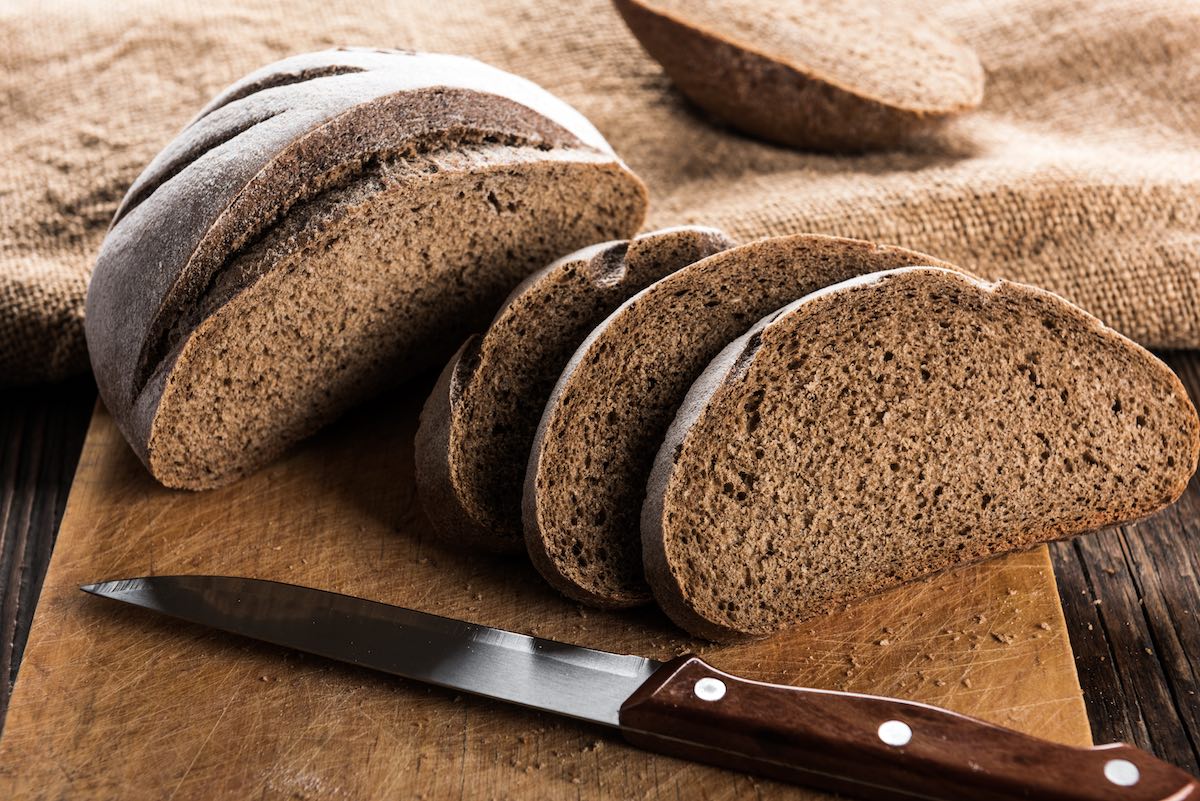
3. Rye Bread

kinds-bread-rye-bread

Rye bread is made with rye flour and is a staple in classic deli sandwiches like the Reuben. It ranges from light to dark depending on how the rye grain is milled and which portion of the berry is used.

In Europe, rye bread is often made entirely from rye flour, producing a dense, tangy loaf. In the United States, it’s commonly blended with wheat flour and flavored with molasses or cocoa powder to deepen the color and sweetness. Caraway seeds are frequently added for an aromatic finish.

Flavor & Texture

  • Earthy and slightly sour
  • Dense, chewy crumb
  • Fragrant with caraway seeds

Suggested Uses: Reuben sandwiches, smoked salmon, or sharp cheeses

Recipe: Watch how to make this deli favorite in America’s Test Kitchen.

Difficulty: Medium

4. Sourdough Bread

kinds-bread-sourdough

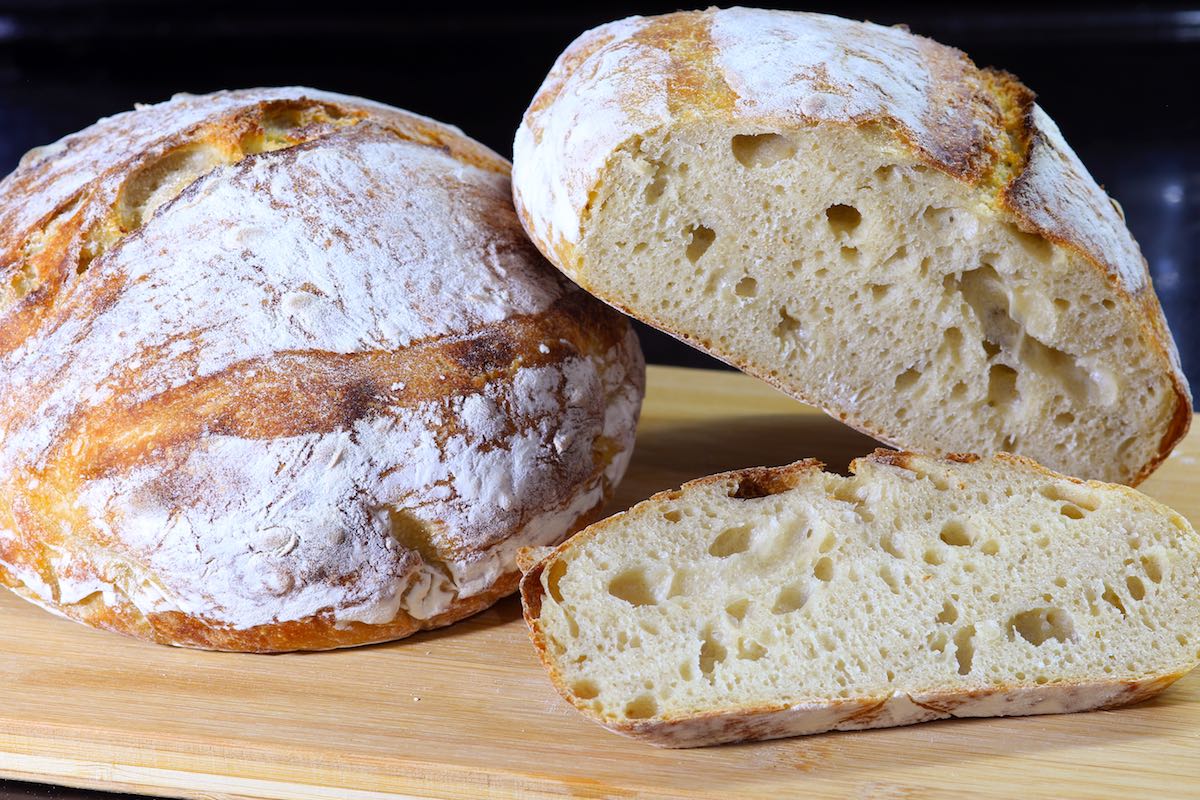
Sourdough bread is made through a long fermentation process that relies on wild yeast and naturally occurring lactobacilli. These microorganisms live in a mixture of flour and water known as a starter, which gives sourdough its signature tang and slow rise. Because wild yeast ferments more gradually than commercial yeast, the dough develops a deeper flavor and distinct chew.

Sourdough typically contains less gluten than conventional breads, producing a crisp crust, airy interior, and complex, tangy taste. A hallmark of the San Francisco Bay Area, sourdough is prized for its flavor and digestibility.

Flavor & Texture

  • Tangy, complex sour notes
  • Open, chewy crumb
  • Crisp, golden crust

Suggested Uses: Artisan sandwiches, bruschetta, toast, or soup dipping

Recipe: Learn how to make a starter and loaf with this guide to homemade sourdough.

Difficulty: Hard (requires starter care and timing)

5. Multigrain Bread

kinds-bread-multigrain

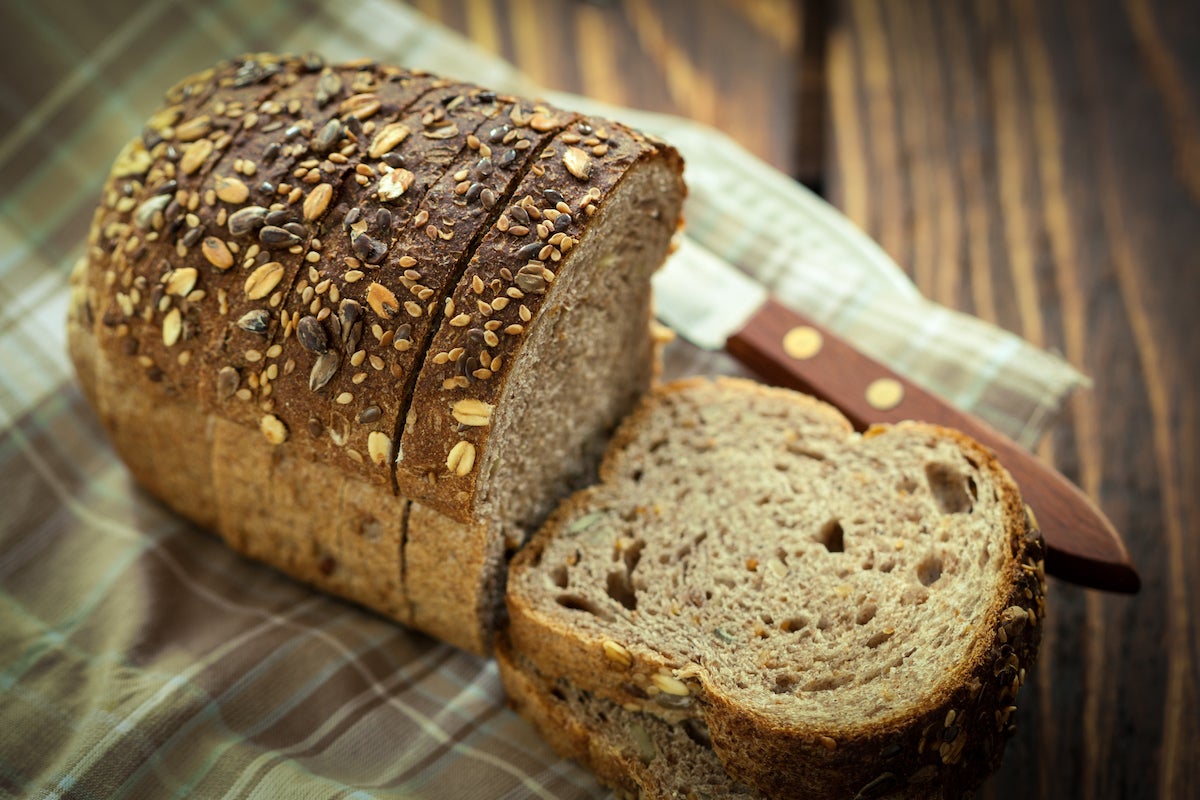
Multigrain bread is made from a combination of at least two different grains—such as wheat, barley, oats, millet, or flax. While it doesn’t always contain whole grains, versions made with them are denser, more flavorful, and higher in nutrients. Its hearty, nutty profile makes it a favorite choice for sandwiches and breakfast toasts.

Flavor & Texture

  • Nutty, hearty flavor
  • Dense, slightly chewy crumb
  • Grainy crust

Suggested Uses: Hearty sandwiches, breakfast toast, or open-faced tartines

Recipe: Try this multigrain bread from Martha Stewart, made with a mix of flours and seeds.

Difficulty: Medium

Recipe: Try this , with a mix of flours and seeds.

6. Baguette

kinds-bread-baguette

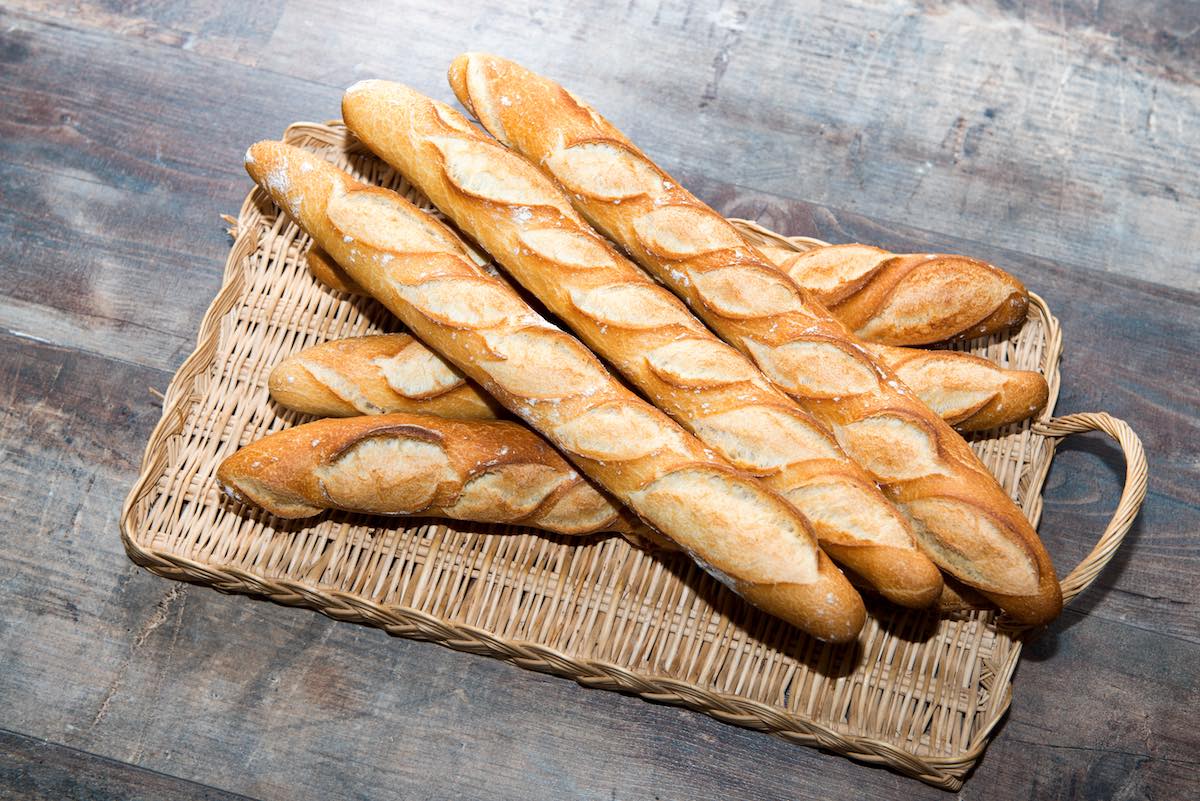
The baguette is one of France’s most iconic culinary symbols, dating back to the early 19th century. Found in nearly every bakery and café, it’s defined by its long, slender shape, crisp crust, and soft, airy interior.

Baguettes are typically made with just four ingredients—flour, water, yeast, and salt. The dough is shaped into narrow loaves and baked at high heat to create their signature golden crust and chewy crumb.

Flavor & Texture

  • Mild wheat flavor
  • Light, airy crumb
  • Thin, crisp crust

Suggested Uses: Sandwiches, cheese boards, crostini, or simply with butter, jam, or charcuterie

Recipe: Follow chef Brian Lagastrom’s beginner-friendly baguette tutorial for a rustic, crisp loaf that bakes in under an hour.

Difficulty: Hard (requires shaping and steam baking)

7. Ciabatta

kinds-bread-ciabatta

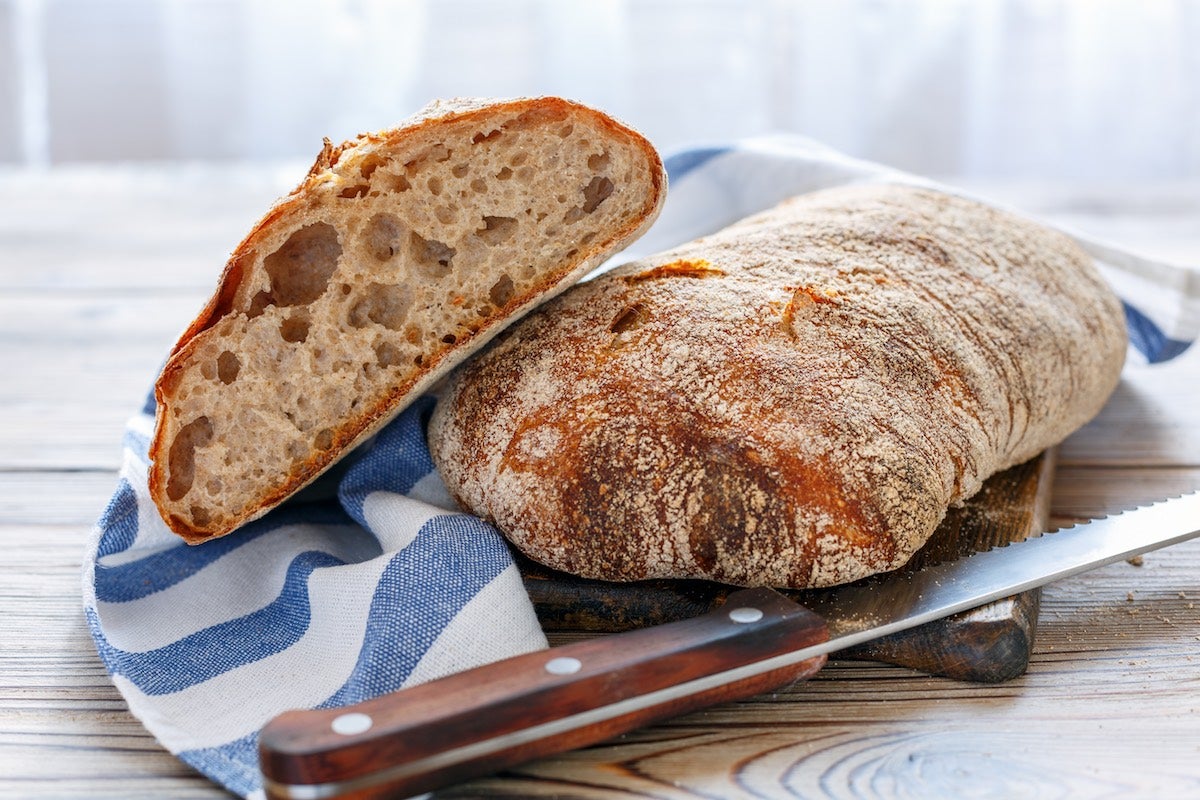
Ciabatta, meaning “slipper” in Italian, is a light, airy bread with a thin, chewy crust and a porous, open crumb. Made with high-gluten flour, yeast, and water, the dough is left to rise slowly, developing elasticity and depth of flavor.

Beloved in Italian bakeries and cafés, ciabatta is ideal for panini and sandwiches thanks to its sturdy structure and mild flavor. It can also be brushed with olive oil before baking or infused with herbs for extra aroma.

Flavor & Texture

  • Mild, wheaty flavor
  • Open, airy crumb
  • Thin, chewy crust

Suggested Uses: Panini, bruschetta, bread baskets, hearty soups, or strong cheeses

Recipe: Follow Alexandra’s Kitchen for a step by step guide to making ciabatta at home.

Difficulty: Medium

8. Pumpernickel Bread

kinds-bread-pumpernickel

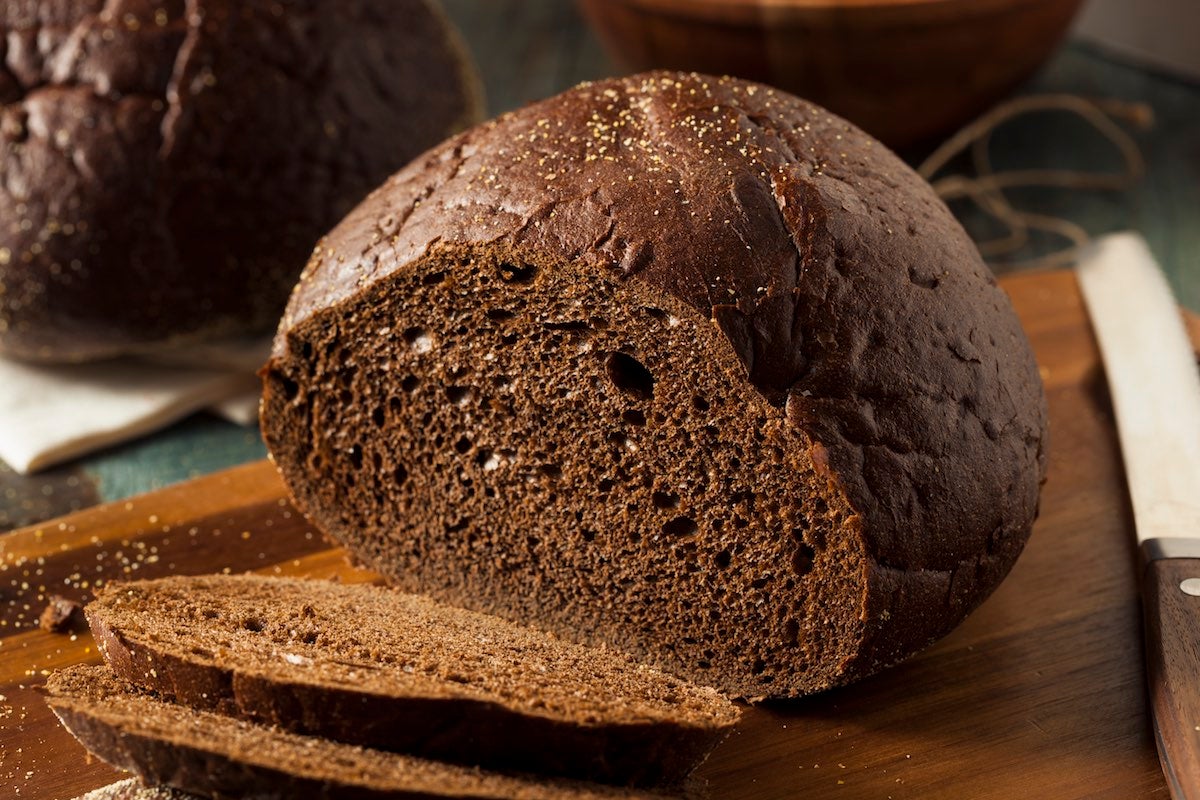
Pumpernickel is a dark, dense German rye bread known for its deep, earthy flavor and slightly sweet, nutty taste. Made from coarse rye flour, water, and yeast, it’s steamed or baked slowly at low temperatures to achieve its signature moist texture and rich color.

Hearty and aromatic, pumpernickel pairs beautifully with smoked fish, pastrami, or robust cheeses and adds depth to sandwiches and soup platters alike.

Flavor & Texture

  • Deep, earthy flavor
  • Dense, moist crumb
  • Slightly sweet and nutty

Suggested Uses: Smoked fish, pastrami, hearty soups, or strong cheeses

Recipe: Try this pumpernickel recipe from Food & Wine.

Difficulty: Medium

9. Challah 

kinds-bread-challah

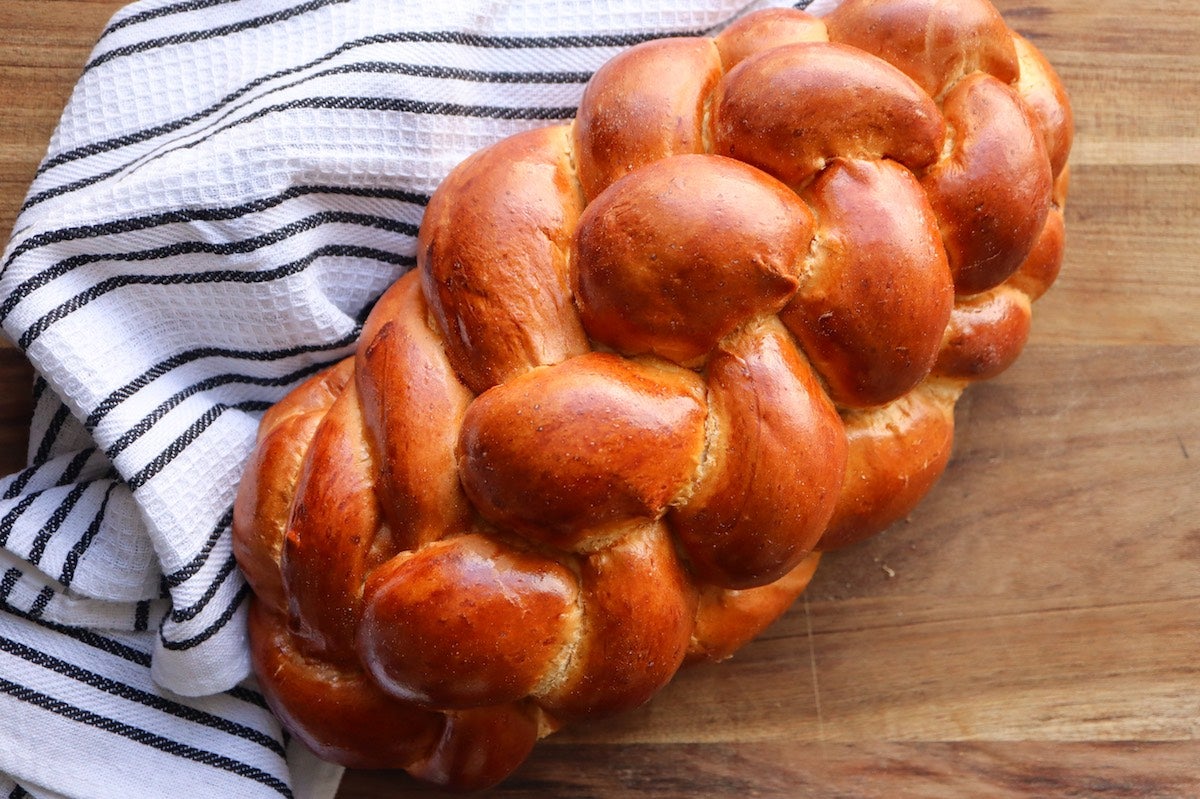
Challah is a traditional Jewish bread enjoyed on holidays and special occasions, symbolizing faith, celebration, and community. The word challah comes from the Hebrew hallah, meaning “portion” or “separation.” Made with flour, sugar, oil, eggs, and yeast, the dough is typically braided into a three-strand loaf before baking. The result is a soft, golden bread with a subtly sweet, egg-rich flavor and a light, fluffy texture.

Challah is delicious on its own or as the base for dishes like French toast, bread pudding, or even babka

Flavor & Texture

  • Slightly sweet, eggy flavor
  • Soft, fluffy interior
  • Shiny, golden crust

Suggested Uses: French toast, festive meals, or bread pudding

Recipe: Try Chanie Apfelbaum’s Challah, named the best by The Kitchn’s test kitchen.

Difficulty: Medium (requires braiding technique)

10. Brioche

kinds-bread-brioche

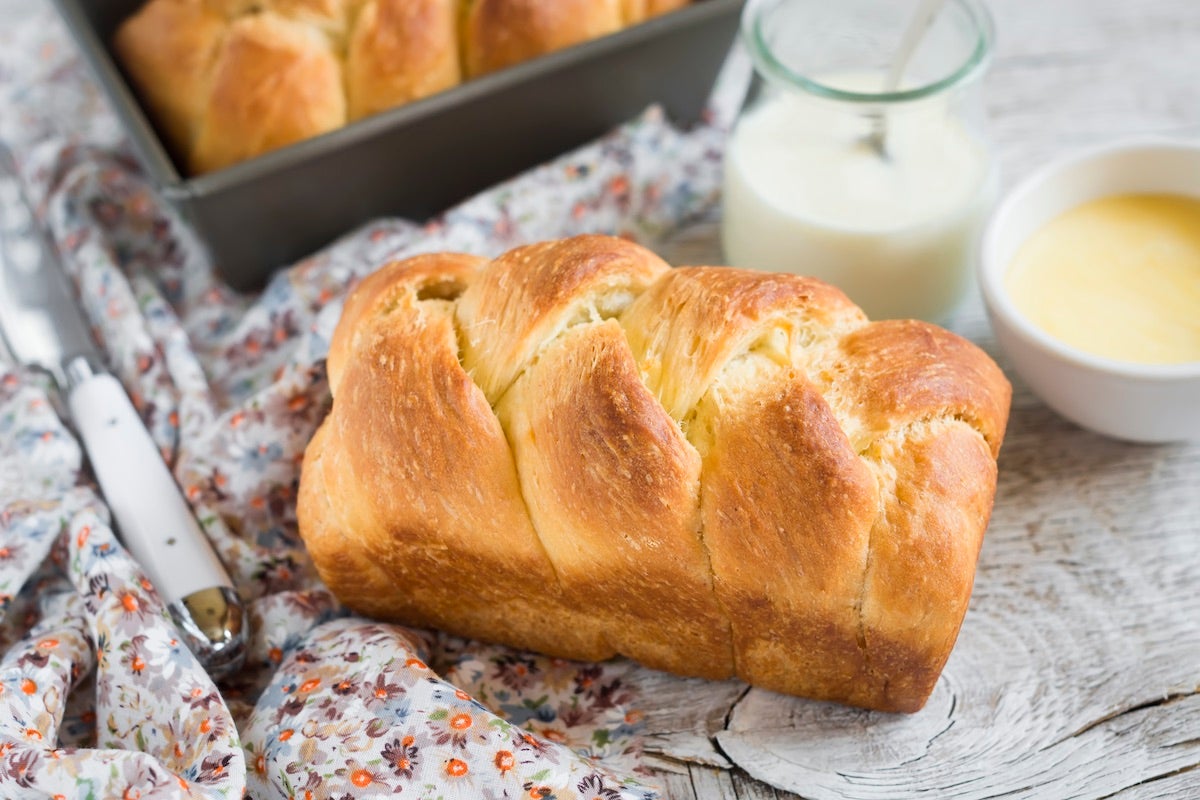
Brioche is a classic French bread made with flour, butter, eggs, sugar, and yeast. Its rich, buttery dough creates a tender crumb and golden crust, making it one of the most beloved enriched breads in the world. The dough is left to rise slowly, developing an airy, delicate texture and a subtly sweet flavor.

Versatile and indulgent, brioche can be served at breakfast with butter or jam, used for sandwiches and burgers, or transformed into desserts like bread pudding, tarts, and sweet rolls.

Flavor & Texture

  • Buttery and slightly sweet
  • Light, fluffy crumb
  • Soft, golden crust

Suggested Uses: Gourmet burgers, sweet rolls, bread pudding, or tarts

Recipe: Watch chef Zineb Hattab’s step-by-step  brioche tutorial in our video guide.

Difficulty: Hard (requires handling enriched dough)

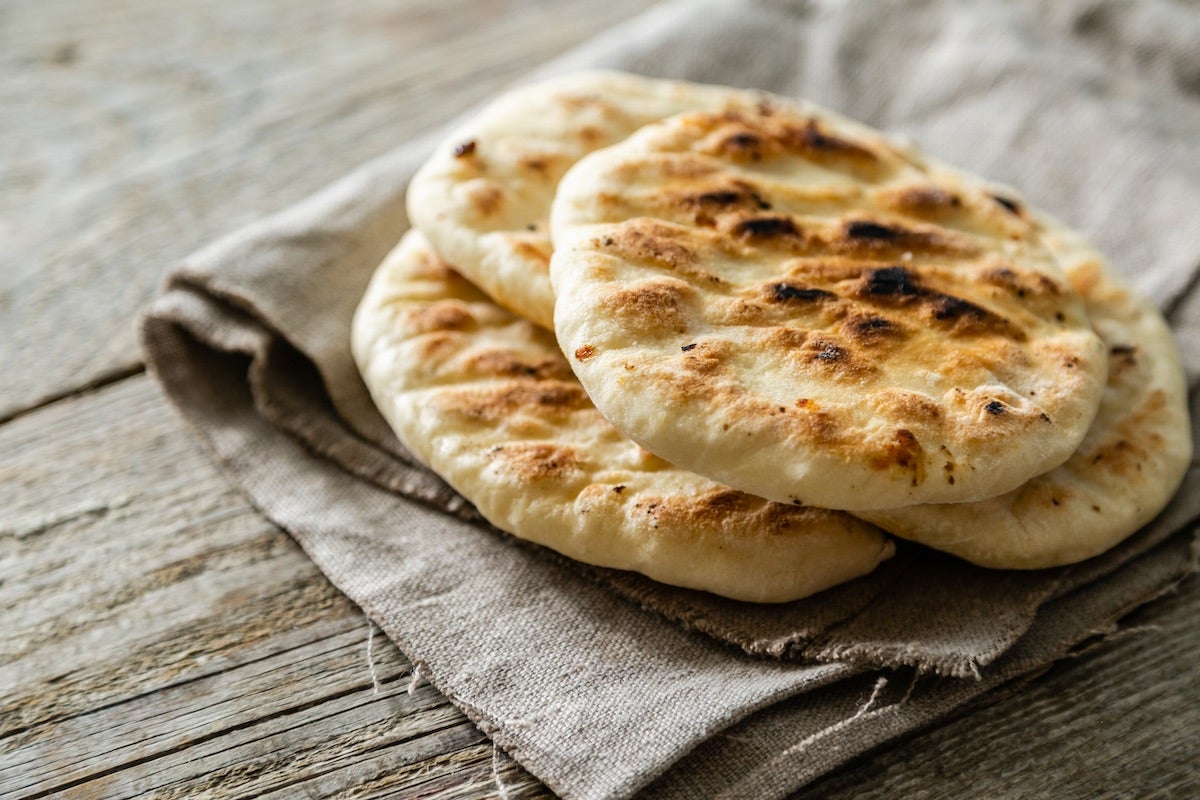
11. Flatbread

kinds-bread-flaatbread

Flatbread is a simple, unleavened bread made without yeast and rolled into thin, round sheets. Typically prepared by mixing wheat flour with water, salt, and sometimes a touch of oil or butter, the dough is kneaded until soft and elastic, then cooked on a hot pan, griddle, or open flame.

Flatbreads appear in cuisines around the world under different names. In India, chapatis and naan are common staples; in Mexico, tortillas are filled with meats and vegetables; and in Ethiopia, injera serves as both bread and utensil for stews.

Flavor & Texture

  • Mild, neutral flavor
  • Thin and soft, or crisp when toasted
  • Pleasantly chewy bite

Suggested Uses: Wraps, pizzas, or dips such as hummus, curry, or tzatziki

Recipe: Try the Stone-baked wheat bread by chef Leandro Carreira.

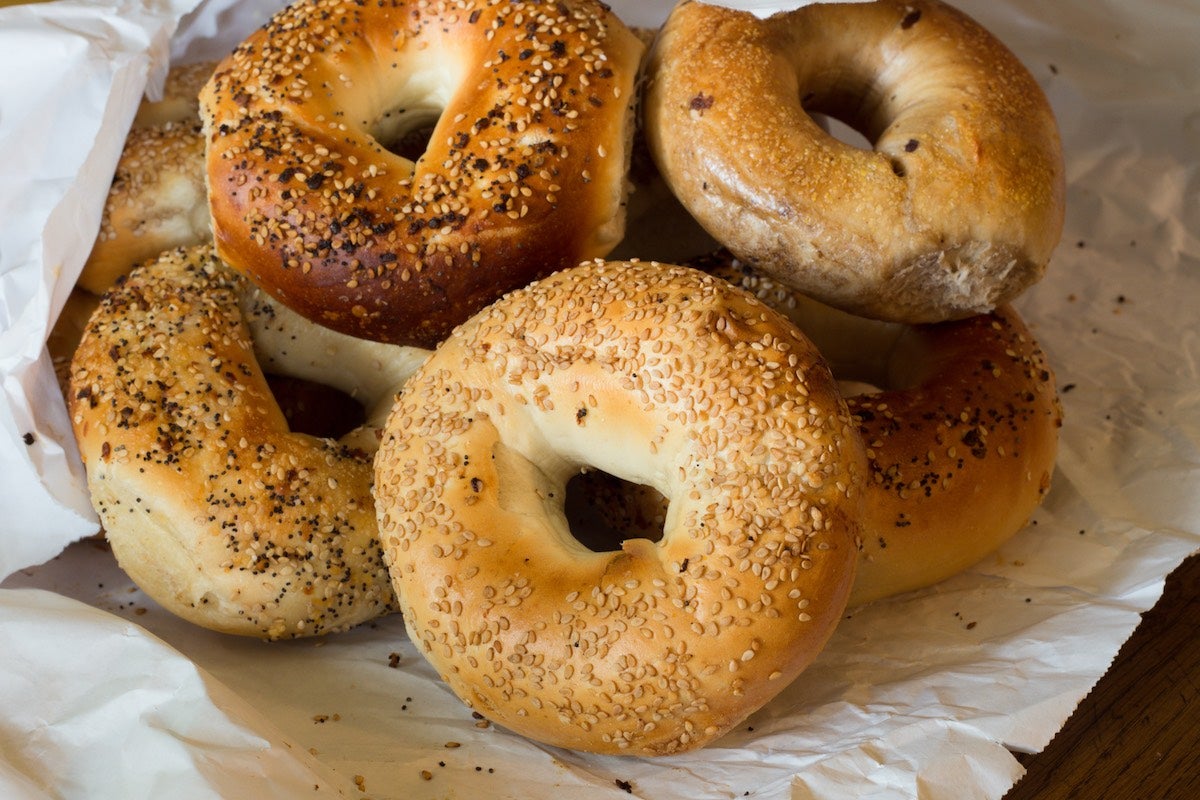
12. Bagel

kinds-bread-bagel

A bagel is a ring-shaped bread made from high-gluten flour, water, yeast, salt, and malt. A staple of Jewish bakeries and delis, the bagel differs from most breads in two key ways: it has a hole in the center, and the dough is boiled before baking, which gives it its signature dense chew and glossy crust.

Originating in Poland in the 1600s, bagels have since become a global favorite, appearing in countless regional variations. They can be enjoyed plain, topped with  cream cheese or lox , or sprinkled with seeds and spices. Whether toasted or untoasted, the bagel remains a timeless breakfast essential.

Flavor & Texture

  • Slightly sweet, malty flavor
  • Dense, chewy crumb
  • Glossy, firm crust

Suggested Uses: With cream cheese and lox, or for breakfast sandwiches

Recipe: Try Claire Saffitz’s Homemade Bagels on NYT Cooking. 

Difficulty: Medium

13. Focaccia 

kinds-bread-focaccia

Focaccia is a classic Italian flatbread with a soft, airy interior and a crisp, golden crust. Thought to date back to Ancient Rome, it’s made from a simple dough of flour, olive oil, salt, and yeast—often finished with a drizzle of olive oil, coarse salt, and fresh rosemary before baking.

Focaccia’s rich, fragrant flavor makes it an ideal base for countless dishes. It can be served as an appetizer, used for sandwiches, or enjoyed as a rustic pizza alternative.

Flavor & Texture

  • Olive oil–rich and herby
  • Soft, airy interior
  • Crisp, dimpled crust

Suggested Uses: Appetizers, sandwich base, or pizza substitute

Recipe: Try Bon Appétit’s  easy, no kneed focaccia recipe.

Difficulty: Easy

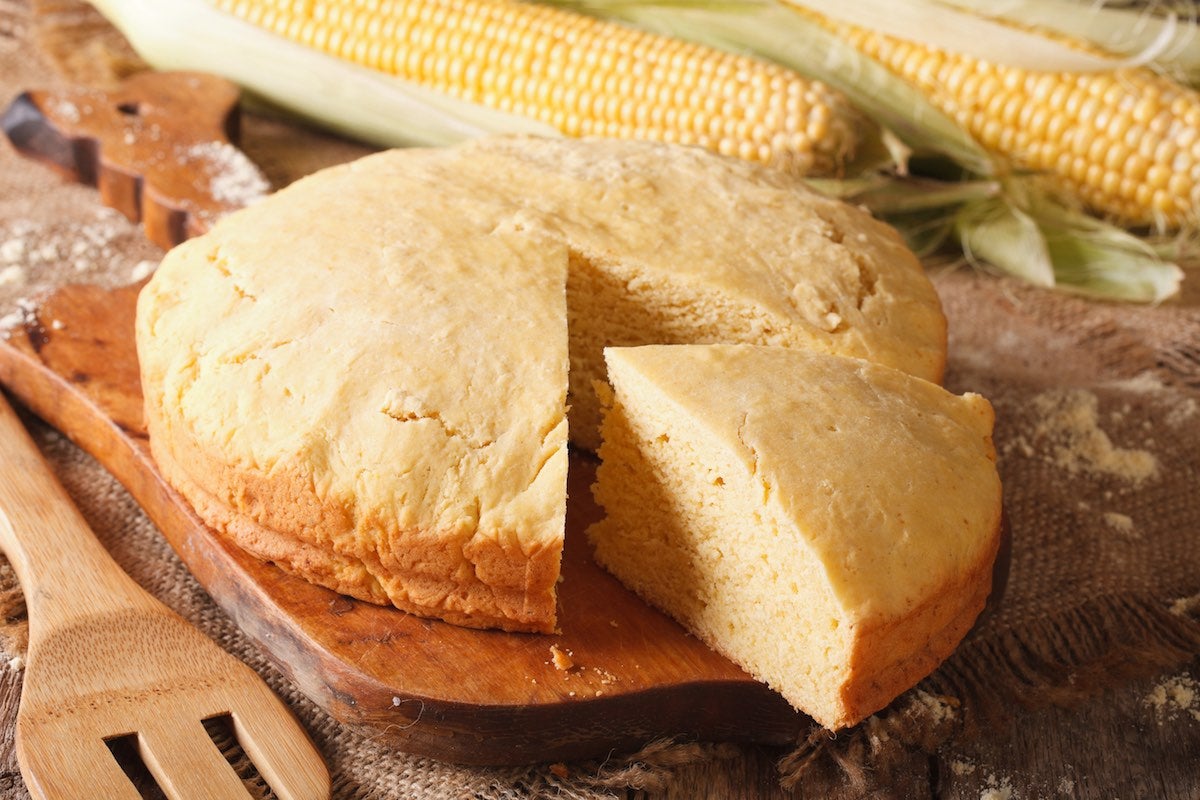
14. Cornbread

kinds-bread-cornbread

Cornbread is a classic American staple deeply rooted in Southern cooking. Made from finely ground cornmeal, wheat flour, eggs, and milk or buttermilk, it’s traditionally baked in a cast-iron skillet—either leavened with baking powder or left unleavened for a denser crumb. The result is a golden, moist bread with a subtly sweet, nutty flavor.

Cornbread pairs perfectly with dishes like chili, barbecue, and hearty stews, or simply served warm with butter, honey, or maple syrup. Its versatility and comforting texture have made it a favorite across generations.

Flavor & Texture

  • Sweet, nutty flavor
  • Crumbly yet moist texture
  • Golden crust

Suggested Uses: With chili, stews, barbecue, or breakfast with honey

Recipe: Try Love and Lemons’ homemade cornbread recipe.

Difficulty: Easy

If you happen to have leftover cornbread, here are some recipes to try.

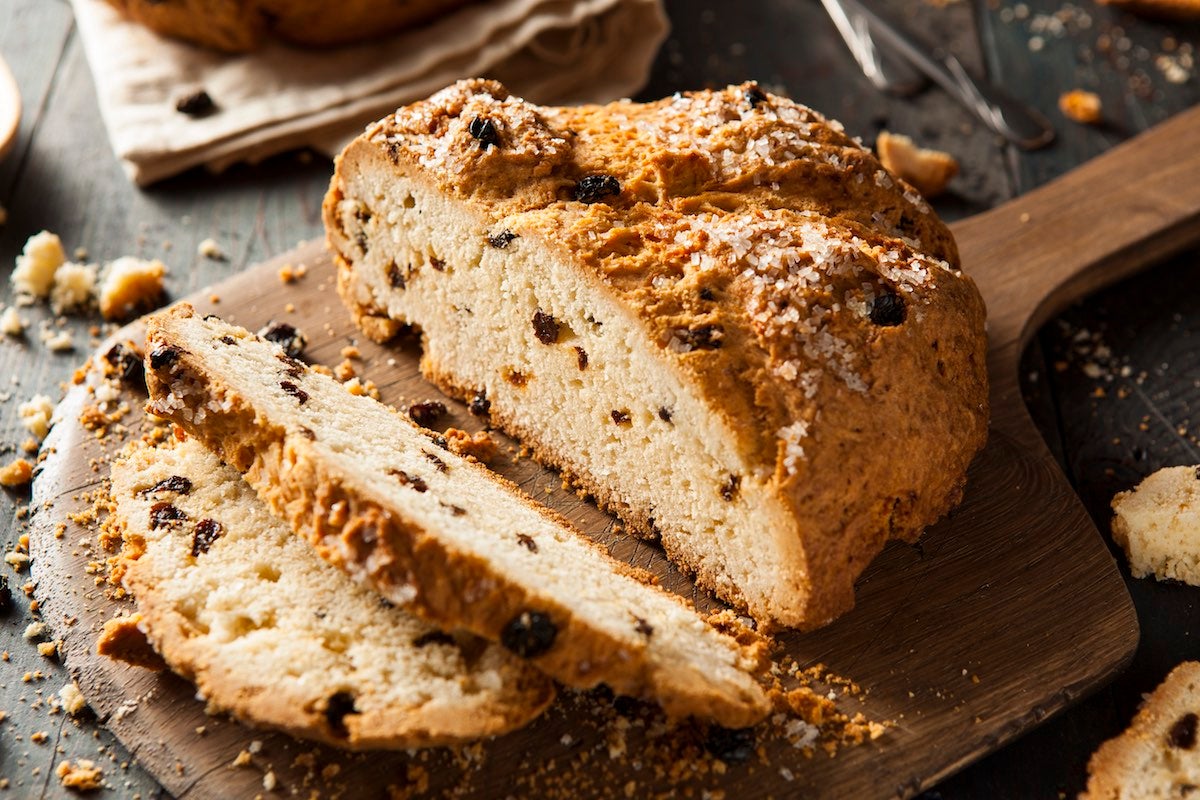
15. Soda Bread

kinds-bread-soda-bread

Soda bread is one of Ireland’s best-known traditional breads, made with just four ingredients: wheat flour, buttermilk, baking soda, and salt. The chemical reaction between the baking soda and buttermilk creates the rise, eliminating the need for yeast. The result is a rustic loaf that’s lightly browned on the outside and moist, fluffy, and slightly tangy inside.

A classic example of a quick bread, soda bread requires no rising time and comes together in minutes. It’s versatile enough to serve alongside soups and stews or simply warm with butter and jam.

Flavor & Texture

  • Slightly tangy flavor
  • Crumbly yet moist texture
  • Rustic, golden crust

Suggested Uses: With butter and jam, or alongside soups, stews, salads, sandwiches, or bread pudding

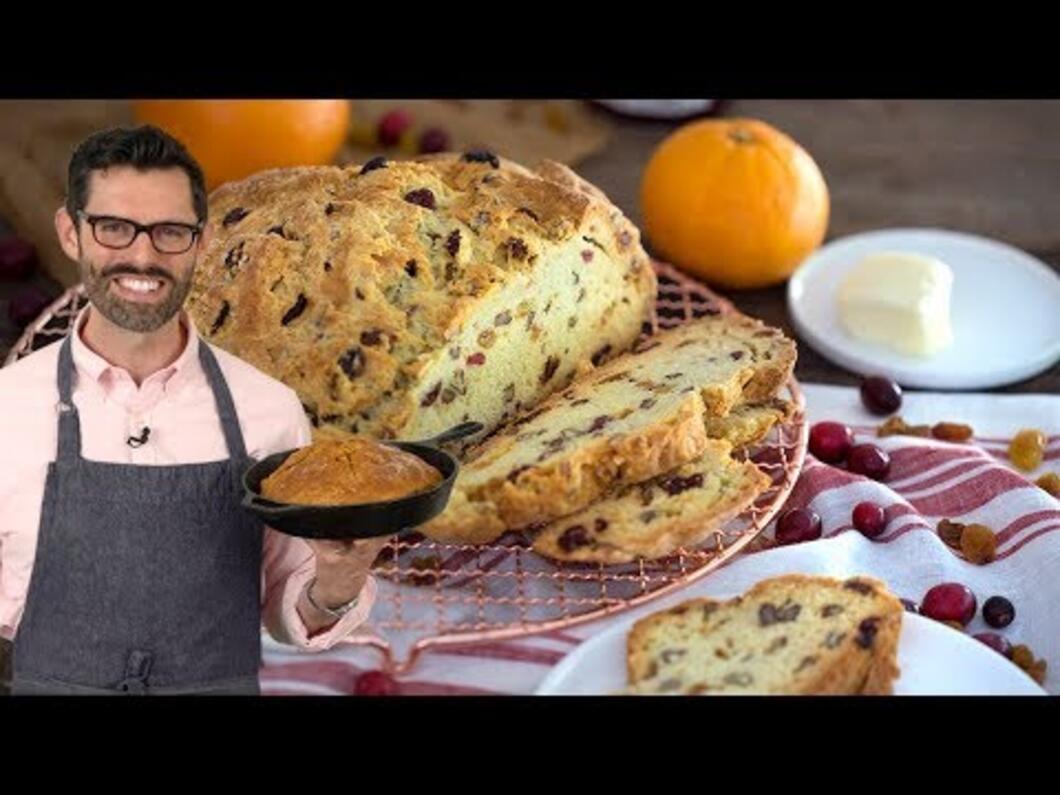
Recipe: Try Mary Berry’s reliable soda bread recipe or Preppy Kitchen’s step-by-step video guide.

Difficulty: Easy

Preppy Kitchen

Breads Categorized by Difficulty to Make

Bread Type Difficulty to Make Flavor/Texture Best Uses
Sourdough                Hard Tangy, chewy, crisp crusty Artisan sandwiches, bruschetta, soup dip
Baguette           Hard                 Mild, airy, crunchy crusty Cheese boards, crostini, garlic bread
Brioche    Hard Buttery, sweet, light, fluffy           Burgers, desserts, sweet rolls
Multigrain         Medium                              Nutty, hearty, grainy                                   Hearty sandwiches, breakfast toast
Ciabatta Medium      Mild, holey, chewy Panini, bruschetta, dipping
Pumpernickel      Medium      Deep, earthy, sweet, dense Pastrami, smoked fish, strong cheeses
Challah Medium      Sweet, eggy, fluffy French toast, bread pudding, holiday meals
Bagel Medium      Malty, chewy, glossy crust With cream cheese, lox, breakfast sandwiches
Wholewheat         Easy                                          Nutty, earthy, dense, chewy                        Healthy sandwiches, toast, soups
Flatbread Easy                  Mild, thin, soft, or crisp Wraps, pizzas, dips
Focaccia Easy            Savory, herby, airy, crisp Appetizers, sandwich base, pizza
Cornbread Easy                  Sweet, nutty, crumbly, moist With chili, BBQ, breakfast with honey
Soda Bread Easy                  Tangy, crumbly, rustic With butter/jam, soups, stews, sandwiches


Join the community
Badge
Join us for unlimited access to the very best of Fine Dining Lovers
Unlock all our articles
Badge
Continue reading and access all our exclusive stories by registering now.

Already a member? LOG IN