1. Frittata
Eggs are essential in Italian home cooking, and the frittata is the classic example. Versatile and practical, it can be made plain or enriched with cheese and vegetables, and it is often used to repurpose leftovers such as pasta or cooked vegetables from the day before.
2. Uovo all’occhio di bue (Fried or Sunny-Side Up Egg)
If it is not a frittata, it is likely a sunny side up egg, or uovo all’occhio di bue. Simple to prepare and extremely versatile, it is another classic that satisfies almost everyone. It can be paired with different ingredients depending on the season, from caviar to asparagus.
3. Pizza
Whether thick or thin, Neapolitan, Roman, or contemporary, white or ca’ pummarola ’ncoppa (with tomato sauce on top), pizza is one of the great symbols of Italian cuisine. And sooner or later, everyone tries making it at home.
Here's how to make the perfect pizza.
4. Vitello Tonnato
Vitello tonnato, or veal with tuna sauce, has countless fans. It is a great classic of Piedmontese cuisine, a must-try in the Langhe, and a dish that has spread throughout Italy. Popular as a cold appetizer in the Eighties, it remains something almost everyone tastes or cooks sooner or later, with a flavor that pleases nearly everyone.
5.Parmigiana di Melanzane
Deconstructed, traditional, made with fried eggplant, or in a lighter version with grilled eggplant or even steamed, as Perbellini suggests, parmigiana di melanzane works in many forms. However it is prepared, this classic eggplant dish remains a favorite at the table, winning over vegetarians and even foreign chefs.
Here's how, check out the recipe.
6. Arancini di Riso
Arancine or arancini? The debate is lively in Sicily: the masculine form is common in the east, while the feminine is used in the west. Whatever you call them, these legendary stuffed rice balls, filled with meat and peas or, in the white version, with ham and béchamel, are a recipe everyone should know.
Try out our best recipe.
7. Impepata di Cozze (Mussels)
Whether you call them cozze or muscoli, depending on where you are, the result does not change. These mussels are flavorful and always popular at the table. A timeless favorite is impepata di cozze, or peppered mussels.
8. Spaghetti al pomodoro
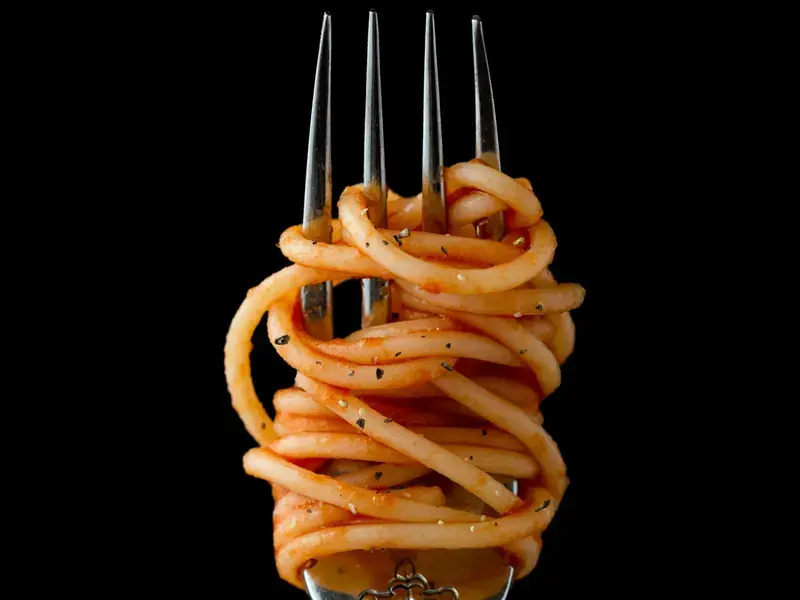
If someone asked you to name the ultimate symbol of Italian cuisine, many would answer spaghetti with tomato sauce. It is the litmus test for every chef, the cure for a bad day, the simple dinner that saves the evening, and a dish that pleases everyone, from veg to omnivore, young to old. Whether made with preserved tomato or, even better, with fresh tomato, it satisfies at any time. Just use quality ingredients and the work is done.
9. Pasta e Fagioli
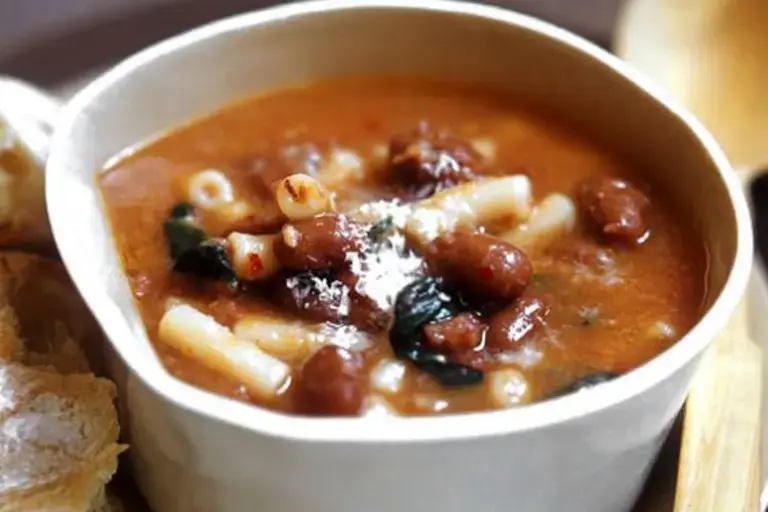
Eaten the next day, it is even better. Pasta e fagioli (pasta and beans) is a dish of peasant origin that appears in every region of Italy, with variations that change from area to area. Thick and flavorful, it is a fundamental winter dish that everyone tastes sooner or later.
10. Risotto alla Milanese
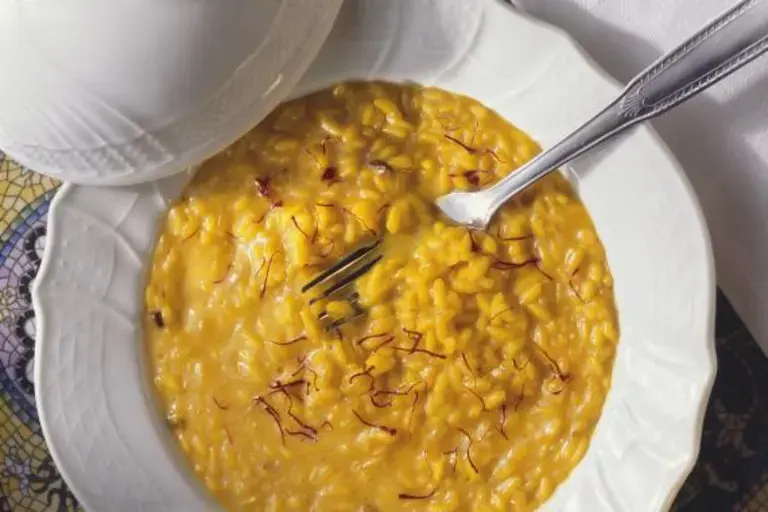
Originating in the Lombard capital, risotto alla Milanese has traveled the world. Also called yellow risotto for its saffron aroma, it has become a classic of Italian cuisine, with famous chef interpretations. These range from Gualtiero Marchesi’s Riso, Oro e Zafferano to Davide Oldani’s Zafferano e Riso alla Milanese D’O.
11. Minestrone Di Verdure
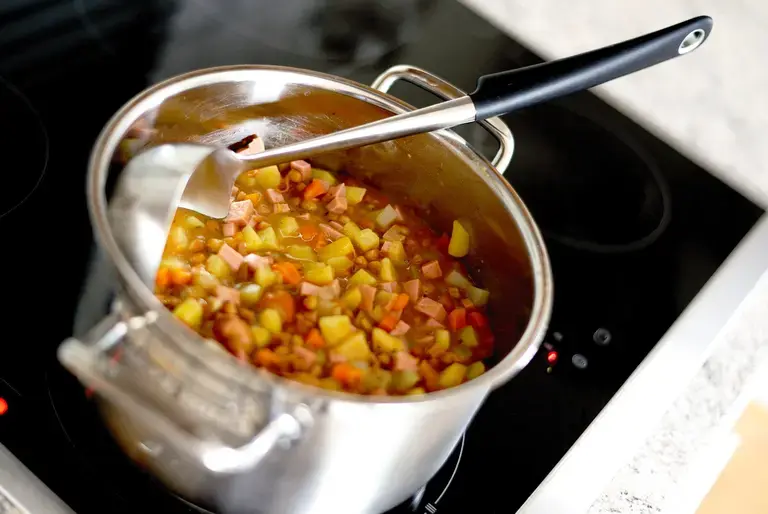
Many versions of this classic vegetable and legume soup exist. Minestrone adapts well to seasonal produce, and everyone can prepare it as they see fit. Among the best known regional variations, as Perbellini reminds us, is Tuscan ribollita, which is made with black cabbage.
12. Lasagne
Lasagne has no rivals: green, with spinach or pesto, white with vegetables, with fish, or traditional, including the classic Bolognese lasagne with ragù. Its main ingredients are another great symbol of Italian identity at the table.
Here's the best recipe!
13. Tagliatelle Al Ragù
Speaking of ragù, how can we not mention tagliatelle al ragù. The most classic version of this flavorful dish is usually made with egg pasta and dressed with a ragù that combines beef, veal, and pork.
14. Pasta Aglio, Olio e Peperoncino
The classic survival dish. When the refrigerator is empty, a plate of pasta with garlic, oil, and chili pepper is a simple solution for a meal, even at the last minute. A seafood version to try is spaghetti with garlic, oil, chili pepper, and giant prawns.
15. Gnocchi
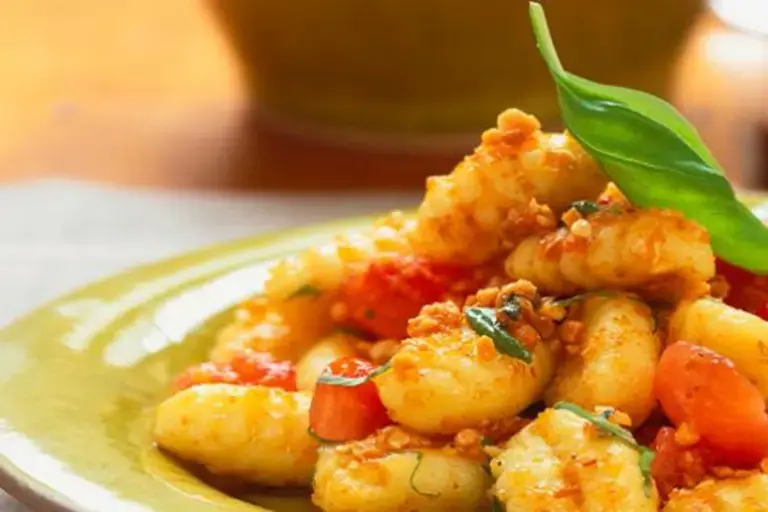
Gnocchi in the classic version are made with a potato based dough that pairs well with many sauces, from meat ragù to fish, or simply with butter and sage. In Campania, the tomato and fiordilatte version known as gnocchi alla sorrentina is especially famous. Wherever you are, you will always find gnocchi on the menu.
How to make gnocchi