Sorry, you need to enable JavaScript to visit this website.
ramyeon-vs-ramen

Photo: iStock

What is Korean Ramyeon and How Does it Differ From Japanese Ramen?

FDL
By
Fine Dining Lovers
Editorial Staff

Korean cuisine is full of exciting, flavorful dishes that many in the West are only beginning to explore. It’s often compared to Japanese food, and with close cultural ties between the two countries, some similarities are inevitable. Still, it would be a mistake to assume that Japanese and Korean cuisine are the same.

When it comes to comforting, savory noodle soups, there are clear parallels between Korean ramyeon (also spelled ramyun) and Japanese ramen. Ramyeon was inspired by ramen but evolved into a spicier, punchier, instant version of its more refined Japanese counterpart.

What is Ramyeon?

ramyeon-vs-ramen-what-is-ramyeon

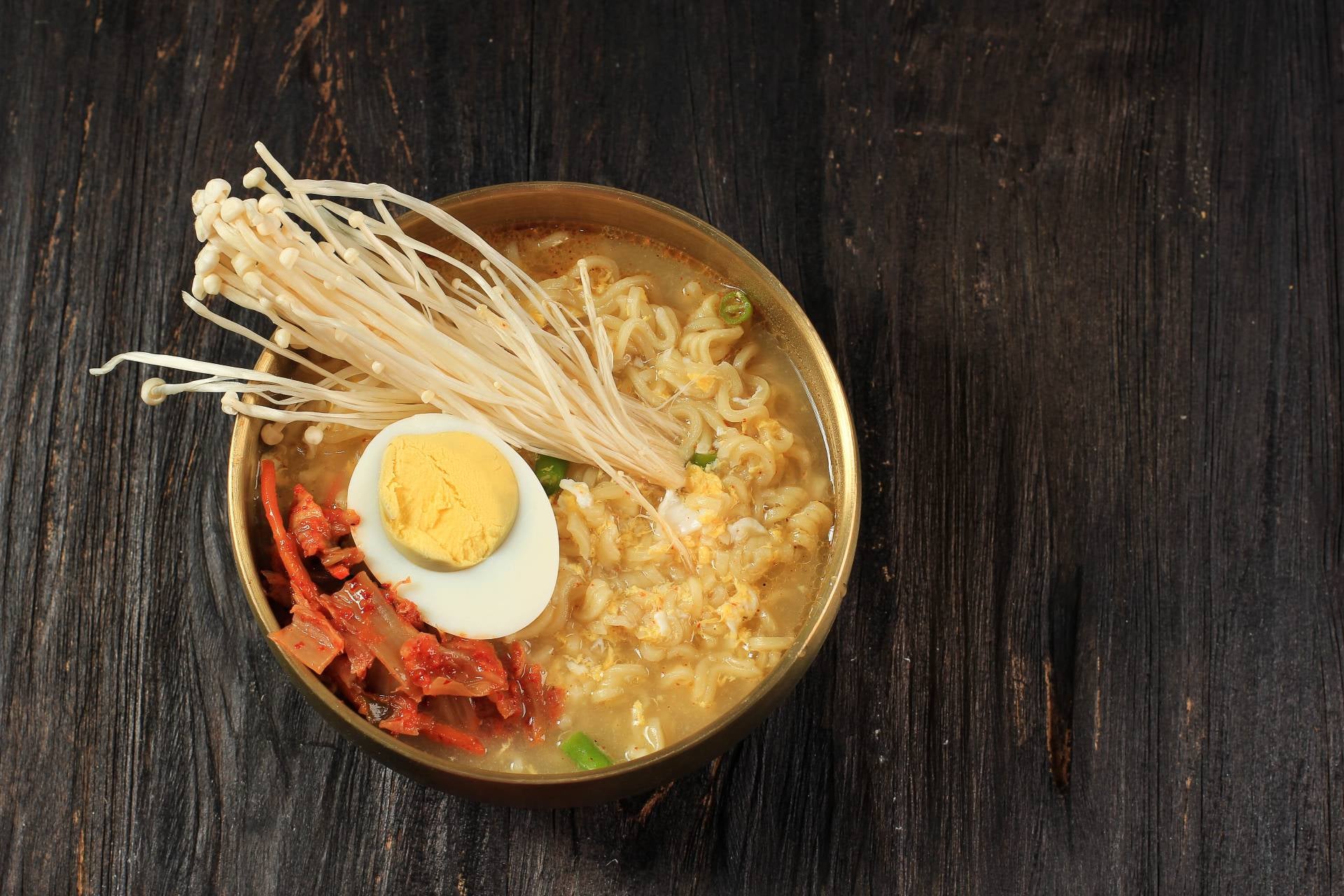
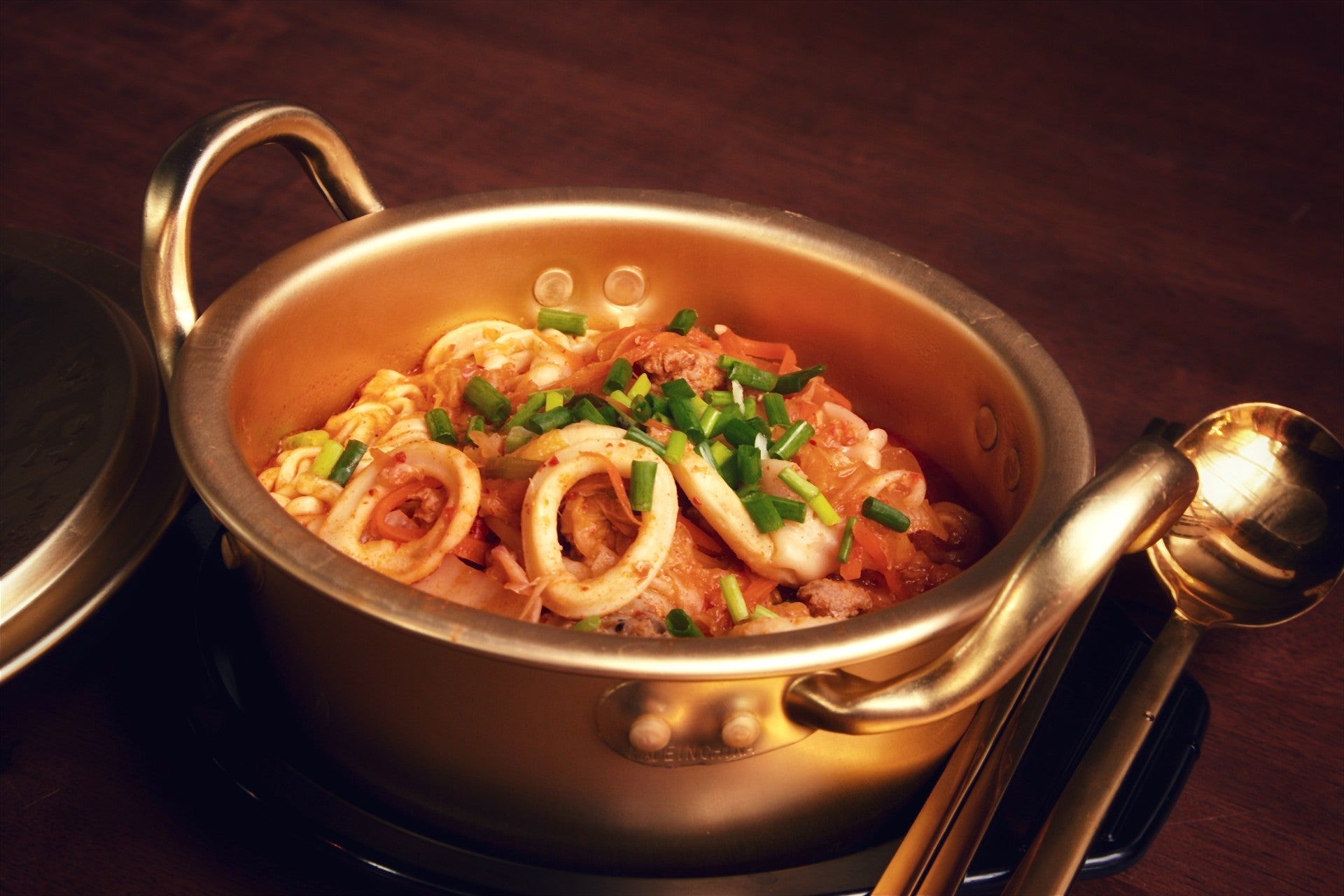
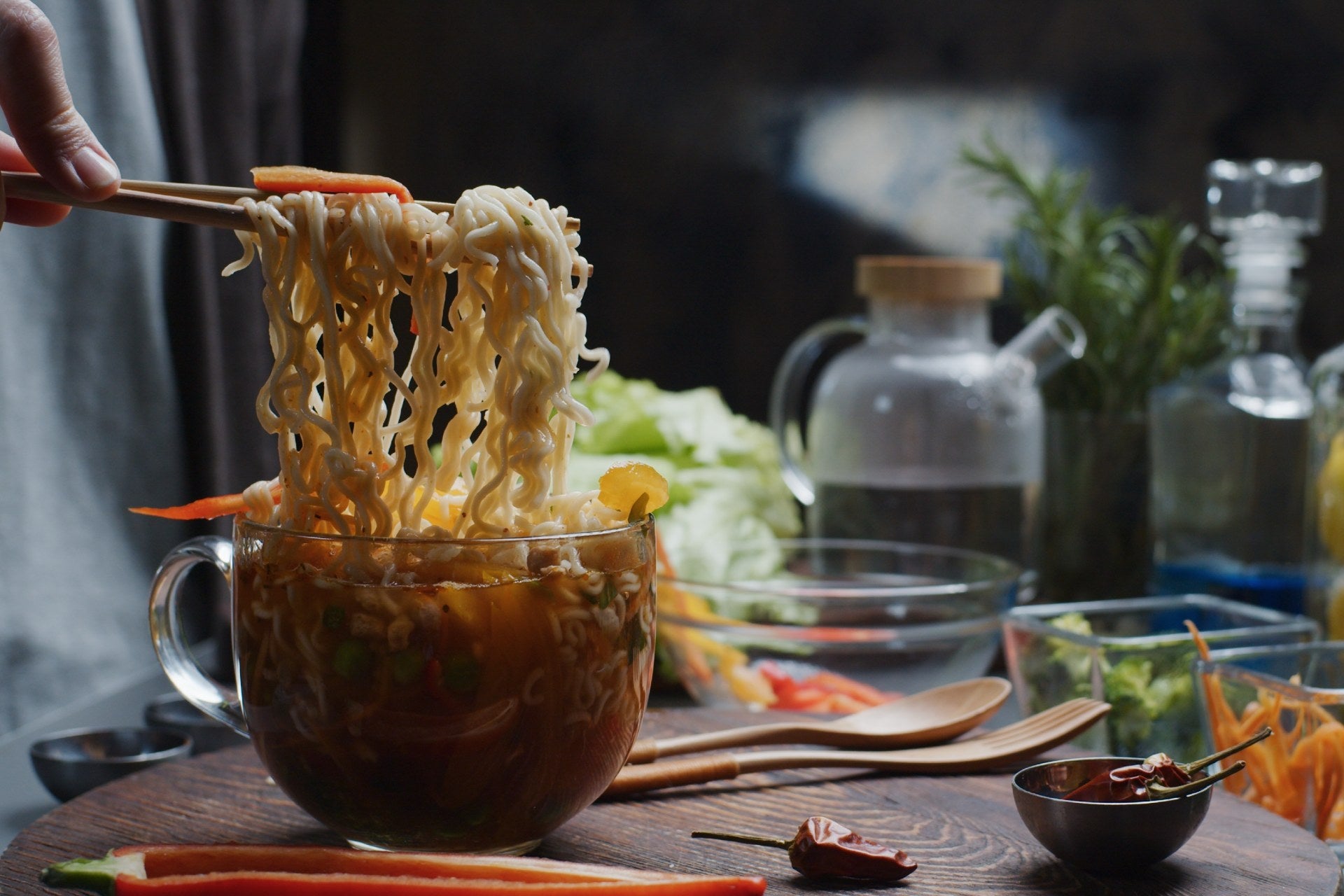
Ramyeon is one of South Korea’s favorite comfort foods, with the average person eating 80 to 90 packets a year. Made from dried, curly noodles, freeze-dried vegetables, and a sachet of powdered soup, it’s rehydrated in boiling water to create a quick, satisfying meal. Ramyeon comes in a wide range of flavors and can be enjoyed on its own or with added toppings.

Invented in the 1960s by Korean businessman Jean Jong-Yeon, ramyeon was designed as an affordable, convenient food during the post–Korean War recovery, with the first packets selling for about one cent. Jong-Yeon was inspired by instant ramen during a visit to Japan, and while the flash-fry method of drying noodles is the same, ramyeon quickly developed its own identity—spicier, bolder, and distinctly Korean.

In recent years, Korean culture has made a major impact in the West. The global rise of K-pop, K-dramas, and the 2020 Academy Award–winning film Parasite helped fuel a fascination with all things Korean—including food. Sales of ramyeon soared, and more retailers now stock authentic Korean noodles, often labeled “ramyeon” or “ramyun” and marked with the Korean characters “라면.”

Varieties of Ramyeon

There are countless varieties of ramyeon, but these popular examples show its range of flavors and styles:

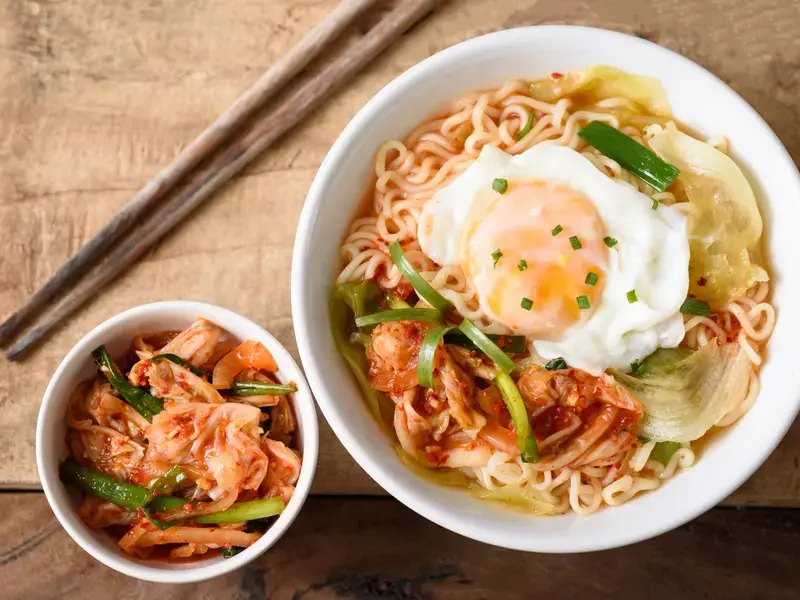
  • Kimchi RamyeonSeasoned with fried pieces of kimchi for a tangy, spicy, distinctly Korean flavor.
  • Shin RamyunA cult favorite featuring a bold, beef-flavored broth. At around 2,700 Scoville Heat Units (SHU), it’s fiery but not the spiciest option.
  • Kkokkomyeon – Made with a light, chicken-based broth.
  • JjapaghettiAn instant version of jjajangmyeon (noodles in black bean sauce). Its appearance in the film Parasite sparked a major sales boom.

Korean Ramyeon vs Japanese Ramen: Key Differences

The biggest difference between these two noodle dishes is that ramen is often prepared fresh, while ramyeon is always a dried, instant version. Ramyeon also tends to be much spicier, relying on chili-based broths and toppings like kimchi, whereas ramen leans on savory, salty, and umami flavors.  


Korean Ramyeon

Japanese Ramen

Form Always instant Can be fresh or instant 
Origin  Korea, 1960s by Jean Jong-Yeon, inspired by Japanese instant ramen Japan, early 1900s (influenced by Chinese noodles); instant ramen invented in 1958 by Momofuku Ando
Noodles Curly, flash-fried instant noodles Fresh wheat/egg noodles or flash-fried instant
Broth & Flavor Bold, spicy, salty broths (chili-based with dried vegetables) Savory, umami-rich broths (chicken, pork, soy sauce, miso); wide flavor range
Preparation Always quick-cook: boil noodles, add seasoning packet Fresh ramen requires long-simmered broth; instant ramen cooks in minutes
Toppings Simple: dried veg, egg, scallions, kimchi, cheese, etc. Sliced pork, scallions, egg, nori, menma, butter, corn, etc.

How to Cook Ramyeon

If you want to keep things simple, cooking ramyeon is as easy as adding boiling water. For extra flavor, top it with an egg or fresh scallions.  

Ingredients

  • 1 packet ramyeon noodles
  • 2½ cups water
  • 1 egg
  • 2 scallions, white parts only

ramyeon-vs-ramen-how-cook-ramyeon

Preparation

Step 1: Add the water to a saucepan and bring it to a boil over high heat.
Step 2: Add the noodles and powdered broth. Cover and cook for 1 minute.
Step 3: Uncover and flip the noodles with a spoon or spatula.
Step 4: Crack the egg directly into the pan, cover again, and cook for 2 minutes without stirring so the egg stays whole.
Step 5: Dice the white parts of the scallions.
Step 6: Remove the pan from the heat. Stir in the dried vegetables and diced scallions before serving.

What is Ramen?

ramyeon-vs-ramen-what-is-ramen

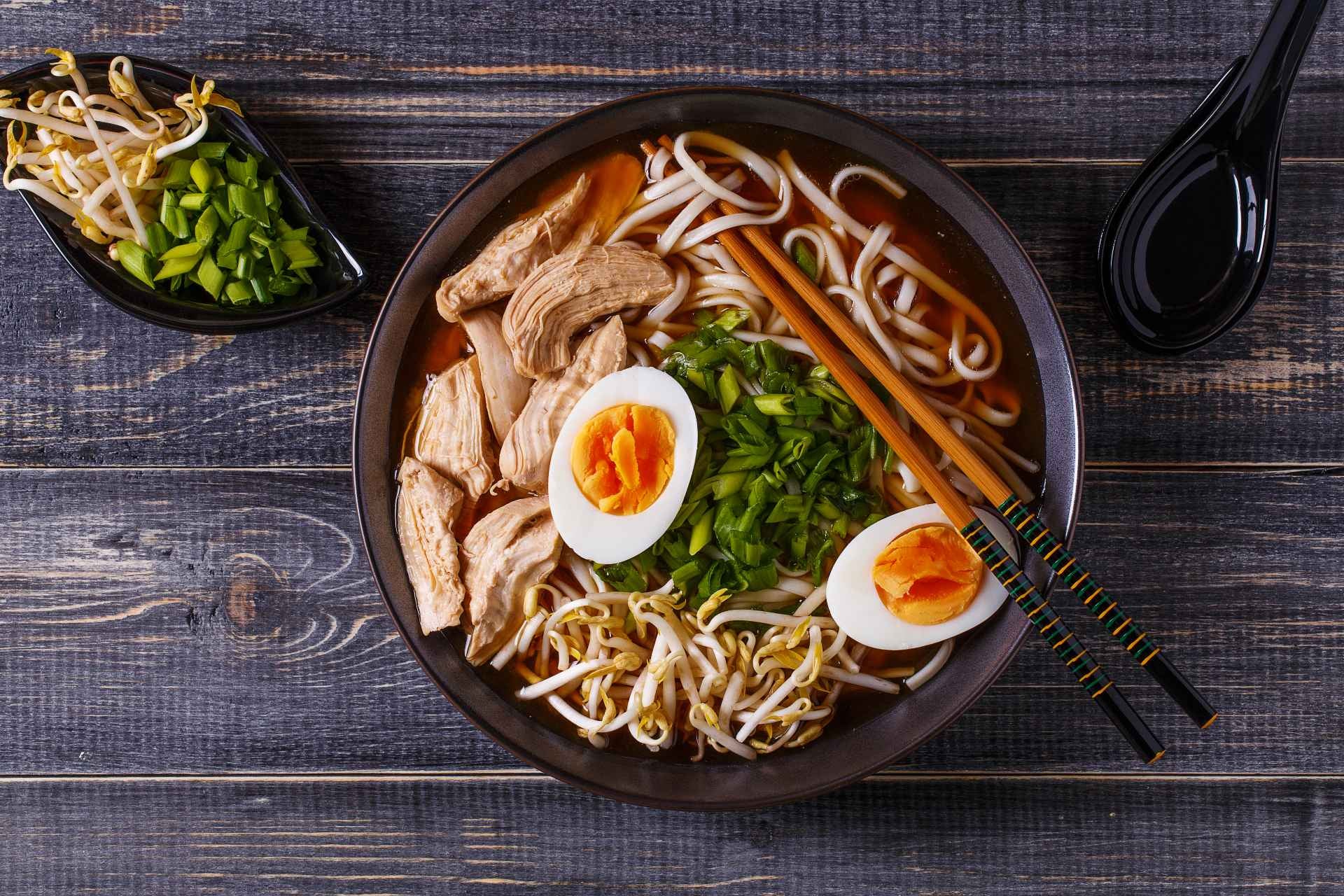
Ramen is a Japanese noodle soup known for its deep umami flavor, made with wheat noodles and a variety of savory toppings. Unlike ramyeon, it’s typically prepared fresh, and great care goes into the ingredients and technique—specialty broths like tonkotsu can take nearly a full day to make.

Instant ramen is also widely available, and many people in the West are more familiar with these quick versions. But fresh ramen predates the instant kind and is generally considered the authentic form. Whether fresh or instant, ramen is celebrated for its rich, umami-forward flavor and is rarely spicy.

Varieties of Ramen

Over the years, ramen has evolved into many regional and stylistic variations. Among them, five main styles stand out as the most popular:

  • Tonkotsu Ramen – Characterized by a rich, cloudy broth made by boiling pork bones for hours. When prepared traditionally, it can take nearly a full day to make.
  • Miso Ramen – Flavored with miso paste, which can range from white to red or barley varieties, each lending a distinct depth and sweetness.
  • Shoyu Ramen – Literally “soy sauce ramen,” this is the original and most classic variety. It’s always seasoned with soy sauce, though recipes vary widely.
  • Shio Ramen – Meaning “salt ramen,” this style uses a clear, salty broth often made from seafood or chicken bones.
  • Tsukemen – A dipping-style ramen where thick noodles are served separately from the broth. Each bite is dipped into the concentrated soup before eating.

How to Cook Ramen

While preparing fresh ramen can take hours—and deserves an article of its own—this quick version satisfies the craving for a savory, umami-rich bowl with less heat than ramyeon.

ramyeon-vs-ramen-how-cook-ramen

Instant Ramen Ingredients 

  • 1 packet ramen noodles
  • 2½ cups boiling water

Optional toppings

  • 2 scallions, diced
  • 1 egg
  • Lettuce, kale, or spinach
  • A splash of fish sauce or soy sauce

Preparation

Step 1: Place the noodles and broth seasoning in a large soup bowl.
Step 2: Add your desired toppings.
Step 3: Pour the boiling water over the noodles and cover the bowl with a plate.
Step 4: Let sit for 3 minutes, then uncover, stir, and enjoy.

Discover where to eat the best ramen in Seattle.

Join the community
Badge
Join us for unlimited access to the very best of Fine Dining Lovers
Unlock all our articles
Badge
Continue reading and access all our exclusive stories by registering now.

Already a member? LOG IN