
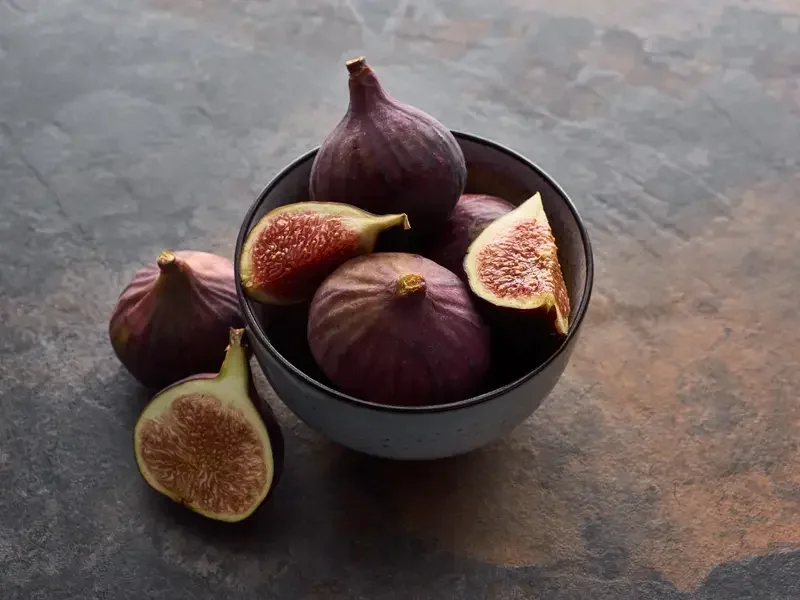
Delicate, honeyed, and deeply aromatic, figs offer chefs and home cooks a chance to create dishes that feel both rustic and refined. Used since antiquity across Mediterranean tables, figs lend themselves to a wide range of culinary expressions, from appetizers to desserts, whether fresh, dried figs, or even preserved.
Fresh Fig Recipes for the Season
Fresh figs bring a lush texture and a subtle floral sweetness that is best celebrated in minimal preparations. Halved figs served with thin slices of prosciutto or Parma ham create an effortless appetizer, balancing salt and sweetness with grace. Sliced fresh figs also make striking additions to green salads with bitter leaves, goat cheese, and walnuts.
Roasting figs intensifies their natural sugars and can transform them into luxurious garnishes for roasted meats or poultry. In pastry, they shine atop frangipane tarts or folded into soft ricotta cakes, delivering both visual and textural allure. Different fig varieties offer unique nuances, as explored in our article on the types of figs.
Cooking with Dried Figs: Ideas and Techniques
Dried figs develop deeper caramel notes and a chewy texture, making them ideal for compotes, stuffing mixtures, or as part of a glaze for meats like pork tenderloin. When soaked in brandy or spiced wine, they add sophistication to wintery desserts or savory terrines.
Fold chopped dried figs into bread dough for a rustic loaf, or blend them into energy bites with nuts and seeds for a healthy snack. Their concentrated sweetness also pairs beautifully with dark chocolate or sharp cheeses.
Pairings That Highlight the Flavor of Figs
Figs, both fresh and dried, find harmony with a variety of flavors. Salty elements like blue cheese, aged parmesan, or smoked meats accentuate their sweetness. Bright herbs such as mint or thyme lend contrast, while nuts—especially almonds and pistachios—enhance their earthy undertones.
Honey and balsamic reductions are classic companions, heightening figs’ natural lushness in both sweet and savory compositions. In fine dining, figs may appear with foie gras, lending a gentle sweetness to balance rich textures and reflecting diverse ways to eat figs.
Sweet vs Savory: Versatility of Figs in the Kitchen
What makes recipes with figs so compelling is their inherent versatility. In desserts, figs excel in galettes, panna cotta toppings, or simply roasted with spices and served with vanilla ice cream. For savory preparations, consider fig and shallot jam on a charcuterie board, or as a glaze on roasted game birds.
Healthy fig recipes include fresh fig bowls with yogurt, granola, and honey—a refined breakfast that feels indulgent yet balanced. Whether in vinaigrettes, sauces, or pastry fillings, figs bridge the gap between sweet and savory with elegance.
How Chefs Use Figs in Fine Dining Menus
In high-end kitchens, figs are celebrated for their ability to adapt and elevate. Chefs might use them as an accent in foie gras terrines or as a component in elaborate cheese courses. Fresh figs marinated in herbal syrups can contrast with sharp, aged cheeses, while fig purées provide a base for delicate meat sauces.
Dried figs might appear in pâtés or infused into spirits for complex, layered desserts. In some tasting menus, figs serve as a transition ingredient between savory and sweet courses, emphasizing their flexibility.
From rustic tables to star-awarded menus, figs continue to inspire chefs for their layered sweetness and textural nuance—proof that an ancient fruit can still surprise and delight in modern gastronomy.