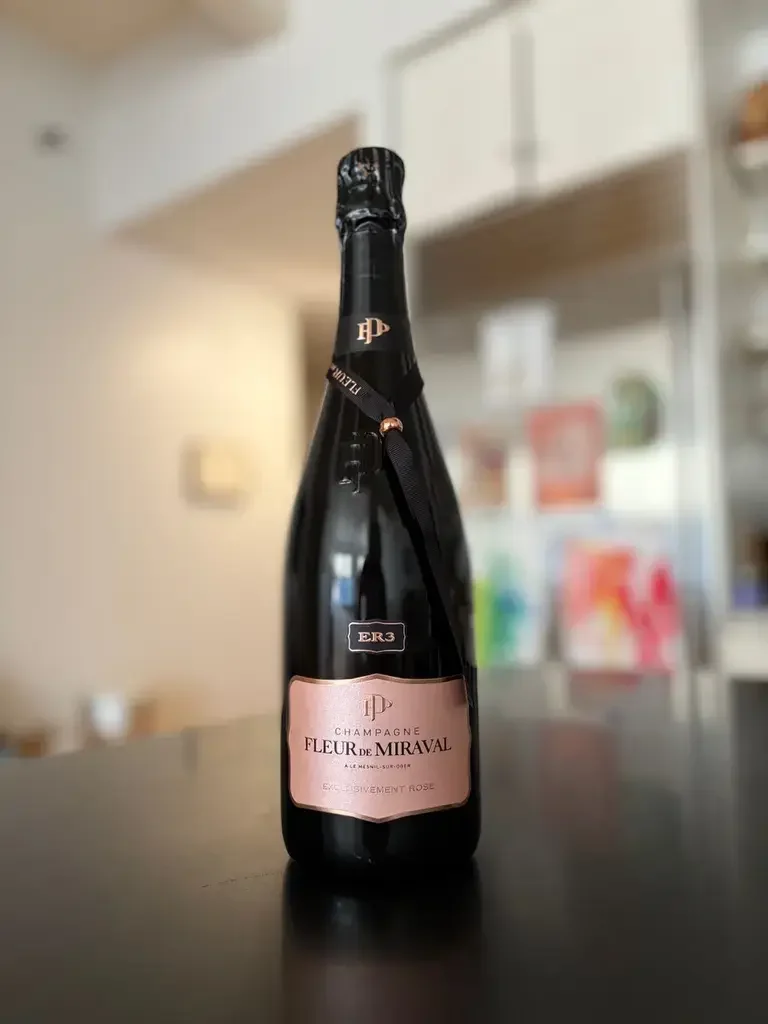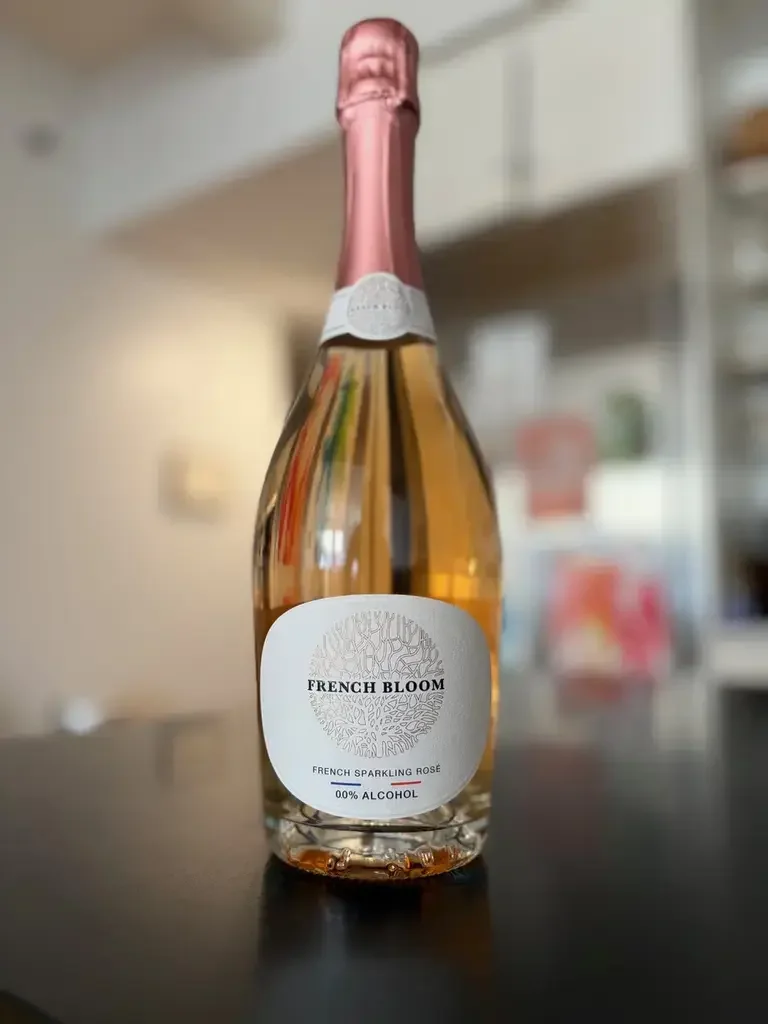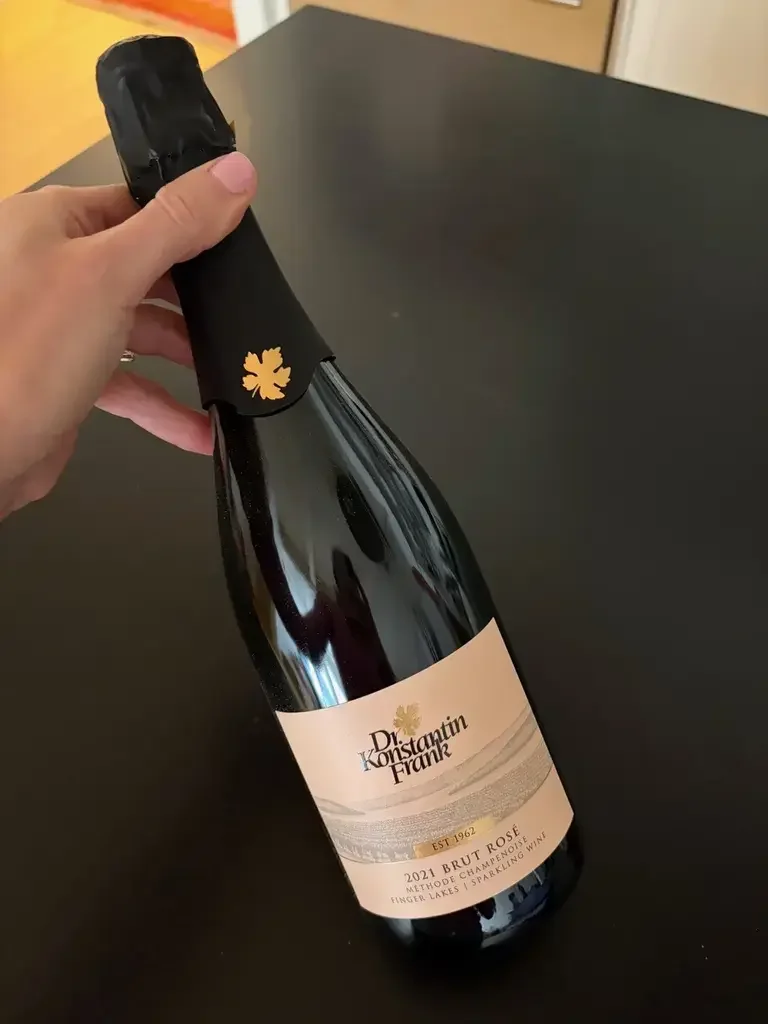

I figured out a long time ago that the key to nailing Valentine’s Day is staying in. All you really need is great food and great wine. And yes, we are talking bubbles. Pink bubbles.
I love sparkling wine, especially Champagne. Beyond being straight-up delicious, sparkling wines are also ridiculously food-friendly. Their acidity and bubbles refresh your palate in a way that works with almost everything, from toro nigiri to chicken masala, buttery lobster pasta to a funky dry-aged steak. When in doubt, reach for bubbles. And for Valentine’s Day, make it festive. I say go rosé.
So, what makes rosé sparkling wine different from regular sparkling wine?
It starts with the base wine. For rosé sparkling, winemakers first have to make a pale pink base wine, either through brief skin contact with red grapes or by blending a small amount of red wine into white wine, before the traditional sparkling process even begins (more on that below). Only then does the wine undergo a second fermentation in tank or bottle to create bubbles, followed by aging on the lees (spent yeast cells) and eventual disgorgement (when yeast sediment is frozen in a bottle’s neck and popped out to leave clear sparkling wine). Regular sparkling wine skips that rosé step entirely. Producers begin with a white base wine and move straight into the second fermentation and aging.
How Sparkling Wine Is Made
Traditional Method (Méthode Traditionnelle / Champagne Method)
This is the most labor-intensive and haute approach, used in Champagne and other high-quality sparkling wines worldwide. A still base wine is bottled with yeast and sugar, triggering a second fermentation inside the bottle that creates the bubbles. The wine then ages on its lees for months or years, building classic age-related flavors like brioche and toast, alongside a creamy texture. The bottles are riddled (rotated), disgorged, topped up, and corked.
Tank Method (Charmat)
Here, the bubbles are created in large pressurized stainless steel tanks instead of individual bottles. It is a quicker, more cost-effective approach that keeps the wine bright and fruit-forward.
Transfer Method
This begins the same way as the traditional method, with the second fermentation happening in bottle. Instead of riddling and disgorging each bottle, though, the wine is transferred into a pressurized tank, filtered, and then bottled again, preserving some traditional character while simplifying the process.
Ancestral Method (Pét-Nat)
The oldest and least controlled approach. The wine is bottled before its first fermentation finishes, trapping natural carbonation. Because it is rarely disgorged, the result can be slightly cloudy, rustic, and gently fizzy.
Carbonation (Industrial Method)
The simplest technique. Still wine is carbonated by injecting CO₂, much like soda. It is the fastest and most economical method, producing straightforward wines with bigger bubbles.
A Note on Price
Maybe you have noticed that pink sparkling wine, especially Champagne, is often more expensive. That is because it is harder and more resource-intensive to make. Producers must first create that rosé base wine, which means extra grapes, more blending decisions, and far tighter color control before the traditional sparkling process even begins. Many maisons even make a separate red wine just to blend a small portion into the final cuvée. Add the already costly second fermentation in bottle, longer aging, and typically smaller production volumes, and rosé sparkling ends up requiring more time, labor, and materials. Those costs ultimately show up in the price of the bottle.