
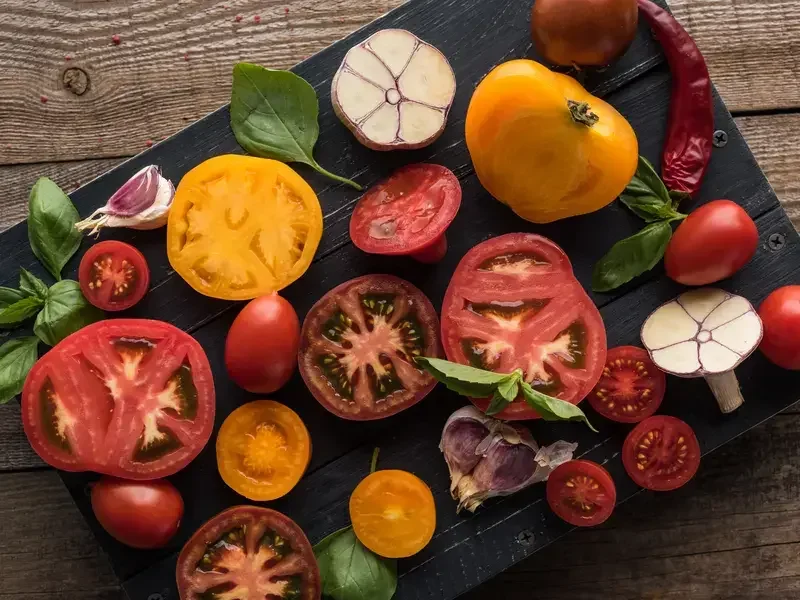
From vibrant heirlooms to crisp cherry varieties, tomatoes embody both simplicity and complexity in the kitchen. Their versatility makes them equally suited to rustic salads, elegant sauces, or refined tasting menus. Mastering the differences among tomato types means unlocking a range of colors, textures, and flavors that elevate dishes beyond the ordinary.
Main Tomato Varieties and Their Characteristics
Tomatoes come in countless forms, each with distinct qualities. Beefsteak tomatoes are large, fleshy, and ideal for sandwiches or grilling. Plum or Roma tomatoes have fewer seeds and dense flesh, perfect for sauces, roasting, or slow-cooked stews.
Cherry and grape tomatoes offer a burst of sweetness and crisp bite, favored for salads, skewers, and quick sautés. Heirloom tomatoes—known for their irregular shapes and depth of flavor—bring unique character to summer dishes and are often showcased raw to preserve their complexity.
How to Choose the Right Tomato for Each Dish
Selecting the right tomato involves considering acidity, juiciness, and structure. For fresh dishes like carpaccio, tartares, or caprese, opt for tomatoes with firm flesh and balanced sweetness. Roma tomatoes are ideal for velvety sauces and ragù, thanks to their concentrated flavor and minimal water content.
When grilling or stuffing, choose medium round tomatoes that hold shape without losing moisture. Lightly blistered cherry tomatoes can intensify the flavor in grain salads, pasta, or seafood dishes.
Tomato Colors, Textures, and Culinary Impact
Tomatoes range from vivid reds to golden yellows, greens, and deep purples. Each hue hints at a different flavor profile: yellow and orange tomatoes are typically milder and fruitier, while dark varieties like black Krim have an earthy, almost smoky taste.
Textures vary widely—from crisp and juicy to dense and meaty—shaping how tomatoes integrate into each dish. Understanding these subtleties allows chefs to craft more dynamic compositions and balance acidity and sweetness.
Discover why tomatoes are technically classified as fruit (yet loved as vegetables) in our exploration of tomato classification.
Heirloom, Cherry, and San Marzano: When to Use Each
Heirlooms shine in raw preparations where their marbled colors and nuanced flavors can be appreciated fully. Cherry tomatoes work beautifully in quick-roast dishes or as bright accents on skewers and flatbreads. San Marzano tomatoes, with their balanced acidity and rich sweetness, remain a favorite for pure, authentic tomato sauces and confit preparations.
Specialty varieties like Pachino tomatoes offer intense sweetness and vibrant acidity, making them ideal for raw dishes or as finishing elements.
Tomato Seasonality and Sourcing Tips
Tomatoes reach their peak from late spring to early autumn, when sunlight and warmth maximize flavor complexity. Choose locally grown or farmers’ market options whenever possible for the best aroma and juiciness.
Select tomatoes with taut, unblemished skins and a gentle give when pressed near the stem. Their fragrance should be fresh and subtly sweet. Overly soft or wrinkled tomatoes can compromise the final dish.
By understanding the wide range of tomato types, colors, and textures, chefs and home cooks can showcase the true essence of this versatile ingredient—from rustic sauces to minimalist raw presentations—highlighting its endless culinary potential.