Modern conversations around cultural appropriation have complicated the way chefs cook across traditions. Questions about who “gets” to make certain foods, and what separates respectful homage from profitable erasure, now follow restaurants almost as closely as reviews or Michelin stars.
But food itself has never respected borders. Some of the world’s most beloved dishes exist because of migration, trade, colonization, adaptation, and cultural exchange. Tempura traces its roots to Portuguese missionaries and traders arriving in Japan in the 16th century, while Vietnam’s bánh mì emerged from the collision of French colonial baguettes and Vietnamese ingredients and flavors. The Silk Road and global spice trade transformed cuisines across continents for centuries, introducing ingredients, techniques, and flavors that became foundational to national identities. The question today may no longer be whether cultures should influence each other through food, but how to do so with curiosity, rigor, and respect.
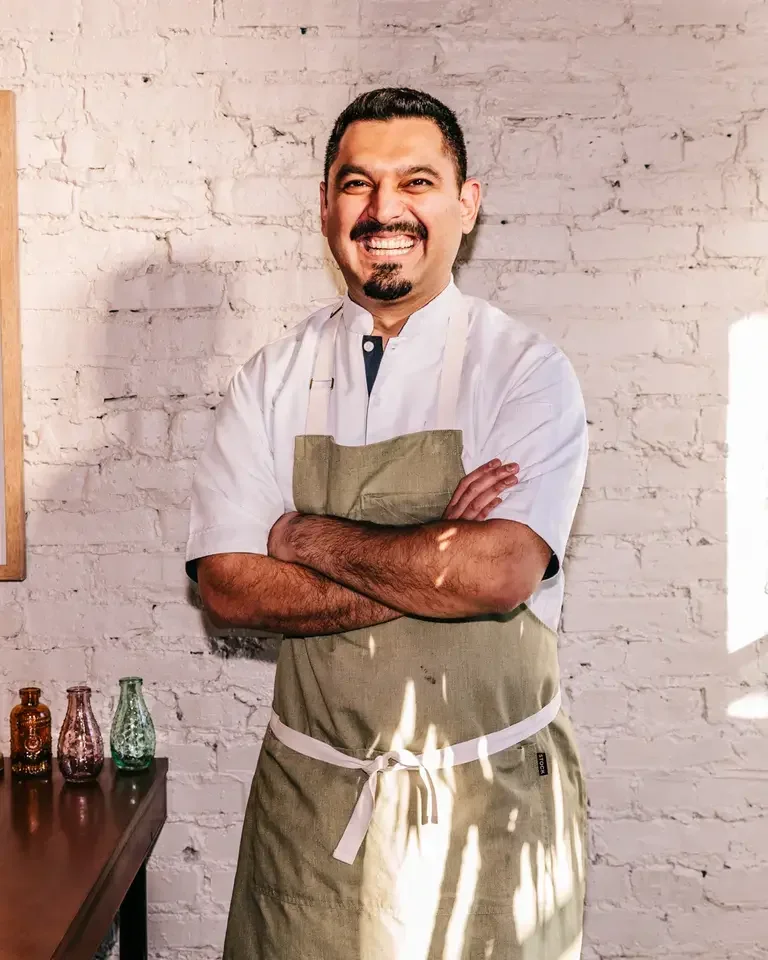
“Knowing and citing your sources is essential,” says Auyon Mukharji, a musician, writer, culinary historian, and co-author of Heartland Masala alongside his mother, chef and teacher Jyoti Mukharji. “If you’re borrowing a ceremonial or traditional artifact, piece of clothing, hairstyle, or food, and you don’t honor the source, that’s when it becomes culturally disrespectful.”
At the same time, Mukharji believes conversations around cultural exchange in food have become increasingly simplified online. “There is a temptation to flatten a complex situation into one sentence, like, ‘There’s a white guy cooking and selling Indian food and that’s a problem,’” he says, referencing some of the criticism directed at Keith Sarasin of Aatma Curry House. “I understand why that might be surprising, but a big part of the story here is that Keith is also a scholar and devoted student—he has spent huge amounts of time traveling through India, learning at the feet of mentors there, studying and learning. We need to stop making snap judgments without considering the broader context.”
Sarasin, Mukharji argues, is careful to credit the traditions, techniques, and ingredients that shape his cooking. That kind of rigor, study, and acknowledgment may not resolve every conversation around cultural exchange in food, but for many chefs and diners, it represents an important distinction between respectful adaptation and careless appropriation.
Food Has Never Been Pure
Long before social media debates over authenticity and appropriation, cuisines were already evolving through migration, trade, and colonization. Ingredients, techniques, and dishes moved across borders for centuries, eventually becoming embedded within national and regional food traditions. One stark example is chile peppers, native to Central and South America, which spread through these trade routes into India, China, Thailand, and Korea, where they eventually became central to many regional cuisines.
“Examples of one culture borrowing from another and creating something better because of it abound,” Mukharji says. “Butter chicken and tea in India are products of British colonialism. Now, they’re an intrinsic part of our culture.”
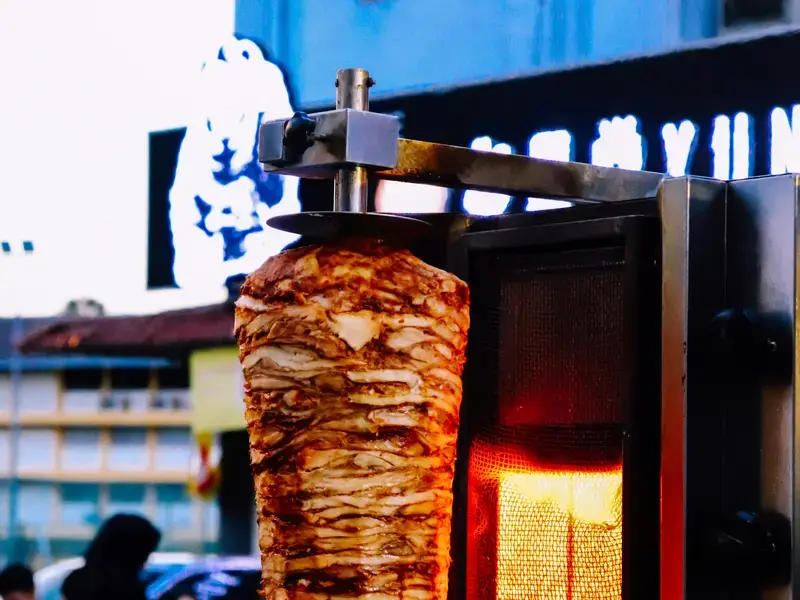
Al pastor evolved from Lebanese immigrants bringing shawarma-style spit cooking to Mexico in the late 19th and early 20th centuries, where pork, achiote, and pineapple transformed it into something distinctly Mexican. American barbecue itself reflects Indigenous Caribbean smoking techniques, European livestock traditions, and African seasoning and cooking influences. Many of the dishes now treated as emblematic national foods are, in reality, layered products of migration and exchange.
Food histories are often far messier and more interconnected than contemporary conversations around authenticity suggest. Many dishes now treated as untouchable cultural institutions are, in reality, records of centuries of movement, adaptation, and reinvention.