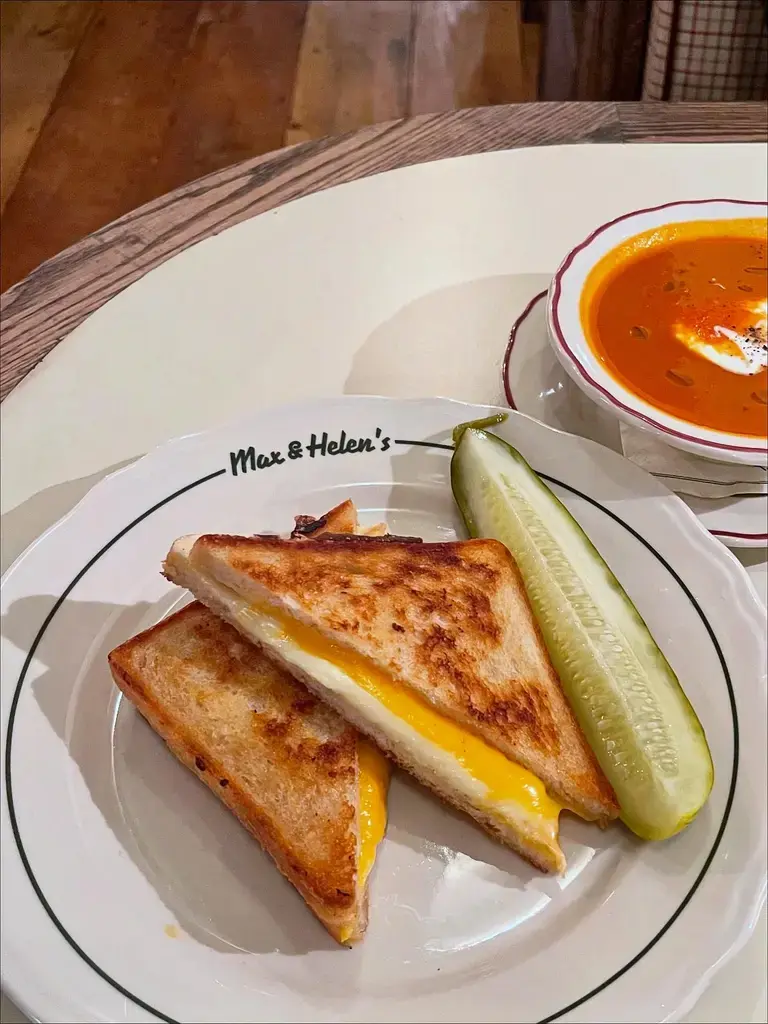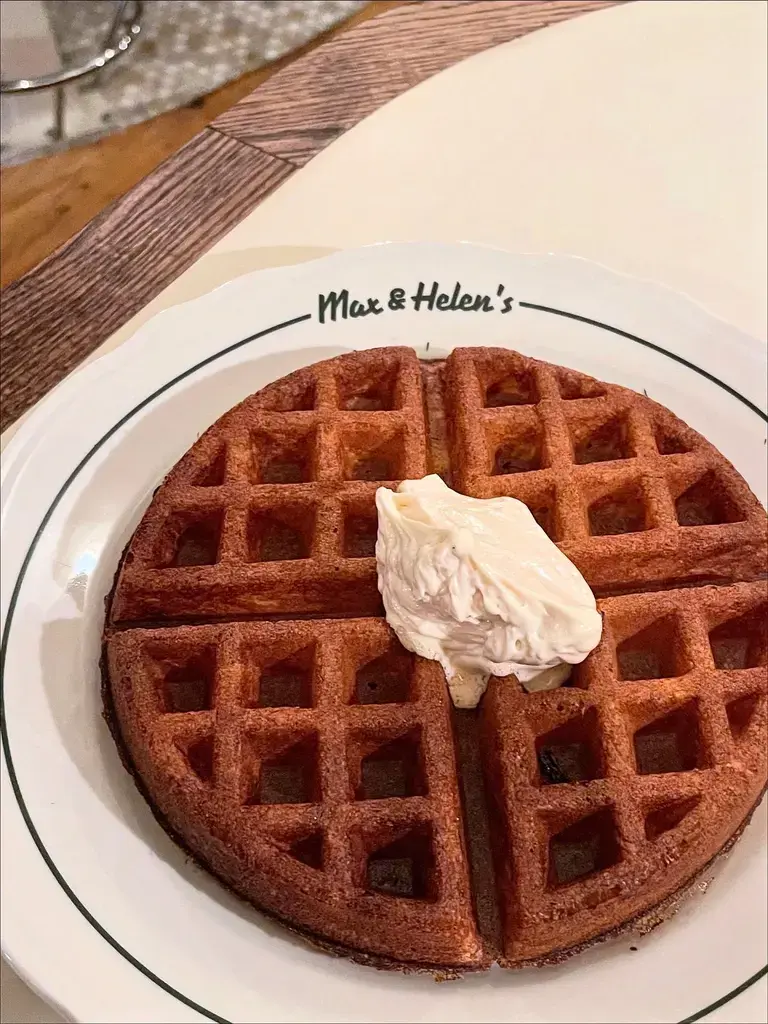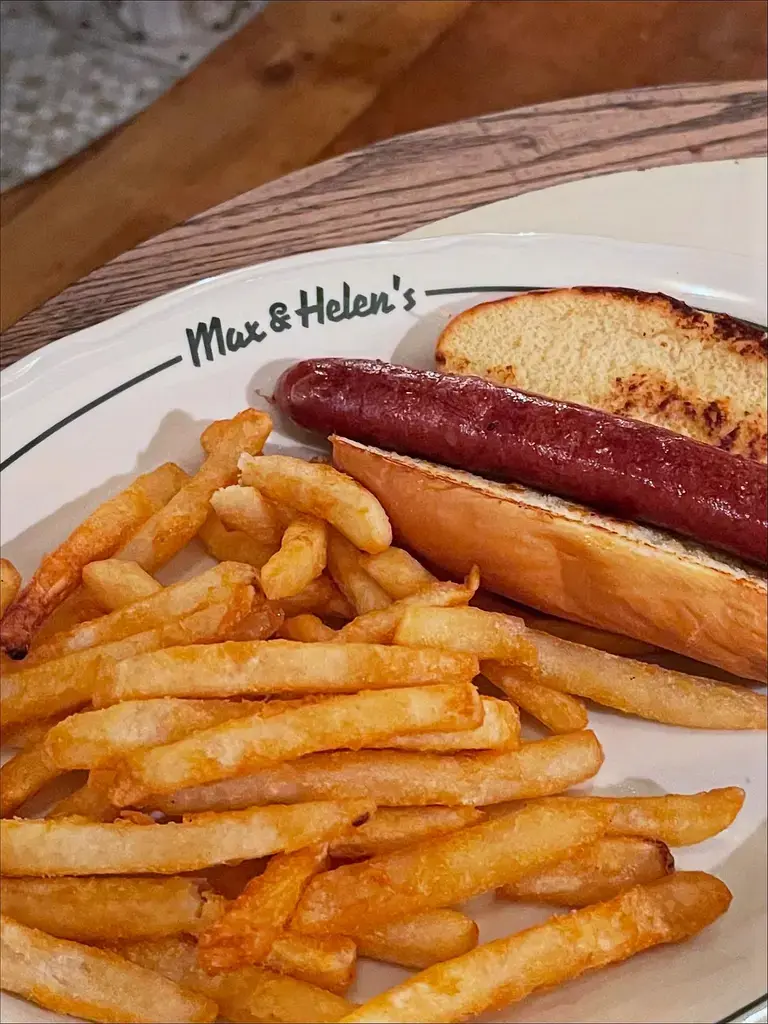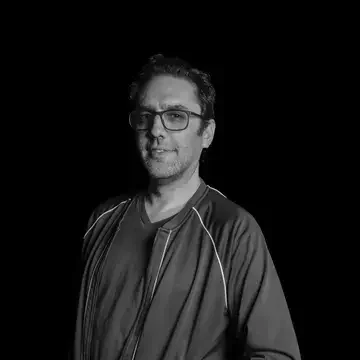
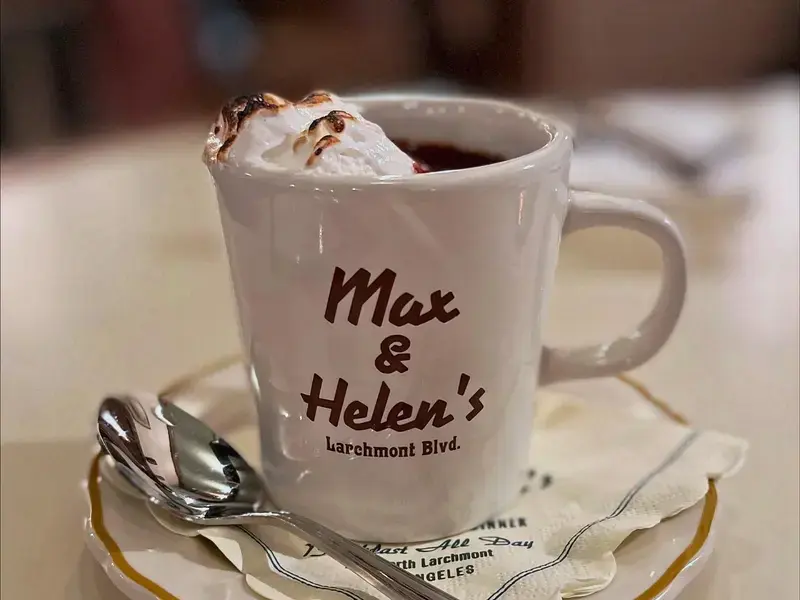
On a short, restaurant-packed stretch of Larchmont Boulevard, Phil Rosenthal is trying to bring back something he thinks Los Angeles is losing. Diners are disappearing. So are the casual, democratic rooms where a neighborhood can linger over coffee that does not cost six dollars, argue about burgers, and feel like it belongs somewhere. His solution is very specific. Name a small diner after his parents, fill it with the dishes that shaped his life, and ask Nancy Silverton to make them taste as good as he remembers.
The idea started far from Hancock Park. Years ago, while filming in Maine, Rosenthal walked into Palace Diner in Biddeford, a narrow restaurant inside a decommissioned railroad dining car. It had fifteen seats at a counter, the kitchen directly behind, and a century-old menu that a pair of Gramercy Tavern alumni had decided to revive and cook properly.
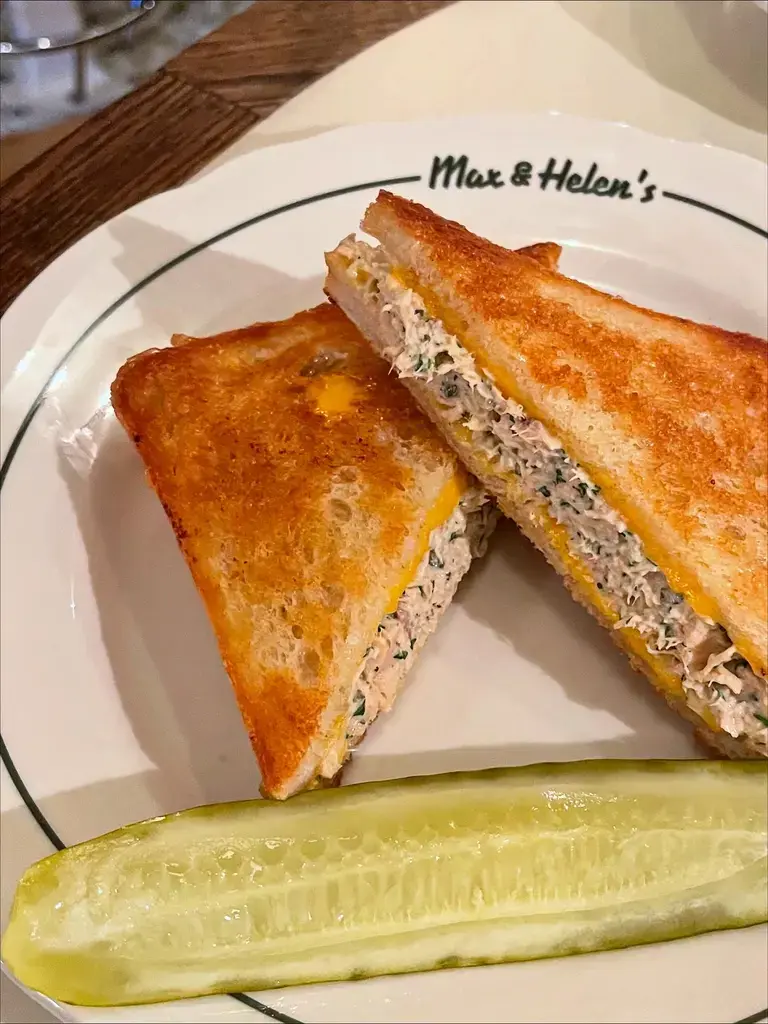
“I was like, wait a minute, why is this,” Rosenthal says. “I am saying to him, this is the best tuna melt I ever had. This the best burger I had. This the best chicken sandwich I have ever had. This is the best pancakes. I tasted everything.”
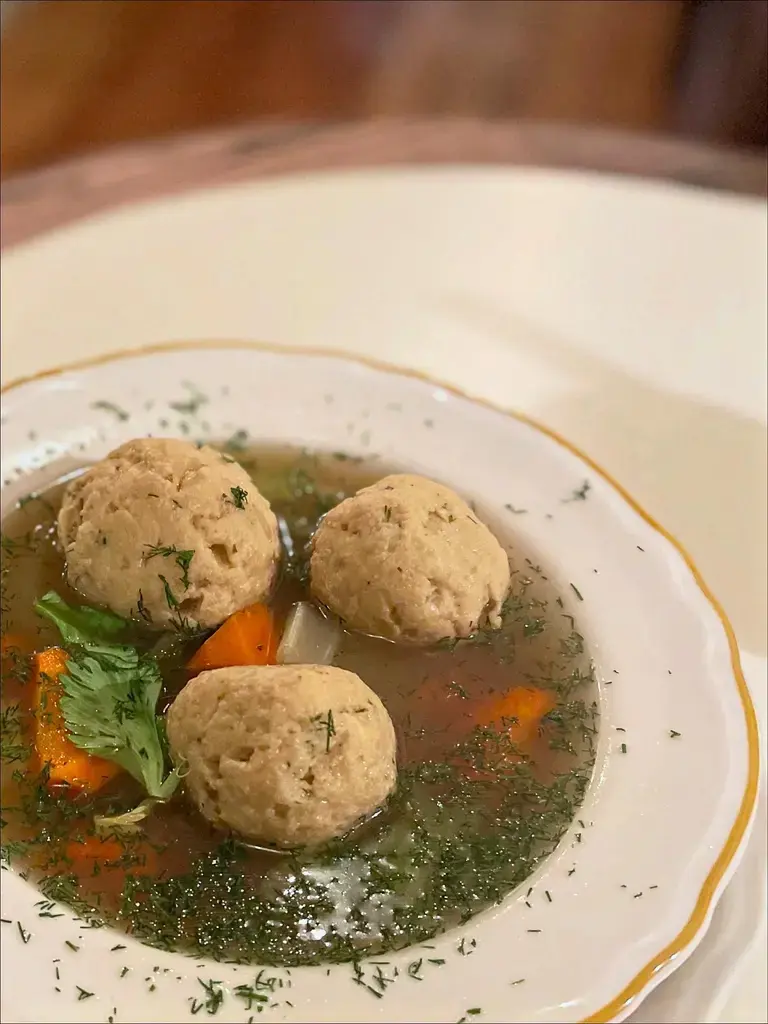
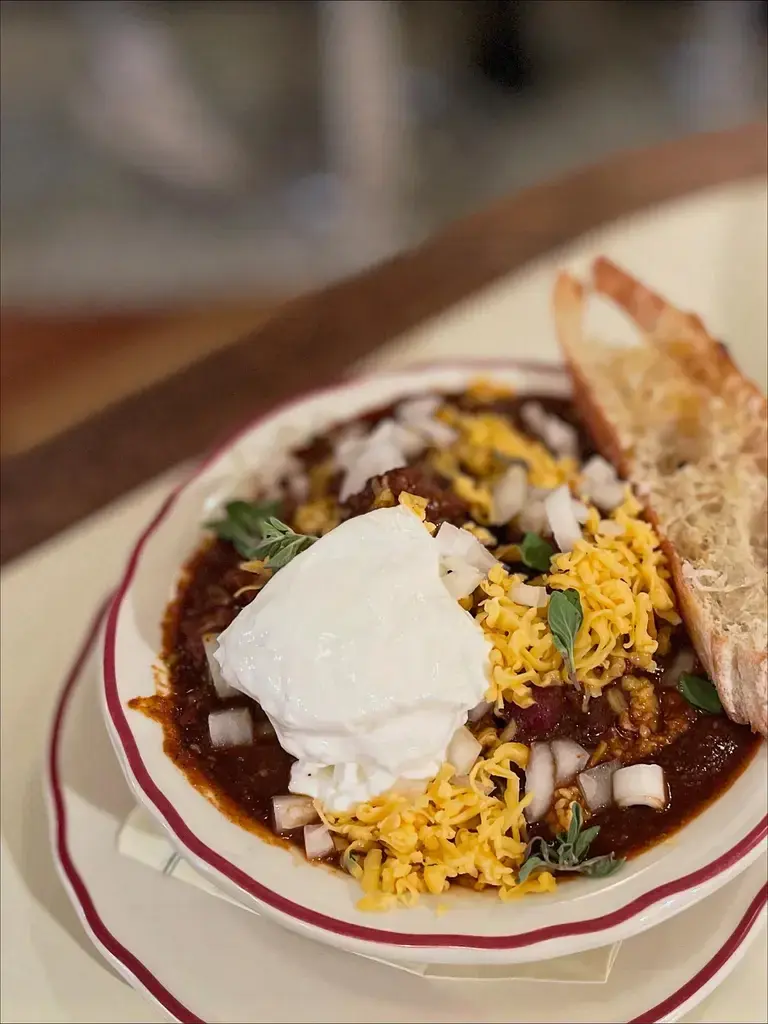
For him the appeal was memory, sharpened. “It is comfort food. It is that scene in Ratatouille where you eat the thing and you flash back to childhood when you have the best of that you ever had.” At Palace Diner he realized something else. Diners are sacred in people’s imaginations, but not always in practice. “Everyone has their reference point of their favorite. Everyone. Everyone is an expert in this thing, this burger, this turkey sandwich. You cannot say this is the best, because we have never had that before. You have to prove it.”
Back home in Los Angeles, the absence of diners on his own block started to bother him as much as the memory of that tuna melt. “I also noticed that there is a dearth of diners. There were two on this block when I first moved to L.A. They are gone. Diners are disappearing from America. What else is disappearing? Sense of community that a diner brings, and maybe the goddamn country. We do not have places that we could sit and talk.”
He had already built a kind of personal diner at Go Get Em Tiger, where he shows up most mornings. “I did not know these people. Just slowly over time. Hey, you want to come sit, and then another and then another, over years, and built a community. This is it.” The next logical step was obvious: find a small restaurant space on Larchmont, and turn that feeling into a place of his own.
The question was who should cook.