Whether enjoyed raw on the half shell or lightly cooked, oysters reveal a world of flavors shaped by the sea, the season, and the hands that serve them. Understanding how to eat oysters means appreciating not only their taste but also the ritual, balance, and etiquette that make this delicacy timeless.
Types of Oysters and Flavor Differences
Each variety of oyster offers a distinct flavor profile influenced by its environment—salinity, temperature, and water depth all play a role in shaping its taste. The most common species served around the world include:
- Pacific oysters (Crassostrea gigas): Known for their deep-cupped shells and sweet, slightly creamy flavor with melon-like notes.
- Atlantic oysters (Crassostrea virginica): Briny and robust, with mineral undertones that reflect the cold Atlantic waters.
- Kumamoto oysters: Petite and prized for their delicate balance of sweetness and bright, fruity finish.
- European flats (Belon oysters): Distinguished by a bold, metallic taste and firm texture—perfect for those who prefer a stronger oceanic character.
The taste of oysters can range from sweet and buttery to sharp and saline, often leaving a lingering umami essence that defines their allure.
How to Prepare Oysters for Serving
Before learning how to eat an oyster, proper preparation is essential. Freshness is paramount—always choose oysters that are tightly closed, with a clean ocean scent.
Shucking is the delicate process of opening the shell: insert an oyster knife near the hinge, twist gently, and run the blade along the top shell to release the meat. Discard any oysters that smell off or fail to close when tapped.
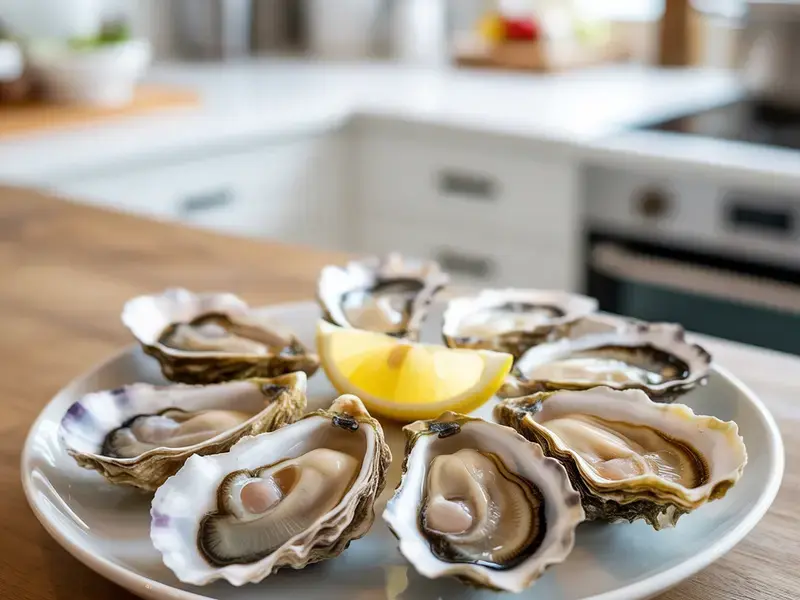
Serve oysters on crushed ice to keep them chilled and present them on the half shell, with their natural brine (the “liquor”) intact. This liquid enhances the overall flavor and should always be sipped along with the meat.
For those wondering how to cook oysters, they can also be baked, grilled, or steamed—classic preparations like Oysters Rockefeller or grilled oysters with herb butter showcase their versatility while maintaining their briny elegance.
Tasting and Evaluating Oysters
Eating an oyster is both sensory and ceremonial. Begin by observing its appearance: a plump oyster with a glistening surface signals freshness. Next, bring it to your nose—the scent should evoke clean ocean air.
To taste, loosen the oyster from its shell with the tip of your fork, then lift it gently to your lips. Sip the liquor first to capture its salinity, then slurp the oyster to experience its full texture and flavor. Chewing lightly—rather than swallowing whole—allows the complex notes to unfold.
Depending on the variety, you may detect flavor layers: mineral sharpness, buttery smoothness, or even subtle cucumber or melon undertones. Just as with wine, oysters offer terroir—a sense of place expressed through taste.
Pairing Oysters with Condiments and Wines
Pairing is an art that enhances both the oyster and its accompaniments. The classic trio of lemon, mignonette, and hot sauce remains a staple, but refined variations offer new dimensions.
- Mignonette sauce: A mix of vinegar, shallots, and pepper that adds acidity to balance richness.
- Citrus or yuzu: A bright alternative that highlights freshness.
- Seaweed butter or ponzu: Perfect for those who enjoy Japanese-style oyster pairings, combining umami depth with a touch of sweetness.
When it comes to wine pairings, crisp and mineral-driven whites are ideal: Chablis, Muscadet, or Champagne cleanse the palate and echo the oyster’s salinity. For a modern twist, try pairing oysters with dry sake, whose subtle umami and clean finish make a natural complement.
Etiquette and Presentation Tips
Oysters are best enjoyed with a sense of grace and mindfulness. Follow these etiquette essentials:
- Hold the shell by the wider end and bring it to your lips in one smooth motion.
- Avoid using a fork unless necessary to detach the oyster.
- Never drown the oyster in sauce—condiments should enhance, not overpower.
- When finished, place the empty shell face down on the platter as a polite signal to your host.
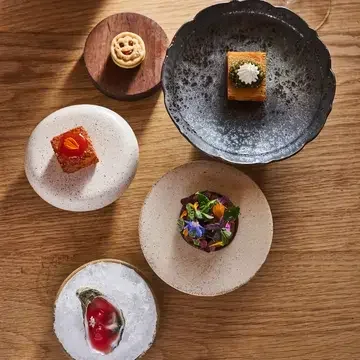
In fine dining, presentation is everything. Chefs often serve oysters on chilled platters of ice, adorned with seaweed, citrus wedges, and edible flowers. The experience should engage all senses—from the sound of the sea-inspired plating to the glimmer of the shell under soft light.
Mastering how to eat oysters isn’t just about flavor—it’s about appreciating craftsmanship, sustainability, and the subtle dialogue between the ocean and the palate. Whether enjoyed with Champagne at a seaside brasserie or paired with sake in a modern tasting menu, oysters remind us that true luxury often lies in simplicity.